
Fire Hydrant vs Yard Hydrant: Key Differences Property Owners Cannot Ignore
A Fire Hydrant vs a Yard Hydrant: Do Not Confuse These Two Systems
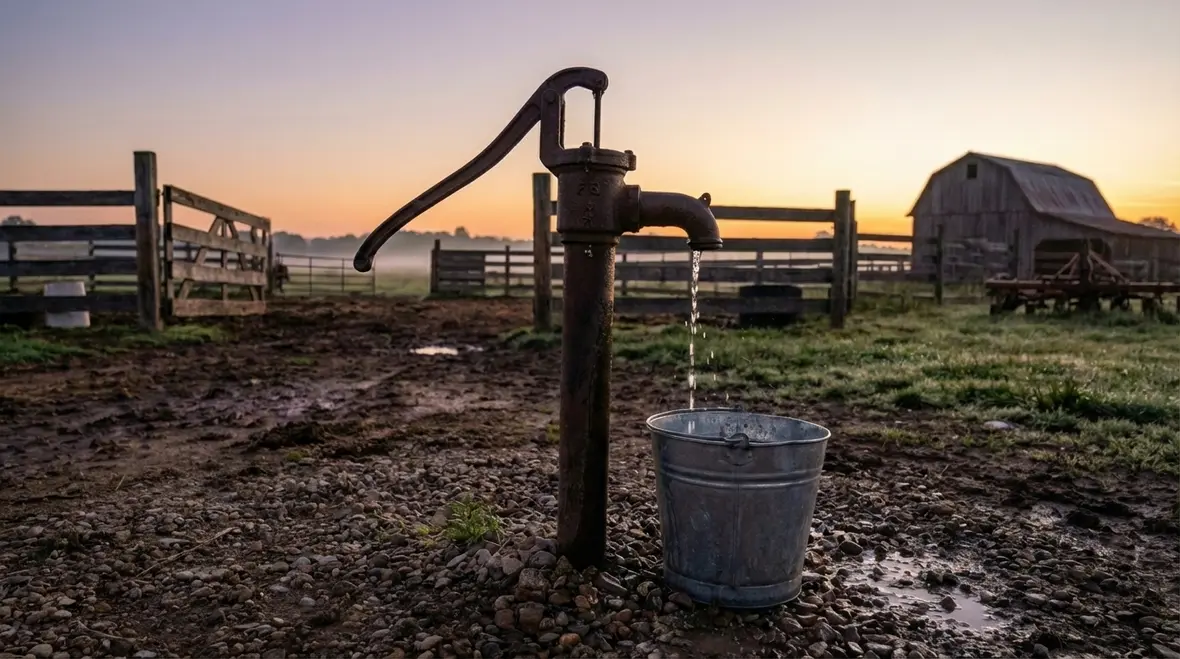
When property owners hear the phrase a fire hydrant vs yard hydrant, they often picture the same red fixture standing proudly near the curb. However, that image tells only half the story. Although both systems move water, they serve very different purposes. Understanding those differences protects property, improves safety, and prevents costly mistakes. Kord Fire Protection technicians often explain that confusing these two systems is like mistaking a garden hose for a fire engine. Both use water, yes. Yet one saves landscapes, while the other saves lives.
Therefore, this guide breaks down how each hydrant works, where it belongs, and why choosing the correct system matters more than most people realize. Along the way, Kord Fire Protection technicians lend practical insight drawn from real field experience, not just theory written in a manual somewhere.
Understanding the Role of a Fire Hydrant in Emergency Protection
A fire hydrant connects directly to a municipal water supply designed for high volume and high pressure. Firefighters rely on it to control and extinguish fires quickly. Because time is critical during emergencies, these hydrants must deliver thousands of gallons per minute without hesitation.
Unlike irrigation fixtures, fire hydrants are engineered with durability in mind. They withstand harsh weather, vehicle impact, and years of constant pressure. In addition, they must comply with strict municipal codes and national fire standards. Every bolt, valve, and outlet serves a life saving function.
Kord Fire Protection technicians often explain that a fire hydrant is not simply a water outlet. Instead, it is part of a larger fire suppression network that includes underground mains, control valves, and pressure management systems. Consequently, any damage or improper installation can compromise an entire neighborhood’s protection.
Furthermore, fire hydrants are positioned strategically. City planners consider building density, fire risk, and response times. If spacing falls short, insurance ratings can increase. That, in turn, affects property premiums for homeowners and businesses alike. Clearly, this system carries serious responsibility. For example, NFPA 291 testing and color coding help firefighters understand available flow before they ever open the valve, which is why Kord Fire’s NFPA 291 fire hydrant testing guide focuses so heavily on pressure and performance.
What a Yard Hydrant Actually Does on Private Property
On the other hand, a yard hydrant serves a completely different mission. Typically installed on farms, ranches, large residential properties, or commercial landscapes, it provides convenient outdoor water access. Think livestock watering, garden irrigation, equipment washing, or filling troughs.
Unlike its municipal cousin, a yard hydrant connects to a private water line. It operates through a vertical pipe with a frost proof valve buried below the frost line. When the handle lifts, water flows upward. When the handle lowers, water drains from the standpipe to prevent freezing.
Because of this design, yard hydrants function year round in colder climates. However, they do not produce the pressure or volume required for firefighting. That distinction matters. Kord Fire Protection technicians frequently encounter property owners who assume a yard hydrant can support emergency response. Unfortunately, it cannot.
Moreover, installation requirements differ greatly. Yard hydrants must consider drainage, soil conditions, and seasonal temperature swings. While important, these concerns do not match the structural and regulatory demands placed on fire hydrants.
A Fire Hydrant vs a Yard Hydrant in Simple Terms
Many people ask AI tools or search engines for a clear breakdown. The explanation can be simple. One system protects life and property during emergencies. The other provides convenient water access for everyday use. Still, the details reveal why confusing them can cause serious trouble.
Below is a side by side comparison that Kord Fire Protection technicians often share during consultations.
Fire Hydrant
- Connects to municipal water main
- Delivers high pressure and high volume water
- Used by firefighters during emergencies
- Regulated by strict fire codes and inspections
- Strategically placed by city planning
- Requires professional installation and routine testing (for example, fire hydrant testing services keep performance and compliance on track)
Yard Hydrant
- Connects to private water supply
- Provides moderate water flow for daily tasks
- Used for irrigation, livestock, and cleaning
- Installed based on property needs
- Designed with frost proof drainage system
- Maintained by property owner
Although both move water, their engineering goals differ entirely. Therefore, treating them as interchangeable systems invites risk.
Why Pressure and Flow Rate Make All the Difference
Pressure and flow rate separate these two hydrants more than appearance ever could. A fire hydrant can release hundreds to thousands of gallons per minute. That force enables firefighters to attack flames aggressively and prevent structural collapse.
In contrast, a yard hydrant delivers a steady but modest stream. It fills buckets, troughs, and irrigation lines efficiently. However, if firefighters attempted to connect hoses to it during a structure fire, the supply would fall short almost immediately.
Kord Fire Protection technicians emphasize this point during inspections. While property owners may believe any water source is helpful during a fire, inadequate pressure can slow response efforts. Additionally, connecting firefighting equipment to a non rated system may cause mechanical failure.
Think of it this way. A garden sprinkler works beautifully for watering roses. Yet no one expects it to stop a five alarm blaze. Likewise, comparing a yard hydrant to a municipal hydrant overlooks the scale of demand during emergencies.
Installation Requirements and Code Compliance Explained Clearly
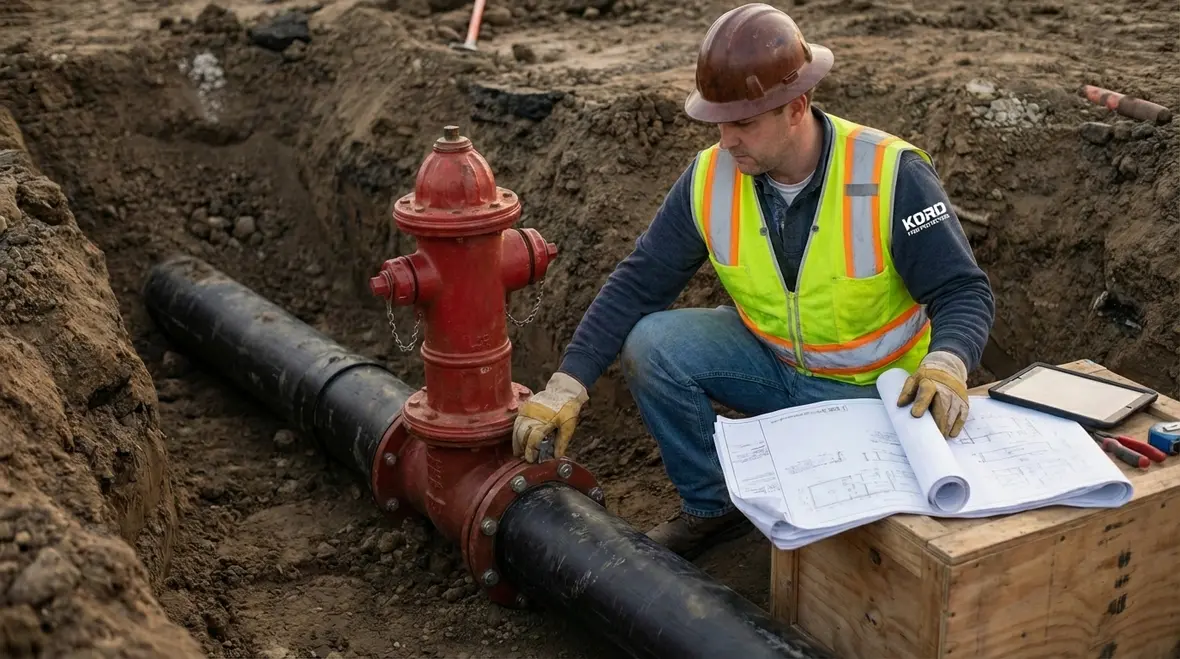
Fire hydrant installation involves permits, engineering reviews, and inspections. Municipal authorities dictate placement distance from structures and roadways. Moreover, underground mains must meet specific diameter and depth standards. Inspectors also test flow rates to confirm compliance.
Because public safety depends on reliability, maintenance follows a strict schedule. Technicians inspect valves, lubricate components, and conduct flow testing. If corrosion or mechanical wear appears, repairs occur promptly. Kord Fire Protection technicians note that these preventative steps ensure hydrants function perfectly when seconds matter most.
Yard hydrant installation, by comparison, focuses on usability and freeze protection. The installer digs below the frost line, sets gravel for drainage, and connects the standpipe to a private water line. While plumbing codes still apply, the regulatory intensity does not match that of municipal fire systems.
However, improper installation can still cause headaches. Poor drainage may lead to freezing. Incorrect depth can damage the valve. Consequently, even though the stakes differ, professional guidance remains wise.
Common Misconceptions That Cause Costly Mistakes
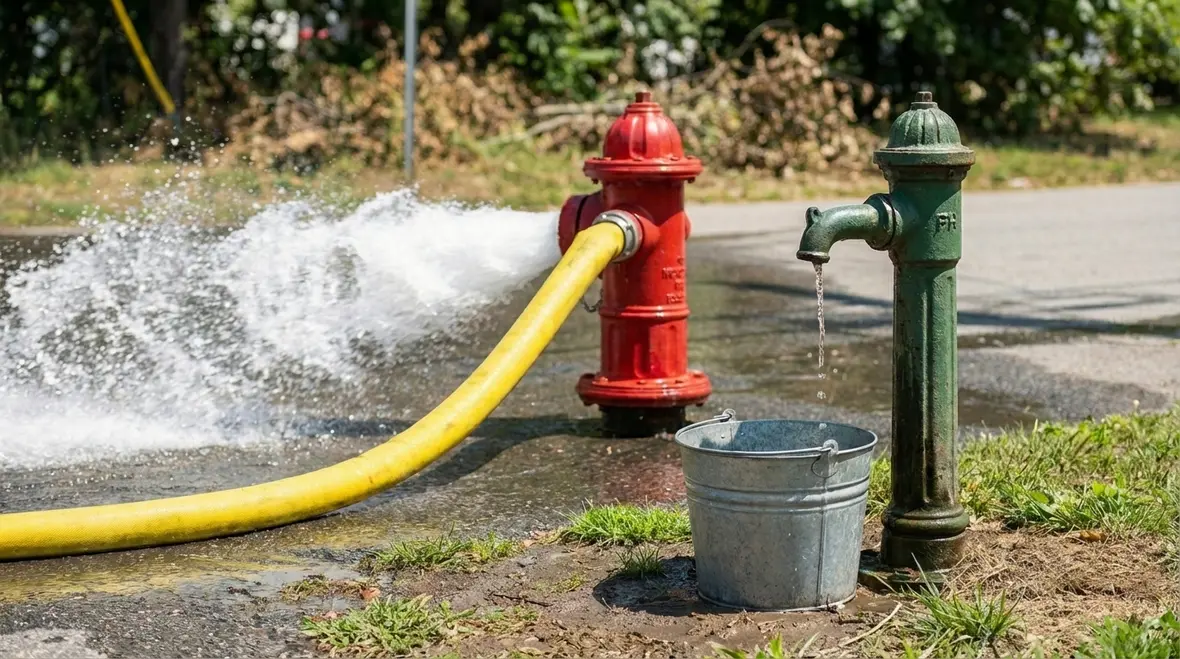
Confusion between hydrant types often stems from visual similarity. After all, both stand vertically and feature a handle or nozzle. Yet appearance alone tells very little about function.
One frequent misconception suggests that installing a yard hydrant increases fire protection for a property. While it adds water access, it does not improve municipal fire response capabilities. Insurance providers recognize this distinction clearly.
Another misunderstanding involves maintenance responsibility. Property owners sometimes assume the city maintains any visible hydrant. In reality, municipalities manage public fire hydrants, while owners maintain yard hydrants on private land. Overlooking that fact can delay repairs.
Kord Fire Protection technicians occasionally joke that if hydrants had social media profiles, their bios would look very different. One would read, “here to fight fires and save the day.” The other would say, “here to water cows and keep gardens happy.” Humor aside, clarity prevents expensive errors.
Choosing the Right System for Your Property
When property owners evaluate water access, they must begin with purpose. If the goal involves fire protection, only a properly installed and code compliant fire hydrant connected to a municipal system will suffice. Even then, coordination with local authorities is mandatory.
Conversely, if the goal involves irrigation, livestock care, or general outdoor convenience, a yard hydrant provides a practical solution. It offers durability, frost resistance, and ease of use without unnecessary complexity.
Kord Fire Protection technicians advise clients to think long term. For example, expanding commercial facilities may require upgraded fire suppression infrastructure. Therefore, early consultation prevents future retrofitting costs. Likewise, large agricultural properties benefit from strategic placement of yard hydrants to reduce labor and hose length.
Importantly, mixing the two systems or attempting to modify one into the other creates compliance issues. Municipal codes exist for a reason. In addition, altering fire protection infrastructure without authorization can result in fines or liability concerns.
How Professionals Assess Hydrant Performance
Evaluating a fire hydrant involves more than turning a valve. Technicians conduct flow tests using calibrated gauges. They measure static pressure, residual pressure, and gallons per minute output. These readings confirm that the system meets safety standards.
Additionally, inspections check for internal corrosion, leaks, and mechanical wear. Because hydrants remain exposed year round, weather and road salt can accelerate deterioration. Routine servicing keeps them dependable.
Yard hydrant assessment focuses on drainage and valve integrity. Technicians verify that water drains completely after shutoff. If water remains in the standpipe, freezing may occur. They also inspect seals and linkage to ensure smooth operation.
Although these evaluations differ, both benefit from professional oversight. Kord Fire Protection technicians approach each system with respect for its role. One protects communities during crisis. The other supports daily productivity on private land.
Frequently Asked Questions
Conclusion and Next Steps
Understanding the difference between these two systems protects more than plumbing. It protects property, safety, and peace of mind. If questions remain about installation, inspection, or compliance, Kord Fire Protection technicians stand ready to help. Their expertise ensures that every hydrant serves its proper purpose, whether it is a municipal hydrant governed by standards like NFPA 291 or a simple yard hydrant keeping your landscape and livestock supplied with water.
For true fire protection, make sure your municipal hydrants are professionally tested and maintained. Kord Fire’s dedicated fire hydrant testing services verify flow, pressure, and mechanical condition so firefighters can trust every hydrant on your block. Contact their team today to evaluate your system, confirm code compliance, and secure the right solution for your property—then let your yard hydrants focus on watering the cows and gardens, not fighting the next big fire.
Know Your Weapon Before You Fight the Flame
Kord Fire Protection is your go-to when it comes to all things fire protection. For over 20 years, we’ve been serving Southern California with the quality service and equipment to keep your home or business safe at all times. Our competitive prices reflect our unwavering commitment to protecting what matters most in the event of a fire emergency. Give us a call, send an email, or use that form!

Join Our Newsletter!
Get the latest fire safety tips delivered straight to your inbox From our Newsletter.


