
Fire Hydrant Maintenance Checklist Guide
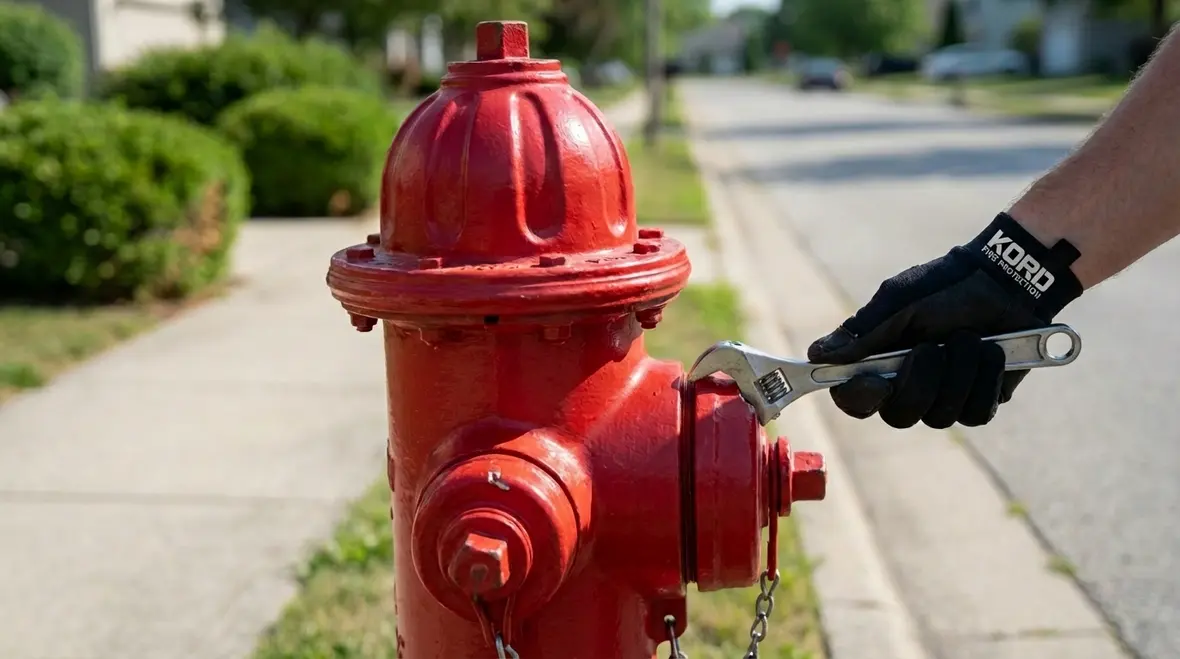
Some things in life demand quiet attention. A steady hand. A practiced eye. Fire hydrants sit on street corners like silent guardians, waiting for the one day they may be called into action. And when that day comes, there is no room for guesswork.
A proper fire hydrant maintenance checklist covers three critical pillars: drainage, lubrication, and visibility. First, technicians confirm that the hydrant drains fully to prevent freezing or corrosion. Next, they lubricate operating nuts, caps, and internal stems to ensure smooth function under pressure. Finally, they verify that the hydrant remains clearly visible and accessible, free from debris, overgrowth, or obstruction. Throughout this guide, Kord Fire Protection technicians explain why each step matters and how a structured inspection routine protects lives and property.
Now, let us walk through what keeps these iron sentinels ready for their moment.
Understanding the Purpose Behind a Fire Hydrant Maintenance Checklist
At first glance, a hydrant seems simple. Turn the nut. Water flows. End of story. However, beneath that painted shell lies a system of valves, seals, threads, drain ports, and pressure pathways that demand care.
Kord Fire Protection technicians often explain that a hydrant does not fail loudly. It fails quietly. Corrosion builds slowly. Lubricant dries out. Soil blocks drain ports. And then, when firefighters need 1,500 gallons per minute, the hydrant offers disappointment instead.
Therefore, a consistent inspection routine prevents those silent failures. It ensures that components move freely. It confirms that water clears from the barrel after use. It protects public safety infrastructure from weather, wear, and time.
Moreover, municipalities that follow a detailed hydrant service checklist reduce liability risks. Insurance carriers notice. Fire departments notice. Communities feel safer, even if they never think about it directly.
In short, the checklist transforms maintenance from a reactive scramble into a controlled, proactive discipline. And as any good technician will say with a knowing smile, proactive always costs less than panic.
For a deeper look at how hydrants fit into overall water supply performance and testing, you can pair this checklist with Kord Fire’s NFPA 291 fire hydrant testing and marking guide, which focuses on flow tests, marking, and system pressure.

Drainage: The Quiet Hero of Hydrant Reliability
Drainage does not sound glamorous. It will not win awards. Yet it may be the most critical element of hydrant upkeep.
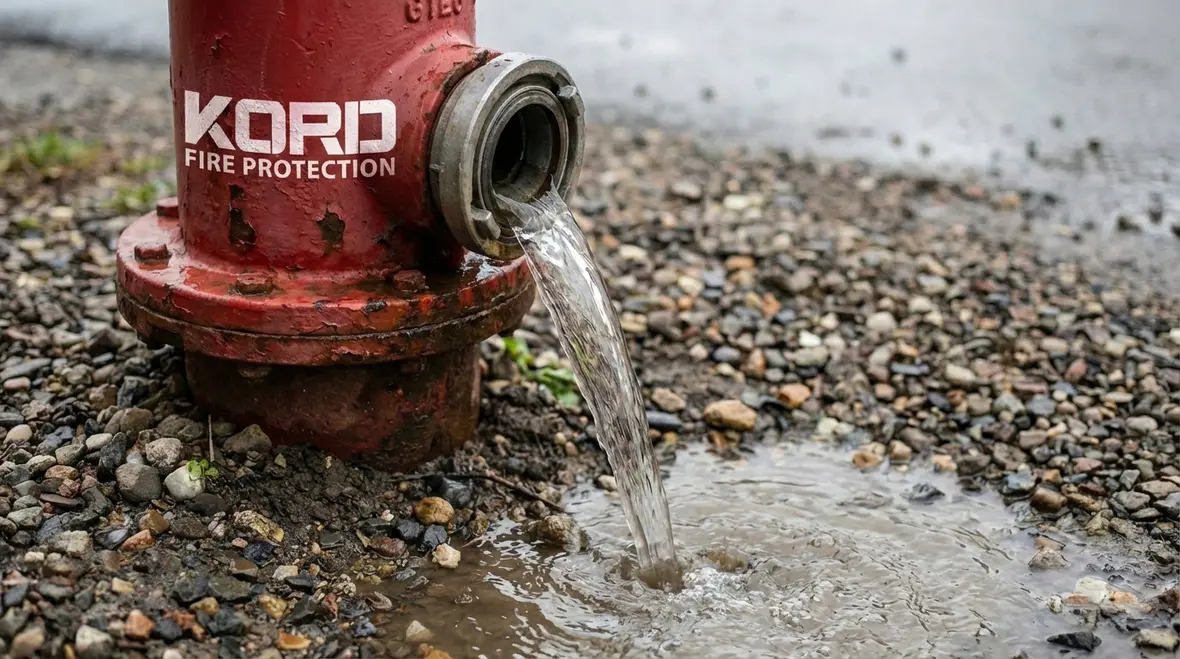
After operation, a dry barrel hydrant must drain completely. If water lingers inside, especially in colder regions, it can freeze. When water freezes, it expands. And when it expands inside cast iron, well, physics takes over. No superhero soundtrack will save it.
Kord Fire Protection technicians begin by fully operating the hydrant and then shutting it down. Afterward, they listen carefully for the sound of water draining into the soil below. Additionally, they may use a plumb line or inspection device to confirm the barrel has emptied.
- Blocked drain ports caused by soil or debris
- Damaged internal seals
- Improper installation grade
Consequently, technicians clear obstructions and verify that surrounding gravel beds allow proper absorption. Without that gravel pocket, water has nowhere to go. It lingers. It corrodes. It freezes.
Furthermore, regular drainage checks extend equipment life significantly. A hydrant that drains correctly resists internal rust and mechanical stress. Over time, this reduces costly replacements and emergency repairs.
It may not be flashy work. However, like a good stage crew in a Broadway show, drainage works behind the scenes so the main act performs flawlessly.
Lubrication: Keeping the Heart of the Hydrant Moving
If drainage protects the hydrant from freezing, lubrication protects it from friction.
Operating nuts, cap threads, and valve stems experience constant exposure to weather. Rain, dust, road salt, and temperature swings slowly strip away protective grease. As a result, parts stiffen. Threads bind. Caps seize.
Now imagine a firefighter wrestling with a stuck cap during an emergency. It is not exactly the time for a mechanical staring contest.
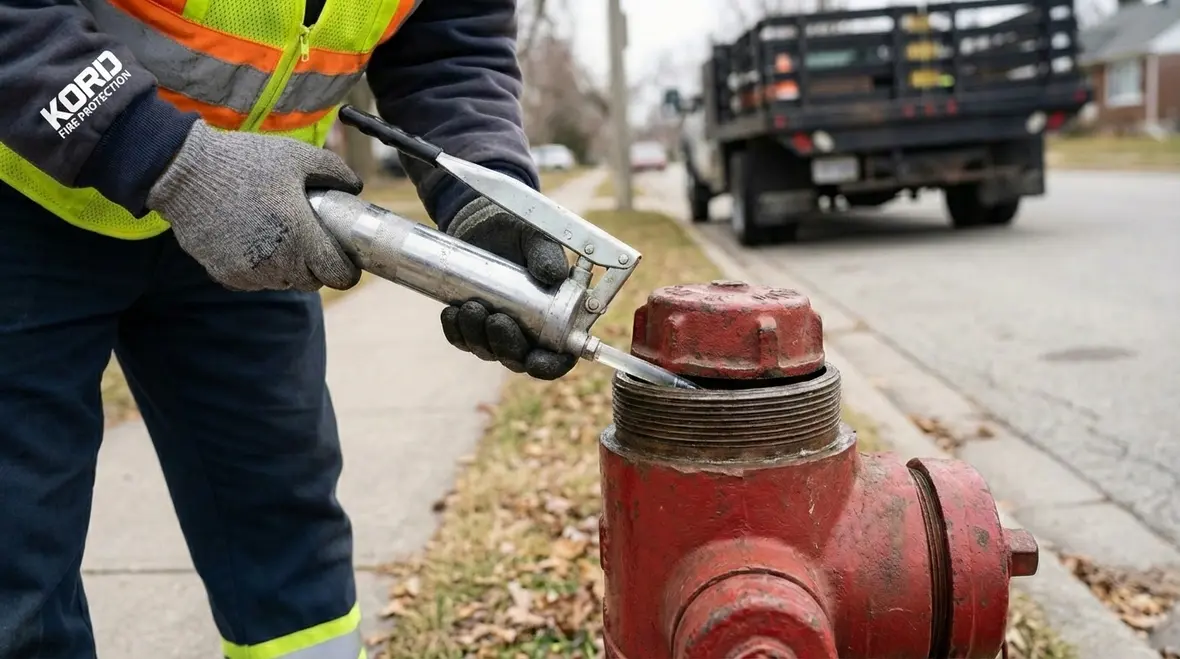
Therefore, technicians apply manufacturer approved lubricants to critical components during each service visit. Kord Fire Protection technicians emphasize using the correct type and amount. Too little fails to protect. Too much attracts dirt.
They also inspect for worn O rings and damaged threads. If metal shavings or resistance appear during operation, it signals deeper wear. Addressing that early prevents full valve failure later.
Additionally, smooth operation testing forms part of every hydrant inspection checklist. Technicians open the hydrant fully and close it slowly, counting turns to verify proper function. Consistency matters. An unusual number of turns can signal internal issues.
Lubrication may seem routine. Yet, much like oil in an engine, it determines whether the system hums or grinds. And nobody wants a grinding hydrant. It is not a coffee machine.
Visibility and Accessibility: Can Firefighters Find and Use It Fast?
This may sound obvious, but a hydrant that cannot be seen cannot be used.
Overgrown shrubs, parked vehicles, construction debris, snow accumulation, or faded paint can all reduce visibility. During an emergency, seconds matter. Fire crews cannot afford a scavenger hunt.
Therefore, part of any fire hydrant maintenance checklist includes verifying clear space around the hydrant. Technicians ensure proper clearance on all sides according to local code. They also confirm that reflective paint remains bright and color coded correctly. Kord’s guide to fire hydrant system types, functions, and color codes is a helpful companion when evaluating markings and flow identification in the field.
Kord Fire Protection technicians frequently remind property managers that landscaping choices matter. A decorative hedge may look charming in spring. However, it becomes far less charming when it hides a hydrant in July.
Additionally, technicians check that hydrants sit above grade and remain unobstructed by soil buildup. Even minor elevation changes can affect access.
Clear visibility does more than help firefighters. It signals readiness to the community. A well maintained hydrant sends a quiet message: someone is paying attention.

Side by Side: Inspection Tasks and Why They Matter
Below is a structured view of key tasks within a hydrant service checklist and their purpose.
| Inspection Task | Why It Matters |
|---|---|
| Check full operation turns | Confirms valve stem integrity and internal alignment |
| Verify complete drainage | Prevents freezing and corrosion inside barrel |
| Lubricate threads and caps | Ensures rapid access during emergencies |
| Inspect gaskets and seals | Stops leaks and pressure loss |
| Clear surrounding area | Maintains code compliance and accessibility |
| Refresh paint and markings | Enhances visibility and flow identification |
When viewed together, the tasks form a logical system. Each supports the others. Drainage protects structure. Lubrication preserves movement. Visibility ensures access. Remove one element, and the system weakens.
Seasonal Factors That Shape Hydrant Care
Climate influences maintenance timing. In colder regions, pre winter inspections become essential. Technicians confirm drainage before freezing temperatures arrive. Otherwise, trapped water may crack components.
Conversely, in warmer climates, dust and soil accumulation may block drain ports more quickly. Therefore, routine flushing and inspection prevent buildup.
Spring brings landscaping growth. Summer brings construction. Fall brings debris. Winter brings snow. Each season presents a unique challenge. Consequently, a consistent schedule keeps surprises to a minimum.
Kord Fire Protection technicians often tailor service intervals based on local conditions. High traffic urban areas may require more frequent checks due to vehicle impact risk. Industrial zones may expose hydrants to corrosive materials.
Maintenance, therefore, adapts to environment. It is not one size fits all. And that adaptability keeps systems reliable year round.
Common Issues Found During Hydrant Inspections
Even with structured oversight, problems surface. However, finding them early changes everything.
Technicians frequently encounter slow draining hydrants caused by compacted soil. In other cases, caps seize due to neglected lubrication. Occasionally, improper repairs from years past reveal themselves during routine operation tests.
Additionally, minor leaks at nozzle caps can signal worn gaskets. While the leak may appear small, it wastes water and reduces available pressure.
Vehicle strikes also remain a concern. Even a slight impact can misalign internal components. Therefore, visual inspection of exterior condition plays a critical role in overall hydrant upkeep.
By identifying these issues early, technicians prevent service disruption. It is far easier to replace a gasket during a scheduled visit than to rebuild a hydrant under emergency conditions.
How Often Should a Fire Hydrant Be Inspected?
Industry standards typically recommend annual inspections at minimum. However, many municipalities perform semi annual checks for added assurance.
Kord Fire Protection technicians advise property managers to follow local codes while considering environmental conditions. High risk zones may justify more frequent service.
Importantly, documentation matters. Each inspection should record operation turns, drainage confirmation, lubrication performed, and any corrective actions taken. Clear records demonstrate compliance and accountability.
Moreover, consistent documentation supports insurance audits and regulatory reviews. It shows that maintenance is not guesswork. It is structured, verified, and repeatable.
FAQ: Fire Hydrant Maintenance Essentials
Conclusion: Protect What Protects You
Fire hydrants rarely ask for attention. Yet when called upon, they must perform without hesitation. A disciplined inspection program keeps drainage clear, parts lubricated, and visibility uncompromised. Kord Fire Protection technicians bring steady expertise to every visit, ensuring these street corner guardians remain ready. Schedule professional service today, and let preparation replace uncertainty. Because when safety stands on the line, readiness should never be left to chance.
If your property needs hydrant testing, repair, or flow verification, Kord Fire offers dedicated hydrant services as part of comprehensive fire protection programs across Southern California. From NFPA 291 flow testing to routine lubrication and visibility checks, a single service plan can keep your hydrants inspection ready all year long.
Know Your Weapon Before You Fight the Flame
Kord Fire Protection is your go-to when it comes to all things fire protection. For over 20 years, we’ve been serving Southern California with the quality service and equipment to keep your home or business safe at all times. Our competitive prices reflect our unwavering commitment to protecting what matters most in the event of a fire emergency. Give us a call, send an email, or use that form!

Join Our Newsletter!
Get the latest fire safety tips delivered straight to your inbox From our Newsletter.


