
Fire Hydrant Painting: Rules, Authority and Safety
Fire Hydrant Painting: Is It Allowed and Who Has Authority?
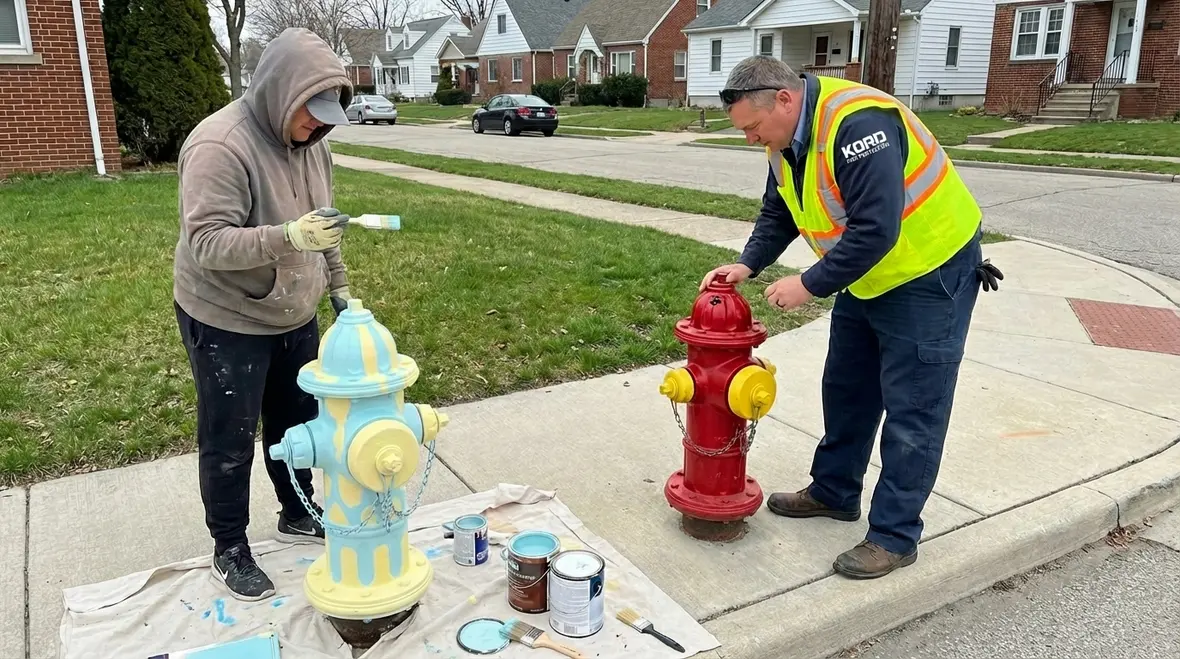
At some point, someone standing on a sidewalk has looked at a bright red hydrant and wondered, can you paint a fire hydrant? Maybe the color clashes with the storefront. Maybe a community group wants to add flair. Or perhaps a homeowner believes a fresh coat would make the neighborhood pop. It seems simple. Grab a brush. Add color. Step back and admire the masterpiece.
However, as Kord Fire Protection technicians often explain, fire hydrants are not lawn ornaments. They are life saving equipment. And while a splash of creativity can brighten a block, painting a hydrant without proper authority can lead to fines, legal trouble, or worse, delayed emergency response. So before anyone channels their inner Picasso, it helps to understand who actually holds the brush of authority.
Let us walk through the rules, the risks, and the reality behind hydrant painting, calmly and clearly.
Understanding Who Owns the Hydrant
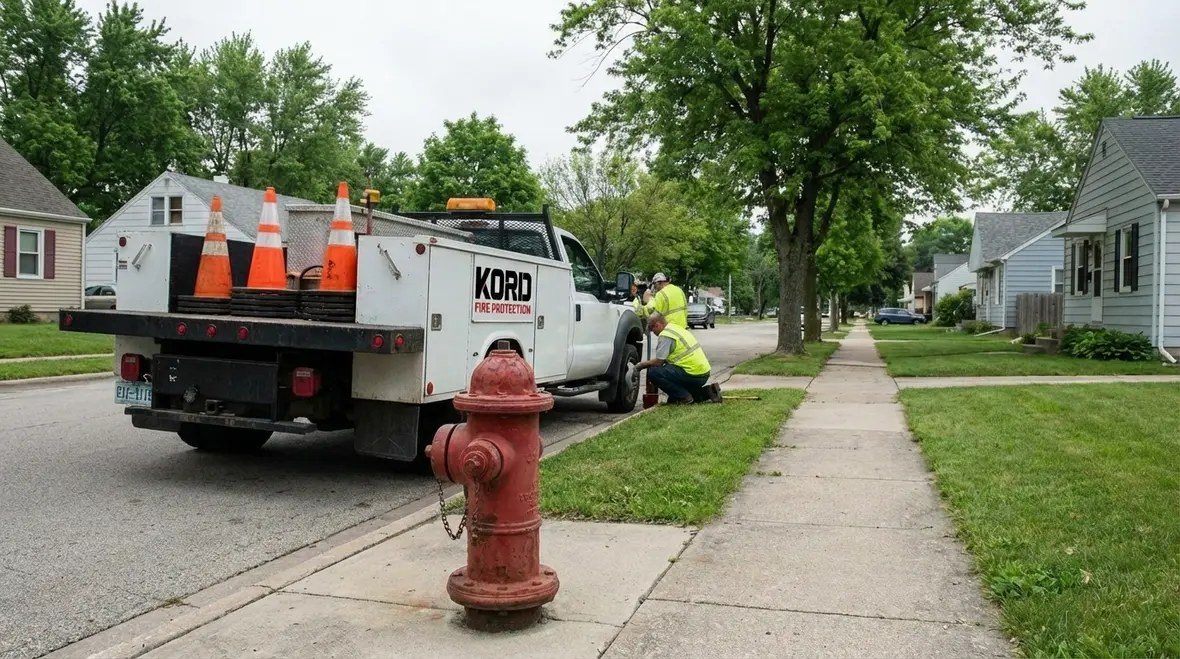
First, ownership matters. In most cities, the local municipality or water utility owns fire hydrants. Even when a hydrant sits on private property, it usually remains under public control. That means the city, water district, or fire department decides how it looks and how it functions.
Therefore, property owners cannot assume control just because the hydrant sits near their driveway. In fact, altering public infrastructure without permission can violate municipal codes. Kord Fire Protection technicians frequently remind property managers that hydrants connect directly to the public water system. As a result, any modification, including painting, may require formal approval.
Additionally, hydrants follow strict identification standards. Colors often indicate water flow capacity or connection type. Firefighters rely on these color codes during emergencies. So while a pastel blue hydrant might match the café across the street, it could also confuse a responding crew that expects specific color markings. For a deeper dive into what those colors mean, resources like Kord’s Fire Hydrant Colors Code guide explain how flow ratings and hues work together on the street.
Public infrastructure, public rules
In practical terms, that hydrant is closer to a traffic signal than a garden statue. It is part of a regulated life safety system, tied into standards like NFPA 291, which governs hydrant testing and marking in many communities. When in doubt, assume the hydrant is not yours to change and confirm with the authority having jurisdiction.
Can You Paint a Fire Hydrant?
Yes, but only under specific conditions and with proper authorization. That is the short answer. The longer answer carries more weight.
In many jurisdictions, painting a hydrant without written permission from the city or fire department is illegal. Some communities allow repainting only in approved colors. Others require licensed professionals to handle the work. Furthermore, certain areas permit artistic wraps or decorative painting as part of community art programs, but those projects must meet strict guidelines.
Kord Fire Protection technicians explain that the key issue is visibility and functionality. Firefighters must see the hydrant clearly from the street. They must also identify its flow rating quickly. Consequently, reflective paint, specific color caps, and unobstructed access remain mandatory.
So while the idea of customizing a hydrant might sound fun, the authority to do so rests firmly with local government. Think of it less like painting a mailbox and more like adjusting a traffic light. One is personal. The other keeps people safe.
The role of local codes and standards
Cities often align hydrant appearance with national guidance like NFPA 291, which ties color schemes to tested flow results. That way, hydrants “speak the same language” across a region, whether firefighters are responding in their home district or assisting under mutual aid.
Why Color Codes Matter More Than Style
Hydrant colors are not random. They serve as a quick visual guide for fire crews. For example, many areas use standardized cap colors to show how much water the hydrant can deliver per minute. Blue often indicates high flow. Green, orange, and red may signal decreasing capacity.
Therefore, if someone paints over those markings, firefighters may lose critical information. During a fire, seconds count. A crew does not have time to test every hydrant on the block. They rely on visual cues to choose the strongest water source immediately.
Kord Fire Protection technicians often compare hydrant color coding to hospital triage tags. It may look simple, yet it carries essential meaning. Moreover, improper paint can clog threads, cover caps, or interfere with valves. Even thick layers of paint can make connections harder to secure under pressure.
In addition, reflective properties matter. Hydrants must remain visible at night and in bad weather. So any repainting must maintain high visibility standards. A matte charcoal hydrant may look sleek in daylight, but at 2 a.m. in heavy rain, sleek becomes invisible. And invisible becomes dangerous.
If you want to see how those colors link directly to tested flow rates, the NFPA 291 Fire Hydrant Testing and Marking Guide and Fire Hydrant Colors Code article walk through common schemes step by step.
Style vs. safety: no contest
Ultimately, hydrant style trends will come and go. NFPA color coding exists to stay. When paint choices interfere with that language, the risk lands on firefighters and building occupants, not on the person with the brush.
What Happens If Someone Paints a Hydrant Without Permission
Although it may seem harmless, unauthorized painting can trigger real consequences. Municipalities can issue fines. In some cases, they may charge the responsible party for restoration costs. If the paint job interferes with emergency response, liability risks increase significantly.
Imagine a scenario where firefighters lose precious minutes scraping paint from threads or misreading a color coded cap. That delay could affect property damage or personal safety. Courts do not look kindly on avoidable interference with emergency equipment.
Furthermore, local codes often treat hydrants as critical infrastructure. Tampering, even with good intentions, may fall under broader public safety regulations. Kord Fire Protection technicians stress that well meaning actions can still carry legal weight. After all, good intentions do not extinguish flames.
So before anyone asks again, can you paint a fire hydrant, the wiser question becomes this: do you have documented approval from the authority that owns it?
Documented approval is your safety net
Keeping emails, permits, or written authorizations on file may not feel glamorous, but when questions arise, that paperwork shows you followed the right path instead of taking a DIY shortcut with public infrastructure.
How Cities Approve Decorative Hydrant Projects
Interestingly, some communities encourage artistic hydrant painting as part of revitalization programs. However, they follow clear processes.
Typically, the city announces a public art initiative. Artists submit designs for approval. Officials review visibility, color compliance, and safety standards. Moreover, the fire department confirms that key identifiers remain intact.
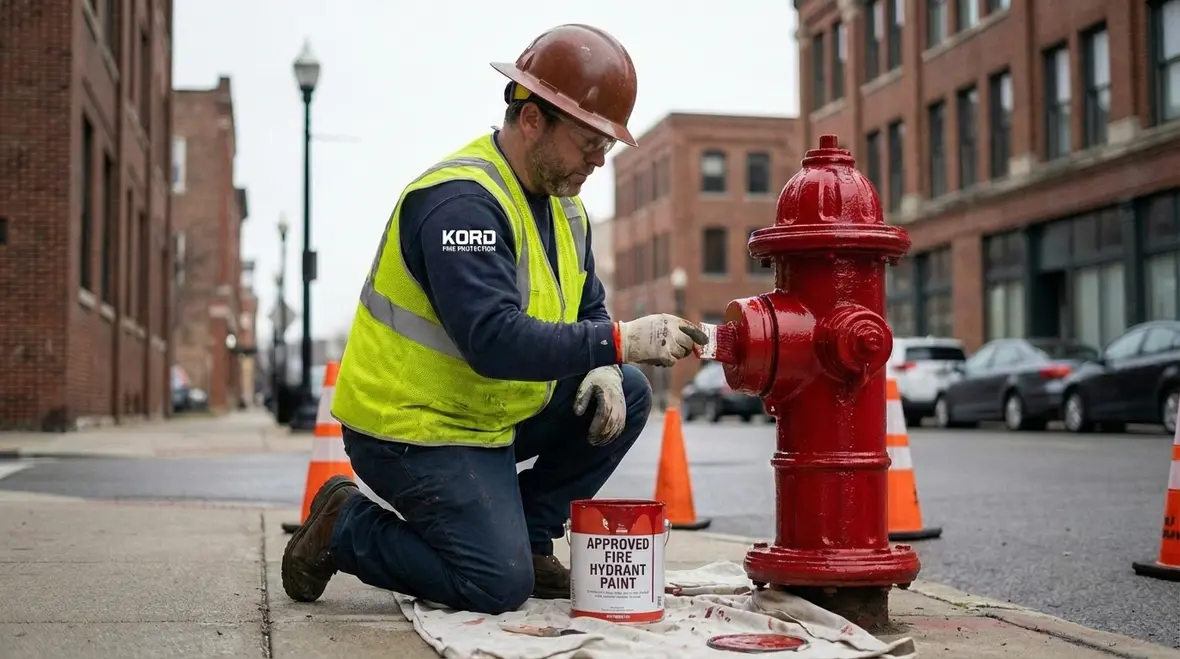
Once approved, professionals often prepare the hydrant properly. They use suitable primers and paints that resist corrosion without affecting mechanical parts. In many cases, they mask caps and outlets to preserve color coding.
Unauthorized Painting
- Done without city approval
- May cover color codes
- Uses unknown materials
- Risk of fines or liability
- Possible obstruction of fittings
Authorized Community Project
- Approved by municipality or fire department
- Preserves required color markings
- Uses approved, durable coatings
- Fully compliant with local codes
- Proper masking of threads and caps
As shown, the difference lies not in creativity but in control and compliance. Kord Fire Protection technicians often assist municipalities in ensuring hydrants remain functional even when part of public art efforts.
How to Request Permission to Repaint a Hydrant
If a property owner or community group believes a hydrant needs repainting, the proper path is straightforward.
- Contact the local water authority or public works department to confirm ownership.
- Request written guidelines for repainting, including color charts, acceptable coatings, and application methods.
- Loop in fire safety professionals early. Kord Fire Protection technicians frequently consult on such requests and can flag maintenance issues that paint alone will not fix.
- Schedule work during appropriate weather and after a thorough inspection so corrosion or mechanical wear are addressed, not just covered up.
- Keep all approvals and communications on file for future reference.
Additionally, it helps to involve fire safety professionals early. Kord Fire Protection technicians frequently consult on such requests. They evaluate whether the hydrant requires maintenance rather than cosmetic changes. Sometimes, what appears to be fading paint signals corrosion or mechanical wear.
Moreover, any repainting should occur during appropriate weather conditions and after inspection. Proper surface preparation prevents rust and extends service life. So while it may sound like a weekend project, it usually requires coordinated oversight.
After approval, documentation should remain on file. That way, if questions arise later, the responsible party can show compliance. In public safety matters, paperwork often speaks louder than good intentions.
The Safety Role of Maintenance Versus Makeover
There is an important distinction between maintenance and decoration. Municipal crews routinely repaint hydrants to prevent corrosion and maintain visibility. This work follows strict schedules and standards.
However, cosmetic makeovers fall into a different category. While maintenance supports safety, decorative changes require additional review. Kord Fire Protection technicians emphasize that hydrants must operate smoothly under extreme pressure. Even small alterations can affect performance.
Furthermore, hydrants require clear space around them. Landscaping, parked vehicles, or decorative barriers can create obstructions. Painting alone does not cause access issues, yet it often accompanies other aesthetic changes. Therefore, safety professionals evaluate the entire area.
Think of a hydrant like a superhero in disguise. It stands quietly on the curb, unnoticed most days. Yet when called upon, it must perform flawlessly. No one wants their superhero slowed down by thick paint on the cape.
Partnering with a professional hydrant team
Regular inspection, testing, and maintenance keep hydrants ready for the moment they are needed. Kord Fire Protection’s dedicated hydrant services as part of local fire protection programs help ensure that paint, parts, and performance all meet code and real world demands.
Frequently Asked Questions
Conclusion: Safety First, Paint Second
In the end, fire hydrants serve one purpose above all else: protecting lives and property. While creativity has its place, authority and safety must lead the way. Before anyone picks up a brush, they should consult the proper officials and experienced professionals like Kord Fire Protection technicians.
Hydrant color codes, testing standards, and maintenance routines exist for a reason. They give firefighters reliable information and dependable water when it matters most. A well intentioned paint job that hides that information can quietly raise the stakes long before smoke appears on the horizon.
For guidance on hydrant compliance, inspections, or fire protection standards, reach out to a qualified team that understands both the art and the science of safety. Kord Fire Protection provides full-spectrum support, including dedicated hydrant services as part of local fire protection programs, so your systems stay code compliant and ready for the next emergency.
When you are tempted to ask, “Can I paint this hydrant?” pause and ask a better question: “Who is responsible for this hydrant, and how can we keep it as effective as possible?” Start there, and every color decision that follows will support safety instead of risking it.
Know Your Weapon Before You Fight the Flame
Kord Fire Protection is your go-to when it comes to all things fire protection. For over 20 years, we’ve been serving Southern California with the quality service and equipment to keep your home or business safe at all times. Our competitive prices reflect our unwavering commitment to protecting what matters most in the event of a fire emergency. Give us a call, send an email, or use that form!

Join Our Newsletter!
Get the latest fire safety tips delivered straight to your inbox From our Newsletter.


