Commercial Fire Alarm Systems and Early Threat Detection
The Watchers in the Walls: How Commercial Fire Alarm Systems Detect Early Threats
Picture this: You’re sipping your second coffee on a crisp Tuesday morning. Business operations are running smoother than a jazz melody at midnight. Suddenly, a fire breaks out. Without any warning system in place, you might as well cue the Titanic theme song. The stakes? Property damage, safety risks, financial losses and a whole lot of awkward HR conversations. That’s where commercial fire alarm early detection waltzes in, wearing a superhero cape invisible to the naked eye.
These systems are built not just to sound the alarm when chaos strikes but to detect the threat before it can ruin everyone’s day. Like a seasoned detective from a noir film, they sense trouble before it starts. And unlike your nosey neighbor claiming they “just had a feeling,” these systems have data, sensors and years of tested engineering to back their instincts. So let’s walk through the halls of fire protection tech and uncover what makes modern fire alarm systems not just smart, but practically clairvoyant.
Silent Guardians: The Layers of Early Detection
Early detection in commercial fire alarm systems is no lucky guess. These aren’t just flashy red boxes waiting to be pulled in a panic. Commercial fire alarm systems operate through a layered detection approach that would make a seasoned spy jealous.
Key Detection Technologies Working Behind The Scenes
- Smoke Detectors: The basic yet essential. From ionization detectors that sniff out invisible particles, to photoelectric ones that catch larger smoke clouds — they act like nightclub bouncers, catching trouble at the door.
- Heat Sensors: These pick up rising temperatures faster than someone noticing a Beyoncé ticket drop. Fixed temperature sensors trip the alarm at a specific heat level while rate-of-rise detectors act when the temperature climbs too fast too soon.
- Air Sampling Detectors: The overachievers of the group. They actively sample air continuously and detect fires before visible smoke forms. Think Sherlock Holmes with a nose for combustion.
These devices do not work alone. They cross-check, verify and interact with control panels to ensure minimal false alarms. This way, your alarm doesn’t get triggered every time someone burns toast in the employee lounge.
Control Panels: The Brains Behind the Beeps
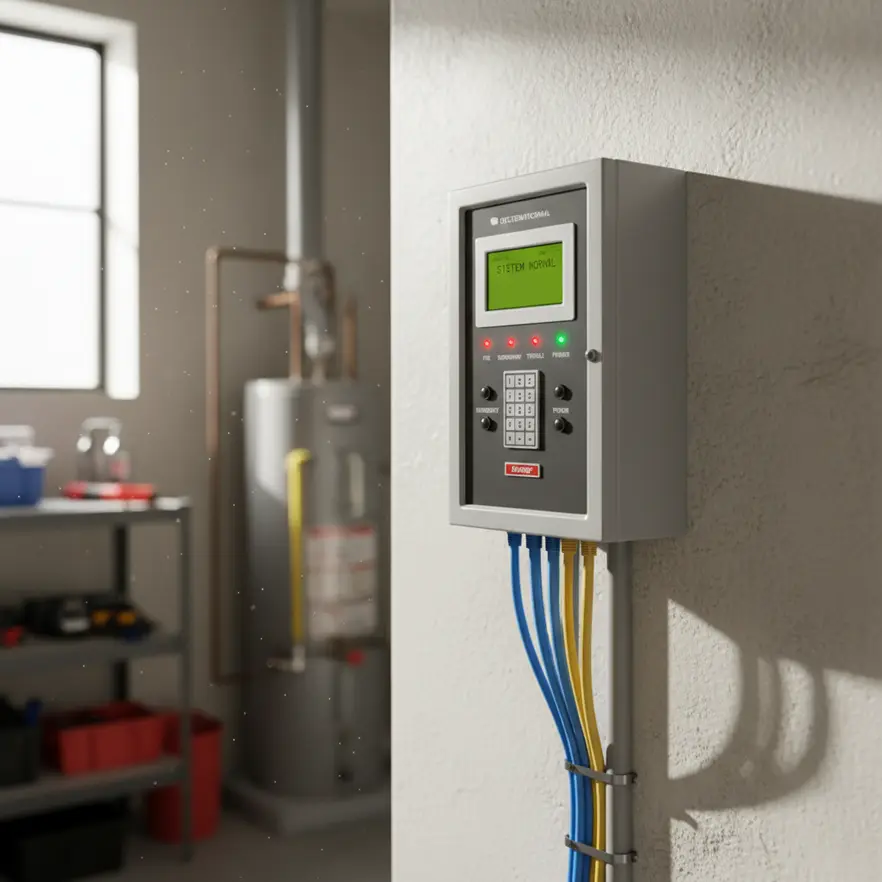
Imagine the control panel as the Dumbledore of your fire system — wise, experienced and always the first to know something’s up. It’s a central hub that receives data from detection devices, evaluates the threat, and signals alerts.
But it’s not just about knowing there’s smoke. Modern panels analyze patterns to differentiate between something innocuous and something eruptive. Let’s face it, no one wants a full evacuation drill over a microwaved burrito. These systems are built to process input intelligently, reducing panic while increasing effectiveness.
Smart Connectivity And Remote Oversight
With network capability, many panels now offer remote monitoring and integration with building management systems. Technicians can diagnose, reset and even maintain systems from a distance — because sometimes you want fire safety without leaving your desk or your Netflix binge.

Using Smart Detection to Predict the Unpredictable
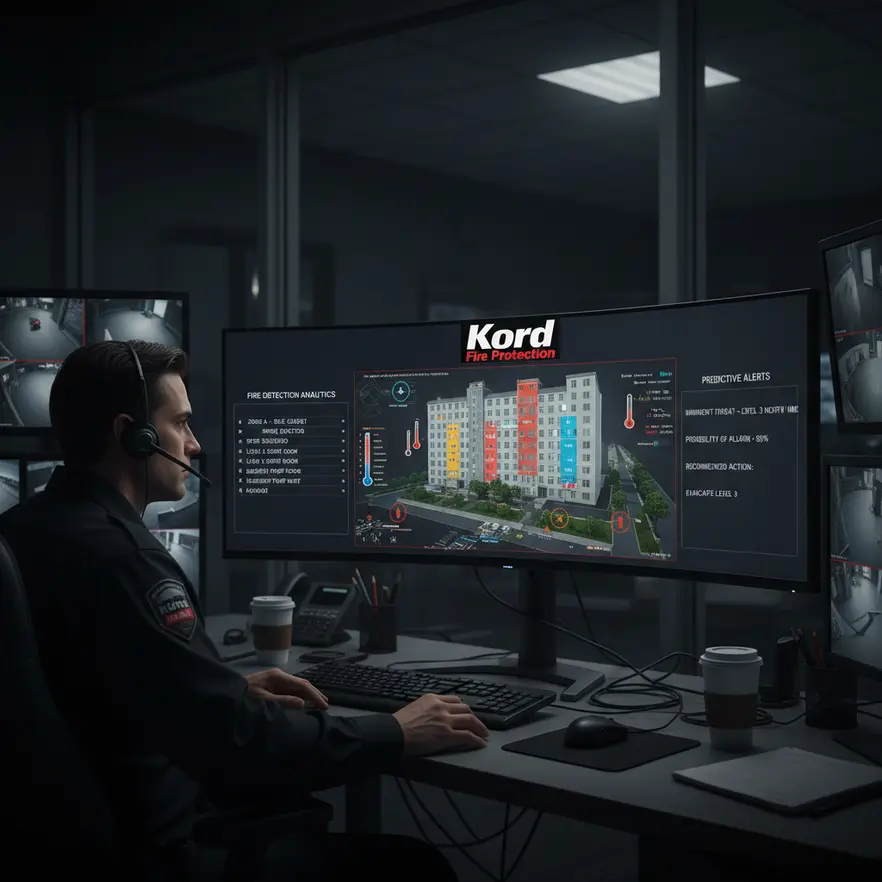
This is where things go full Tony Stark. Artificial intelligence and machine learning have stepped into the world of early fire detection. Many modern commercial fire alarm systems use predictive analytics that recognize not just the signs of fire, but the environments where fire is most likely to occur.
This involves learning from data like humidity levels, temperature fluctuations and occupancy patterns. For example, if a certain part of a facility regularly shows elevated heat signatures during equipment calibration, the system adjusts and doesn’t ring the alarm every Thursday at 3 PM.
Smarter Alerts, Fewer False Starts
Over time, this promotes smarter alerts and fewer interruptions. No crying wolf means when that alarm sounds, people pay attention. Bonus? Buildings equipped with smart alarms often see better insurance ratings. That’s right — even your fire alarm wants to help with your overhead costs.
Reducing Human Error Without Replacing Human Judgment
Fires often escalate due to slow human response. People freeze, misjudge the threat or assume someone else will act. Commercial early detection systems are designed with this psychological factor in mind, removing the need for manual decisions in the crucial early seconds of a fire.
Pre-evacuation alerts with visual strobes and voice commands help guide people clearly. Firefighter phone ports, zone-specific notifications, and integration with security access systems ensure safety without needing Superman-level vigilance from staff.
But make no mistake — these systems don’t replace people. They support them. They give facility managers time to make informed decisions instead of screaming “RUN!” while throwing wet paper towels.
Dual Threat Detection: Smoke Meets Heat
Why settle for a one-trick pony when you can have the duo of smoke and heat detection acting together? Let’s break it down:
Side-By-Side Comparison Of Detection Types
| Detection Type | Strength | When It Shines |
|---|---|---|
| Photoelectric Smoke Detection | Detects particles from smoldering fires | Offices, hotels, areas with soft furnishing |
| Ionization Smoke Detection | Better at flaming, fast-starting fires | Kitchens, mechanical rooms, environments with flammable materials |
| Heat Sensors | Resistant to false alarms | Garages, boiler rooms, dusty areas |
| Multisensor Detection | Combines smoke & heat sensing | Large commercial complexes, factories |
Multisensor units are now the rising stars, blending both sensors into one device like peanut butter and jelly — together they just make sense. That’s the beauty of building hybrid systems that look at more than one sign of danger.
How Placement Plays The Role of MVP
All the top-tier tech in the world means squat if your alarms are stuck in poor locations. Think of it like hiding Wi-Fi routers in the basement. Placement is everything.
Strategically located devices near fire-prone zones — kitchens, break rooms, server areas and utility closets — work as the first defense. Meanwhile, ceiling-mounted detectors in open workspaces offer monitoring without getting in the way.
Designing Coverage Without Dead Zones
Ceiling height, airflow direction and HVAC systems also influence alarm placement. Properly placed sensors minimize dead zones, the areas where smoke may never reach the detector. That’s a dangerous game of hide and seek no one wants to play.
The Role of Notifications and Communication
Once a threat is detected, what happens next can make or break response time. Commercial fire alarm systems now employ a blend of loud alerts, flashing lights and pre-recorded messages that direct people to safety.
Some go a step further and send automated alerts to on-site security, local fire departments or even your smartphone. If your building has multiple zones — say, one side’s a retail space while another stores hazardous materials — systems can activate notifications specific to each zone. No one-size-fits-all screech. Just smart, focused evacuation strategy.
Remember the old school fire bells from the 90s? They’ve gone the way of floppy disks. Today, systems talk in human voices. So instead of “BRRRIIINNNGGG,” you get “Attention: Evacuate the east wing immediately.” Add background music, and you’ve got an oddly stressful Spotify playlist.
Commercial Fire Alarm Early Detection Promotes Long-Term Stability
Between regulatory requirements, rising liability cases, and the cost of insurance, having a fine-tuned alarm system is not optional anymore — it’s essential. But more than being a requirement, early detection systems are your first defense in protecting time, resources and everything you’ve built.
Downtime due to fire incidents leads to delayed deliveries, unhappy clients and potentially a business reputation burnt to ash. Commercial fire alarm early detection stops that disruption from gaining momentum. Think of it as having a loyal watchdog, trained to growl the moment something’s off — but far more polite and far less hairy.
Maintenance: The Gym Membership Your System Actually Uses
Routine inspections and system upgrades extend the life of these systems. Just like hitting the gym keeps you out of the hospital, a maintained alarm system keeps your facility out of trouble.
Answers for the Curious
Conclusion
Fire doesn’t wait for a cue. Neither should your protection plan. Investing in commercial fire alarm early detection means choosing foresight over fear, prevention over panic. Whether it’s a sprawling office space or a single-floor shop, these systems watch over everything like a calm sentinel with impressive timing.
Ready to update your fire detection game? Talk to a certified expert today and make sure your facility is more secure than ever before.

Join Our Newsletter!
Get the latest fire safety tips delivered straight to your inbox From our Newsletter.