NFPA 1 Section 16.6 Asbestos Removal Fire Safety
Quick Answer: NFPA 1 Section 16.6 sets the fire safety ground rules for asbestos removal work. It helps crews control ignition sources, protect exits, manage hot work, and keep the site safe while asbestos comes out. When the job gets messy, Kord Fire Protection can help keep compliance steady and risk low.
In industrial, retail, and commercial sites, asbestos removal fire safety is not just a box to tick. It sits at the point where demolition risk, worker safety, and business continuity all meet. Abatement fire protection NFPA guidance gives teams a clear path, while the asbestos abatement fire code helps reduce the kind of fire danger that can turn a controlled project into a very expensive headline. And yes, that sort of headline is usually followed by a very long meeting where nobody enjoys the coffee.
Before the containment goes up and the first section is disturbed, it helps to have a partner who understands how protection systems behave under pressure. Kord Fire Protection offers full fire protection services that fit naturally into complex commercial work, especially when a site needs inspections, coordination, monitoring, and system readiness without losing the plot halfway through the project.
What NFPA 1 Section 16.6 means on site
NFPA 1 Section 16.6 focuses on fire safety during asbestos work, especially where removal, cutting, sealing, or handling can expose a site to heat, sparks, or dust issues. In simple terms, the standard asks the team to control fire risk before the first panel comes off. That matters because asbestos jobs often happen in older buildings, plant rooms, service corridors, warehouses, and retrofits where fire systems may already be under pressure.
For this reason, the rule is not just about the asbestos itself. It also covers site setup, ignition control, emergency access, and the protection of nearby systems. Moreover, when work happens in a live commercial space, the fire plan must fit around tenants, staff, stock, and operations. That mix can get complicated fast, which is why a careful fire strategy matters from day one.
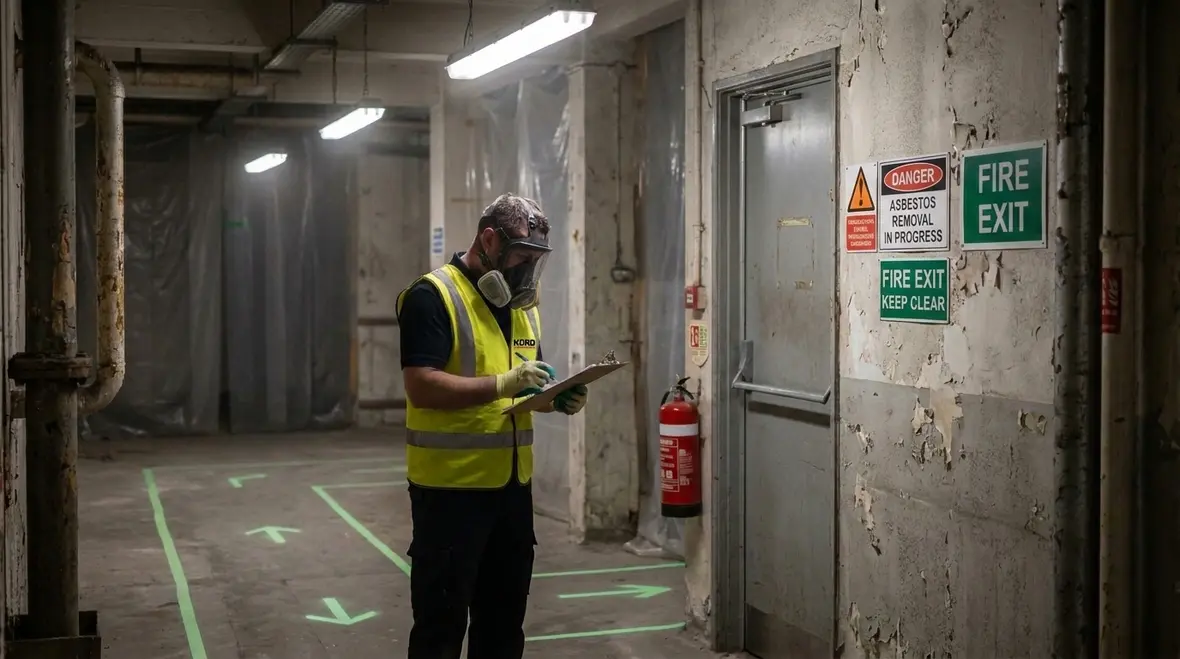
How asbestos removal fire safety works in practice
Good asbestos removal fire safety starts with planning. First, the team identifies hot work risks, electrical hazards, temporary power, and any live fire systems that may need isolation or monitoring. Then, the team sets rules for smoking, cutting, welding, grinding, and waste control. If sparks can fly, they must have a reason to exist. If they do not, they should leave the building quietly.
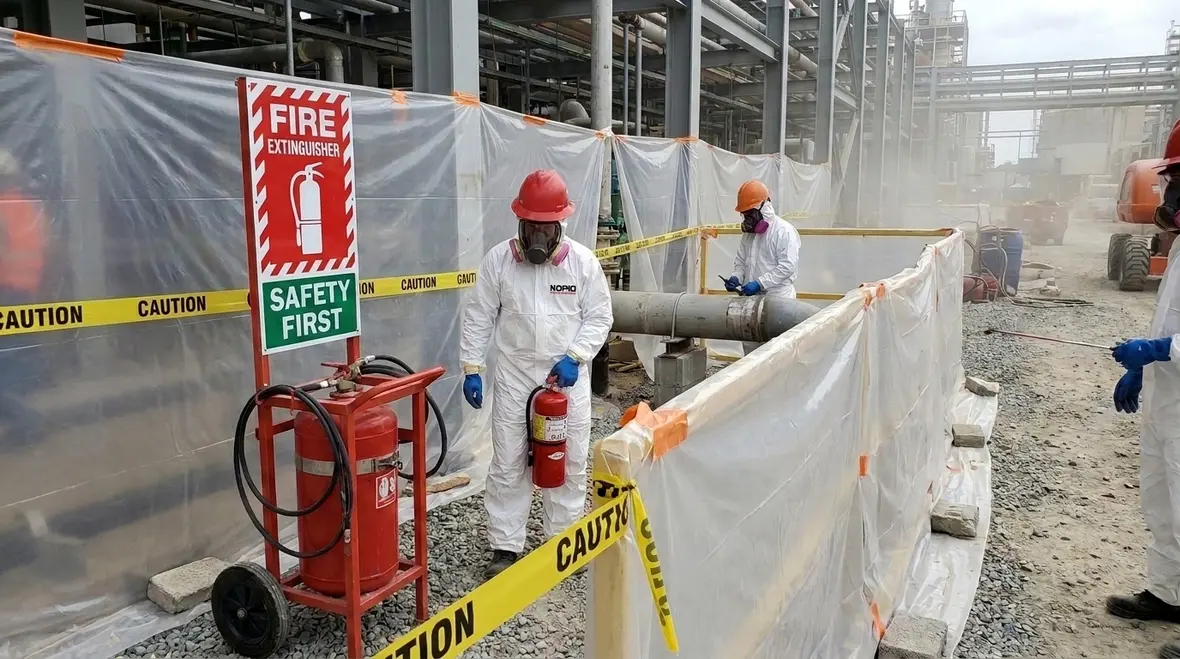
Next, crews need clear escape routes, fire extinguishers, and communication steps for emergencies. In addition, the site should have a method for watching changing conditions, because removal work often shifts the layout as the job moves forward. Therefore, the fire plan should stay active, not sit in a folder like a forgotten movie sequel nobody asked for.
Key controls that keep the job from going sideways
- hot work permits and supervision
- temporary isolation of fire systems when approved
- removal of combustible waste and clutter
- clear signage and access to exits
- fire extinguishers placed where crews can reach them fast
- inspection of adjacent areas for heat or spark exposure
That list looks simple on paper, but it becomes far more important once walls open up, dust barriers shift, and multiple trades begin sharing the same breathing room. A good fire plan creates order in that chaos. It keeps the work zone readable, keeps response steps practical, and stops small oversights from becoming the sort of problem people discuss in very serious tones beside a flashing panel.
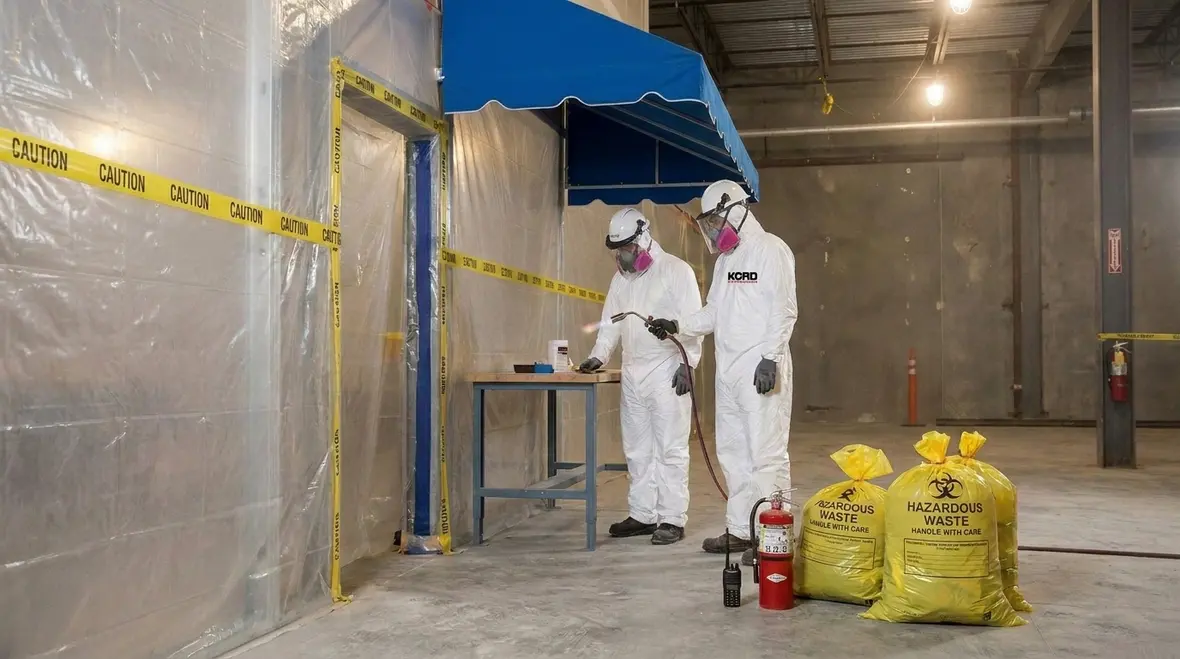
Where the abatement fire protection NFPA approach adds value
The abatement fire protection NFPA approach helps teams see the project as a whole. It is not only about one task or one room. Instead, it looks at the full site picture, including smoke movement, fire alarm impact, temporary barriers, and the effect on other building services. That wider view matters in shopping centres, distribution hubs, healthcare facilities, office towers, and industrial plants where one mistake can spread beyond the work zone.
For example, if a contractor isolates fire alarms without a proper plan, the building can lose protection in areas that still operate. On the other hand, if alarms stay active without coordination, false activations can disrupt business and confuse response teams. Therefore, the best approach balances safety and continuity. It protects people while also avoiding unnecessary downtime.
| Risk Area | What Good Control Looks Like |
|---|---|
| Ignition sources | Hot work controls, supervision, and safe equipment use |
| Fire alarms | Planned isolation, monitoring, and reinstatement |
| Combustible waste | Fast removal, secure bins, and clean work zones |
| Evacuation access | Open paths, clear signage, and tested response steps |
This whole-project mindset also lines up neatly with the broader way Kord describes fire readiness in its article on the full lifecycle of fire protection. That is useful here because asbestos work rarely affects only one moment in time. It touches inspection status, temporary impairment, active monitoring, restoration, and the return to normal service once the dust literally settles.
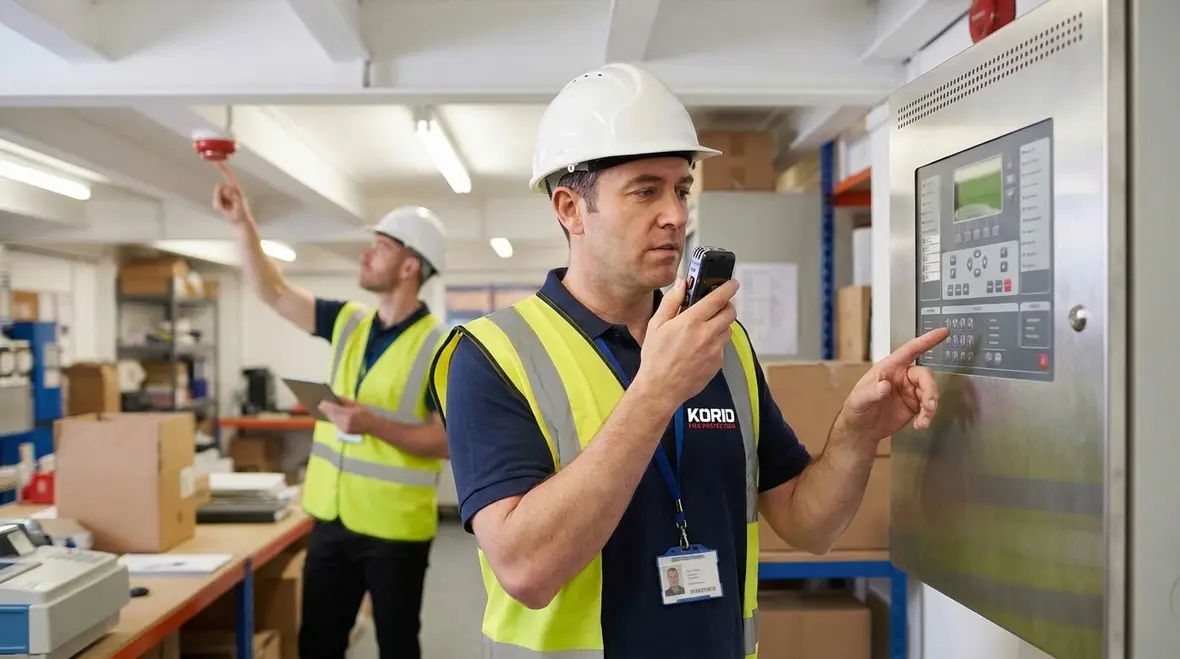
Why Kord Fire Protection matters on asbestos jobs
Kord Fire Protection can become a vital partner because asbestos removal work depends on coordination. The fire team must align protection systems, compliance checks, and site changes so the project keeps moving without creating hidden risk. That support becomes valuable in live facilities where fire safety cannot pause just because a wall is coming down.
In practice, Kord Fire Protection can help with system assessments, temporary fire protection planning, alarm coordination, and reinstatement after the work ends. Moreover, the team can support the contractor and facility manager with clear fire procedures that suit the site, not just the paperwork. That is important, because paperwork alone does not stop a spark. It just looks impressive while the spark ignores it.
For industrial and commercial operators, this kind of support brings three big gains: stronger compliance, lower disruption, and better confidence that the site remains protected during every stage of removal. It also creates a cleaner handoff between contractors, building teams, and anyone responsible for restoring normal protection after barriers come down and access points reopen.
What facility managers should ask before work starts
Facility managers should ask direct questions before asbestos work begins. First, they should confirm who owns the fire plan. Then, they should ask how alarms, extinguishers, exits, and emergency contacts will stay active during the project. In addition, they should check how the contractor will manage waste, temporary barriers, and after hours work.
They should also ask whether the fire strategy covers nearby tenants or production areas. In a busy site, one work zone can affect half the building faster than a coffee run can fix a Monday morning. Therefore, the review should include adjacent rooms, ceiling spaces, plant rooms, and service routes.
Useful questions for the pre-start conversation
- Who approves fire system changes?
- What happens if hot work is needed?
- How are exits kept open?
- Who checks the site after each shift?
- How fast can fire protection be restored?
Those questions do more than fill a meeting agenda. They expose assumptions early, which is exactly when assumptions are cheapest to fix. If the answers sound vague, delayed, or suspiciously optimistic, it is time to push deeper before the work begins. Fire safety is one of those areas where confidence is useful, but evidence is better.
How compliance reduces downtime and cost
Strong compliance does more than satisfy a standard. It also protects business flow. When the asbestos abatement fire code is followed well, the job team avoids delays from fire incidents, false alarms, unsafe conditions, and rework. As a result, the project runs smoother, and the building can return to normal sooner.
This matters in commercial sites that operate on tight schedules and shared services. A clean fire plan helps protect stock, staff, equipment, and deadlines. It also gives decision makers better control when regulators, insurers, or auditors review the site. In short, the right fire controls cost far less than the wrong kind of surprise.
Teams that want a broader code context can also review Kord Fire Protection’s guide to NFPA 1 fire prevention and safety. It makes a useful companion resource because it frames site obligations within the larger purpose of prevention, readiness, and practical control, which is exactly the mindset asbestos projects need.
FAQ
Final word
Asbestos removal work should never run blind. Kord Fire Protection can help facility teams and contractors keep fire risk under control, stay aligned with NFPA guidance, and protect operations from start to finish.
For commercial and industrial sites, that kind of support is not a luxury. It is smart business. When the plan is clear, the systems are coordinated, and the risks are managed in real time, the project has a far better chance of ending with compliance intact and nobody forced into one of those miserable coffee meetings.

Join Our Newsletter!
Get the latest fire safety tips delivered straight to your inbox From our Newsletter.