Enhancing Fire Protection System Reliability in High-Occupancy Buildings
Enhancing fire protection system reliability in high-occupancy buildings is not a “set it and forget it” task. It is an ongoing effort to keep life safety systems dependable when people are moving, alarms are ringing, and every second matters. In high-occupancy spaces, even a small fault can turn into a big problem, because more people means more variables. Therefore, building owners and facility teams need a practical approach that strengthens performance, reduces false alarms, and keeps critical components ready. And yes, Kord fire protection technicians can explain the process in plain language, which is good, because fire codes do not exactly read like bedtime stories.
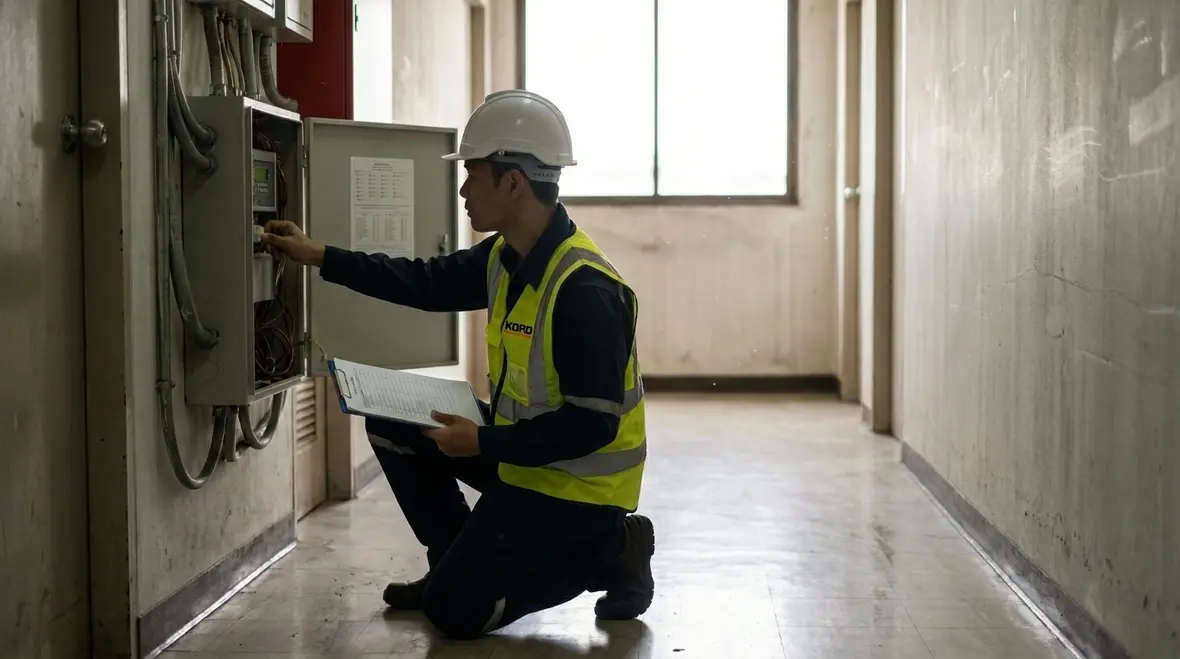
What makes reliability harder in high-occupancy buildings?
High-occupancy buildings include offices with dense floor plans, schools with shifting schedules, hospitals with constant movement, and large event venues where crowds surge. As a result, fire safety systems face conditions that change all day. Loads vary. Doors hold positions differently. HVAC cycles can affect smoke movement. People add wear and tear through everyday use. Even well planned systems can struggle if they rely on assumptions that do not match reality.
Additionally, high-traffic areas invite tampering, accidental damage, and equipment drift. For example, a minor valve change or a loose device connection might stay hidden until a real emergency. Consequently, the goal becomes steady reliability, not occasional performance. Kord fire protection technicians often point out that reliability is built through habits, documentation, and verification. In other words, it is not magic, it is maintenance done with discipline.
That is why strong reliability programs do not begin with panic, they begin with observation. Teams study how the building actually behaves during busy hours, after-hours, seasonal occupancy swings, and maintenance periods. In a high-occupancy environment, the system is not protecting a static diagram. It is protecting a living, moving building where conditions change by the hour.
Small issues grow faster when more people are involved
A sticky door, a painted sprinkler head, a blocked horn strobe, or a dusty detector may look minor on paper. In a crowded building, though, those small failures stack up quickly. More occupants mean more evacuation complexity, more mobility needs, more communication demands, and less room for confusion. Reliability matters because systems must work clearly and consistently under pressure, not because the panel happens to look calm on a Tuesday afternoon.
Design for real use, not just code compliance
Design teams lay the foundation, but reliability depends on how the system performs under real building behavior. First, engineers should match coverage to actual occupancy patterns and ceiling heights. Then, they must account for airflow, duct placement, and partial obstructions. A smoke detector placed near airflow turbulence can act like it is trying to win a comedy award for “most dramatic false alarm.” It does not help anyone.
Next, the system layout should support easy testing and inspection. When devices are hidden in hard to reach spaces, teams often delay checks. Therefore, reliability suffers slowly, like a phone battery that “still works” until it does not. Proper zoning and clear labeling also help. When staff can find and understand devices fast, response improves, and confusion drops.
In practice, Kord fire protection technicians explain design intent during commissioning and then repeat the key points during routine service. That way, the building does not end up with a system that technically exists but never truly operates as planned.
This is also where thoughtful interconnection matters. Fire alarms, sprinkler monitoring, smoke control interfaces, elevator recall, and notification appliances all depend on clean logic and dependable sequencing. If one piece is designed in isolation and another gets modified later without review, reliability starts to fray at the edges. That is not dramatic language. It is just how buildings quietly get weird over time.
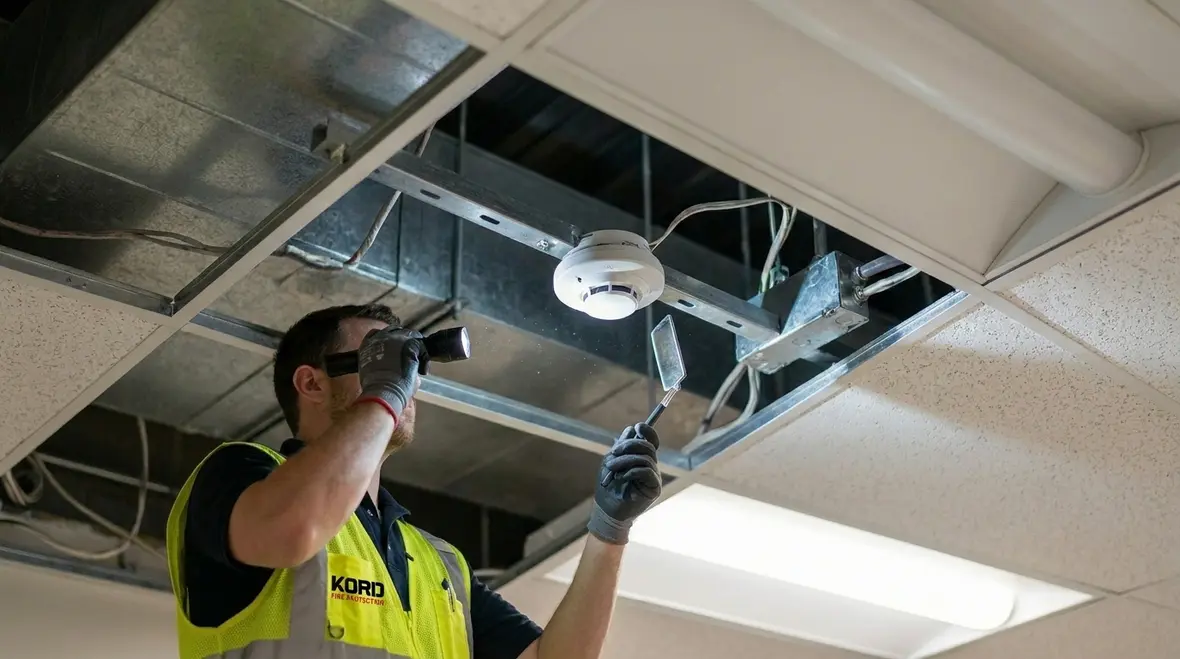
Critical component reliability: what gets checked first
Fire protection system reliability depends on components that must work every time. Technicians typically prioritize the life safety chain: detection, alarm signaling, water supply, and control interfaces. This does not mean ignoring other parts. However, these critical elements require the most strict focus.
For detection, teams verify sensors, power levels, and sensitivity settings. For alarm signaling, they test audibility and visible notification across the building, not just in one hallway. For sprinkler and standpipe systems, they confirm valve supervision, pressure readings, and water flow readiness. For fire pumps and related controls, they check status readings, starting behavior, and transfer logic.
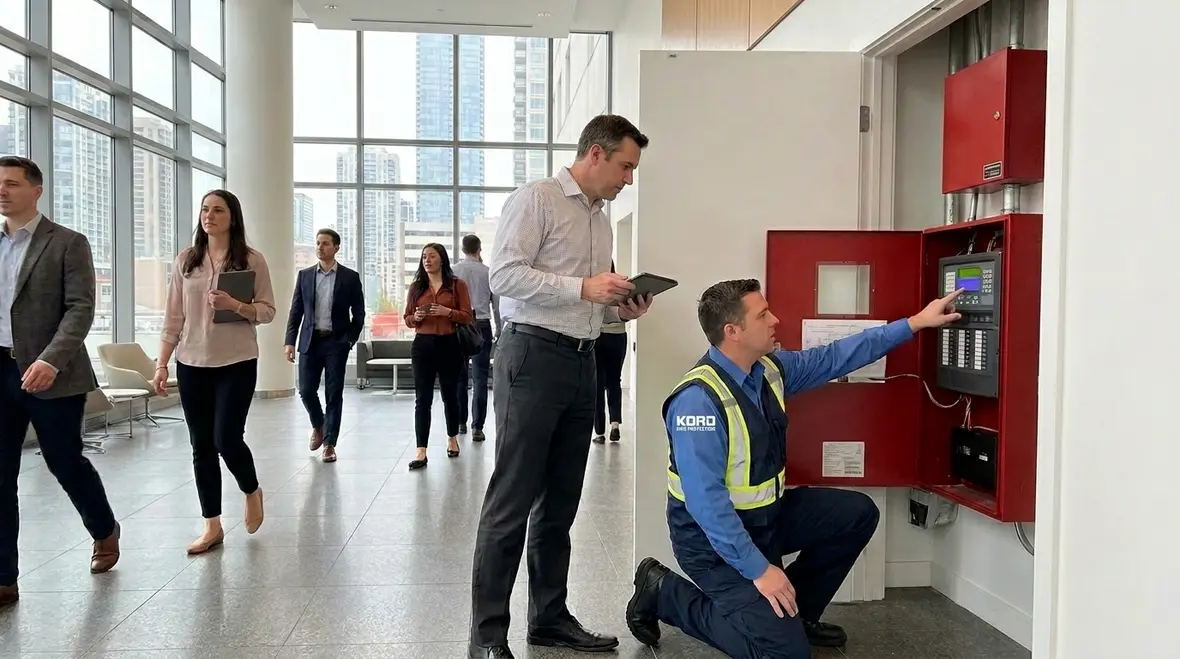
Also, control panels need clean communication and stable programming. A single misconfigured input can create a cascade of trouble. Therefore, technicians confirm software records, maintenance history, and service settings. Kord fire protection technicians emphasize that reliability improves when each check links back to a known standard and a documented baseline.
The life safety chain only works as a chain
It helps to think about the system as a chain instead of a collection of gadgets. Detection must identify the event. The panel must process it correctly. Notification must reach occupants. Water based systems must have supply and supervision. Interfaces must trigger supporting responses without delay. If one link is weak, the rest of the chain does not become magically stronger out of sympathy.
How testing and inspection reduce failures before they happen
Testing and inspection provide the early warning system. When teams only test after problems appear, they spend money on surprises. In contrast, scheduled testing builds a reliability trend. Over time, technicians can spot drift in device response, changes in airflow that affect smoke patterns, or recurring troubles on specific floors.
Moreover, high-occupancy buildings need practical testing windows that do not disrupt operations. Teams can often coordinate testing with building schedules, use temporary measures, and sequence work to keep risk low. They also document results clearly so that facility staff and contractors can compare future readings.
False alarms waste time and erode trust. Therefore, inspection should include troubleshooting root causes, not just resetting the panel. If a device keeps triggering because of steam, cooking vapor, or dust, the fix might require placement changes, cleaning, or detection method updates.
And yes, facilities sometimes treat alarms like that one coworker who shows up late but insists everything is fine. Testing makes sure the “late arrival” does not become a pattern.
For readers who want a broader look at recurring service cycles, Kord also breaks down the full lifecycle of fire protection servicing. It is a useful companion for understanding why inspection, testing, maintenance, and eventual upgrades all work together rather than as isolated tasks.
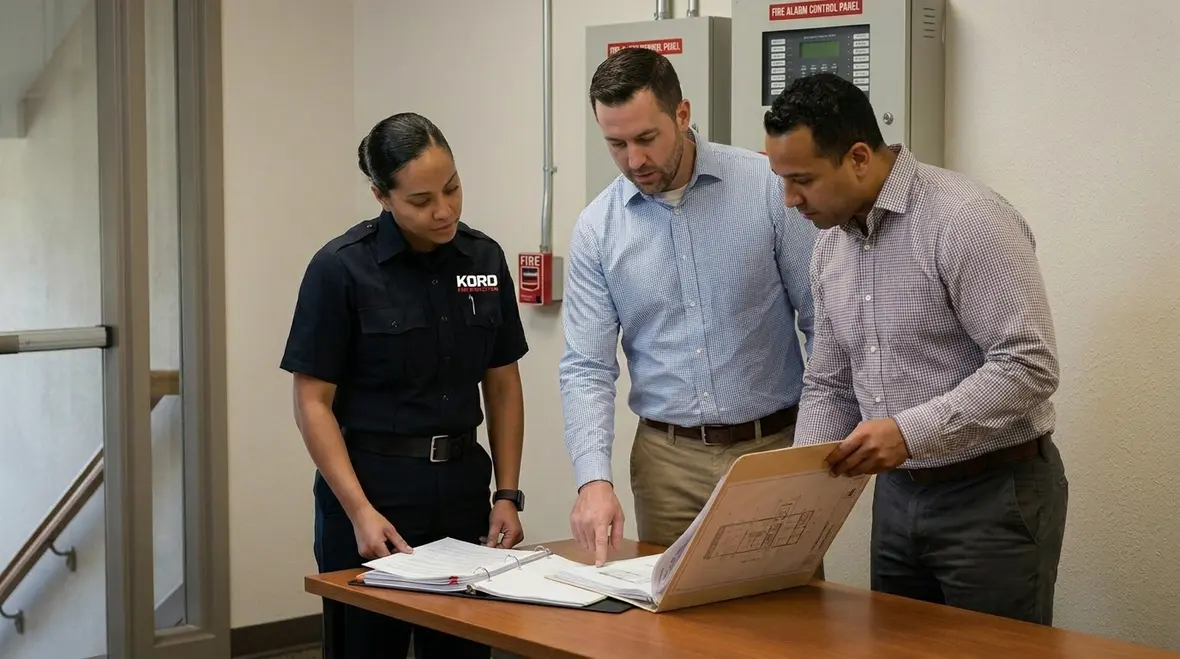
Maintenance plans that protect uptime and life safety
Maintenance should match the building’s risk level and usage. For high-occupancy sites, a solid plan covers device condition, system performance, and staff readiness. Teams should follow manufacturer guidance and local code requirements, then add their building specific lessons learned.
First, they set clear intervals for preventive tasks. Then, they assign responsibilities so inspections do not fall through the cracks when schedules get busy. Third, they maintain spare parts and quick access to replacement components. When a part fails, the time between failure and repair affects reliability.
Also, coordination matters. Fire alarm work, sprinkler inspections, and security system changes can overlap. If teams work in silos, one contractor might adjust a control interface without telling the other. Consequently, the system can become inconsistent. Kord fire protection technicians often stress communication during change management. When updates are tracked and verified, reliability stays strong even as the building evolves.
A maintenance calendar beats a maintenance scramble
The healthiest systems usually belong to buildings that calendar their work instead of chasing emergencies. A predictable inspection and testing cadence creates fewer surprises, better vendor coordination, and clearer budgeting. It also makes audit preparation less stressful, which is nice, because nobody has ever said, “I wish this inspection week felt more chaotic.”
For sprinkler specific upkeep, building teams can also review Kord’s overview of wet sprinkler system inspection to better understand how routine checks support readiness instead of simply satisfying paperwork.
Response readiness: training, documentation, and coordination
Reliability is not only hardware. It also includes how people respond. High-occupancy buildings need staff training on alarm actions, evacuation flow, and clear roles during incidents. That training should align with how the system actually signals and where panels and controls are located.
Additionally, documentation needs to be accessible. Facility leaders should keep the current riser diagrams, device maps, system descriptions, and test records on hand. If a contractor or fire marshal asks for information, the building should not scramble like someone searching for car keys during rush hour.
Furthermore, coordination with local fire authorities supports smoother inspections and clearer expectations. Walkthroughs and pre plan reviews help teams understand how responders will interact with the system, especially for water supply and control points. Kord fire protection technicians explain that this shared understanding improves both system reliability and incident outcomes.
Training should also reflect actual occupancy needs. A school, hospital, office tower, and event venue do not move people the same way. Response plans must account for mobility limits, visitor wayfinding, after-hours staffing, and areas where evacuation may need to be staged or assisted. A reliable system supports those realities instead of pretending every building empties out in one neat line.

FAQ: fire protection system reliability in high-occupancy buildings
Conclusion: strengthen reliability now, not after a scare
High-occupancy buildings need steady fire protection system reliability, and that comes from design alignment, disciplined testing, and clear response readiness. When owners partner with Kord fire protection technicians, they gain service that explains the why, documents the how, and verifies performance as the building changes. That kind of consistency protects uptime, supports compliance, and gives occupants a safer environment when conditions turn urgent.
Do not wait for an alarm that goes nowhere or a fault discovered during an inspection. Book a reliability review, build a maintenance plan, and keep your life safety systems ready for the moment that counts. If you need broader support across alarms, sprinklers, inspections, and ongoing service, explore Kord Fire Protection’s full fire protection services and take the next step with a team that keeps the process clear and practical.

Join Our Newsletter!
Get the latest fire safety tips delivered straight to your inbox From our Newsletter.