Detect Electrical Faults in Fire Alarm Panels Early
Some problems whisper before they scream. Faults in Fire Alarm systems are like that. They begin as a soft trouble signal, a flicker on a panel, a code most people ignore because everything seems “fine.” However, fine is not a strategy when lives and property are on the line. Detecting electrical issues inside fire alarm panels before they escalate is not just smart maintenance. It is quiet prevention at work.
Kord Fire Protection technicians often explain it this way. A fire alarm panel is the brain of a building’s safety system. If the brain misfires, the body does not respond. And while that may sound dramatic, they deliver the message with calm clarity and the occasional raised eyebrow that says, “Trust us, you do not want to test this theory during a real fire.”
Understanding How Electrical Faults in Fire Alarm Panels Begin
Electrical issues rarely explode into existence. Instead, they build slowly. A loose terminal connection here. A bit of corrosion there. Over time, these small defects create resistance changes, voltage drops, or short circuits that compromise system performance.
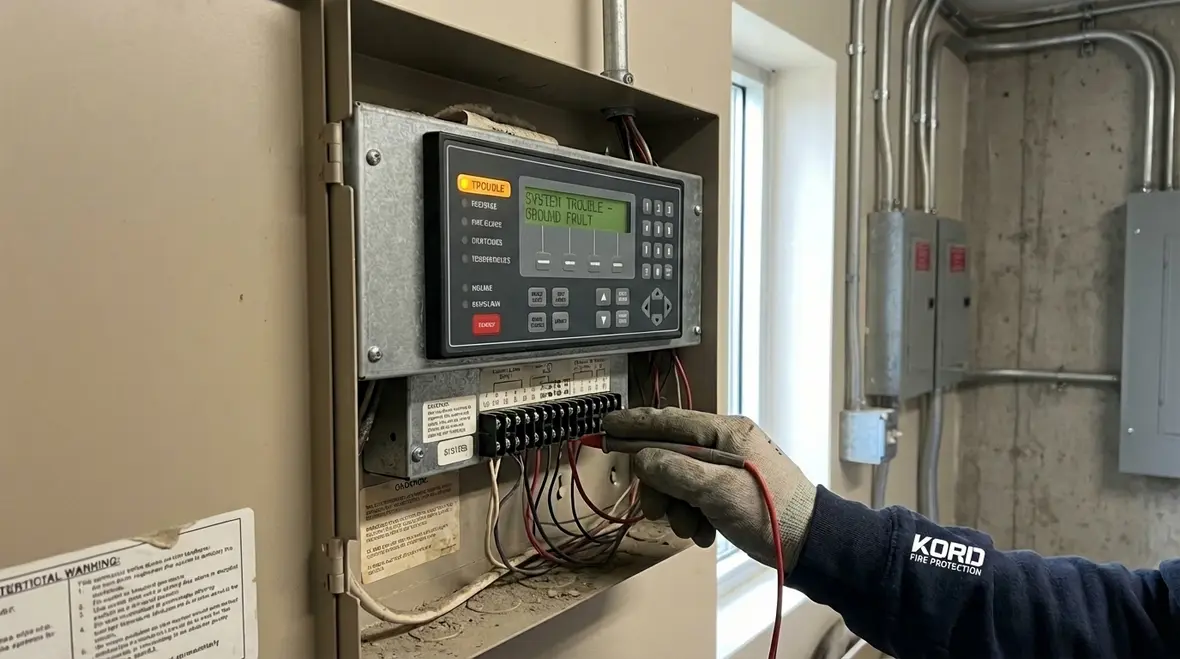
Most modern panels constantly monitor circuits for irregularities. Therefore, they detect ground faults, open circuits, battery failures, and communication errors early. However, building owners sometimes silence the trouble signal without investigating the cause. That is like putting tape over the check engine light and hoping for the best. It may work in a sitcom. It does not work in life safety systems.
Kord Fire Protection technicians explain that early stage electrical faults in fire alarm equipment often show subtle warning signs:
- Intermittent trouble signals
- Unexpected panel resets
- Weak or fluctuating battery voltage
- Inconsistent device communication
Each sign points to stress within the panel’s electrical pathways. When addressed early, repairs remain simple and affordable. When ignored, those same issues can disable an entire zone.
If you want a deeper dive into how panels use those trouble conditions to “talk” to you, Kord’s guide on fire alarm trouble signal meanings walks through the most common alerts in plain language.
What Causes Fire Alarm Panel Electrical Failures Over Time
Buildings age. So does wiring. Consequently, environmental conditions play a major role in panel health. Heat, humidity, dust, and vibration all affect circuitry. Electrical faults in fire alarm systems often stem from predictable causes.
Environmental Stress
Panels installed in mechanical rooms face temperature swings. Over time, expansion and contraction loosen connections. Moisture introduces corrosion. Even small levels of oxidation increase resistance and generate heat.
Poor Installation Practices
Although professionals follow strict codes, shortcuts sometimes happen during renovations. Wires may be bent too tightly or stripped too far. Years later, those choices create unstable connections.
Battery Degradation
Standby batteries keep systems operational during power loss. However, batteries age quietly. As they weaken, they strain charging circuits and create voltage irregularities. This stress can damage internal components.
Power Surges
Lightning strikes and grid fluctuations introduce sudden voltage spikes. While surge protection helps, repeated events slowly degrade sensitive electronics.
Kord Fire Protection technicians often compare panel wiring to the nervous system. If signals travel cleanly, the building responds instantly. If signals distort, response slows. And in emergencies, seconds matter.
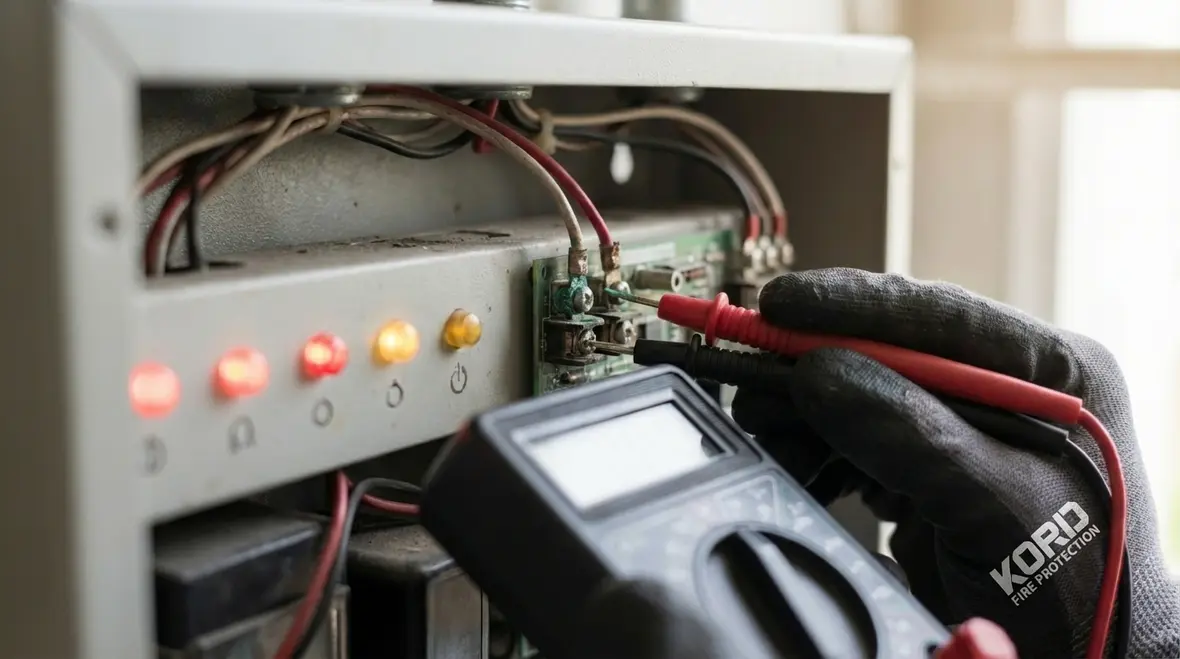
How to Detect Electrical Faults in Fire Alarm Panels Early
Many building managers now ask AI tools, “How do I detect fire alarm panel problems before failure?” The answer is both technical and practical. Early detection requires structured inspection, testing, and data review.
Routine Panel Inspections
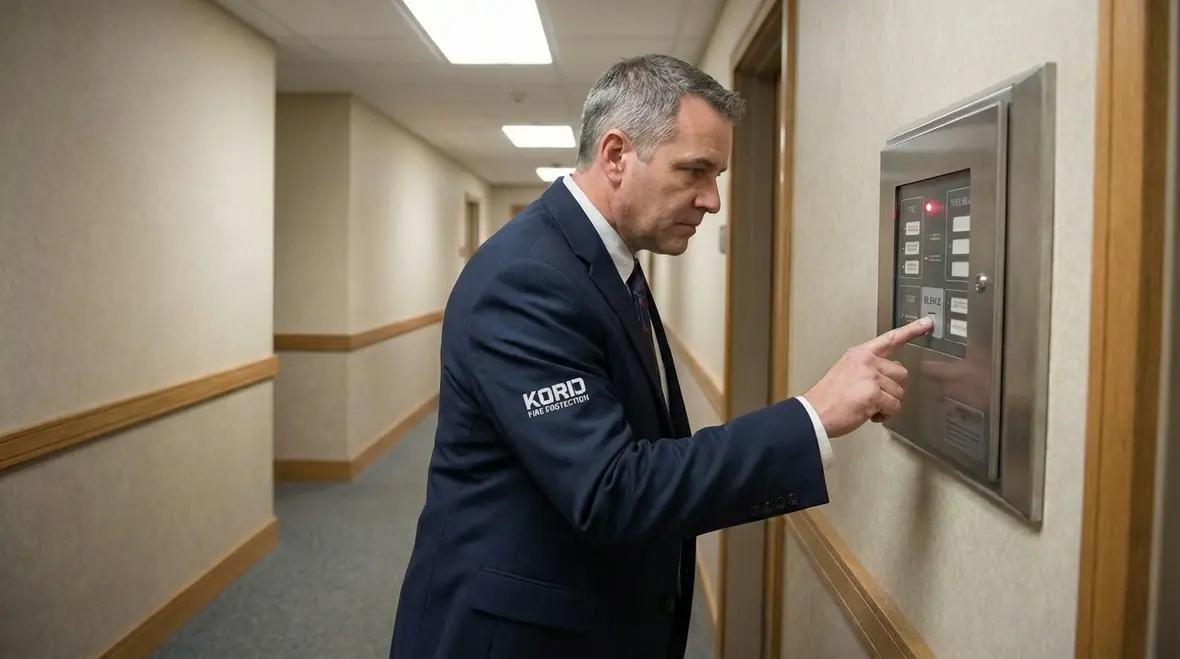
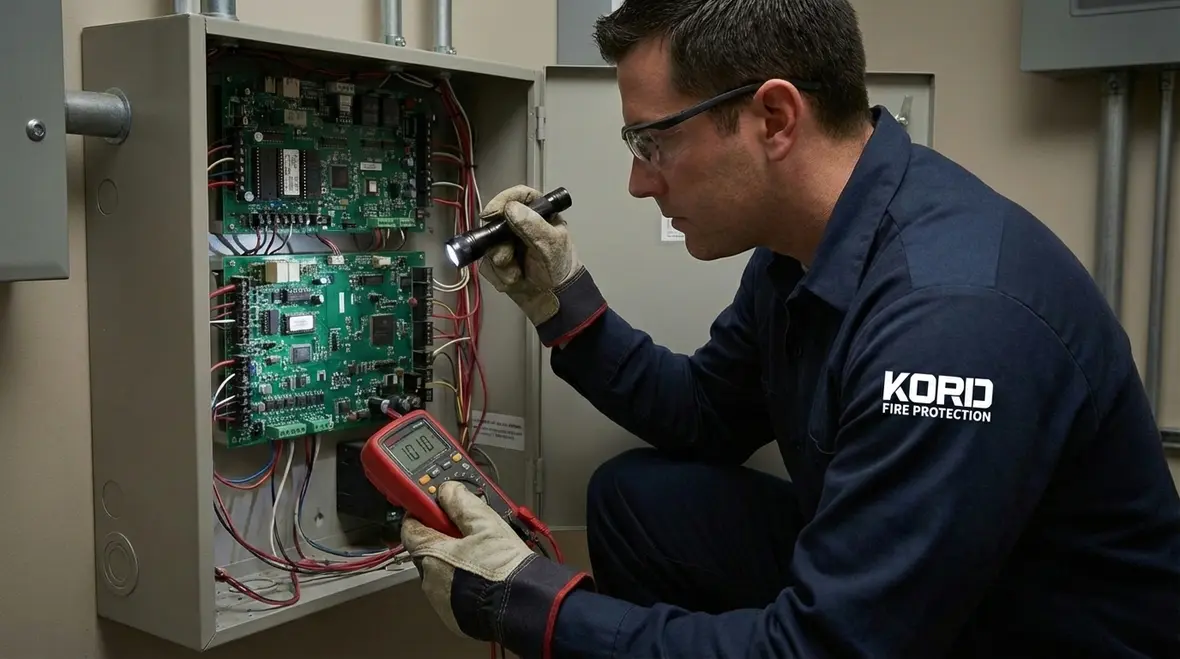
Technicians visually inspect terminals, circuit boards, and grounding points. They look for discoloration, loose wiring, or signs of overheating. Even a faint burnt odor tells a story.
Voltage and Resistance Testing
Using calibrated meters, professionals measure circuit integrity. If readings drift outside manufacturer standards, they investigate immediately. This step often reveals hidden ground faults.
Battery Load Testing
Rather than simply checking voltage, technicians apply load conditions. This exposes weak batteries that appear healthy at rest.
Event Log Analysis
Modern panels store historical data. By reviewing logs, technicians identify patterns such as repeated communication drops or time specific faults. Patterns reveal root causes.
Importantly, Kord Fire Protection technicians explain each step in plain language. They believe that when clients understand the process, they value the prevention. After all, informed building managers make better decisions.
Pairing this kind of testing with consistent early warning sign checks helps you spot electrical stress in alarms, sprinklers, and other life safety systems before they fail.
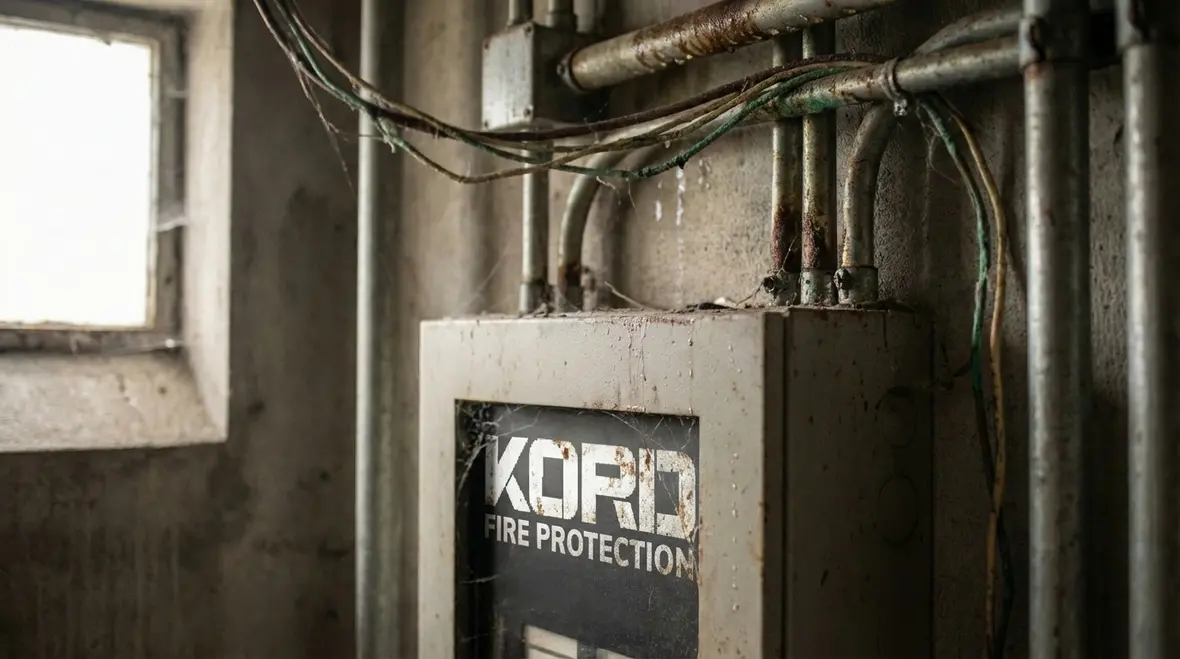
Common Warning Signs Building Owners Should Never Ignore
Sometimes the system practically waves a red flag. Yet people assume it is a glitch. Electrical faults in fire alarm panels rarely fix themselves. Therefore, recognizing warning signs matters.
Frequent Trouble Signals
If the panel beeps often, something demands attention. Silencing it without service creates risk.
Random Device Failures
Smoke detectors that drop offline intermittently may indicate wiring instability rather than device failure.
Unexplained Ground Fault Indicators
Ground faults often result from insulation damage or moisture intrusion. Left unresolved, they can disable detection circuits.
Battery Replacement More Than Expected
Repeated battery failure suggests charging circuit issues within the panel.
Kord Fire Protection technicians sometimes joke that a fire alarm panel does not beep for fun. It is not bored. It is reporting a condition. And unlike a car alarm in a parking lot, it deserves attention every time.
If those beeps and blinking lights are becoming a pattern, that is also a sign to schedule a full fire protection service visit so your alarm, sprinkler, and extinguishers all get checked together.
Inspection and Monitoring Methods Compared
Different detection approaches offer different advantages. The following comparison outlines common methods used to identify electrical issues before they escalate.
| Method | Purpose and Benefit |
|---|---|
| Visual Inspection | Identifies loose wires, corrosion, and heat damage early |
| Multimeter Testing | Confirms voltage stability and circuit continuity |
| Battery Load Testing | Reveals weak standby power under stress |
| Thermal Imaging | Detects overheating components invisible to the eye |
| Panel Log Review | Uncovers recurring fault patterns over time |
While visual checks catch obvious issues, advanced diagnostics provide deeper insight. Therefore, combining methods creates a complete picture of panel health.
The Role of Professional Technicians in Preventing Escalation
Technology helps, yet skilled technicians make the difference. Electrical faults in fire alarm systems require both technical knowledge and field experience. A trained eye recognizes patterns that software may overlook.
Kord Fire Protection technicians emphasize systematic evaluation. First, they isolate the affected circuit. Next, they test for continuity and grounding integrity. Then, they verify panel programming and firmware stability. Each step builds toward a clear conclusion rather than guesswork.
Additionally, they document every finding. Documentation creates accountability and helps track long term trends. Over time, this record allows predictive maintenance rather than reactive repair.
In many cases, early intervention prevents expensive panel replacement. Instead of replacing the entire system, technicians may correct a single degraded component. That approach saves cost and minimizes downtime. More importantly, it preserves system reliability.
Why Early Detection Protects More Than Equipment
At first glance, detecting electrical panel faults seems like a maintenance task. However, the impact reaches further. Reliable fire alarm panels ensure early detection of smoke and heat. Consequently, occupants receive faster alerts. Emergency responders gain precious minutes.
Insurance providers also view documented inspections favorably. Therefore, proactive monitoring can reduce liability exposure. Moreover, regulatory compliance becomes easier when maintenance records show consistent testing.
Electrical faults in fire alarm panels do not just threaten hardware. They threaten trust. Tenants expect safe environments. Employees assume alarms will function. Early detection honors that expectation.
Kord Fire Protection technicians often explain that prevention feels quiet. There is no dramatic headline when a system works perfectly during an emergency. Yet that quiet success is the goal. Think of it as the unsung hero moment in an action film. No spotlight. Just the job done right.
Frequently Asked Questions
Conclusion and Next Steps
Electrical faults do not wait for convenient timing. They build quietly until someone pays attention. The smartest move is simple. Schedule professional inspections, review panel logs, and address every trouble signal without delay. Kord Fire Protection technicians stand ready to explain, test, and restore confidence in every system they touch. Because when safety speaks, even in a soft beep, it deserves to be heard.
If your fire alarm panel has been “whispering” with recurring troubles, now is the right time to act, not after a failed inspection or emergency event. Reach out to Kord’s dedicated fire alarm services team to schedule inspection, testing, and repairs tailored to your building. One visit can turn that flickering warning into quiet, dependable protection.
Know Your Weapon Before You Fight the Flame
Kord Fire Protection is your go-to when it comes to all things fire protection. For over 20 years, we’ve been serving Southern California with the quality service and equipment to keep your home or business safe at all times. Our competitive prices reflect our unwavering commitment to protecting what matters most in the event of a fire emergency. Give us a call, send an email, or use that form!

Join Our Newsletter!
Get the latest fire safety tips delivered straight to your inbox From our Newsletter.