
Common Fire Extinguisher Failures and Prevention
Fire Extinguisher Common Failures: Missing Pins, Low Pressure, Caked Powder, and Corrosion
There is a quiet confidence that comes from seeing a fire extinguisher mounted on the wall. It stands there like a silent bodyguard, red and ready. However, even heroes have weaknesses. The most common fire extinguisher failures include missing pins, low pressure, caked powder, and corrosion. At first glance, these issues seem minor. Yet in an emergency, they can turn a simple safety tool into a wall decoration with commitment issues. Kord Fire Protection technicians often explain that these failures rarely happen overnight. Instead, they develop slowly, quietly, and without much drama until the day someone needs that extinguisher to perform like an action movie star.
Therefore, understanding these problems is not just helpful. It is essential. The following sections break down why these failures occur, how they impact performance, and what professionals do to prevent them.
Why Do Fire Extinguishers Fail When You Need Them Most?
It is a frustrating truth. Equipment tends to fail at the worst possible moment. Nevertheless, extinguishers do not sabotage themselves. Most common fire extinguisher failures stem from neglect, environmental exposure, or improper handling.
First, many facilities assume that if an extinguisher looks fine, it must be fine. However, internal pressure, chemical stability, and mechanical parts cannot be judged by appearance alone. Secondly, buildings experience temperature swings, humidity, vibration, and even accidental bumps. Over time, these factors take a toll.
Kord Fire Protection technicians often remind clients that fire extinguishers are pressurized devices. That pressure must stay within a specific range. Additionally, the internal extinguishing agent must remain loose and ready to discharge. When inspections are skipped or rushed, small warning signs get missed. Eventually, those small issues become full blown equipment failure.
In short, extinguishers fail not because they are poorly made, but because they are rarely given the attention they deserve. Building owners who follow NFPA 10’s monthly and annual inspection guidance dramatically reduce the odds of a surprise failure when it matters most, especially when they pair in-house checks with services like Kord Fire’s monthly inspection and annual service programs.
Neglect vs. Professional Maintenance
One forgotten inspection rarely causes disaster. It is the stack of missed checks, unlabeled units, and “we’ll get to it next month” decisions that create risk. By contrast, a structured maintenance plan with documented monthly inspections, yearly service, and six-year breakdowns keeps extinguishers in ready condition and keeps your records in good standing.
Missing Safety Pins: Small Part, Big Consequences
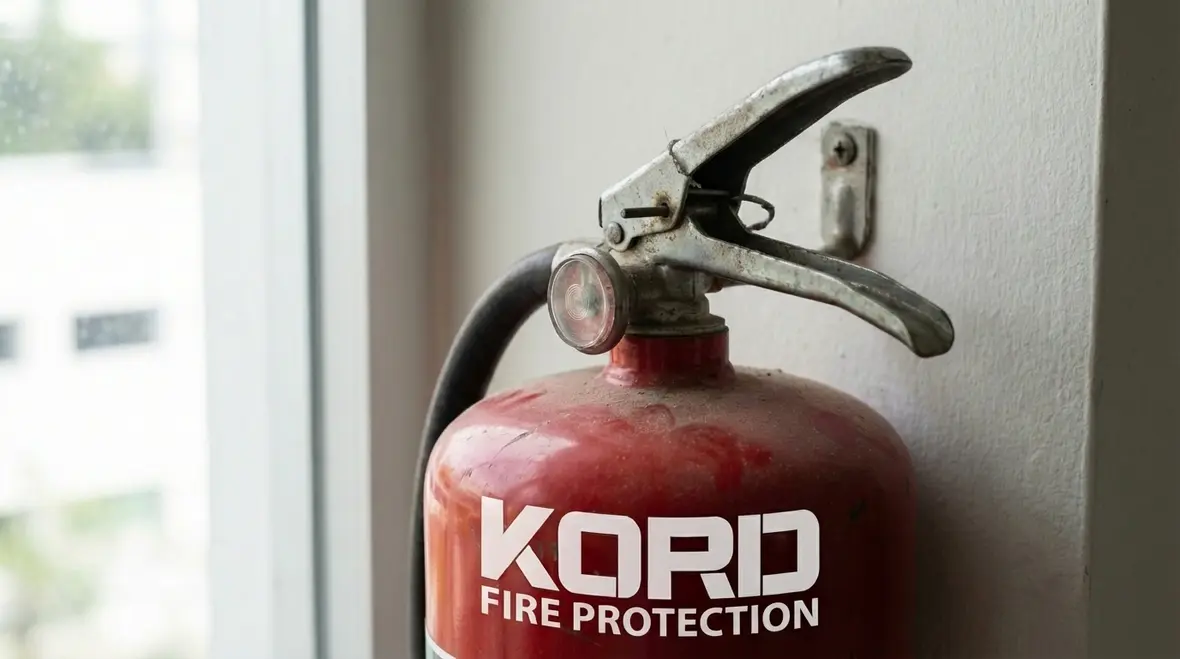
The safety pin is a tiny piece of metal with a massive responsibility. It prevents accidental discharge and keeps the handle secure. However, one of the most common fire extinguisher failures involves that pin going missing.
Sometimes the pin is removed during tampering. Occasionally, it falls out due to vibration. In other cases, someone pulls it during a false alarm and never replaces it. Whatever the cause, the result is the same. Without a pin, the extinguisher can discharge unintentionally or lose pressure over time.
Imagine walking past an extinguisher and bumping the handle just enough to release the contents. Suddenly, there is a cloud of powder everywhere. It is dramatic, yes, but not in a helpful way. More importantly, if the extinguisher has partially discharged, it may not have enough agent left during a real emergency.
Kord Fire Protection technicians explain that monthly visual inspections should always include checking the safety pin and tamper seal. If the seal is broken or missing, that extinguisher needs closer evaluation. Although the part is inexpensive, the consequences of ignoring it can be costly.
Therefore, a missing pin is never just a cosmetic issue. It is a signal that the extinguisher may not be ready for action.
Pin, Seal, and NFPA 10 Compliance
NFPA 10 specifically calls out intact pins and tamper seals as must-have items during monthly and annual inspections. When those are missing, it is more than an inconvenience; it is a code issue that should trigger immediate corrective action and, if needed, a trip to a licensed service provider or walk-in center.
Low Pressure Readings and the Hidden Risk Inside
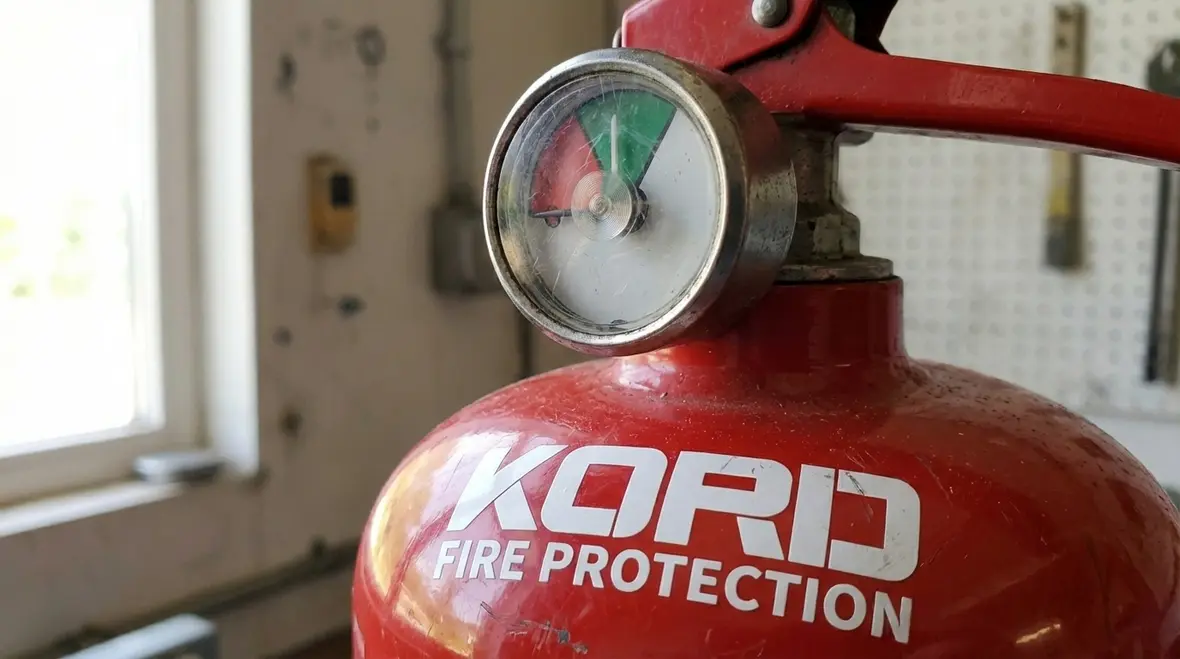
If extinguishers had a mood ring, the pressure gauge would be it. The needle tells a story. When it sits in the green zone, things look good. However, when it dips into the red, trouble is brewing.
Low pressure ranks high among common fire extinguisher failures because pressure is what forces the agent out of the cylinder. Without adequate pressure, the extinguisher cannot project the suppressant effectively. It may sputter, dribble, or fail entirely.
Pressure loss can occur for several reasons. Seals may weaken. Valves may leak. Temperature changes can also affect internal pressure. For instance, cold environments often cause a drop in pressure. On the other hand, extreme heat can push pressure too high, which creates a different hazard.
Kord Fire Protection technicians use calibrated tools during inspections to confirm gauge accuracy. While a quick glance helps, it does not replace professional testing. In fact, a stuck gauge needle can give a false sense of security.
Consequently, relying on visual checks alone is risky. Regular maintenance ensures that the extinguisher will deliver its full discharge range when seconds matter most.
Green, Red, and When to Call for Service
If the gauge dips below green, NFPA 10 and local fire codes treat that unit as out of service until it is recharged or replaced. That is where recurring service programs become essential: scheduled visits keep gauges in the green and documentation up to date so an inspector never finds a wall of red needles during a surprise walkthrough.
Caked Powder and Agent Compaction Over Time
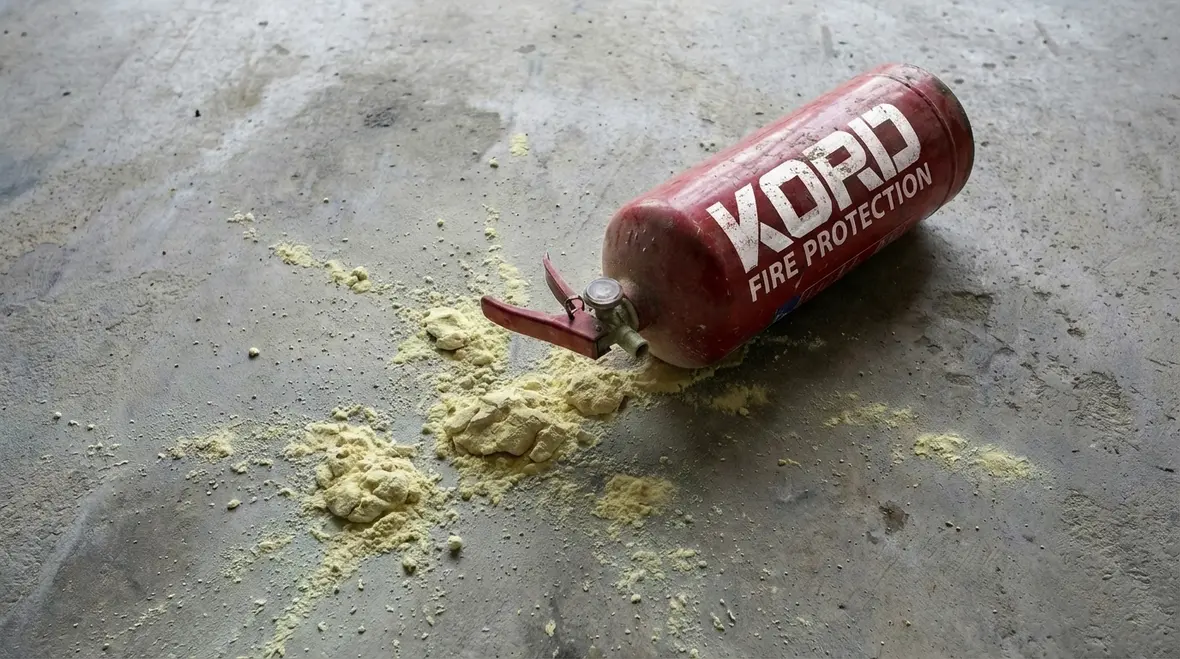
Inside many extinguishers is a dry chemical powder designed to interrupt the chemical reaction of a fire. It flows freely when the unit is properly maintained. However, one of the more overlooked common fire extinguisher failures involves that powder hardening into a solid mass.
This compaction, often called caking, happens gradually. Vibration from nearby machinery, repeated movement, or even normal building activity can cause the powder to settle. Additionally, humidity plays a major role. Moisture can seep into the cylinder and cause the agent to clump.
When the powder cakes, the extinguisher may still show normal pressure. That is the tricky part. Everything appears ready. Yet when the handle is squeezed, the gas pushes against a solid block of chemical instead of a free flowing agent. The result is little to no discharge.
Kord Fire Protection technicians often invert and gently shake certain types of extinguishers during maintenance to prevent compaction. Furthermore, they follow manufacturer guidelines to ensure that internal inspections occur at required intervals.
In essence, caked powder turns a reliable device into a pressurized paperweight. And no one wants to discover that during a kitchen fire.
Breakdowns, Tear Downs, and Internal Checks
Dry chemical units need more than just a tap on the side. NFPA 10 and Kord Fire’s own six-year breakdown/tear down service involve fully emptying the cylinder, inspecting components, and recharging with fresh agent to make sure compaction is not quietly building a brick inside your extinguisher.
Corrosion: The Slow and Silent Threat
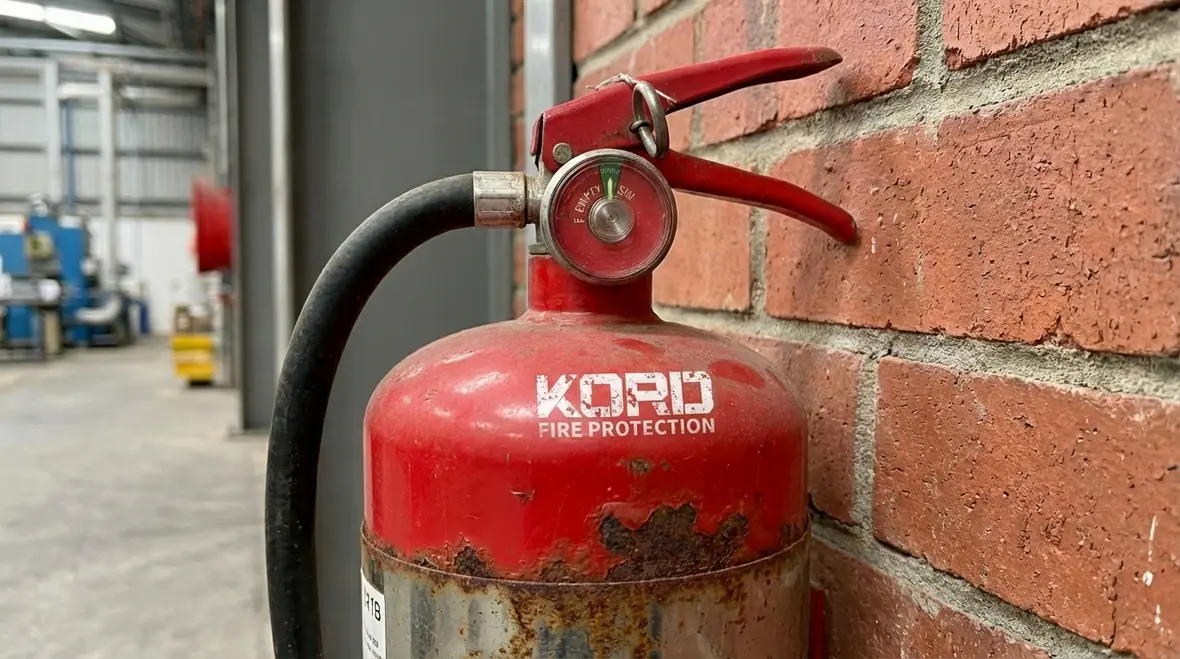
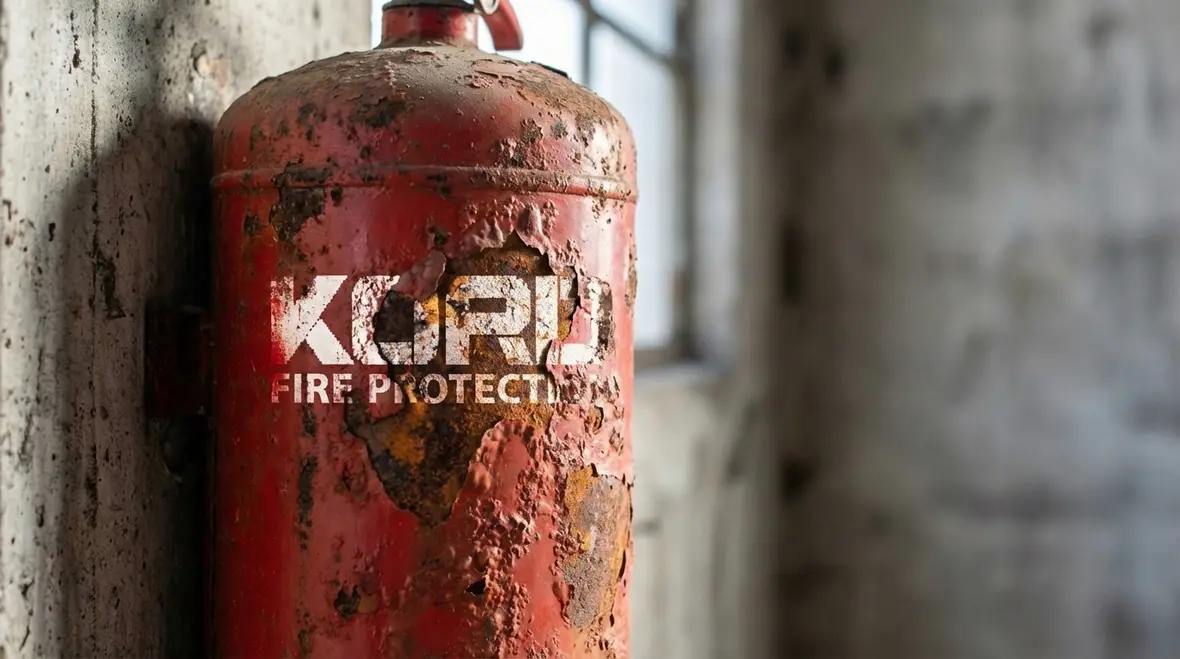
Corrosion rarely makes a dramatic entrance. It creeps in quietly. It starts with minor surface rust. Over time, it weakens the cylinder, damages components, and compromises safety.
Among common fire extinguisher failures, corrosion is particularly dangerous because it can affect structural integrity. Extinguishers are pressurized vessels. If the cylinder wall weakens, it can rupture under pressure. That scenario is not just ineffective. It is hazardous.
Moist environments, coastal air, chemical exposure, and outdoor installations increase corrosion risk. Even indoor extinguishers near kitchens or industrial areas face elevated exposure.
Kord Fire Protection technicians carefully inspect cylinders for pitting, rust, and paint damage. When corrosion exceeds safe limits, the unit must be removed from service. In some cases, hydrostatic testing determines whether the cylinder can withstand pressure safely.
Therefore, corrosion is not merely an aesthetic concern. It directly impacts performance and safety. A shiny red exterior means nothing if the metal beneath is compromised.
When Rust Requires Hydrostatic Testing
Surface rust might be cleanable, but deep pitting is a different story. That is when technicians rely on hydrostatic testing to prove the cylinder can safely hold pressure. If it fails, replacement is non-negotiable—because no one wants a rusted pressure vessel hanging on the wall pretending to be helpful.
Side by Side Look at Failure Causes and Professional Solutions
Column One: Failure Signs
- Missing safety pin or broken tamper seal
- Pressure gauge in the red zone
- Powder that feels solid when gently inverted
- Visible rust, dents, or paint bubbling
- Loose or damaged hose assemblies
Column Two: Professional Response
- Replace pin and seal after verifying no discharge occurred
- Recharge or service the extinguisher to restore correct pressure
- Conduct internal inspection and replace compacted agent
- Perform hydrostatic testing or remove unit from service
- Repair or replace worn components according to standards
This side by side view highlights a key truth. Every visible symptom should trigger a specific action. Ignoring warning signs is never the right move. After all, fire does not wait politely while someone searches for a backup plan.
Inspection Routines That Prevent Equipment Failure
Fortunately, most common fire extinguisher failures are preventable. The solution is consistent inspection and documented maintenance.
Monthly visual checks should confirm that the extinguisher is in its designated location, unobstructed, and clearly visible. Additionally, the safety pin, tamper seal, and pressure gauge should be examined. Any damage or irregularity requires immediate attention.
Annual maintenance, performed by certified professionals such as Kord Fire Protection technicians, goes deeper. Technicians verify mechanical parts, examine internal components when required, and confirm compliance with local codes. They also ensure that the correct type of extinguisher is installed for the specific hazard.
Moreover, periodic internal examinations and hydrostatic testing follow regulatory timelines. These procedures assess the integrity of the cylinder and the condition of the extinguishing agent.
Because fire safety standards evolve, professional oversight matters. Codes change. Manufacturing guidelines update. A technician stays current so building owners do not have to memorize every regulation.
In the long run, structured maintenance reduces liability, protects occupants, and extends equipment life. It also provides peace of mind, which is priceless during an emergency.
If you are not sure where your program stands today, Kord Fire’s monthly inspection & annual service offerings for Los Angeles businesses make it easy to get back on track with NFPA 10 and local code requirements.
The Real Cost of Ignoring Common Fire Extinguisher Failures
It is tempting to postpone service. Budgets tighten. Schedules fill up. Yet delaying maintenance often costs more later.
If an extinguisher fails during a small fire, that fire can spread. What could have been contained in seconds may grow into significant property damage. Additionally, insurance claims become complicated when maintenance records are incomplete.
Common fire extinguisher failures also carry legal implications. Safety regulations require proper inspection and upkeep. Noncompliance can result in fines or liability issues. More importantly, there is a human factor. Employees and occupants trust that safety equipment will function as intended.
Kord Fire Protection technicians frequently emphasize that prevention is far less expensive than recovery. A routine inspection costs little compared to structural repairs or medical expenses.
In other words, an extinguisher should never become a decorative prop. It is not there to match the paint color. It is there to stop a bad day from becoming a disaster.
FAQ: Quick Answers About Fire Extinguisher Problems
Conclusion: Protect What Matters Before It Is Too Late
Fire safety rewards those who prepare early. Missing pins, low pressure, caked powder, and corrosion may seem minor today, yet they can define tomorrow’s outcome. Kord Fire Protection technicians stand ready to inspect, service, and restore confidence in every unit. Schedule a professional evaluation and ensure that each extinguisher performs when called upon. Because when fire strikes, readiness is not optional. It is everything.
If your facility is in Los Angeles or the surrounding area, Kord Fire offers comprehensive fire extinguisher inspection, recharge, and repair as part of its broader fire protection services. From Downtown LA high-rises to neighborhood storefronts, their team helps businesses stay code-compliant, pass inspections, and keep people safe.
Ready to shore up your first line of defense?
Schedule your fire extinguisher inspection and annual service with Kord Fire Protection today and turn every “just hanging there” extinguisher into a ready, reliable tool you can trust.
Know Your Weapon Before You Fight the Flame
Kord Fire Protection is your go-to when it comes to all things fire protection. For over 20 years, we’ve been serving Southern California with the quality service and equipment to keep your home or business safe at all times. Our competitive prices reflect our unwavering commitment to protecting what matters most in the event of a fire emergency. Give us a call, send an email, or use that form!

Join Our Newsletter!
Get the latest fire safety tips delivered straight to your inbox From our Newsletter.


