
Fire Extinguisher Gauge in the Red: What to Do
Fire Extinguisher Gauge in the Red: What to Do Immediately
When someone spots a fire extinguisher gauge in the red, the reaction is often the same. A pause. A squint. Then a quiet hope that it is probably fine. Unfortunately, hope is not a fire protection strategy. That small needle sitting in the red zone is more than a cosmetic flaw. It is a warning that the extinguisher may not work when it matters most. In the next few minutes, decisions must be clear and calm. As Kord Fire Protection technicians often explain, a gauge reading is not decoration. It is a direct message about pressure, performance, and safety.
So let us walk through what that red indicator means, what steps to take immediately, and how to prevent the issue from happening again. And yes, even something as simple as a pressure dial can teach a few life lessons about preparedness. Spoiler alert. Ignoring it is not one of them.
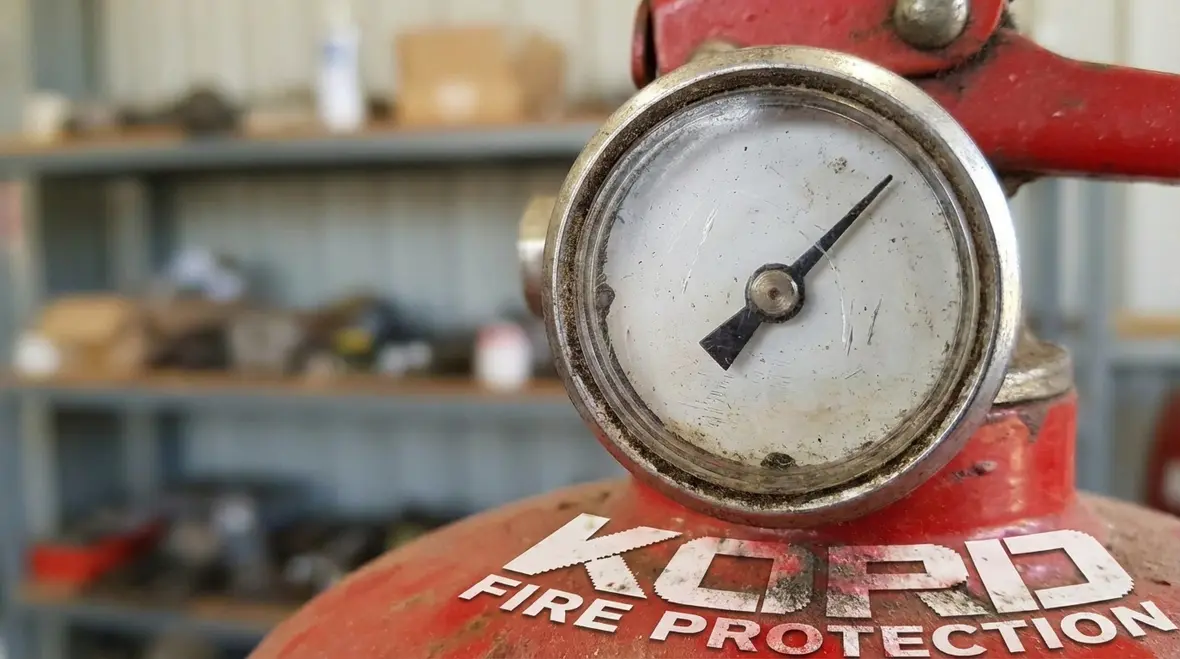
Why a Fire Extinguisher Gauge in the Red Is a Serious Warning
The gauge on a standard stored pressure extinguisher measures internal pressure. That pressure pushes the extinguishing agent out when the handle is squeezed. If the needle drops into the red zone, it usually signals low pressure. In some rare cases, it can indicate overpressure. Either way, it is not where the needle should live.
When the fire extinguisher gauge in the red appears during an inspection, it means the unit may not discharge properly. Without enough pressure, the agent will not travel far enough or fast enough to suppress flames. That delay could turn a small kitchen fire into something far more dramatic. And while dramatic works in movies, it does not work in offices, warehouses, or apartment buildings.
Kord Fire Protection technicians explain it simply. A properly pressurized extinguisher is like a well tuned engine. It starts when needed and performs as expected. However, once the pressure drops, performance follows. In an emergency, performance is everything.
Therefore, the red zone is not a suggestion. It is a call to action.
To go even deeper into what a red zone gauge can signal about leaks, damaged cylinders, or failing components, you can also review Kord Fire’s detailed fire extinguisher inspection and component replacement guide, which covers how technicians spot undercharged or over-pressurized canisters during routine inspections.
Red vs. Green: A Quick Visual Safety Check
The beauty of the gauge is that it is simple. Green means “ready,” red means “needs attention now.” That simplicity is intentional. While fire codes and NFPA standards can get technical, the person walking past the extinguisher should only need one glance to know if something looks wrong. If the needle is not solidly in the green, treat the extinguisher as unreliable until a technician confirms otherwise.
What to Do Immediately When the Needle Drops
When someone discovers a low pressure reading, speed matters. However, panic does not help. Instead, follow a steady and clear approach.
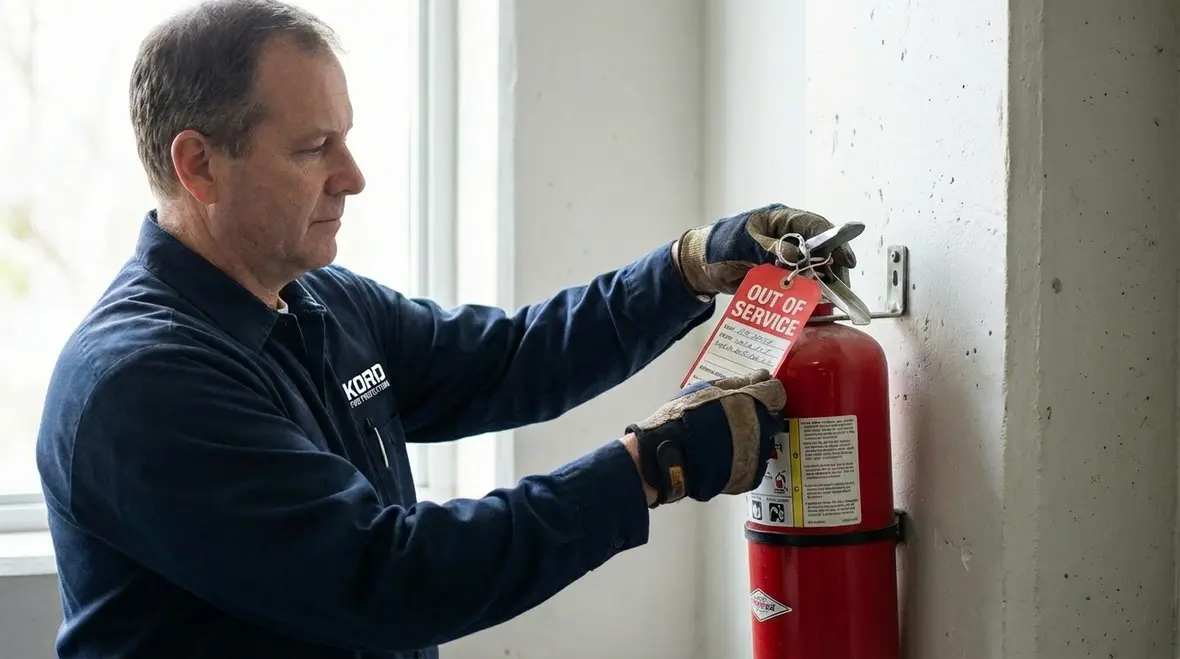
Step 1: Remove the extinguisher from service
First, ensure the extinguisher is not relied upon for protection. If it is mounted on a wall in a visible area, place a temporary sign indicating it is out of service. In commercial settings, notify the safety manager or supervisor right away.
Step 2: Do not attempt a DIY refill
Although it may seem simple, refilling or recharging an extinguisher requires proper tools and certification. Kord Fire Protection technicians consistently caution against home fixes. An incorrect recharge can damage the unit or make it unsafe.
Step 3: Arrange for professional inspection
Next, contact a licensed fire protection company. A trained technician will evaluate whether the extinguisher can be recharged or if it needs replacement. Sometimes the issue is a slow leak. Other times, it may be valve damage or age related wear.
Step 4: Replace it temporarily if needed
If the extinguisher protects a required area, such as near a commercial kitchen or electrical panel, install a backup unit immediately. Fire codes often require continuous coverage. Therefore, even a short gap can create compliance issues.
In short, treat the red reading as you would treat a low fuel warning in your car. You would not plan a cross country trip on empty. Likewise, do not plan on fighting a fire with an underpressurized extinguisher.
If you manage multiple extinguishers across a site, it can also help to connect this moment to a broader service program. Kord Fire’s monthly inspection and annual service options make it easier to ensure that when one gauge goes red, the rest of your inventory is checked quickly and brought back into compliance.
Common Causes Behind a Pressure Drop
Understanding why the gauge moves into the red can prevent repeat problems. Several factors may cause pressure loss, and each tells a slightly different story.
Natural pressure loss over time
Even sealed units can lose small amounts of pressure over several years. Although extinguishers are built to hold pressure, seals and valves age. Therefore, routine inspections catch these slow changes before they become critical.
Temperature fluctuations
Extreme heat or cold can affect internal pressure. For instance, storing an extinguisher in an unheated garage during winter may cause temporary pressure changes. Once temperatures normalize, the gauge might return to green. However, repeated exposure can damage components.
Physical damage
If the extinguisher has been dropped or knocked against equipment, internal parts may shift. As a result, small leaks can develop. Warehouses and busy commercial spaces are common places for this type of wear.
Improper previous service
Occasionally, the issue stems from incorrect servicing. Kord Fire Protection technicians sometimes find units that were not recharged to the correct level. Over time, that initial mistake becomes visible as the needle drifts downward.
Therefore, regular professional maintenance is not just a formality. It is a safeguard against these hidden problems.

How Professionals Evaluate a Fire Extinguisher Gauge in the Red
When a technician arrives and sees a fire extinguisher gauge in the red, the inspection goes far beyond a quick glance. The process is methodical and thorough.
First, the technician checks the manufacturing date and service history. Extinguishers have recommended service intervals, including annual inspections and periodic internal maintenance. If the unit is near the end of its lifespan, replacement may be more practical than repair.
Next, the technician inspects the valve assembly, hose, and nozzle. Any visible cracks, corrosion, or residue can signal leakage. In addition, they may perform a weight check. If the extinguisher has lost agent along with pressure, its weight will reflect that loss.
Afterward, pressure testing equipment verifies whether the cylinder itself remains sound. In some cases, hydrostatic testing is required to ensure the metal body can safely hold pressure.
Only after these checks will the technician decide whether to recharge or retire the unit. This careful process ensures the extinguisher will perform as designed. As Kord Fire Protection technicians often say, it is better to spend a few minutes inspecting than a few hours explaining why it failed.
From Red Gauge to Full Service Plan
For many businesses, a single extinguisher in the red is the wake up call that it is time for a structured program instead of reactive fixes. That is where comprehensive fire extinguisher service, testing, and maintenance come in, ensuring all units on site are inspected, documented, and kept in ready condition year round.

Dual Column Guide: Immediate Actions and Professional Solutions
On Site Response
- Identify the extinguisher with the red gauge reading
- Label it clearly as out of service
- Notify management or property owner
- Check nearby extinguishers for similar issues
- Document the discovery in safety logs
Professional Follow Up
- Conduct full visual and mechanical inspection
- Verify weight and internal pressure levels
- Recharge with correct extinguishing agent if possible
- Replace damaged valves or components
- Provide updated inspection tag and compliance record
This two step approach ensures that safety does not pause while waiting for service. It also creates a clear record, which helps during audits or fire marshal visits.
Preventing Future Pressure Problems
While reacting quickly is vital, prevention carries equal weight. A proactive maintenance plan reduces the chance of seeing that needle drift into the red again.
Monthly visual checks
Assign someone to inspect extinguishers each month. They should confirm the gauge remains in the green zone, the pin is intact, and the unit is accessible. This simple habit often catches issues early.
Annual professional inspections
Although visual checks help, certified technicians provide deeper evaluation. Kord Fire Protection technicians inspect seals, internal components, and service tags to ensure compliance with local codes.
Proper storage conditions
Keep extinguishers away from extreme temperatures and corrosive environments. For example, avoid placing them directly beside industrial ovens or in damp basements without protection.
Employee awareness training
Employees should understand what the gauge indicates. If someone notices a fire extinguisher gauge in the red during a routine walk through, they should know exactly who to contact. Quick reporting prevents extended risk.
In essence, prevention is less about complex systems and more about consistent attention. It is not glamorous. It will not win awards. However, it keeps buildings safe and businesses compliant.
Compliance, Liability, and Peace of Mind
Fire codes require that extinguishers remain fully charged and operational at all times. Therefore, ignoring a low pressure reading can create liability issues. In the event of a fire, investigators often review maintenance records. If documentation shows a known issue was left unresolved, consequences can follow.
Moreover, insurance providers may examine whether safety equipment was properly maintained. A neglected fire extinguisher gauge in the red could complicate claims. That is a headache no one needs.
However, beyond compliance and insurance lies something more personal. Peace of mind. When employees and residents see well maintained equipment, they feel protected. That confidence builds trust in management and property owners.
Kord Fire Protection technicians frequently remind clients that safety equipment is silent until needed. It waits patiently on the wall. Nevertheless, when the moment arrives, it must perform without hesitation. A green gauge is a quiet promise. A red one is a broken handshake.
FAQ: Quick Answers About Fire Extinguisher Pressure Issues
Final Thoughts and Next Steps
A fire extinguisher gauge in the red is not a minor detail. It is an early warning that protection may fail when needed most. Therefore, take swift action, involve qualified professionals, and keep records up to date. Kord Fire Protection technicians stand ready to inspect, recharge, or replace units so buildings stay compliant and secure. Do not wait for smoke to reveal what a simple gauge already has.
For businesses that want a single, reliable partner, Kord Fire offers full fire protection services across sprinklers, alarms, and extinguishers, as well as dedicated fire extinguisher service and certification throughout Southern California. Schedule a professional inspection today and keep safety firmly in the green.
Know Your Weapon Before You Fight the Flame
Kord Fire Protection is your go-to when it comes to all things fire protection. For over 20 years, we’ve been serving Southern California with the quality service and equipment to keep your home or business safe at all times. Our competitive prices reflect our unwavering commitment to protecting what matters most in the event of a fire emergency. Give us a call, send an email, or use that form!

Join Our Newsletter!
Get the latest fire safety tips delivered straight to your inbox From our Newsletter.


