Commercial Facility Electrical Health Auditing for Asset Management
Quick Answer: Comprehensive electrical health auditing gives commercial facilities a clear view of how electrical systems perform today, what will likely fail next, and how to plan repairs without guessing. This supports asset management by improving reliability, budgeting, and compliance. When combined with fire protection expertise, risks drop and response time improves.
For industrial, retail, and commercial facilities, commercial facility electrical health auditing acts like a calm, professional “health check” for power systems that never really take a day off. In the introduction, the service starts with understanding how assets behave under real conditions, not just what drawings claim. From there, the auditing process connects directly to facility asset management by reducing surprise downtime, protecting people, and controlling lifecycle costs. And because electrical systems often sit next to the systems that save lives, a strong partner like Kord Fire Protection can turn electrical insights into smarter fire risk planning.
Near the top of that planning conversation, it makes sense to connect electrical findings with broader fire protection services. Kord also highlights electrical support through Kord Electric reliable electrical services, which fits naturally when facilities need both power system insight and coordinated life safety strategy. Instead of treating maintenance, compliance, and fire prevention like distant cousins at an awkward reunion, the smarter move is to bring them into one practical asset management plan.
Why comprehensive electrical health auditing becomes asset management’s backbone
Asset management fails when facilities rely on time alone. A switchgear lineup might look fine at year five and still fail at year six, because heat, vibration, moisture, and load changes do not follow calendars. Therefore, comprehensive electrical health auditing treats the facility like an operating system with measurable signals. It reviews equipment condition, verifies protection settings, and checks how well the system handles faults and harmonics. After that, the findings translate into a practical maintenance and replacement plan.
In other words, it helps decision makers stop playing “guess who” with critical assets. Instead, they plan work based on evidence. That evidence becomes the backbone of asset management because it supports prioritisation, budgeting, and risk ranking across the site. Moreover, it aligns teams who often work in silos: maintenance, operations, engineering, and safety. When everyone sees the same condition picture, the usual debate over what is urgent and what is merely annoying gets a lot shorter.
From calendar-based maintenance to condition-based decisions
That shift matters because facilities rarely have unlimited shutdown windows or unlimited capital. An audit gives leadership a reasoned basis for deciding what stays in service, what needs closer monitoring, and what deserves immediate intervention. It also supports long range planning. Instead of treating each electrical issue as a separate surprise, teams start seeing patterns across the asset base. That is where asset management stops being a spreadsheet hobby and starts becoming a serious operating discipline.
What gets measured during a facility electrical health review
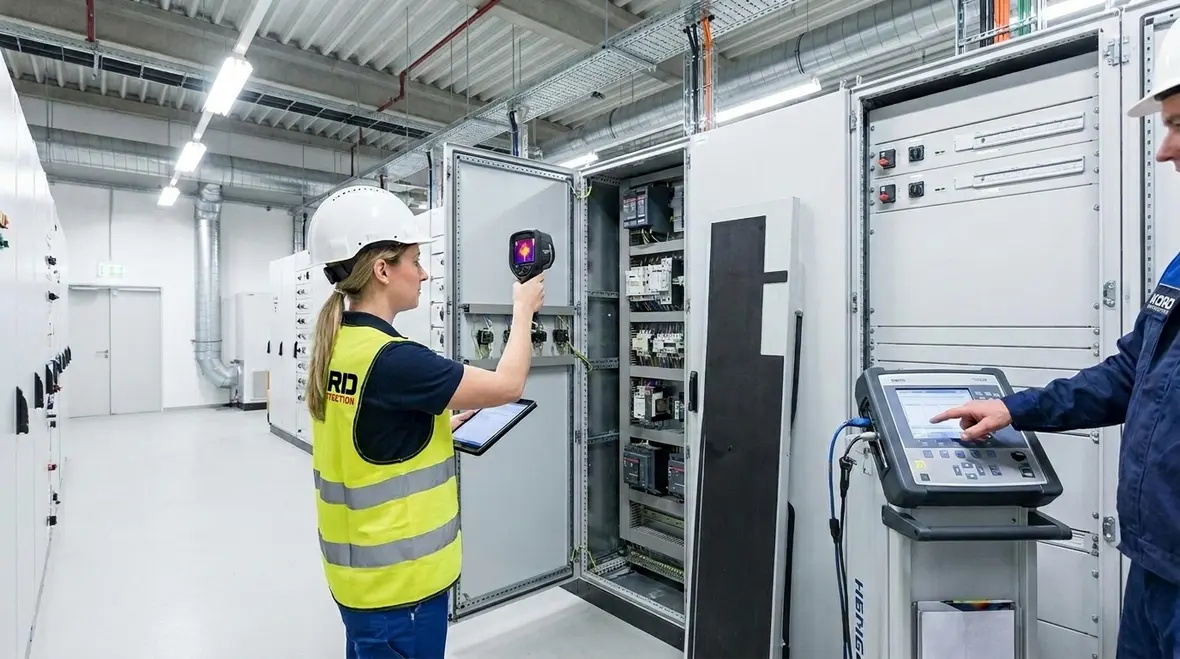
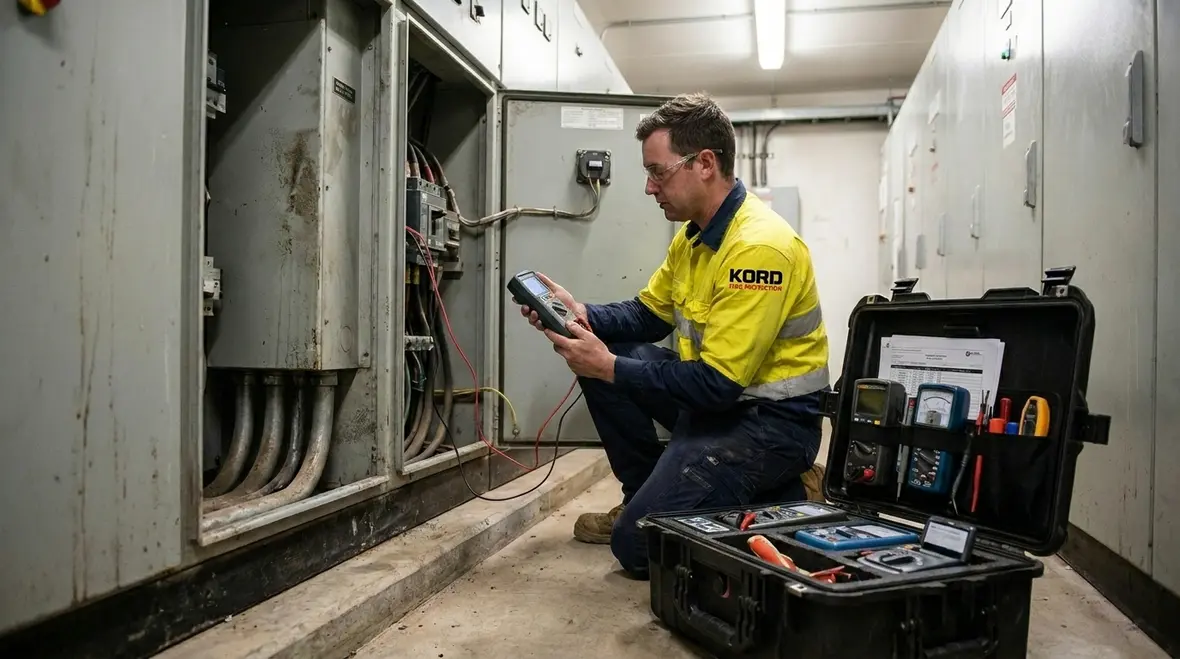
During a commercial facility electrical health auditing, the goal stays simple: confirm real operating condition and confirm safety performance. Typically, the audit examines key components such as switchboards, distribution boards, busbar connections, motor control gear, lighting and power circuits, earthing and bonding points, and protective devices. Then it pairs visible condition checks with functional testing. That combination matters because a component can pass a visual inspection and still fail under stress.
Common measurements and verifications include insulation testing, continuity checks, earth resistance verification, protective device function checks, and assessments related to load quality. Additionally, auditors often review documentation and compare it with what exists in the field. When records drift from reality, asset management decisions get blurry fast. Thus, the audit tightens accuracy.
Context matters as much as the readings
Facility teams also benefit when the audit captures operating context. For example, a retail site with frequent fit outs experiences altered loads. Meanwhile, an industrial site often adds variable processes. Consequently, electrical systems age differently depending on how the facility runs. Comprehensive auditing captures that story, not just the symptoms. A board that looks acceptable on paper may tell a very different story after years of tenant changes, added equipment, and “temporary” modifications that became permanent sometime around three managers ago.
Documentation review prevents expensive assumptions
Single line diagrams, panel schedules, maintenance histories, and prior inspection records all influence the value of an audit. If documents are outdated, missing, or inconsistent with field conditions, the audit uncovers that gap early. That may not sound glamorous, but wrong documentation can distort isolation planning, replacement decisions, and emergency response. And no facility wants to discover during a fault investigation that the “current” drawings belong to a previous reality.
How the results improve planning, budgeting, and reliability
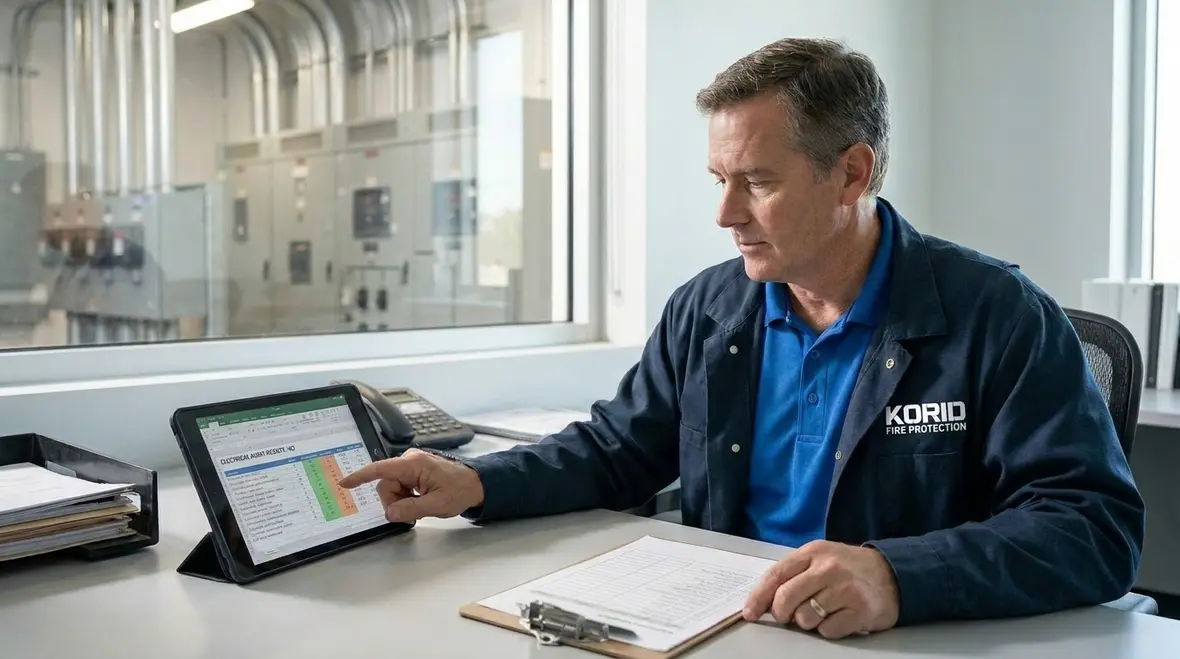
Once the findings land, the biggest value appears during planning. A good electrical health audit turns raw test outcomes into asset management outputs like condition scoring, failure mode notes, and recommended actions by urgency. That helps facilities avoid reactive spending and reduce downtime events that disrupt customers, production, and staff safety.
For budgeting, the audit supports realistic timing. Instead of replacing everything “just in case,” teams schedule work where risk justifies it. Over time, this reduces both emergency callouts and unnecessary replacements. Also, it improves spares planning. When maintenance knows what is likely to fail next, inventory decisions become more sensible.
Reliability improves because the audit addresses root causes. Loose terminations can cause heat. Poor connections can create arcing faults. Incorrect protection settings can allow faults to persist longer than they should. When those issues get corrected, protective devices operate as intended, and the facility protects itself better. And yes, that means fewer dramatic “smoke and mirrors” moments, where the lights go out and everyone suddenly becomes an electrician.
Better planning leads to better work orders
The best audit reports do not stop at observations. They rank issues, define urgency, identify likely consequences, and support actionable scopes. That gives planners enough detail to turn findings into scheduled work instead of letting them age quietly in a folder. Over time, this improves shutdown coordination, contractor planning, and communication with leadership because each recommendation ties back to condition evidence instead of gut feeling.
Electrical risk links directly to fire safety outcomes
Electrical faults contribute to fire risk, and many fire events start with electrical conditions that no one caught early. Therefore, the electrical health picture must connect to fire prevention strategy. Auditing identifies hazards such as overheating, insulation breakdown, and deteriorating connections. These risks then inform how facilities plan detection, separation, and maintenance.
That is where Kord Fire Protection can become a vital partner. When electrical findings are shared with fire protection stakeholders, both teams can prioritise actions that reduce the chance of ignition and limit fire growth if something goes wrong. For instance, if testing reveals persistent issues on a distribution path, fire protection planning can account for the increased likelihood of fault conditions. Likewise, if the facility’s passive and active fire protection systems need attention, electrical risk data helps set the urgency.
Think of it like a buddy cop movie, except nobody runs through flames for laughs. Kord Fire Protection helps connect the dots between electrical health and protective systems so the facility does not treat fire safety as a separate universe. It becomes a coordinated risk program. That same mindset also fits naturally with related Kord guidance on fire protection compliance audits, commercial fire safety audits, and detecting electrical faults in fire alarm panels early.

Integrating audit findings into an asset register and work orders
Facilities often struggle at the handoff stage. The audit report arrives, leadership nods, and then the work somehow ends up… nowhere. To prevent that, the audit findings need to flow into the asset register and maintenance workflow.
First, teams map each tested asset to the asset register entry. Then they attach condition outcomes, recommended actions, and estimated timeframes. Next, they translate recommendations into work orders with clear scope. For example, a corrective action might include torque verification, replacement of a failing breaker, repair of earthing defects, or adjustments to protective settings.
Transitioning into action also requires ownership. Maintenance should own the tasks, but operations and engineering should confirm access windows and load impacts. Additionally, safety leadership should review any high risk work and confirm permits. As a result, the facility reduces delays and builds momentum. This is also where a clean documentation trail pays off, because tasks linked directly to specific assets, risks, and findings are much harder to ignore and much easier to defend.
Why workflow discipline matters
An audit only creates value when findings become action. If recommendations stay trapped in a PDF, the facility gains awareness but not improvement. Linking outcomes to the register, work order system, shutdown calendar, and maintenance planning meetings turns condition data into real operational control. That is how facilities move from “good report” to “good result.”
Meeting compliance expectations without slowing the business
Commercial and industrial sites face ongoing compliance obligations around electrical safety and maintenance records. However, audits should not become paperwork theater. Instead, commercial facility electrical health auditing supports compliance by providing structured evidence of testing, condition checks, and recommendations. It helps facilities document what was verified and what was corrected.
Moreover, the audit process can work around operational needs. A well-planned audit schedules testing during low load periods, coordinates isolation windows, and communicates with site leaders. Consequently, the facility avoids unnecessary disruption. It also reduces the chance that maintenance crews become reluctant to act due to unclear risk outcomes.
When fire safety stakeholders participate through partners like Kord Fire Protection, compliance improves in a second way. Fire protection systems often rely on coordinated maintenance records. By linking electrical hazard evidence with fire system priorities, facilities build stronger, more defensible safety management. Kord also speaks directly to this documentation side in its article on fire safety system documentation for compliance, which complements asset register discipline nicely.
How industrial and retail sites benefit, fast
Different facility types experience different electrical wear patterns. Industrial plants deal with heavy motor loads, frequent starts and stops, and harsh conditions that stress connections. Retail sites deal with changing layouts, new equipment, and ongoing tenancy works that affect distribution. Warehouses, transport hubs, and health adjacent facilities also face high uptime expectations. In every case, electrical health auditing reduces guesswork.
With the right approach, the audit can also reduce downtime risk for future renovations. Auditors identify spare capacity limits, verify distribution performance, and confirm how new loads integrate with existing protection. Thus, fit outs and upgrades stop turning into surprise science projects.
And when electrical risks tie into fire protection strategy, Kord Fire Protection helps facilities move from reactive to planned safety management. That is the difference between “we’ll fix it later” and “we know what we must fix now.” In practical terms, faster clarity means better sequencing, fewer emergency shutdowns, and more confidence when leadership has to approve spending on critical infrastructure.
FAQ
Ready to turn electrical risk into a clear action plan
Facilities do not need more guesses. They need evidence that drives safer, smarter asset decisions. By commissioning a comprehensive electrical health audit and aligning the findings with partners like Kord Fire Protection, teams can prioritise repairs, reduce downtime, and improve fire safety outcomes.
If leadership wants fewer surprises and stronger compliance, this is the next step. Contact Kord Fire Protection to discuss integrating electrical health insights into a coordinated safety plan today. It is a practical move, a strategic one, and far preferable to waiting for the next unpleasant electrical plot twist.

Join Our Newsletter!
Get the latest fire safety tips delivered straight to your inbox From our Newsletter.