Voltage Surge Protection for Businesses in Australia
Quick Answer: Protecting sensitive commercial equipment starts with the right surge protection design, proper grounding, and coordinated device selection. Advanced surge protection technologies help keep PLCs, HVAC controls, POS systems, and servers stable during electrical events. For many Australian sites, Kord Fire Protection becomes a vital partner by aligning power protection with broader safety compliance and site readiness.
In commercial settings across Australia, electrical surges can behave like an uninvited guest who shows up at the worst time, eats all the snacks, and then pretends they were never there. When facilities rely on automation, communications, and critical controls, this “guest” can cause downtime, corrupted data, and expensive repairs. That is why voltage surge protection for businesses matters. It helps manage transient energy and reduces the stress placed on sensitive equipment.
Yet surge protection is not one single product taped to a board. Instead, it is a system. And when it is done well, it protects more than gear. It protects operations, budgets, and customer trust. Now, let us get into how advanced surge protection technologies actually shield commercial equipment, and why Kord Fire Protection can become a vital partner in this service journey. For businesses reviewing wider compliance and readiness across their sites, Kord’s full fire protection services page shows how inspection, testing, and ongoing support can fit into a more unified facility strategy.
Why commercial sites need advanced surge protection tech
Many businesses run equipment that is picky, fast, and expensive. Control panels, variable speed drives, network switches, security systems, and medical or lab-adjacent devices all share a problem: they operate at low signal levels. Then a surge arrives, often from lightning activity, switching operations, or faults on the utility side. The equipment does not need a direct hit to suffer damage. Voltage spikes can couple through power lines and also through data and control wiring.
In other words, the surge does not just “show up.” It sneaks in through multiple paths. Therefore, the protection plan needs to manage both power and signal interference, not merely clamp a single voltage peak. Additionally, commercial facilities often have uneven loads and long cable runs. As a result, surges can travel farther and cause issues downstream if the protection strategy is not coordinated.
To keep it simple, advanced surge protection tech aims to do three things: divert energy, limit voltage stress, and reduce the chance of harmful residual effects. That is the difference between buying a part and building a protection outcome. The same kind of systems thinking shows up in Kord’s article on commercial fire safety audits, where real protection comes from coordinated review, documentation, and practical follow-through rather than a single box being ticked.
How voltage surge protection for businesses reduces downtime risk
When a surge hits, equipment sees a fast event with high energy. Even if it does not fail immediately, it can weaken components over time. So, even “working fine” devices can slowly drift in reliability, which then leads to surprise breakdowns. This is where voltage surge protection for businesses protects uptime. It limits overvoltage and helps prevent the control logic and communication systems from getting confused.
There is also a practical side. Insurance claims, warranty issues, and maintenance costs often depend on whether protection was appropriate and installed correctly. Better protection helps ensure that the site can document risk controls. Plus, when staff know the protection strategy is active and maintained, response times improve. Nobody enjoys chasing a gremlin in a PLC cabinet at 2 am. The point is to reduce those nights.
Advanced systems also consider the difference between nuisance surges and damaging surges. Not every spike causes catastrophic damage, but enough smaller events can still add up. Therefore, proper device selection and placement matter, and it is why a site assessment beats guesswork. In broader operations planning, that same logic pairs well with Kord’s approach to full lifecycle fire protection servicing, where reliability comes from steady oversight rather than reaction after the mess is already on the floor.
Coordinated protection: power, signal, and grounding
One layer is not enough
Strong surge protection does not rely on one layer. Instead, it uses coordination across the site, so energy gets handled in stages from incoming service to final equipment. First, the system uses upstream protective devices to divert surge energy safely. Then, downstream components handle residual energy and limit the voltage seen by sensitive loads.
Grounding and bonding do the heavy lifting
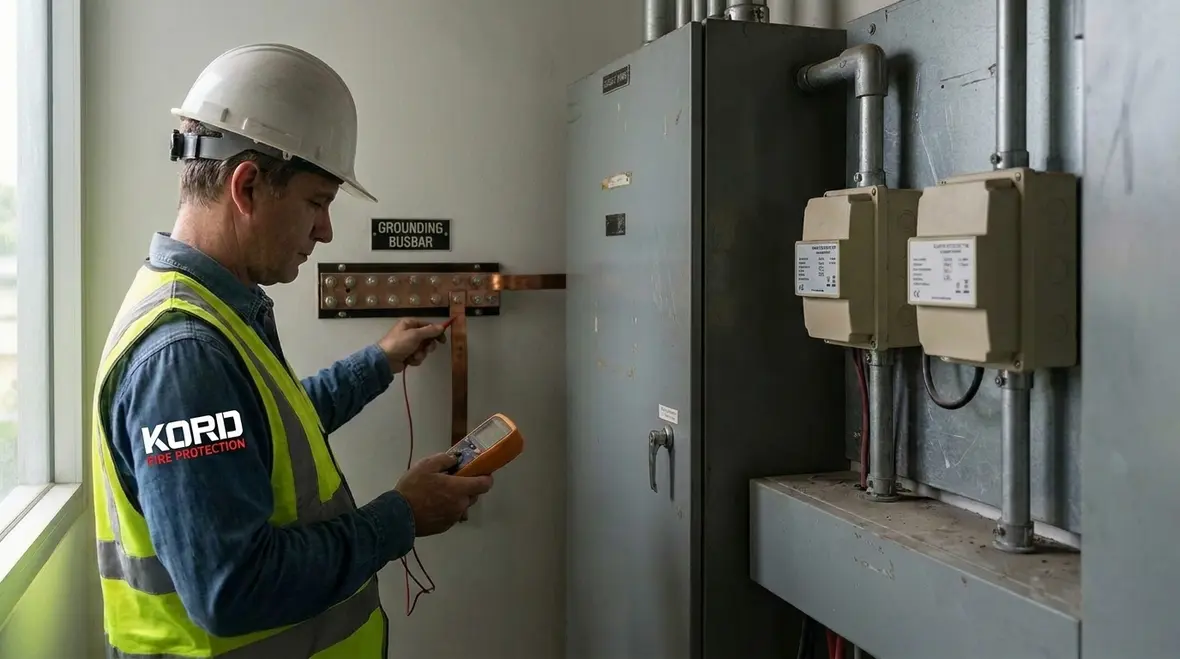
Grounding and bonding play a major role here. If the grounding system is inadequate, the protective pathway does not work as intended. The surge energy must have a clear, low impedance route. Additionally, poor bonding can create differences in potential across building systems, which then pushes unwanted current through equipment interfaces.
Do not forget signal pathways
Finally, modern facilities carry more than power. They carry data and control signals. So, the surge plan should include signal protection for communication lines and control circuits when required. This approach reduces interference that can corrupt network operations or trip sensitive controllers. In short, a coordinated design protects the whole ecosystem, not just the obvious equipment.
Surge sources in Australia and what facility teams should watch
Across Australia, surge events can come from multiple sources. Lightning activity is the headline, of course, but commercial sites also see surges from switching operations. When motors start, when transformers energize, or when loads change rapidly, the electrical system can generate transients. Fault conditions on the network can also create brief voltage disturbances that travel through distribution.
Facilities should watch for patterns that hint at surge exposure. For example, equipment issues that cluster after storms, after power cycling events, or after specific shifts in operations often point to electrical transients. Moreover, sites with long cable routes, multiple distribution boards, or shared conduits can see more coupling between circuits.
Therefore, a smart plan involves reviewing site layout, equipment lists, cable routes, and protective device locations. The goal is to identify where surges enter and where sensitive devices sit. When a team maps those paths, it can design protection that actually fits the real world, not a brochure.
Design choices that actually protect sensitive loads
Device selection and placement
Advanced surge protection depends on design decisions, and those decisions should match the facility’s equipment category and risk level. A high-level approach includes selecting the right surge protective devices based on expected surge conditions, voltage system type, and install configuration.
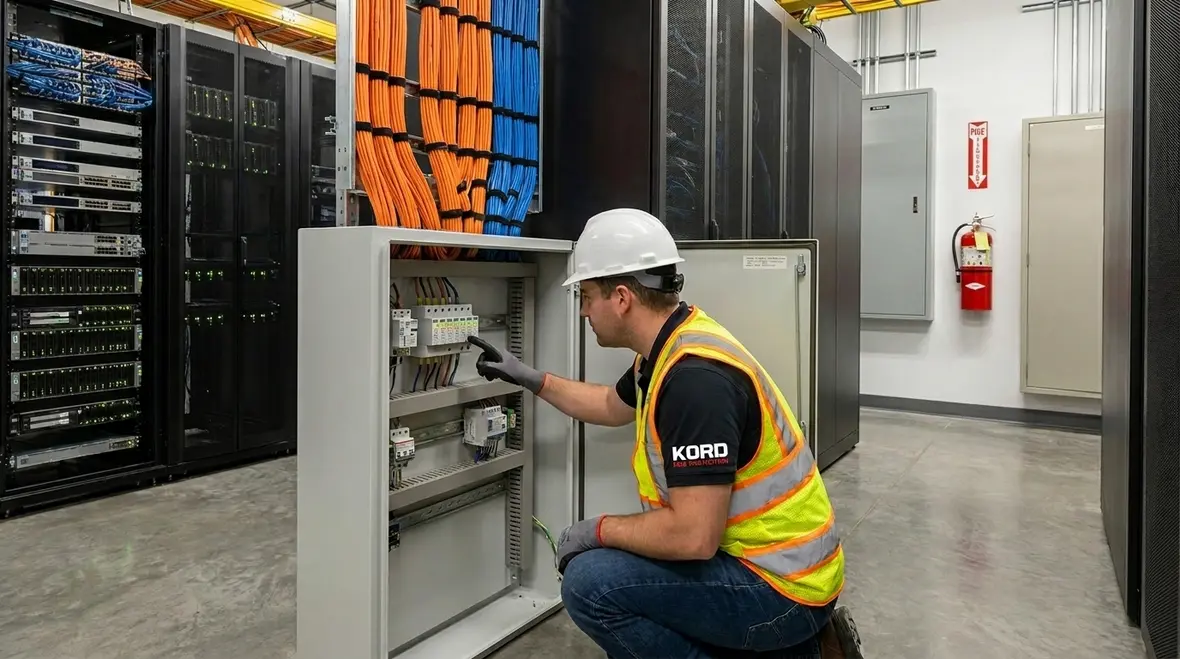
Placement is a key factor. If devices land too far from the panel or too far from the point of use, the energy can still stress equipment before the protective path engages. Also, the electrical cabinet layout matters. Short, well routed connections help reduce the voltage let through and improve performance.
Protection modes and coordination
Additionally, facilities should confirm that the system uses the correct mode protection where appropriate. Some surges stress equipment through line to neutral paths, while others act through line to earth paths. Therefore, the design should include the right protection modes and the correct ratings for the service environment.
Sometimes, teams ask, “If the surge protector is rated, why do we still need coordination?” Because ratings alone do not guarantee results. A rated device still needs correct application, correct bonding, and correct placement. Think of it like buying a fire extinguisher and then storing it in a closet with a padlock. It is there, technically. It is just not helping when it counts.
How Kord Fire Protection supports power and safety readiness
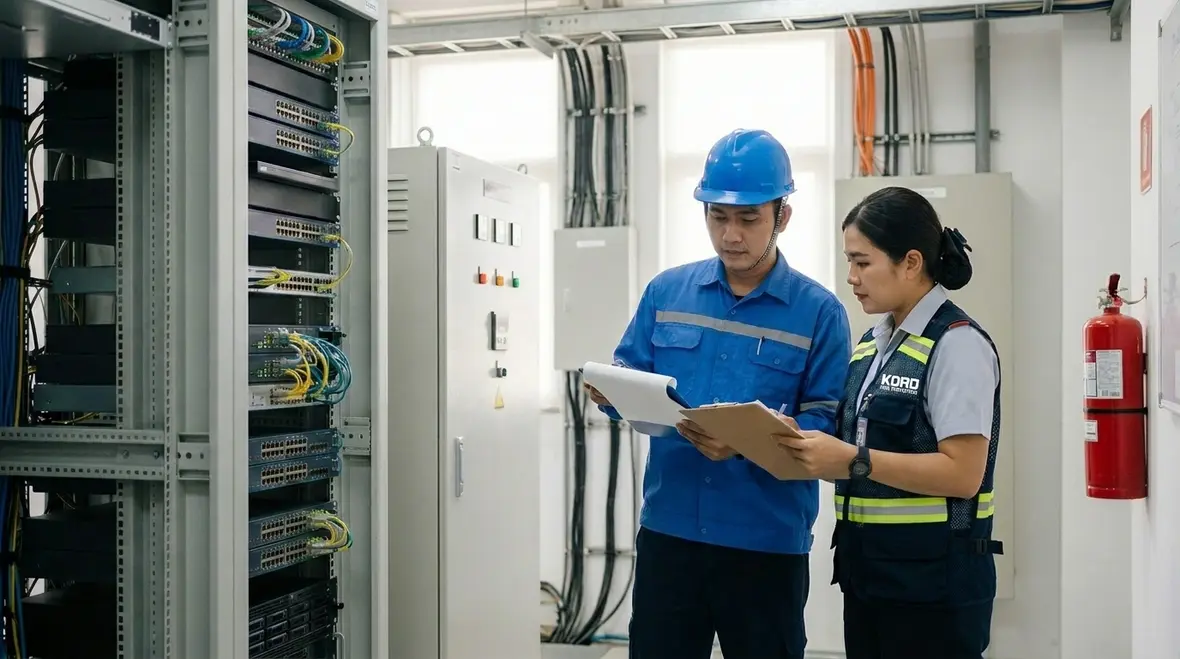
Surge protection and fire safety planning often get treated like separate worlds. In reality, facilities need a unified safety mindset. That is where Kord Fire Protection can become a vital partner. By aligning site protection practices, they help businesses build confidence across life safety and critical systems.
For commercial and facilities teams, this matters because many sites involve shared workflows, shared compliance documentation, and shared access constraints. When one partner helps coordinate the broader readiness plan, it reduces gaps that appear when power protection and life safety requirements live in different project lanes.
In addition, when teams plan around inspections and ongoing maintenance schedules, they can avoid downtime collisions. Therefore, businesses in industrial, retail, and multi site facilities across Australia benefit from a partner who can support consistent operational safety practices while surge protection reduces electrical vulnerability. Kord’s building fire safety emergency planning article also reinforces how readiness works best when planning, inspection, and real world operations stop living on separate planets.
Because yes, it is possible to have power protection installed and still get stuck when the overall safety plan is fragmented. Nobody wants that “I thought you had it handled” moment. Kord Fire Protection helps keep those moments from happening.
Surge protection focus
Incoming protection design, downstream coordination, grounding verification, and signal pathway protection for sensitive equipment.
How Kord Fire Protection fits
Assists with building site readiness and safety-aligned planning so critical systems stay supported across inspections and ongoing service.
Ongoing maintenance and testing that keeps protection credible
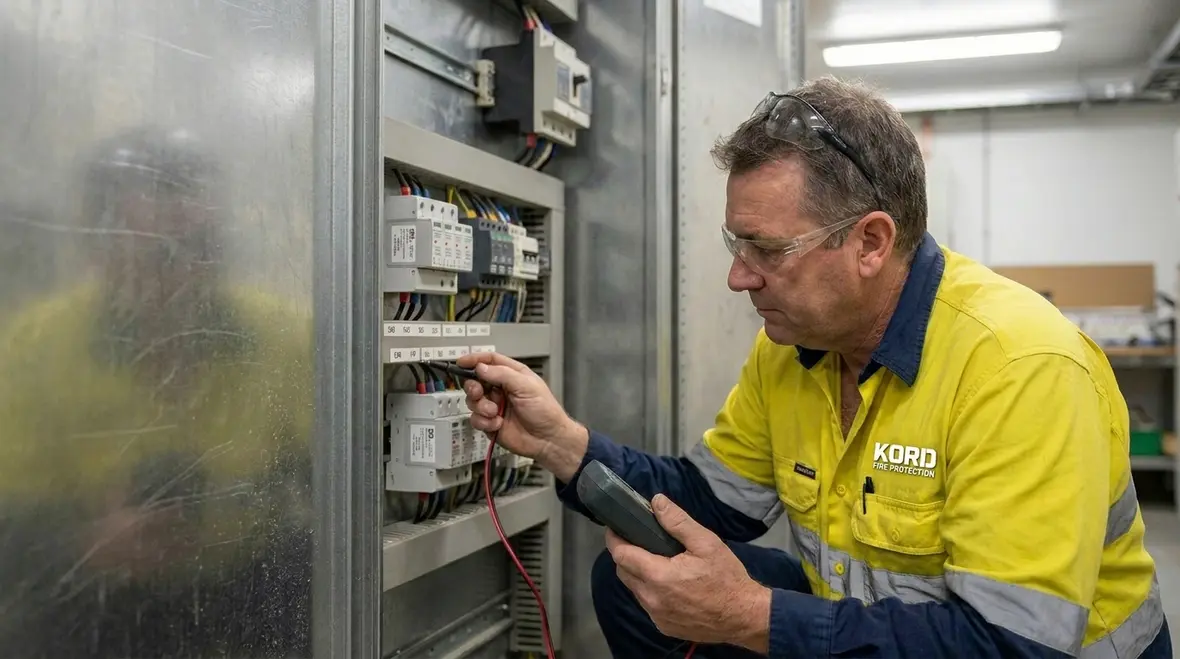
Surge protection does not behave like a set and forget appliance. Devices can age based on exposure, wiring conditions, and electrical stress. Therefore, facilities should include inspection routines as part of their asset management plan. This includes verifying connections, checking for signs of thermal stress or wear in cabinets, and confirming installation integrity.
Some sites also benefit from documenting protective device status and service history. That creates a clear trail for internal governance and for external audits. Moreover, if equipment upgrades occur, the surge protection strategy should be reviewed. New machines, new drives, new communications equipment, and new distribution layouts can shift risk.
Ultimately, maintenance protects the protection. When systems are kept in good order, they stay ready for the next surge event, whether it is a storm day or a switching day. And as anyone who has worked in facilities knows, “switching day” can still be chaos, just with better scheduling. That emphasis on documented upkeep fits naturally with Kord’s broader inspection-minded content, including protecting commercial and industrial buildings with inspections, where prevention is treated as cheaper, calmer, and much less annoying than repair after failure.
FAQ about commercial surge protection
Final word: safeguard the next storm, then call for a site plan
Commercial equipment protection needs more than a single device. It requires coordinated design, correct grounding, and sensible placement for power and signal pathways. When businesses want dependable uptime, they should plan surge protection as part of their facility risk approach.
For sites across industrial, retail, and facilities operations in Australia, reach out to plan a protection strategy and build it with Kord Fire Protection as a vital partner for safety aligned readiness. The goal is simple: fewer nasty surprises, steadier operations, and a lot less midnight detective work around cabinets and controls.

Join Our Newsletter!
Get the latest fire safety tips delivered straight to your inbox From our Newsletter.