Clean Agent vs CO2 Fire Suppression for Your Facility
Clean Agent vs CO2 Fire Suppression
In the debate between clean agent vs co2 fire suppression, the right choice often comes down to the room, the risk, and how quickly people need to return to work. Clean agent systems use specially engineered gases that interrupt the fire chemistry, so they leave little residue and usually support faster cleanup. CO2 systems, by contrast, rely on displacing oxygen to stop the flame, which means space control, warning, and re-entry planning matter a lot. Therefore, facility managers and safety leaders should weigh more than the upfront price tag, because fire protection is not a “set it and forget it” purchase. And yes, a wrong decision can turn an emergency into an expensive inconvenience that no one wants, even if it sounds dramatic in movies.
What is clean agent fire suppression, and how does it work
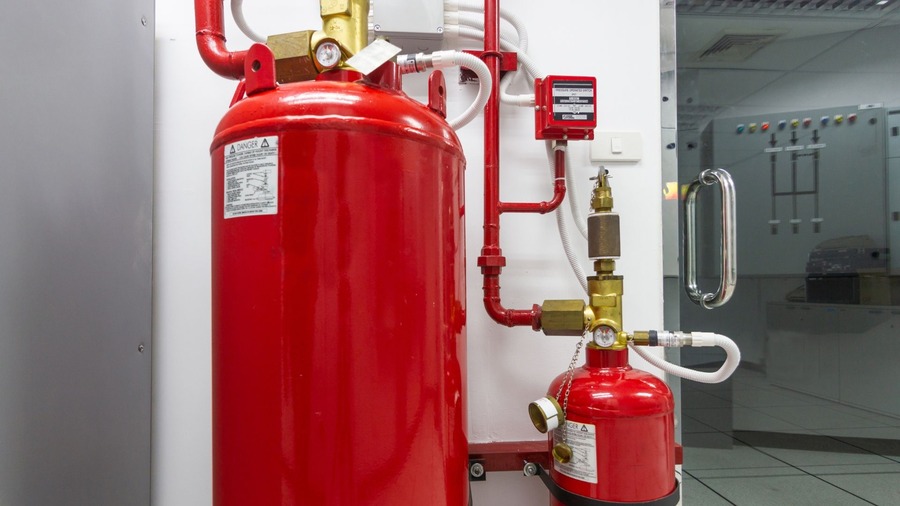
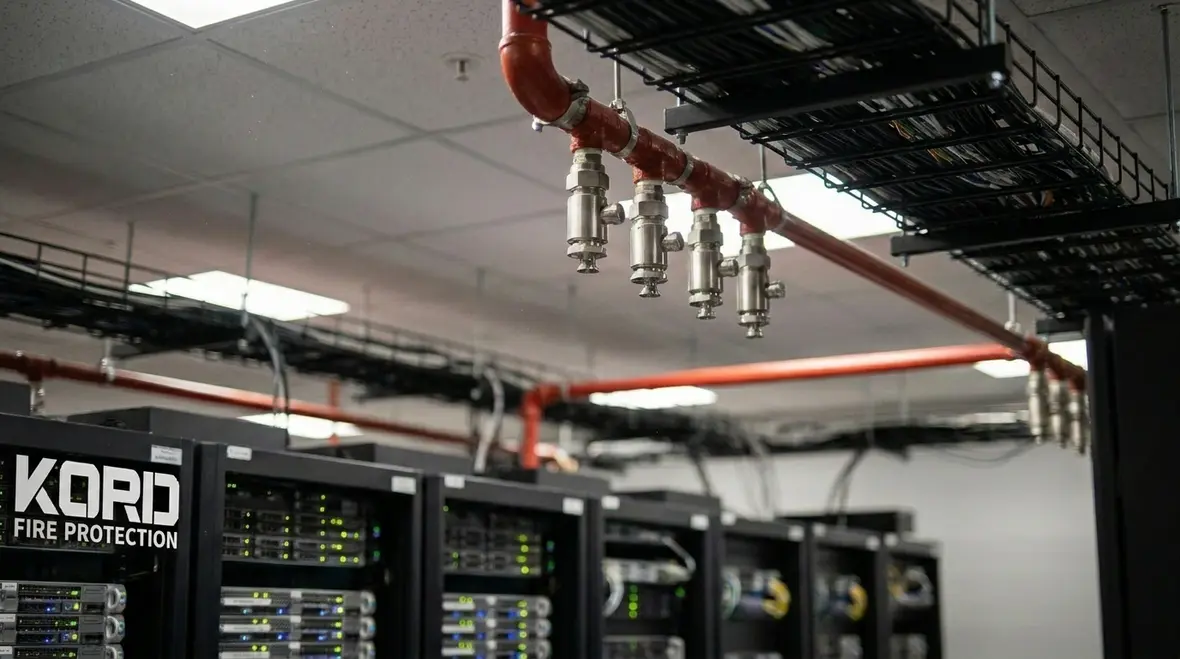
Clean agent fire suppression uses gases like FM 200, Novec 1230, or similar agents to stop a fire without leaving heavy residue. Typically, the system releases agent through nozzles into a protected space. Once the agent mixes with the flame, it disrupts the chemical chain reaction that feeds the fire. As a result, the fire goes out rather than “burning itself out” after oxygen changes.
Because these agents are designed to minimize damage, they fit well where downtime costs real money. That includes server rooms, control rooms, data centers, telecom closets, and other high value spaces. Moreover, clean agent systems often help reduce post discharge cleanup, since they avoid the soot and residue associated with some alternatives. Kord Fire’s clean agent fire suppression service page explains how these systems are commonly used in spaces where water would create a second disaster after the first one.
Still, the details matter. A clean agent system must match the hazard classification, the enclosure integrity, and the discharge design. If the space leaks air like an old screen door, the agent will not hold concentration long enough, and the system will underperform. In other words, engineering and installation quality decide the outcome. That is also why related planning like room integrity testing matters so much before anyone assumes the job is done.
Why clean agent systems are popular in critical rooms
Sensitive electronics do not enjoy being sprayed, soaked, or covered in residue. That is putting it politely. In facilities where uptime matters, clean agent systems are often selected because they help suppress fire while limiting collateral damage. Kord Fire also covers this well in its article on clean agent fire suppression for critical equipment, which aligns closely with the kind of spaces facility managers worry about most.
How CO2 fire suppression controls fires using oxygen displacement
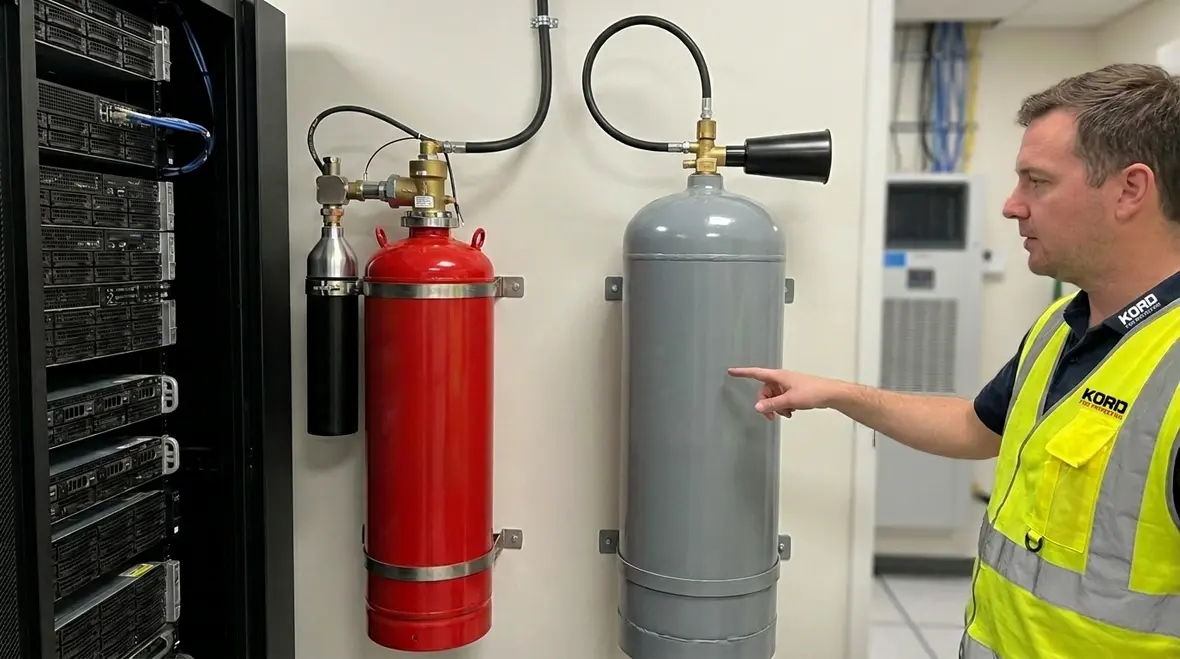
CO2 fire suppression puts out fires mainly by reducing available oxygen. When CO2 releases, it floods the space and lowers oxygen levels below what fire needs to keep burning. Therefore, the effectiveness depends on proper concentration, correct distribution, and tight controls around the hazard area.
CO2 systems also require strong safety planning because CO2 can be dangerous to people at high levels. Consequently, these systems rely on warning devices, time delays, door interlocks, and clear procedures for evacuation and re entry. In a well run facility, this works. In a poorly planned one, it can become the safety department version of “oops, we forgot the important part.” Kord Fire’s overview of CO2 fire suppression systems and its guide to CO2 activation in emergencies both reinforce how much procedure matters with this type of protection.
CO2 can also cause cold effects during discharge, and the protected space may need more attention before operations restart. Even when the fire goes out, the area may require ventilation checks, controlled re-entry, and a clear confirmation that the hazard is truly under control. That is why a CO2 system is rarely just a hardware decision. It is an operational decision too.
Where CO2 often makes more sense
CO2 systems can still be a smart fit in industrial environments where hazards are well defined, occupancy is controlled, and the team already operates with disciplined access procedures. If the facility can support the required concentration and evacuation measures, CO2 may serve the application well. The key is respecting the system for what it is instead of pretending every protected room behaves the same.
Clean agent vs CO2 fire suppression: which fits specific environments
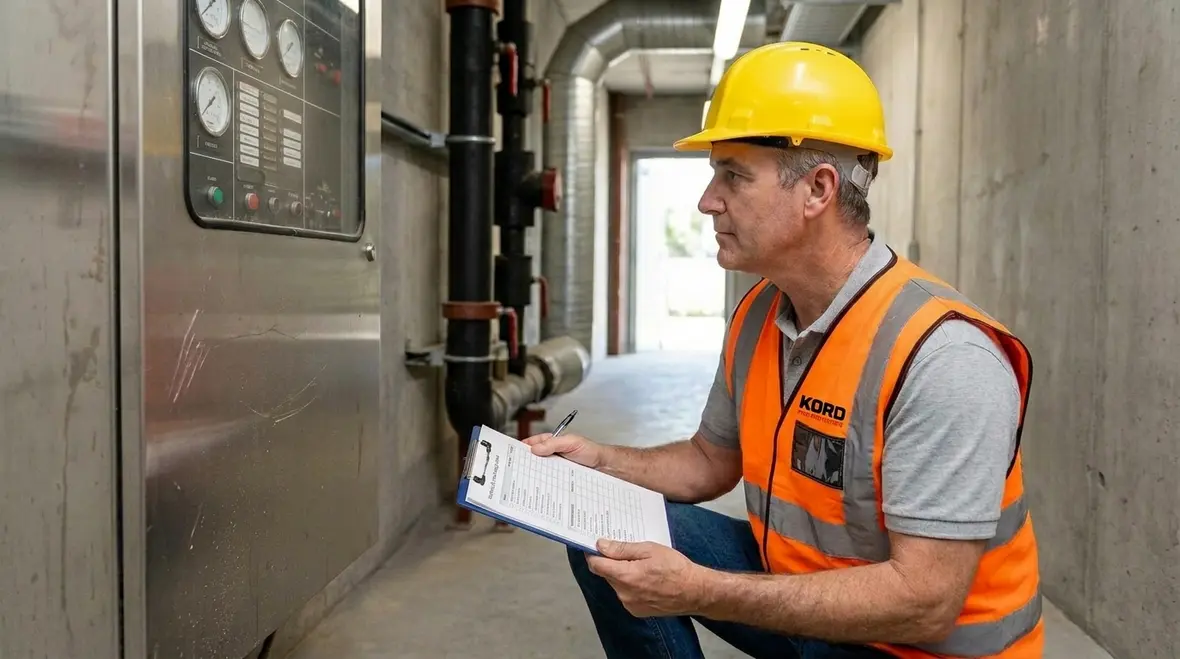
When teams compare clean agent vs co2 fire suppression, they should start with the environment and the mission of the space. For electronic and sensitive areas, clean agent systems often support faster restoration because they are designed to reduce damage and cleanup time. For example, a modern control room needs to keep equipment safe and keep disruption short. A clean agent discharge can help protect that equipment without coating it in residue.
In contrast, CO2 can work well for certain industrial hazards, especially where the protected space can support the required concentration and where evacuation procedures are already strong. Also, CO2 systems can integrate into facilities that already manage hazardous atmospheres and strict access rules.
However, no one should treat this like a simple winner takes all comparison. Facility layout, enclosure type, airflow patterns, ceiling height, and internal obstructions all change the discharge design. As a result, the “best” choice becomes a site specific decision, not a debate that ends in a coffee break.
Questions to ask before choosing either system
Is the space normally occupied, rarely occupied, or restricted access only?
How critical is rapid restart after a discharge event?
Can the enclosure hold the required concentration long enough to do the job?
Would residue, moisture, or extended ventilation create business interruption?
Has the room changed since the last design review, even in “small” ways?
These are not glamorous questions, but they are the ones that usually save money, prevent headaches, and keep emergency response from turning into organized confusion. Kord Fire’s recent comparison on clean agent vs traditional fire suppression systems also supports the bigger point that suppression choices should follow the environment, not generic assumptions.
Safety, occupancy, and compliance factors that drive the decision
Both systems require safety controls, but the emphasis shifts. Clean agent systems still need access control, signage, and procedures. Yet they typically aim to reduce long term contamination and help protect people by limiting exposure time under designed discharge conditions. In practical terms, facilities still run drills, train staff, and verify that doors and ventilation behave as intended.
CO2 systems place greater focus on oxygen reduction risks. Therefore, they require robust pre discharge alarms and strict limits on occupancy during discharge. Many installations use door closers, interlocks, and ventilation control so the space performs as the engineering calculations assume.
Compliance matters too. Codes and standards guide design, testing, and maintenance. Yet codes do not replace real world planning. A company can meet the letter of the standard and still fail operationally if the facility team does not understand the workflow during an event. That is where strong partners help. Kord Fire’s article on the clean agent standard for fire suppression systems is a useful companion for understanding why design and maintenance details carry so much weight.
Occupancy changes everything
A room that people enter all day has different planning needs than a sealed industrial hazard area with restricted access. That sounds obvious, yet it is exactly where many bad assumptions begin. Occupancy affects alarm strategy, discharge timing, signage, training, re-entry planning, and how much tolerance the business has for disruption. In short, if people use the room differently than the original drawings assumed, the system decision deserves a second look.
Lifecycle costs, maintenance, and the real meaning of downtime
Budget conversations should include more than the initial system cost. Clean agent systems often reduce cleanup and restoration time, which can lower overall downtime. Since downtime can cost more than repairs, the financial impact can shift even when material costs look different.
Maintenance also influences lifecycle cost. Both systems require periodic inspections, cylinder checks, and proof of proper operation. Yet the biggest difference shows up after discharge. If a system discharges accidentally or experiences a real event, the cleanup and recovery plan matters. Clean agent systems generally aim to keep residue low, so affected spaces can return to service faster.
CO2 recovery can take longer depending on the space, ventilation setup, and occupant access protocols. In some facilities, that delay becomes a business burden. So the best approach uses cost modeling that includes re entry time, restoration scope, equipment protection, and labor.
And if anyone tries to treat “maintenance” like a once a year checkbox, remind them the fire does not care about their calendar. Fire is rude like that.

Why Kord Fire Protection becomes a vital partner for installation and service
Choosing a system is not the end of the story. The performance depends on correct design, careful installation, and steady service. Kord Fire Protection can become a vital partner with this service job by supporting the process from site review through ongoing inspections. They can help teams select the right approach, verify hazard details, and ensure the enclosure and actuation design match the engineered assumptions.
Additionally, a reliable service partner helps keep documentation current, supports testing and training, and coordinates with facility operations so downtime stays controlled. In the real world, facilities change. Cabling grows. Layout shifts. A “small” remodel can affect airflow and enclosure integrity. Therefore, professional service should include checks that the protection still fits the space as used today.
Most importantly, Kord Fire Protection can guide businesses in planning response procedures that employees actually follow. Because the best system in the world still needs people to do their part when the alarms sound. And no, a heroic sprint to the wrong door does not count as a safety plan.
If your facility needs a broader solution review, Kord Fire’s fire suppression services page is the right place to start. It works well as a next step for teams that are comparing clean agent and CO2 options but also need a contractor who can assess the full protection picture, not just one product line.
FAQ
Conclusion
When deciding between clean agent vs co2 fire suppression, the best choice depends on hazard type, occupancy goals, enclosure performance, and how fast the business needs to restart. Clean agent systems often reduce residue and support quicker recovery, while CO2 systems demand strict oxygen safety controls and careful space management.
To make the decision stick, facilities should partner with a team that understands design details and service realities. Contact Kord Fire Protection today to review your space, clarify requirements, and build a plan you can trust when it matters most.

Join Our Newsletter!
Get the latest fire safety tips delivered straight to your inbox From our Newsletter.