Industrial Fire Suppression Power with Redundancy and Design
Quick Answer
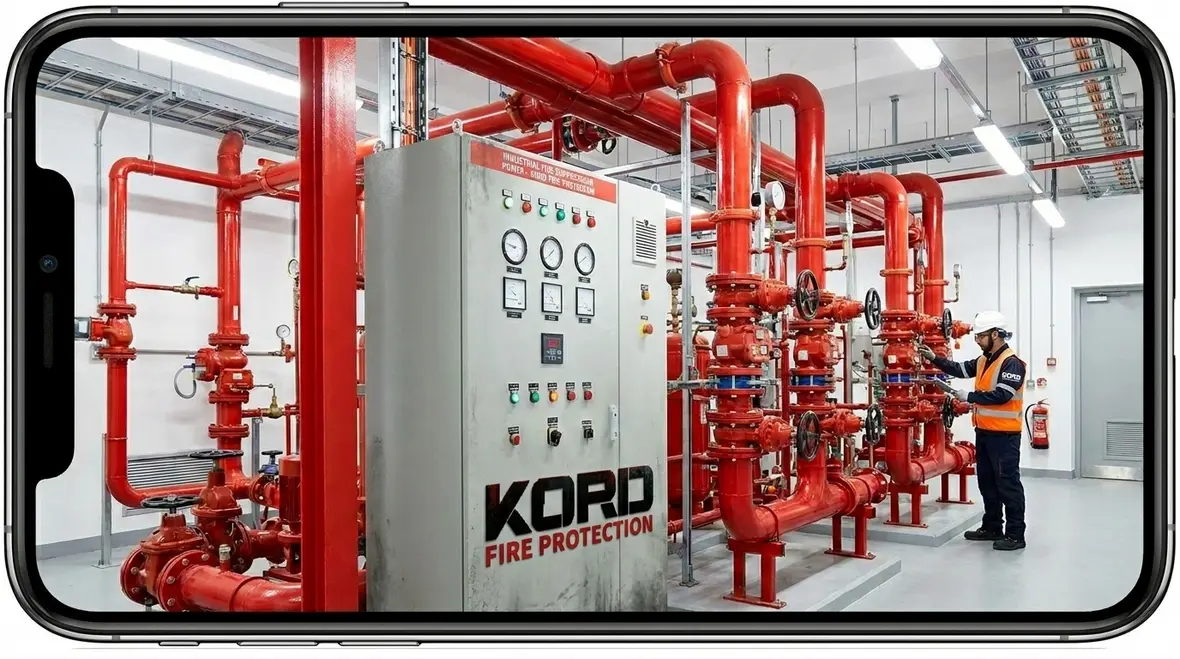
Industrial fire suppression depends on more than picking a nozzle and hoping for the best. It requires smart infrastructure design, clean routing, reliable power, and redundancy across every critical component. When those pieces work together, the system responds fast and stays dependable. That is where Kord Fire Protection can support the full job.
In the world of industrial fire safety, industrial fire suppression power is not a slogan. It is the backbone of a system that must hold up under stress, respond under pressure, and keep doing its job when the site needs it most. From refineries and warehouses to retail back-of-house and complex facilities, the right infrastructure design and redundancy plan can turn fire suppression from a compliance checkbox into dependable protection. And yes, when it is done correctly, the system works even if everyone else is having a long day. Because fires do not care about shift changes. For facilities reviewing broader fire suppression services, it helps to connect system design decisions with long-term maintenance and operational readiness from the start.
How infrastructure design drives reliable industrial protection
Third person teams understand that robust industrial fire suppression starts with how the system is built into the facility. First, the design team maps hazards by location, fuel type, and exposure risk. Then, they plan pipe routes, valve locations, and discharge patterns so they match the actual layout, not an optimistic drawing that looks good in a meeting room.
Next, they choose materials that fit the environment. For example, corrosive zones, vibration areas, and temperature extremes demand the right pipe supports and coatings. In the same way, underground and overhead routing needs protection so it does not lose pressure or create future leaks. After that, they design access points for inspection and maintenance, because a system that cannot be serviced is like a superhero with a locked phone.
Finally, the design should align with detection and control. That means interlocks and control logic connect properly to alarms, shutdown systems, and status monitoring. When these elements coordinate, the suppression system triggers without delay and without confusion.
Design has to work in the real building, not just on paper
That sounds obvious, but it is where a lot of frustration begins. Industrial sites change. Equipment gets moved. Utilities appear where no one expected them. Ceiling and rack layouts shift. If suppression piping, access pathways, and controls are not coordinated with those realities, the system can become difficult to inspect, awkward to service, or vulnerable to accidental damage. Good design accounts for those headaches early instead of pretending they will politely solve themselves later.
Design choices that prevent failure at the worst time
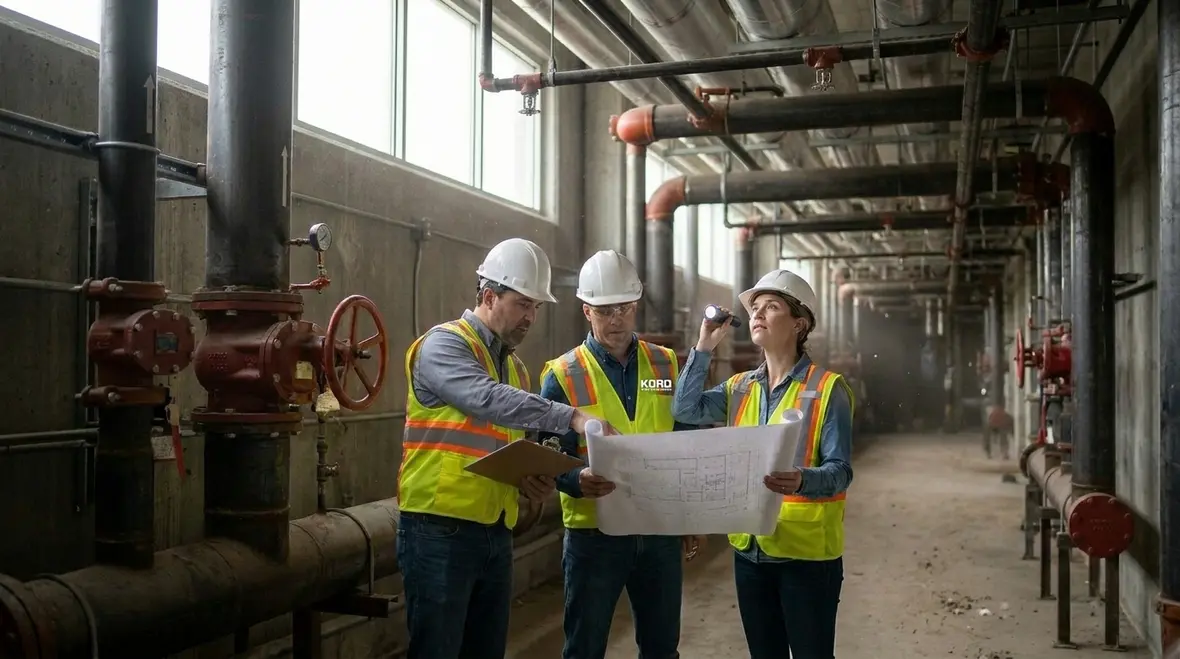
Industrial and retail facilities often run busy, and busy sites accumulate problems. Therefore, the design must reduce single points of failure. It should also prevent common issues like poor hydraulic balance, clogged or misrouted piping, and weak mounting practices.
For water based systems, hydraulic calculations must account for elevation changes, friction losses, and realistic water supply behavior. If a design overestimates pressure, the discharge may fall short when it matters. If it underestimates demand, it may delay activation or reduce coverage. To avoid that, teams validate assumptions early and coordinate with the fire pump or water supply details. Kord Fire Protection’s article on essential fire pump electrical requirements and design is a helpful companion when power planning and suppression performance intersect.
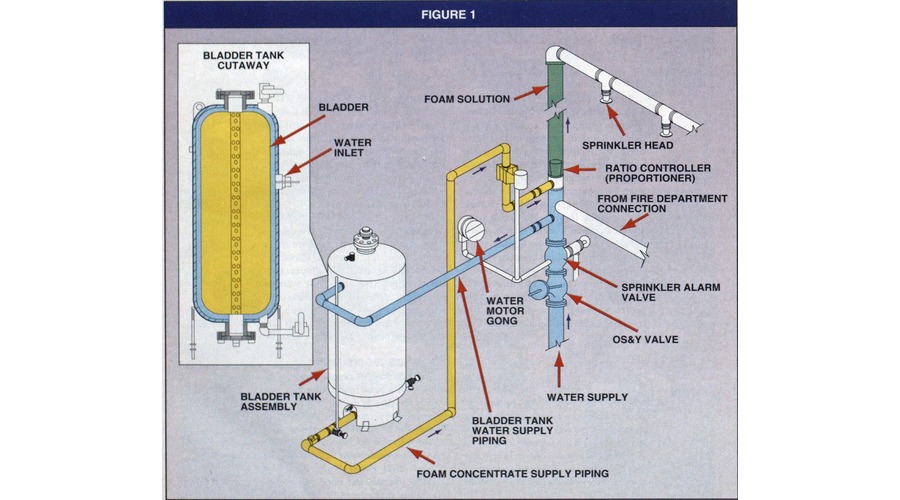
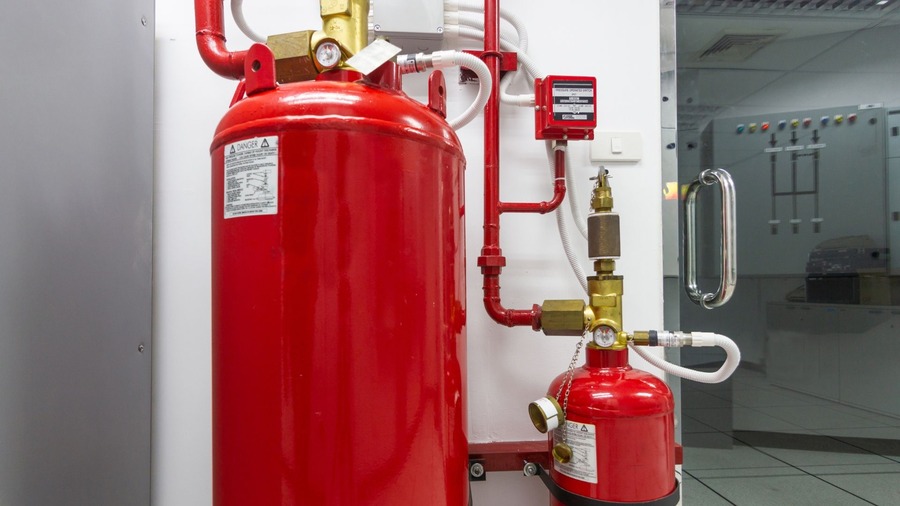
For gas and foam systems, design teams must control flow paths, cylinder or tank arrangement, and actuation logic. If the system is built in a way that makes manual overrides complicated, staff waste time during emergencies. On that note, they should also design signage, access, and maintenance schedules so the site knows what to do without improvising like a late season game show.
Small oversights become big failures under pressure
A missing identification label, a valve that is hard to reach, or a support detail that was “close enough” can seem minor during installation. During an emergency, those same details become a tax on time and clarity. A site does not need drama when a system activates. It needs obvious controls, predictable performance, and components that were installed like someone expected them to face a very bad day.
Where redundancy matters most in industrial fire suppression power
Redundancy is not extra cost for its own sake. It is a plan for what happens when something fails. In robust systems, redundancy typically applies to power, control paths, water supply reliability, and critical components that must perform every time.
Power redundancy is a major point. Facilities need reliable electrical supply and monitored backup capacity so the system stays ready during outages, maintenance, or temporary instability. Control redundancy should also protect against faults in wiring, panels, or sensors. If a single component fails, the system should still reach a safe state and maintain its ability to act.
For water based systems, redundancy often includes fire pumps and standby arrangements, plus reliable valves and monitoring so staff can confirm readiness. Kord Fire Protection’s overview of NFPA 20 fire pump design, installation, and compliance highlights practical details such as valves, accessories, and power and controller considerations that support reliability. For gas systems, redundancy can include proper arrangement for reliable discharge, verified actuation circuits, and maintained backup controls where applicable.
Importantly, redundancy must be verified through testing and commissioning. A redundant system that never gets checked can fail silently, and nobody enjoys a silent failure. That is the kind of plot twist that burns the whole theatre down.

Building resilient infrastructure for maintenance and performance
Industrial facilities cannot shut down whenever someone wants to inspect pipes. Therefore, infrastructure design should support maintenance without disrupting operations more than necessary. The right approach includes clean isolation points, accessible valves, and scheduled inspection pathways that technicians can reach safely.
Additionally, the design should support long term performance. That means planning for strain, support spacing, thermal movement, and vibration resistance. It also means considering how the system will handle dust, steam, humidity, and chemical exposure. Facilities see wide environmental swings, and that can affect components unless they are specified and installed properly.
Equally important, the team should define inspection and test procedures early. When the operating model includes routine checks of gauges, alarms, and flow tests, the suppression system stays ready. As a bonus, good documentation reduces confusion during audits and emergencies. Kord Fire Protection’s guide to fire pump testing requirements is a natural internal resource for teams building maintenance planning around water based protection.
Maintenance friendly design also improves response speed. If staff can confirm which zone is protected and which components are active, the emergency response becomes calmer and more controlled. In other words, it saves time, and time is often the difference between damage and containment.
Maintenance access is part of performance
A system that tests well on day one but becomes painful to inspect six months later is not a complete success. Protected pathways, smart valve placement, and room to safely reach key components make future testing faster and more accurate. That is not glamorous, but neither is explaining to a technician why the inspection point ended up behind a forklift charging area.
Commissioning, testing, and control integration across facility systems
Even the best design can underperform without strong commissioning. Therefore, the project team must test the system end to end, from detection signals to valve actuation and discharge behavior where appropriate. They should also verify alarms, fault indications, and control panel responses so the facility receives clear information.
Integration matters because industrial fire events rarely stay in one area. Production shutdowns, ventilation control, door releases, and alarm announcements can all influence outcomes. If the suppression system triggers but the facility fails to manage smoke movement or power isolation, risk rises. Thus, the control strategy must coordinate with other building systems.
During commissioning, the team should document results and address deficiencies quickly. Furthermore, they should confirm that monitoring systems show the correct status across zones so supervisors can act with confidence. When the system communicates clearly, response teams make faster decisions. And that is the kind of efficiency that never goes out of style.
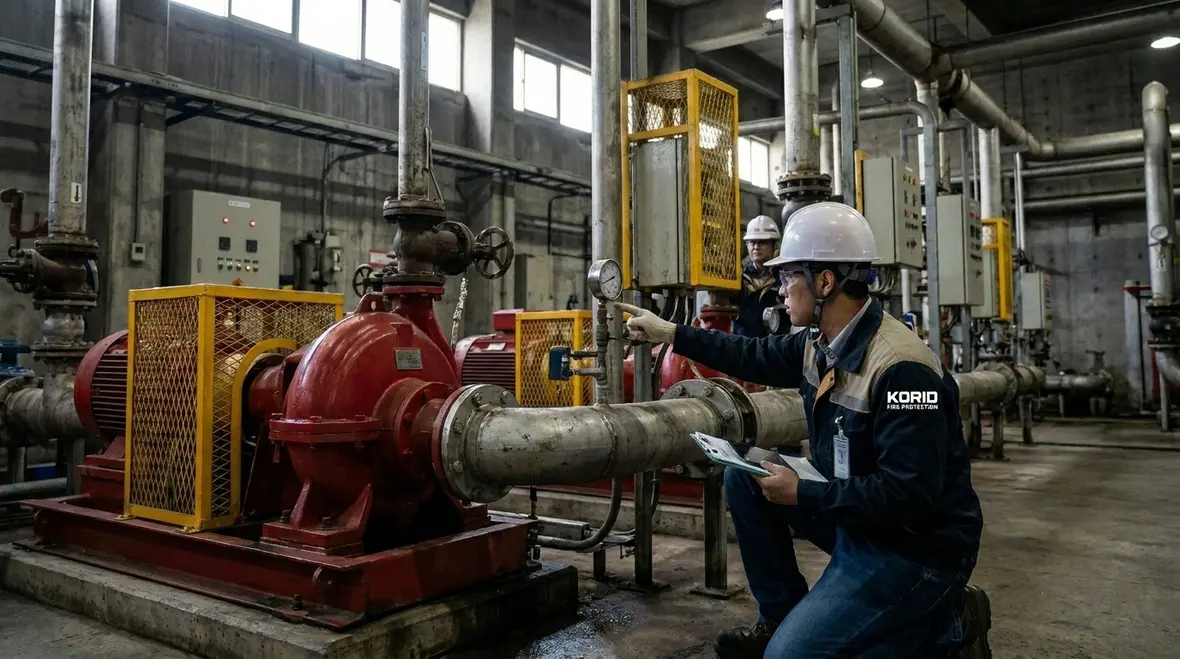
Kord Fire Protection as a vital partner for industrial projects
Industrial fire suppression power is strongest when the service and installation team works as a true partner, not a last minute vendor. Kord Fire Protection helps facilities strengthen the entire lifecycle of protection, because robust fire safety is not just about the initial build.
First, Kord Fire Protection supports job teams with planning coordination, sensible design review, and practical guidance for infrastructure decisions. Next, it can assist with commissioning support and ongoing inspection readiness so systems remain reliable over time. This matters across commercial, warehouse, and industrial sites, where equipment changes and layouts evolve.
Then, Kord Fire Protection aligns with the reality of active facilities, including compliance expectations, site access requirements, and maintenance schedules that do not shut everything down. In short, when Kord Fire Protection becomes the vital partner on the service side, the facility gains a dependable path from design intent to real-world performance. Because “we installed it” is not the same as “it will protect you when it counts.”
How to plan a safer upgrade when the site is already operating
Upgrades happen. Plants expand, facilities remodel, and sites add new processes. Yet, changing an existing suppression system can create risk if the project plan is messy. Therefore, teams should approach upgrades with clear staging, isolation planning, and minimal downtime strategies.
They should also conduct a current hazard review. If production has changed since the last design, coverage needs may shift. After that, the team should map existing pipe routes and confirm what remains usable. Sometimes rerouting or adding zones requires coordination with ceiling spaces, structural supports, and existing services.
During the upgrade, they should manage temporary protection and verify readiness of critical components. Once work completes, they must test and document the system before returning it to full service. This keeps the suppression system reliable rather than temporarily “good enough,” which, as anyone who has ever tried to fix a toaster with duct tape knows, is rarely good enough.
Upgrade planning should protect the present while improving the future
It is easy to focus on the final upgraded condition and forget the in-between period when portions of the system may be isolated, rerouted, or temporarily out of service. That transition phase deserves just as much discipline. Temporary protection, clear sequencing, and documented return-to-service testing are what keep a necessary upgrade from becoming a risky guessing game.
FAQ
Take the next step with a partner that thinks in systems
Industrial fire suppression protection succeeds when infrastructure design and redundancy work as one connected plan. Facilities should prioritize reliable power, accessible maintenance, coordinated controls, and verified commissioning. The strongest systems are the ones that stay practical to inspect, easy to understand during an incident, and resilient when one component decides to have a bad day.
If your site needs upgrades or service support, Kord Fire Protection can act as the vital partner that helps the system perform as intended, not just as installed. Contact Kord Fire Protection to plan a safer, more dependable protection pathway built around real infrastructure, real maintenance, and real-world reliability.

Join Our Newsletter!
Get the latest fire safety tips delivered straight to your inbox From our Newsletter.