Streamline Fire Alarm Maintenance Schedules for Compliance
Fire alarm issues rarely show up like pop quizzes. Instead, they arrive when life gets busy, crews get slammed, and compliance deadlines sneak up like a villain in a superhero movie. That is why many teams start with our fire alarm maintenance schedules and then build a real plan around them. In this article, Kord Fire Protection technicians explain how to streamline fire alarm maintenance schedules for compliance and efficiency, so systems stay ready, records stay clean, and costs stay predictable. Moreover, the goal is simple: fewer surprises, better uptime, and documentation that auditors do not enjoy tearing apart.
What makes fire alarm maintenance schedules easier to follow?
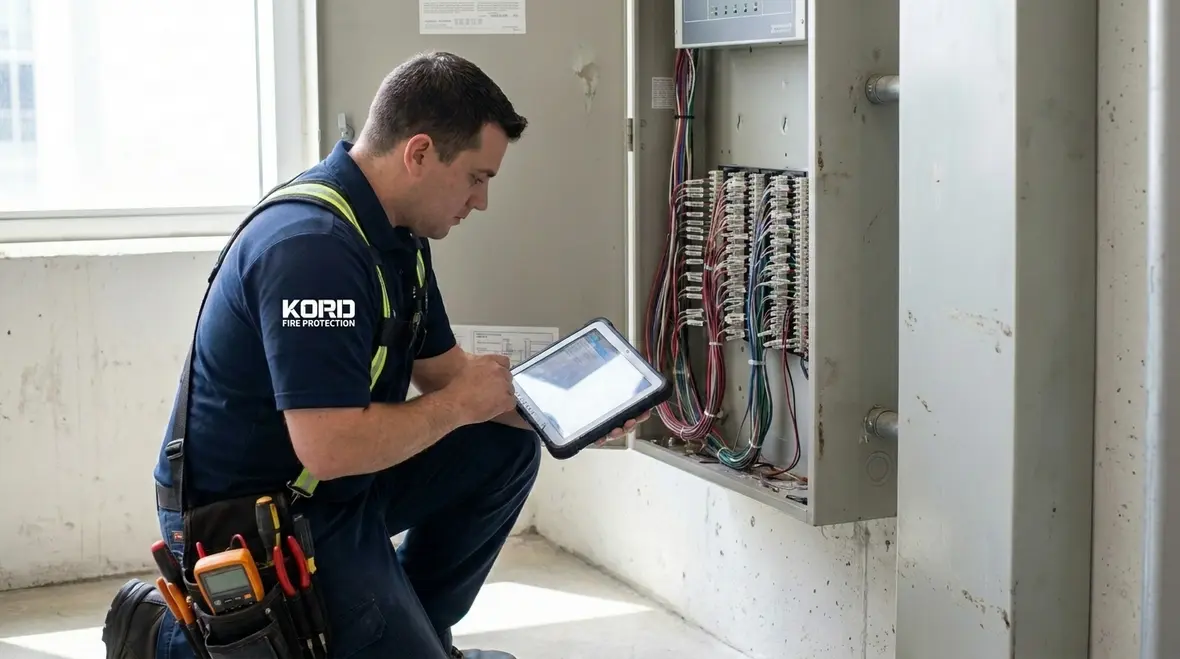
Maintenance becomes easier when the schedule matches how the building actually works. Kord Fire Protection technicians often begin by mapping each system to the site’s risk level, occupancy, and operating hours. Then, they align tasks with times when disruption is least painful. For example, they may test during low-traffic windows instead of during shift changes. After that, they standardize the checklist so crews do not improvise under pressure.
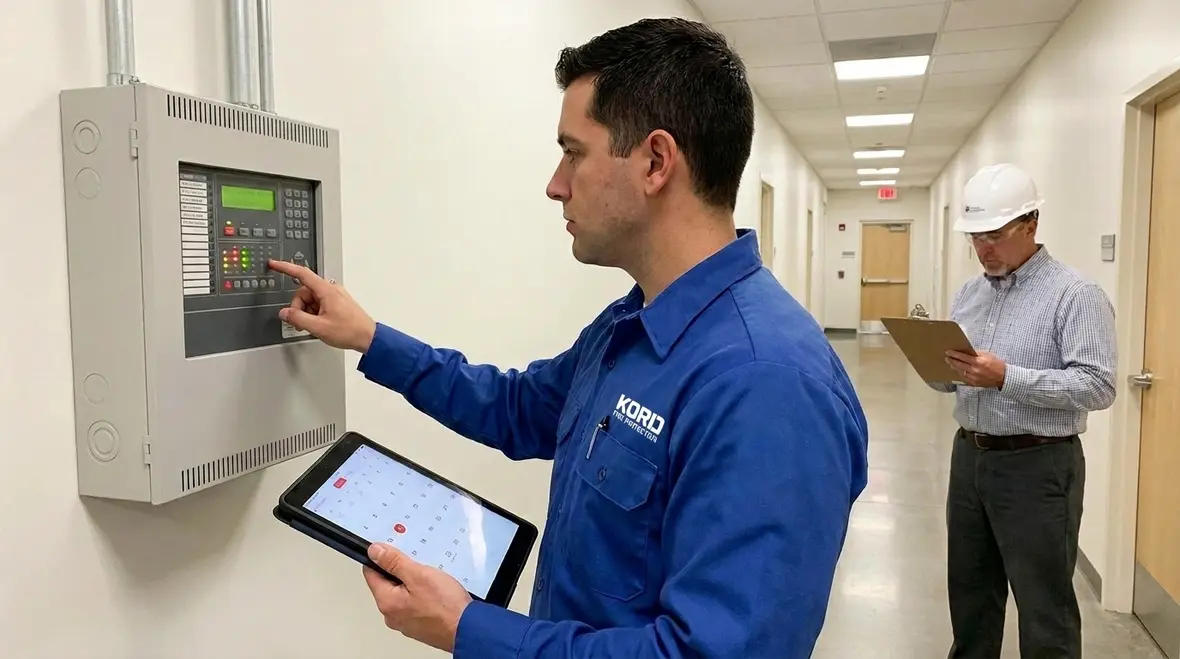
Next, they reduce confusion by tying each visit to a clear outcome. One visit confirms device health. Another focuses on system control panels and notification pathways. Meanwhile, reporting moves at the same pace as the work, so records do not pile up like unused printer toner. This kind of consistency works especially well when paired with a stronger understanding of fire alarm inspection and testing for commercial buildings, because the schedule then reflects real testing expectations instead of wishful thinking scribbled into a calendar.
When fire alarm maintenance schedules feel like a routine, compliance stops being a scramble. Instead of chasing deadlines, teams follow a rhythm that supports both safety and budget planning. That shift may sound simple, but it is usually the difference between a facility that stays prepared and one that keeps discovering surprises at the worst possible moment.
Build the schedule around the building, not around guesswork
A school, warehouse, office tower, and healthcare facility do not operate the same way, so their maintenance calendars should not pretend they do. Kord Fire Protection technicians look at occupancy patterns, peak hours, and access limitations before locking anything in. That keeps the plan realistic. And realistic schedules are the ones people actually follow, which is a very underrated talent in the compliance world.
Aligning compliance requirements with real maintenance work
Compliance does not have to feel like reading a phone book aloud. Kord Fire Protection technicians explain that the key is translating requirements into practical steps that fit the site. They review local codes and the applicable standards for testing, inspection, and documentation. Then, they connect those steps to the system’s actual hardware and operating behavior.
For instance, a building with frequent after-hours activity may require tighter attention to emergency voice systems and notification performance. Conversely, a quieter facility might still need regular testing, but the work can be staged to minimize downtime. In both cases, the schedule needs to show a consistent pattern of what was checked, what was found, and what was corrected.
Additionally, the schedule should include spare parts planning. If a device fails during a test, the team should not wait weeks for a replacement. Instead, a streamlined plan tracks lead times and keeps critical items ready. That approach protects system readiness and avoids repeat visits that never feel exciting, no matter how dramatic the situation looks. It also supports broader inspection readiness, much like the approach discussed in Kord Fire Protection’s business fire inspection checklist 2026 guide.
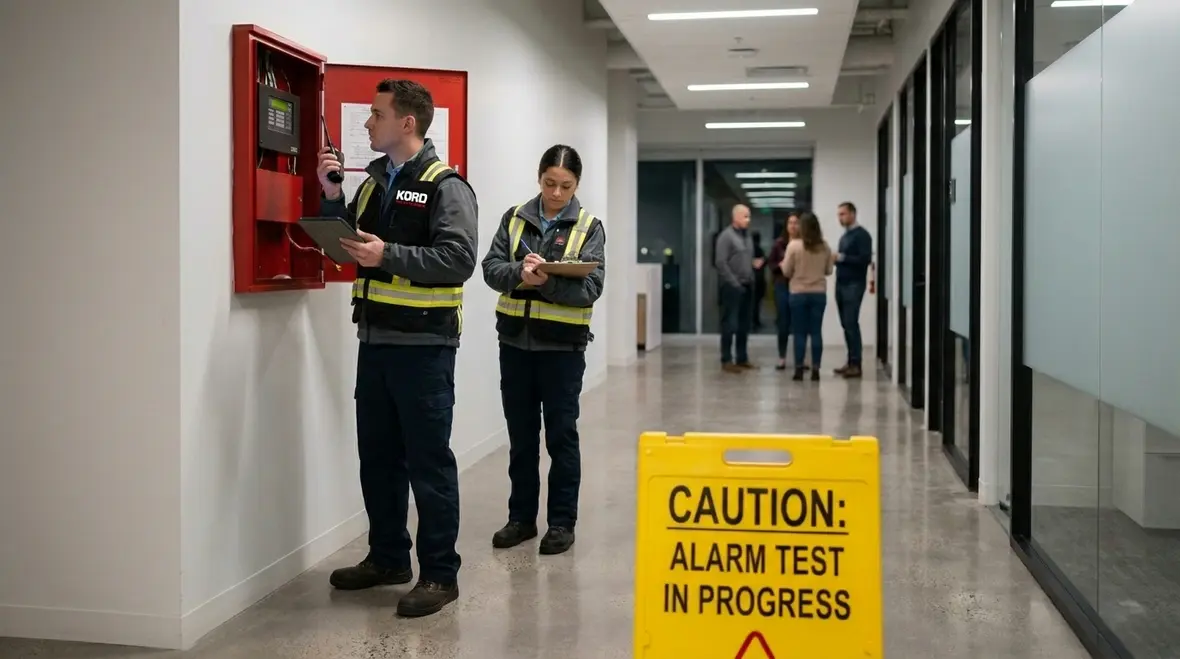
Turn requirements into steps crews can repeat
The best maintenance programs do not leave room for mystery. Every requirement should connect to a repeated action, a checkpoint, and a record. Once the team can repeat the process without reinventing it every month, compliance becomes far less theatrical, and everybody can save their dramatic monologues for somewhere else.
Streamline workflows with smart scheduling and clear roles
Once compliance steps are mapped, the next move is workflow design. Kord Fire Protection technicians typically organize maintenance into repeatable phases. They assign roles so inspections, tests, and documentation do not fight each other like mismatched team members in a bad sitcom.
- Pre visit review: they confirm panel history, prior findings, and any ongoing troubles.
- On site verification: they test devices using consistent procedures and record readings immediately.
- Post test documentation: they capture results clearly so audits do not require detective work.
Then, they build a calendar that supports both crews and customers. Teams often combine small tasks into the same trip when possible, which cuts travel time and reduces cost. At the same time, they avoid grouping work in a way that risks missing details. After all, one skipped step during testing can turn a smooth maintenance cycle into a “why is this failing” saga.
To keep momentum, they also schedule follow ups. If a problem appears, the schedule should already account for verification and closure. That way, maintenance results do not sit in limbo while everyone pretends the alarm system will “probably be fine.” In some cases, teams also benefit from understanding where simplified compliance fits in, especially for certain systems covered in Reg 4 basic fire alarm testing explained by Kord experts.
Assign ownership before the first device gets tested
A schedule only works when everyone knows what belongs to them. Who reviews history, who performs testing, who signs off on findings, and who handles follow up should all be obvious from the start. When those roles stay clear, the work moves faster, records stay cleaner, and blame has fewer places to hide.
How to reduce downtime during testing
Testing does not need to create chaos. However, it does require planning, especially when a site must stay operational. Kord Fire Protection technicians explain that downtime planning starts with notice and coordination. They confirm who needs alerts for scheduled tests, what departments may need to adjust procedures, and where temporary restrictions apply.
Next, they use a methodical testing order. They typically start with non disruptive checks, then move toward actions that may trigger audible or visible alerts. Also, they confirm that building occupants receive clear guidance when needed.
Moreover, a streamlined schedule can reduce repeat disruptions. When fire alarm maintenance schedules are planned with device types in mind, crews can test multiple related components during a single window. As a result, sites avoid the back and forth that makes managers sigh and facilities teams stare at calendars like they are haunted.
Finally, crews document each test outcome and communicate results right away. That reduces confusion, supports faster repairs, and helps the team close issues without waiting for the next monthly meeting. It is not glamorous, but neither is repeating the same disruption twice because somebody forgot to close the loop the first time.
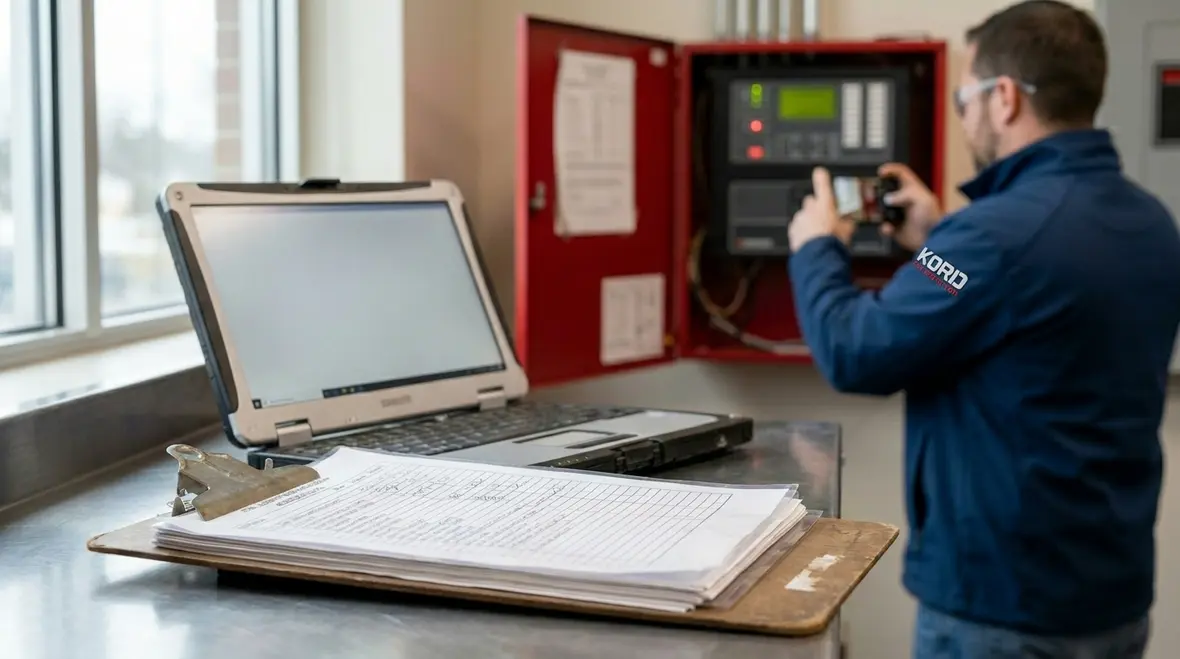
Improving documentation so audits feel less painful
Documentation is where many maintenance programs go to die. Not because people are careless, but because information gets scattered across emails, spreadsheets, and last minute reports. Kord Fire Protection technicians focus on making documentation part of the system, not an afterthought.
They ensure that each entry includes the date, the testing performed, the results, and any corrective actions. Then, they tie findings back to the maintenance cycle. This helps teams spot recurring issues, plan repairs, and prove ongoing compliance.
In addition, they track trends. If certain devices show frequent troubles, the schedule can adapt. Instead of repeating the same test pattern blindly, the team may increase attention to specific device groups. Over time, this lowers the chance of repeated failures and reduces the number of “surprise visits” that nobody requested.
When records remain consistent, audits become faster. And when audits are faster, teams breathe easier. That is a safety win and a business win, which frankly beats arguing about missing paperwork like it is a sport.
Good records do more than satisfy auditors
Clear records help teams identify repeat issues, justify repairs, and plan future work with actual evidence. That means documentation is not just a stack of forms waiting for inspection day. It is part of the decision making process, and when treated that way, it starts pulling real weight instead of collecting digital dust.
Using data to make future schedules smarter
Streamlining does not stop after the first cleaned up calendar. It keeps improving when teams use results to guide the next cycle. Kord Fire Protection technicians explain that data helps maintenance move from “routine” to “responsive.”
They look at recurring trouble signals, device age, prior repairs, and system performance during tests. Then, they refine the maintenance plan and its timing. For example, a schedule may shift certain inspections earlier if devices show accelerated wear. Or, the team may adjust testing intervals based on observed stability while still meeting compliance expectations.
Also, they account for system changes. When a building undergoes renovations, the fire alarm system often gets new devices, updated labeling, or modified wiring. A modern approach updates the schedule so it reflects the current system, not the system that existed last year.
This is where the second use of the key phrase matters: fire alarm maintenance schedules become living documents. They evolve with the facility. And when schedules evolve, the facility stays safer with less wasted time. Teams that want a broader support option can also explore Kord Fire Protection’s fire alarm services near the end of their planning process, especially when inspection, repair, and maintenance all need to work together under one roof.
FAQ
Ready to streamline without cutting corners?
Fire safety deserves more than guesswork and last minute scramble. Kord Fire Protection technicians help teams build clear, efficient fire alarm maintenance schedules that support compliance, reduce downtime, and strengthen documentation. If your current schedule feels bloated, unclear, or hard to prove during audits, it is time to tighten the plan.
Contact Kord Fire Protection to review your system, confirm your requirements, and map a streamlined maintenance approach that keeps your building ready. If you need a direct next step, visit Kord Fire Protection’s fire alarm service page to connect maintenance planning with inspections, repairs, monitoring, and long term compliance support.

Join Our Newsletter!
Get the latest fire safety tips delivered straight to your inbox From our Newsletter.