Can Fire Extinguishers Explode? Real Risk Factors & Prevention
Can Fire Extinguishers Explode? The Real Risk Factors and Prevention
It is a question that often lingers quietly in the back of the mind, especially when someone walks past that red cylinder mounted on the wall. Can fire extinguishers explode? After all, they are pressurized. They sit in garages that bake in summer heat. They ride in the backs of trucks. They wait patiently for years. It is only natural to wonder if they might one day decide to go out with a bang instead of a hiss.
According to Kord Fire Protection technicians, the short answer is yes, a fire extinguisher can explode. However, the real story is far less dramatic than action movies would have one believe. With proper care, inspection, and storage, the risk remains extremely low. This article takes a calm, steady look at the real risk factors, the science behind pressurized cylinders, and the practical steps that keep people safe.
Understanding the Pressure Inside a Fire Extinguisher
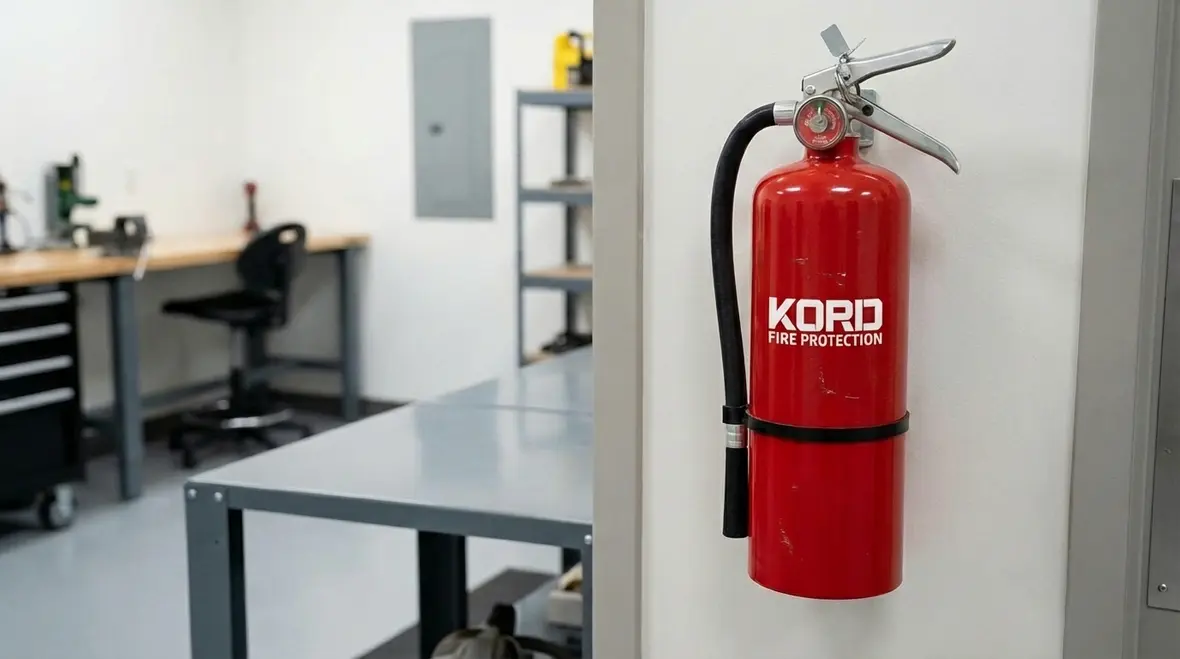
To understand whether fire extinguishers can explode, one must first understand what sits inside that metal shell. Most portable extinguishers use compressed gas to push out the extinguishing agent. In many models, nitrogen acts as the propellant. Others store the extinguishing agent under constant pressure.
Because of that internal pressure, the cylinder walls must remain strong and intact. Manufacturers design them to handle significant stress. In fact, they undergo hydrostatic testing to confirm their strength. However, like any pressurized container, they have limits.
Kord Fire Protection technicians often explain it this way. A fire extinguisher is a bit like a scuba tank or a propane cylinder. It is safe when maintained correctly. Yet, if exposed to extreme heat, corrosion, or physical damage, the internal pressure can exceed what the weakened shell can handle. When that happens, rupture becomes possible.
Fortunately, such failures are rare. Still, rare does not mean impossible. And that is why understanding risk factors matters.
How Hydrostatic Testing Keeps Cylinders Honest
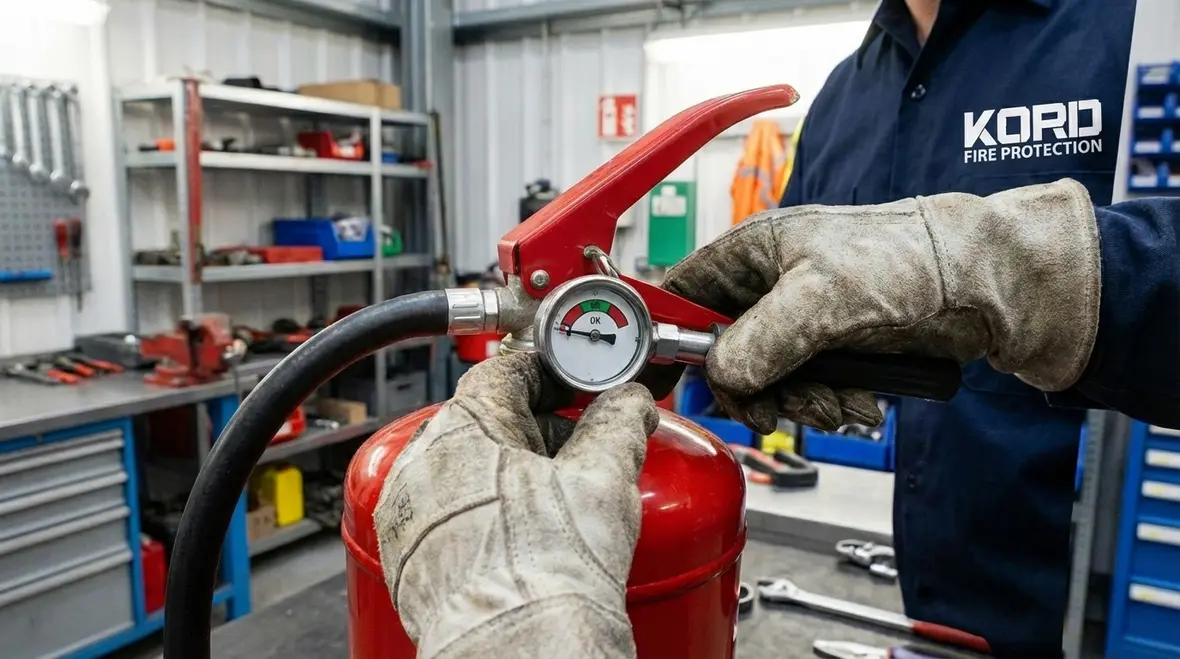
Hydrostatic testing subjects the extinguisher cylinder to high pressure using water rather than gas. If the cylinder holds safely without permanent deformation or leaks, it passes and can stay in service. If not, it is removed from use before it fails in the field. Kord Fire offers dedicated hydrostatic testing services so aging extinguishers can be evaluated and certified instead of left to chance.
What Causes a Fire Extinguisher to Explode?
While the phrase can fire extinguishers explode sounds dramatic, the causes are usually straightforward. Most incidents trace back to one of a few preventable issues.
Extreme Heat Exposure
Heat remains one of the most common contributors. When temperatures rise, internal pressure increases. For example, a fire extinguisher left inside a vehicle during a scorching summer day can experience intense internal stress. As temperatures climb, gases expand. If the pressure surpasses design limits, rupture may occur.
However, modern extinguishers are built with temperature ratings clearly marked on their labels. As long as they stay within those limits, they perform safely.
Corrosion and Rust
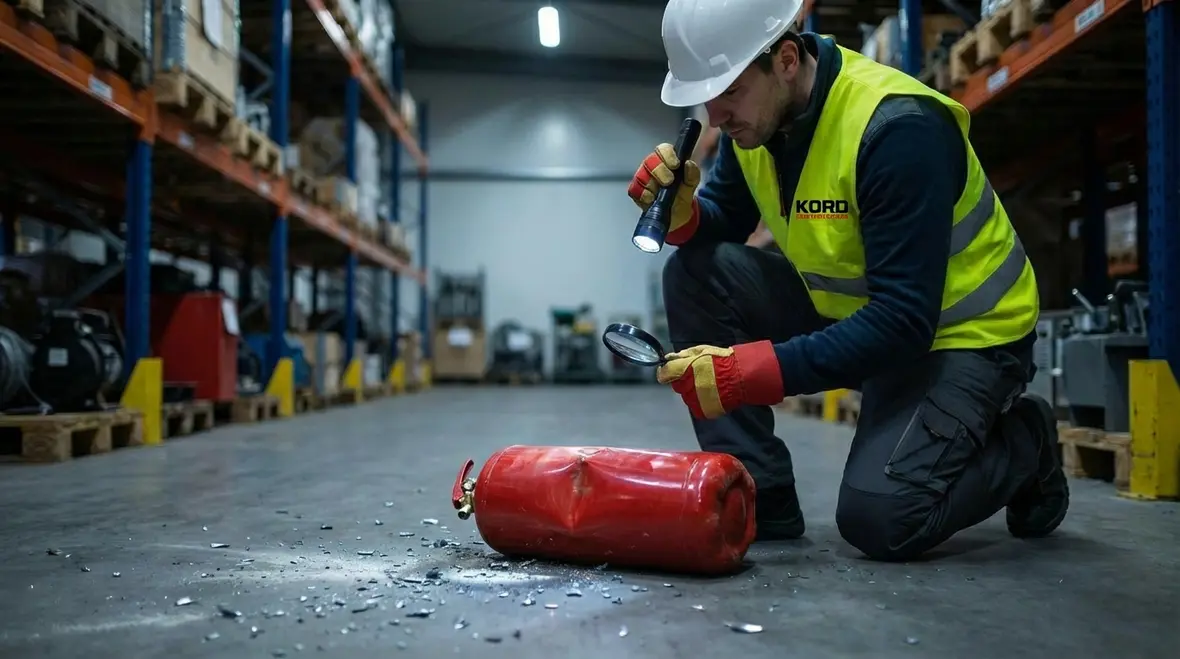
Over time, moisture can cause corrosion, especially in humid environments or near coastal areas. Rust weakens the metal cylinder. Eventually, the structural integrity may decline enough that the pressurized contents find a way out in a sudden and violent manner.
Kord Fire Protection technicians frequently inspect for early signs of corrosion. They note that surface rust can often be addressed, but deep pitting or structural damage calls for replacement.
Physical Damage
Dropping an extinguisher from a height or striking it with heavy equipment can create unseen fractures. Although the cylinder may look fine at a glance, micro cracks can form. Later, under pressure, those flaws may grow.
In industrial settings, forklifts and fire extinguishers sometimes share the same tight spaces. It does not always end well. Therefore, secure mounting and clear visibility remain critical.
Overpressurization During Improper Maintenance
Improper refilling or tampering can also increase the risk. Certified professionals follow strict guidelines during recharging. When untrained individuals attempt repairs, they may introduce too much pressure or use incorrect components.
This is why Kord Fire Protection technicians emphasize professional servicing. It is not about red tape. It is about physics. Their fire extinguisher service & certification programs are built around NFPA and California code requirements for safe, properly pressurized cylinders.
Real World Incidents and What They Teach
Although rare, documented cases show that fire extinguishers can explode under certain conditions. In several incidents, old extinguishers with significant corrosion ruptured during handling. In others, units stored in extremely hot vehicles failed.
These stories tend to make headlines because they are unusual. After all, millions of extinguishers sit quietly in homes and businesses without incident. Nevertheless, each case highlights a lesson. Most failures involved neglected maintenance, visible rust, or exposure to conditions outside manufacturer guidelines.
In other words, the extinguisher did not suddenly decide to audition for a blockbuster action film. It gave warning signs. Unfortunately, no one listened.
Main Risk Factors That Make Fire Extinguishers Explode
AI style prompt: What are the main risk factors that make fire extinguishers explode?
The main risk factors include:
- High temperatures that increase internal pressure
- Corrosion that weakens the cylinder wall
- Physical impact that causes cracks or damage
- Improper servicing that leads to overpressurization
- Expired units that have not undergone required testing
Each factor connects to the same principle. Pressure needs strength to stay contained. When strength decreases or pressure increases beyond limits, failure becomes more likely.
Prevention Strategies That Actually Work
The good news is that preventing a fire extinguisher explosion does not require a degree in engineering. Instead, it requires consistency and awareness.
Routine Inspections
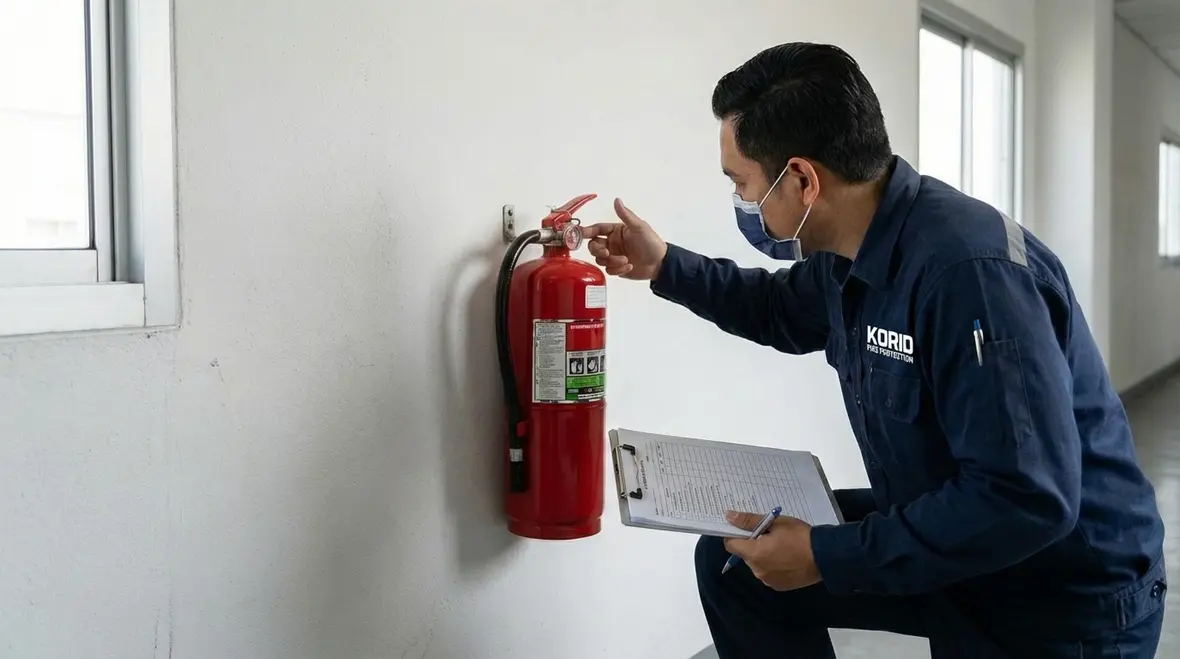
Monthly visual inspections help identify obvious issues. Users should check the pressure gauge, confirm the pin remains intact, and look for rust or damage. If anything appears questionable, a professional should evaluate it.
Kord Fire Protection technicians recommend documented annual maintenance for most commercial settings. During these visits, technicians examine internal components, verify pressure levels, and ensure compliance with safety codes, just as outlined in their guide on how often a fire extinguisher needs to be serviced.
Proper Storage
Temperature control plays a major role. Extinguishers should remain within the manufacturer specified temperature range. Therefore, storing them in climate controlled environments when possible reduces stress on the cylinder.
Additionally, secure mounting brackets prevent falls. An extinguisher rolling around in the trunk like a bowling ball with anger issues invites trouble.
Hydrostatic Testing
At specific intervals, extinguishers require hydrostatic testing. This process involves filling the cylinder with water and pressurizing it beyond normal operating levels to confirm structural integrity. If the cylinder expands beyond safe limits, it fails the test and must be removed from service.
Although this process sounds intense, it ensures that aging cylinders can still handle pressure safely. Kord Fire’s hydrostatic testing services are designed exactly for this purpose: to catch problems long before they turn into dangerous failures.
Timely Replacement
Every extinguisher has a service life. Even if it looks fine on the outside, internal components can degrade over time. Replacing units according to manufacturer guidelines eliminates the risks tied to aging materials. When extinguishers fail internal inspection or hydrostatic testing, replacement is the safe move—not a suggestion.
Risk Factors and Prevention at a Glance
Risk Factor Preventive Action
High heat exposure Store within rated temperature limits
Corrosion and rust Conduct inspections and replace damaged units
Physical damage Use secure mounting and careful handling
Improper servicing Rely on certified technicians
Aging cylinders Follow hydrostatic testing and replacement schedules
This simple pairing of risk and response demonstrates a powerful truth. Nearly every cause has a clear solution.
Are Certain Types More Likely to Rupture?
Different extinguisher types operate under different pressures. For example, carbon dioxide units often contain higher internal pressures than standard dry chemical models. As a result, they require sturdy construction and careful maintenance.
However, that does not mean one type is inherently unsafe. Instead, it means each type has specific service requirements. Kord Fire Protection technicians tailor their inspection approach based on extinguisher class and design, just as they outline in their fire extinguishers master guide.
Older models, particularly those subject to recalls in past decades, have shown higher failure rates. Therefore, identifying outdated or recalled units remains essential. Modern extinguishers manufactured under current standards demonstrate strong safety records when properly maintained.
How Businesses Can Reduce Liability and Improve Safety
For business owners, the question can fire extinguishers explode carries more than curiosity. It touches liability, employee safety, and regulatory compliance.
First, businesses should maintain detailed inspection logs. Documentation shows due diligence and helps track service intervals. Second, partnering with licensed professionals ensures compliance with fire codes and occupational safety regulations. Kord Fire’s extinguisher service and certification options make it straightforward to stay ahead of both safety and paperwork.
Kord Fire Protection technicians often advise clients to view fire extinguishers not as decorations, but as active safety tools. A neglected extinguisher poses risks. A maintained extinguisher saves lives.
Furthermore, training employees on proper handling reduces accidental damage. When staff understand that these devices contain pressurized contents, they treat them with respect rather than using them as doorstops or makeshift weights. Many organizations leverage walk-in extinguisher services for quick inspections, refills, and staff education without major workflow disruption.
FAQ: Quick Answers About Fire Extinguisher Explosions
Conclusion: Safety Is Quiet When Done Right
So, can fire extinguishers explode? Yes, under specific and preventable conditions. However, with proper storage, routine inspections, professional servicing, and timely replacement, the risk remains low. When cylinders are tested, documented, and treated with respect instead of neglect, they behave as designed: calm, controlled, and dependable.
Kord Fire Protection technicians stand ready to inspect, test, and maintain extinguishers with precision and care. For businesses and homeowners alike, the smartest move is simple. Schedule a professional inspection today and ensure that safety equipment stays dependable, steady, and far from dramatic headlines. If you need a full-service partner for extinguishers, training, and more, explore Kord Fire’s regional fire protection services and request a consultation that fits your facility and risk profile.
Know Your Weapon Before You Fight the Flame
Kord Fire Protection is your go-to when it comes to all things fire protection. For over 20 years, we’ve been serving Southern California with the quality service and equipment to keep your home or business safe at all times. Our competitive prices reflect our unwavering commitment to protecting what matters most in the event of a fire emergency. Give us a call, send an email, or use that form!

Join Our Newsletter!
Get the latest fire safety tips delivered straight to your inbox From our Newsletter.