Warehouse Industrial Lighting Solutions With Kord Fire Protection
Quick Answer
Modernizing a facility starts with warehouse industrial lighting solutions that cut energy costs, improve visibility, and support safer operations. When teams upgrade to high-performance LED systems, they also need fire-aware planning. Kord Fire Protection can help align lighting installs with fire safety requirements and best practices.
For facilities that want the lighting work to fit naturally into broader life-safety planning, Kord also offers full fire protection services that support coordinated upgrades instead of isolated fixes. That matters when a lighting retrofit touches egress paths, equipment access, or system documentation.
Modern upgrades begin with the right warehouse industrial lighting solutions
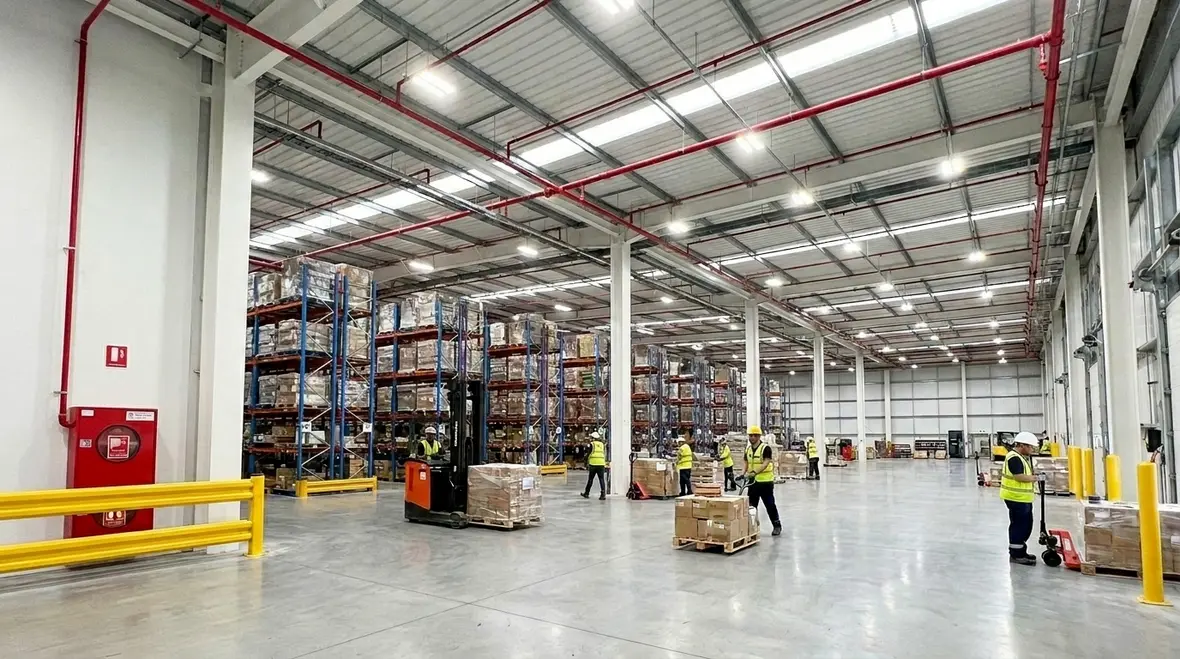
In Australia, industrial and commercial operators often chase uptime first, then energy savings, and only later think about how lighting affects safety, productivity, and compliance. However, warehouse industrial lighting solutions set the tone from day one. They brighten work zones, reduce glare, and support faster movement through aisles, loading bays, and pick areas.
When facilities modernize, they also inherit a new set of risks. You cannot simply “swap lights and hope.” You need sensible design, smart controls, and careful planning around emergency systems and fire safety. And yes, if anyone says “It is fine, we will figure it out later,” that is usually the same person who will later say “Why is everything so dark?”
Why lighting upgrades affect more than brightness
A warehouse does not run on lumens alone. It runs on visibility, speed, judgment, and consistency. If staff cannot read labels clearly, if forklift drivers lose depth perception in patchy aisles, or if loading zones swing from bright to gloomy without warning, the whole operation feels clumsy. Good lighting makes a site feel organized. Bad lighting makes even a decent workflow feel like a scavenger hunt with pallets.
What high-performance lighting changes inside busy facilities
High-performance lighting does not just make spaces brighter. It changes how work actually happens. Properly designed luminance helps warehouse staff spot labels, hazards, and inventory details without squinting like they are watching a grainy action film. At the same time, better lighting reduces fatigue during long shifts, supports more accurate picking, and helps drivers see pedestrians sooner.
To get these results, facilities usually focus on a few core areas. First, they choose high-efficacy LED fixtures that deliver more light per watt. Next, they use optics that control spill light so the work area stays bright without lighting the outside world like it is New Year’s Eve. Finally, they apply smart controls to dim when demand drops, without creating awkward dark corners.
- Sharper visibility for labels, signage, and floor markings
- More even light across aisles, racks, and loading zones
- Reduced wasted energy through efficient fixtures and controls
- Better working comfort during long operating hours
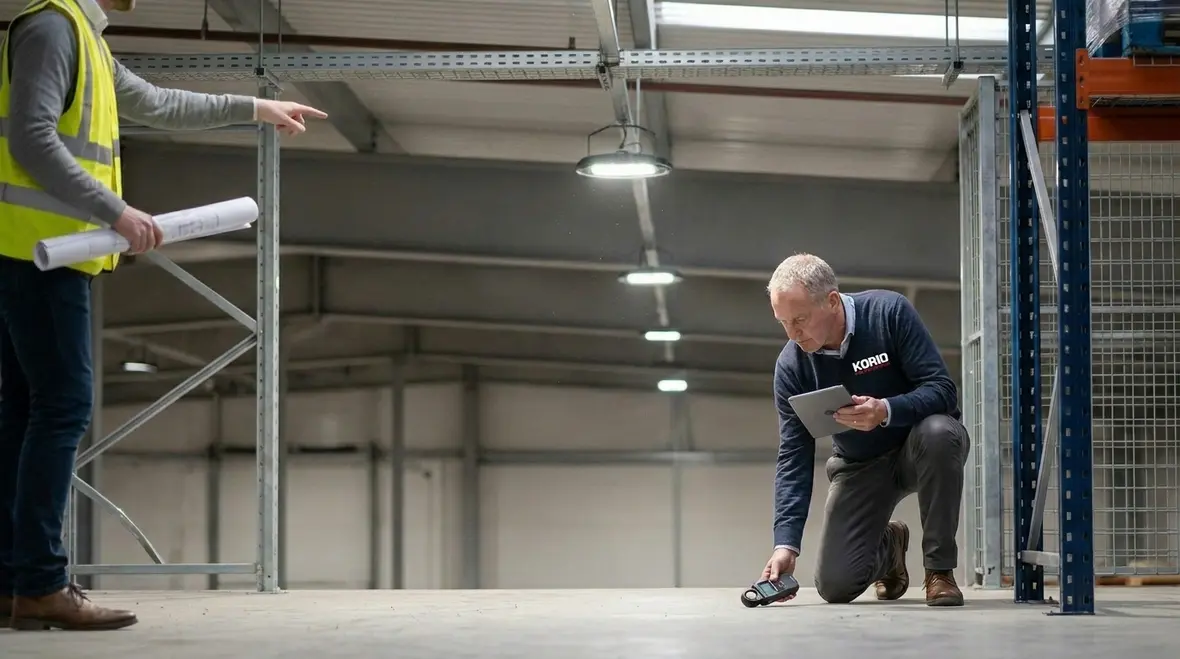
How to calculate light needs without guessing
Most lighting failures start with guesswork. Someone measures the space, picks a fixture, and moves on. Then the result looks fine on paper but feels wrong at floor level. To avoid that, teams run a proper lighting design based on the facility’s tasks and layout.
Typically, they determine target illumination for key zones such as high-bay storage, packing benches, forklift routes, and loading docks. Then they consider mounting heights, beam angles, reflectance of ceilings and walls, and the distance between fixtures. After that, they model uniformity so the “brightest spot” does not steal attention from the rest of the aisle.
Transitioning from old lighting to modern warehouse industrial lighting solutions also means planning for how lights behave over time. LEDs last longer, but optics and cleaning schedules still matter. Therefore, teams should build a maintenance plan that matches the dust levels and operating hours of the site.
Key inputs that improve the design
- Mounting height and fixture spacing
- Rack heights, mezzanines, and column locations
- Visual tasks performed in each zone
- Cleaning frequency and expected dust buildup
- Uniformity goals instead of raw brightness alone
Controls that cut energy use while keeping operations smooth
Energy reduction does not require shutting lights off and hoping people remember where they left their PPE. Instead, modern controls deliver predictable performance. Occupancy sensing helps in offices, small storage rooms, and corridors. Daylight harvesting can reduce output near dock doors with large openings. Dimming schedules help during low-activity hours, such as overnight standby periods.
In larger warehouses, zones make a big difference. Rather than controlling everything as one big “on” or “off,” facilities divide lighting into sections that match traffic patterns. This approach improves comfort and reduces energy burn. Plus, it helps with safety because staff can see clearly in the areas that matter right then.
The smartest control plans also avoid overcomplication. A warehouse team should not need an engineering degree and three screenshots just to brighten a dock lane. If a control system feels irritating during a normal shift, people bypass it. Good design keeps the savings while still feeling obvious and reliable.
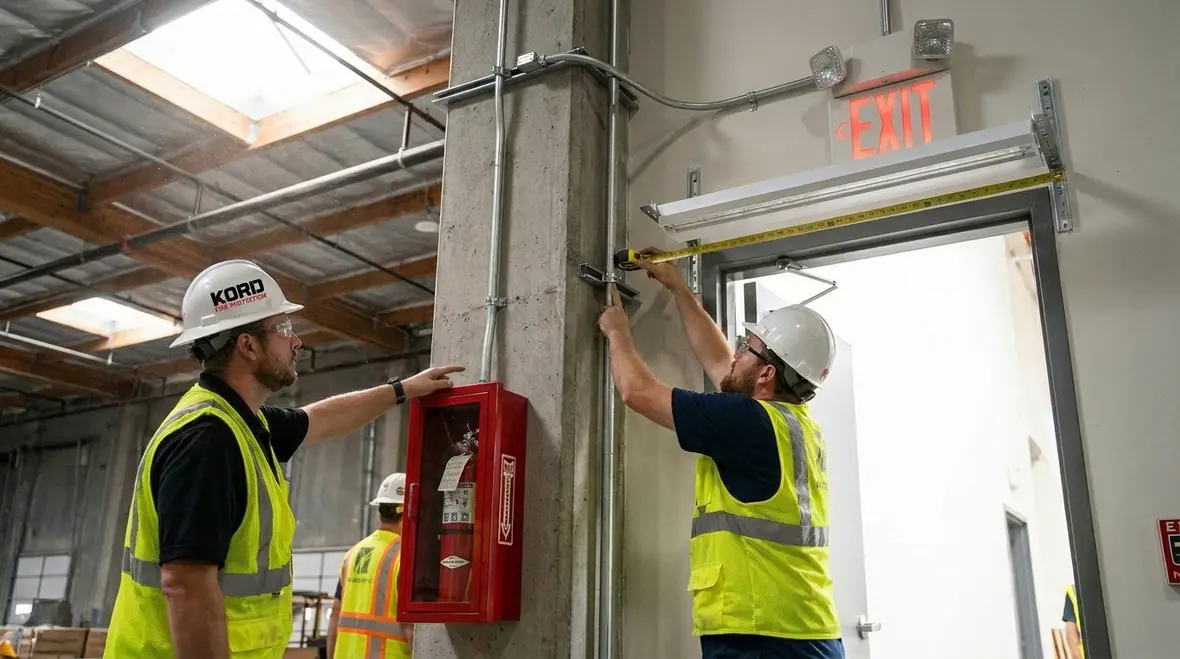
Fire-aware planning: why Kord Fire Protection belongs on the job
Lighting upgrades can interact with fire safety in ways many teams overlook. For example, fixture layouts may affect access to fire extinguishers, emergency equipment, and exit signage. Cable routing can also interfere with pathways that fire systems depend on. Additionally, thermal performance and installation methods matter, especially in high-dust or high-heat environments.
This is where Kord Fire Protection becomes a vital partner. They support projects by helping teams think through how the lighting scope should work alongside fire safety systems. They can assist with planning considerations that reduce the risk of rework later, and they help ensure that the new infrastructure does not accidentally block, misalign, or compromise safety assets.
In other words, teams modernize faster and safer when lighting and fire considerations share the same plan, instead of meeting at the end like two late guests showing up to the same dinner. You want coordination early, not panic later.
That same coordination should include emergency illumination and egress visibility. Kord’s guide on what a proper emergency lighting test includes fits naturally into this conversation because retrofit work should never ignore what happens when normal power disappears.
Safety and compliance in Australian industrial spaces
Industrial and retail facilities across Australia operate under strict expectations for safety, documentation, and workplace performance. Lighting touches multiple parts of those obligations, including safe movement, visibility around hazards, and clarity of emergency egress. When the upgraded warehouse industrial lighting solutions integrate cleanly into the existing site plan, they support consistent operational conditions and reduce the chance of incidents caused by poor visibility.
Facilities should also consider how lighting supports emergency response. During power disruptions, emergency lighting and exit signage must remain visible, and the design must not create confusing patterns or glare that reduces recognition. Furthermore, teams should coordinate installation practices to avoid damage to fire-rated surfaces and to keep clear access routes to safety equipment.
Finally, the best outcomes come from documentation. A well-run retrofit includes as-built drawings, fixture schedules, control settings, and a maintenance plan. This helps facility managers track performance and keeps compliance easier when audits show up, wearing that friendly but serious face auditors always wear.
Choosing fixtures and placement for real-world warehouse layouts
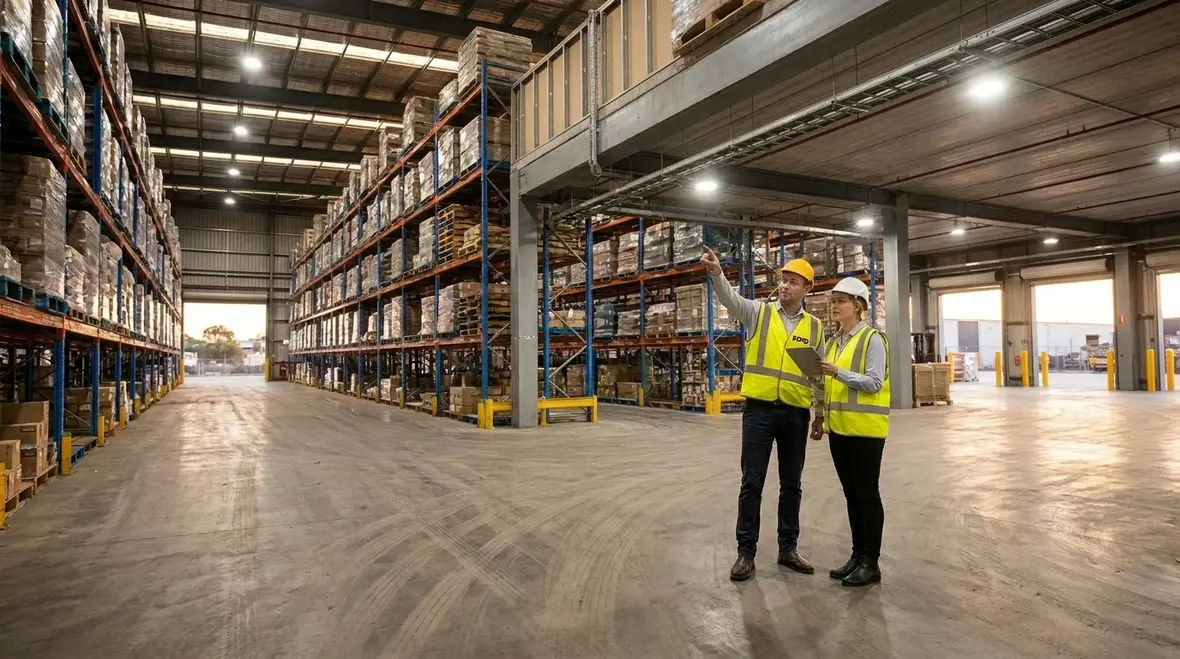
Warehouse environments rarely look like perfect rectangles on a brochure. Shelving creates shadow zones. Mezzanines create extra layers of height. Columns disrupt light patterns. Conveyor lines and pallet racks change how people move and where they pause.
Therefore, fixture selection should match the environment. High-bay solutions often require optics designed for vertical distribution and glare control. In aisles, teams should aim for uniformity so staff can see edges and labels without hunting for light. For loading bays and dock areas, they should consider how light behaves during shift changes and at different times of day.
Transitioning from older fixtures also means verifying that the electrical capacity and control wiring align with the new system. Then, teams should plan commissioning so they validate output and adjust controls before operations ramp up. It is far better to fix issues during install than after freight starts moving.
Field-Tested Upgrade Approach with dual-column planning
What the facility team does
- Audit current conditions, zoning, and risk points such as pedestrian routes and loading areas.
- Confirm layout heights, rack types, and expected traffic patterns across shifts.
- Define target illumination and desired control behavior for each zone.
- Plan the installation window so operations stay safe and productive.
How Kord Fire Protection supports the job
- Review how cable runs, fixture mounts, and access routes may affect fire equipment and safety pathways.
- Coordinate fire-aware installation considerations to reduce rework and site disruption.
- Help ensure safety assets remain correctly positioned and function as intended.
- Support documentation and alignment so the retrofit fits the broader safety plan.
FAQ: warehouse lighting and fire-safety coordination
Conclusion: act now for safer light, lower energy, and coordinated safety
Upgrading a facility with modern warehouse industrial lighting solutions improves visibility, supports safer movement, and cuts energy use without disrupting operations when planned well. For teams across Australia, the smartest approach coordinates lighting and safety early. That is where Kord Fire Protection becomes a key partner, helping ensure the retrofit aligns with fire-aware installation needs.
If you are planning a lighting modernization, reach out now and lock in a plan that works from day one. Better light should not arrive with hidden safety problems, avoidable rework, or compliance headaches. Done right, the upgrade supports productivity, energy savings, and a site that simply works better every shift.

Join Our Newsletter!
Get the latest fire safety tips delivered straight to your inbox From our Newsletter.