Preventive Electrical System Maintenance to Reduce Downtime Costs
Quick Answer: Preventive electrical system maintenance lowers long-term downtime costs by finding wear early, reducing emergency callouts, and improving power quality. When an issue stays small, it stays cheaper. To add another layer of protection, Kord Fire Protection can support the same job scope with fire safety readiness, so facilities avoid two kinds of surprises at once.
In industrial, retail, and commercial facilities across Australia, the preventive electrical system maintenance strategy usually starts as a schedule, then turns into a cost control plan. In the first 100 to 150 words, the truth is simple: teams that inspect, test, and service electrical components on purpose prevent the kind of failures that shut down production lines or strand retailers after trading hours. And when maintenance does its job, downtime stops acting like an uninvited guest at a board meeting.
Now, imagine the same facility has life safety expectations too. That is where Kord Fire Protection can become a vital partner. While electricians protect the power, fire protection supports the response side, helping organizations align readiness across multiple risk areas. No one wants a “we’ll deal with it later” plan. Fires do not respect later. Near the top of that planning conversation, it also makes sense to review emergency lighting service testing and what a proper test includes, because reliable evacuation visibility belongs in the same risk conversation as reliable power.
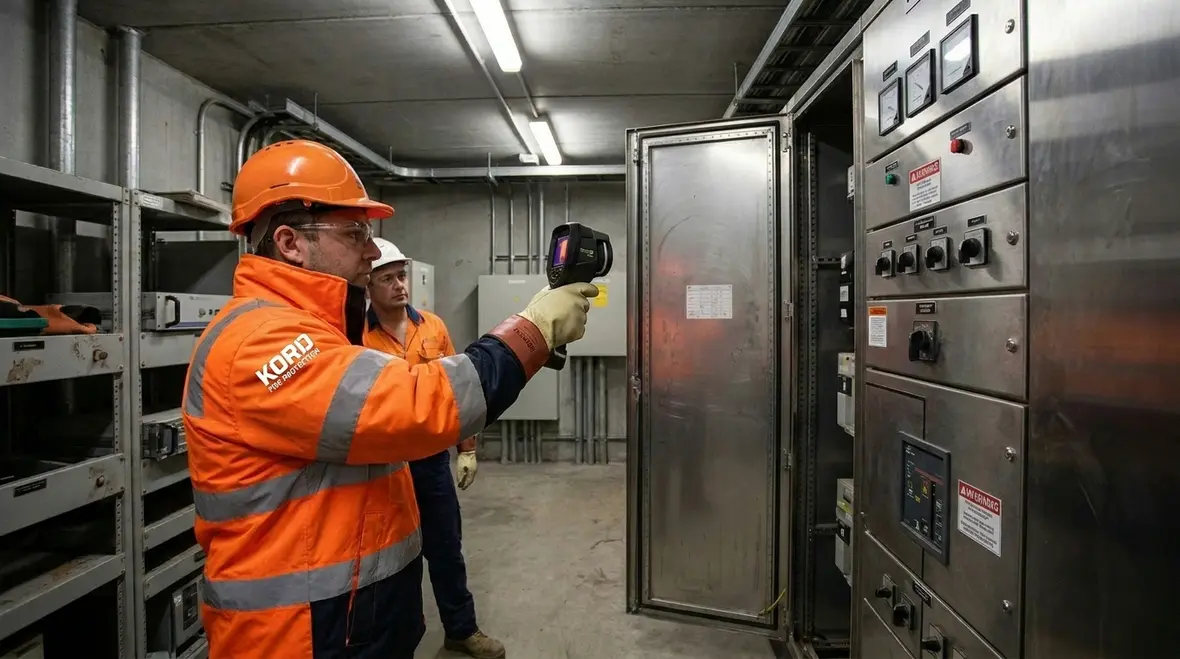
Why electrical downtime costs grow over time
Electrical failures rarely arrive politely. They escalate. A loose connection turns into heat. Heat turns into insulation damage. Insulation damage turns into faults. Faults trigger protection devices. And then the facility does what it always does under pressure: it calls for help, pays premium rates, and loses productive hours.
Preventive work interrupts that climb. When teams catch early signs such as abnormal temperature, moisture ingress, vibration, or ageing cable joints, they can plan repairs instead of reacting. As a result, the organization protects throughput, reduces overtime, and avoids cascade failures that can hit multiple distribution sections. In many sites, one event can also damage adjacent equipment, driving repair costs higher than the original fault.
Furthermore, downtime has a second bill. Quality issues, interrupted processes, spoilage, and customer disruption can outlast the repair. Retail sites can miss sales windows. Industrial sites can miss shift goals. Therefore, long-term savings come from reducing both visible downtime and the hidden ripple effects.
The core idea behind the preventive electrical system maintenance strategy
The preventive electrical system maintenance strategy does not chase “something might be wrong.” It verifies “something is changing.” It uses test results, inspection findings, and service history to decide what gets corrected, when, and how.
Typically, teams focus on distribution, protection, and power control areas such as switchboards, motor control centers, circuit breakers, contactors, busbars, earthing systems, and terminations. Then they add context. For example, a site with high humidity needs a different emphasis than a warehouse with steady temperature. Also, a facility with frequent motor cycling needs a plan that addresses wear patterns from use, not just calendar dates.
When the plan runs consistently, it supports better decision making. Crews know what “normal” looks like for that site. They can trend insulation resistance, contact wear, load behaviour, and protective device performance. Over time, the facility stops guessing and starts managing risk like a mature operation.
Why consistency beats heroics
There is always a temptation to celebrate the emergency fix. The lights came back on, the line restarted, and everyone clapped like the crisis itself deserved an award. But heroic repairs are expensive. Consistent maintenance is boring in the best possible way. It keeps the budget calmer, the schedule steadier, and the operations manager a little less suspicious of every odd humming noise after lunch.
How targeted inspections stop small problems before they become outages
Preventive electrical work saves money because it prevents the chain reaction. Consider a few common failure paths. A deteriorating connection can cause hot spots. Hot spots accelerate ageing. Ageing reduces reliability, which increases fault frequency. Fault frequency increases the chance of a full trip event. And full trips cause downtime.
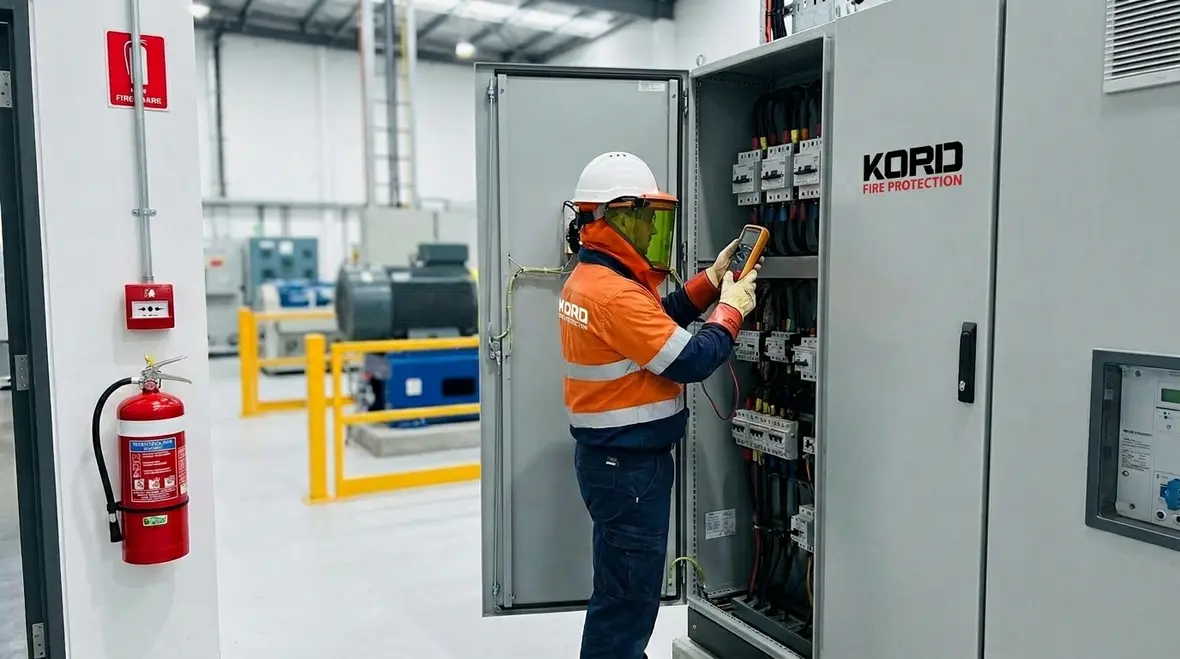
Targeted inspections help break the chain at the earliest step. Crews can look for signs like discolouration, loosened hardware, corrosion, and moisture. They can also perform measurements that confirm what the eye might miss. For example, testing can show insulation degradation even when the component looks “fine” to an untrained eye. That is the difference between maintenance that feels like chores and maintenance that behaves like risk control.
Also, preventive work reduces the number of times the facility loses power during maintenance. Planned outages can be scheduled for low impact windows. Emergency outages often land at the worst possible time. Nobody wants a shutdown during peak picking for retail logistics or mid production for manufacturing. Time is money, and time loves to charge interest.
What crews usually look for first
- Signs of overheating around terminations and joints
- Moisture, dust, corrosion, or contamination inside enclosures
- Loose hardware, damaged insulation, and worn contact surfaces
- Protective device condition and evidence of nuisance tripping
- Changes in load behaviour compared with normal operating patterns
Why quality power and protection settings protect budgets
Electrical downtime is not only about failures. It also involves misoperation. Protective devices can nuisance trip when settings do not match actual loads. Or they can fail to operate correctly if components have aged or been exposed to abnormal conditions. That means faults may not clear fast enough, or equipment may shut down too often.
By applying preventive electrical system maintenance, organizations can keep protective devices aligned with real operating conditions. They can confirm coordination between upstream and downstream protection. They can review load changes and verify that maintenance activities did not leave the system outside its intended performance band.
As a bonus, power quality improvements support equipment health. Variable frequency drives, process controls, and sensitive systems tolerate fewer disturbances than older infrastructure. Voltage dips and harmonics can create extra stress. When maintenance keeps the system steady, it can reduce wear on drives, motors, and electronics. Therefore, the electrical system stays productive longer, and replacement timelines move out.
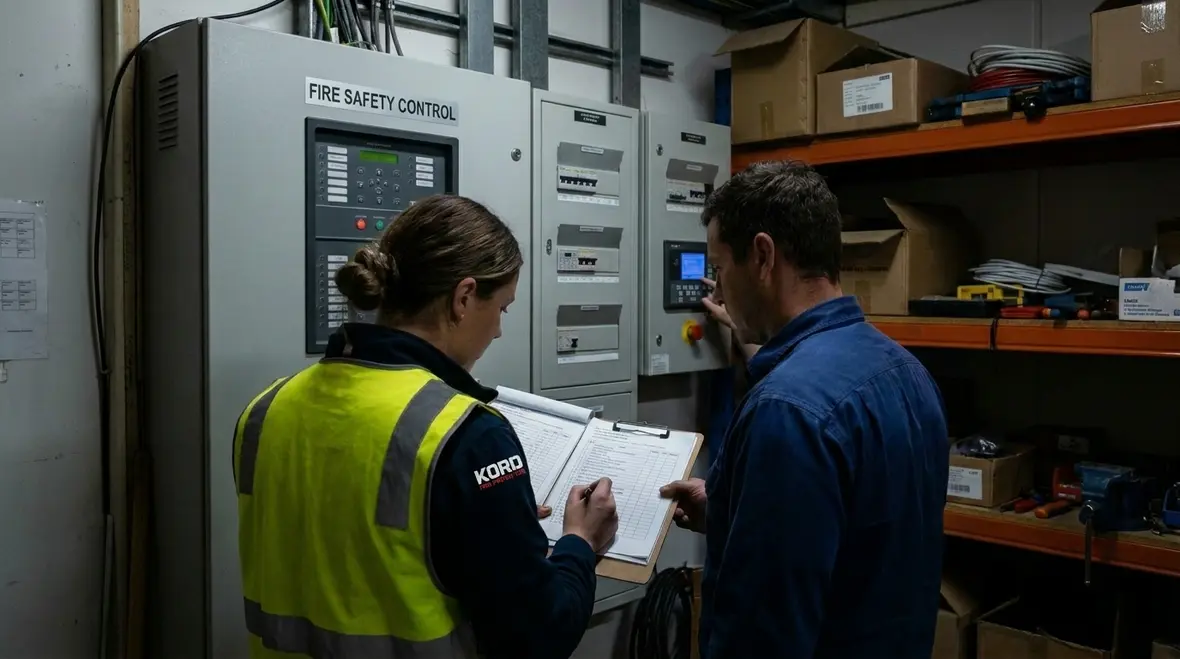
Where Kord Fire Protection fits as a vital partner
Fire safety and electrical reliability often share the same physical spaces and risk drivers. Faults, overheating, and electrical equipment failure can contribute to ignition risk. Meanwhile, fire protection systems require correct readiness, inspection habits, and response planning.
Kord Fire Protection can become a vital partner because it helps facilities coordinate readiness across both electrical and life safety concerns. When one team schedules inspections and another schedules fire protection readiness, the facility reduces “surprise gaps” where hazards exist but no one has aligned the overall risk picture.
In practice, that partnership supports smoother operations. Teams can align shutdown timing, access routes, and documentation requirements. They can also reduce duplicated site visits. Instead of multiple vendors showing up with separate plans and separate assumptions, the facility can build a more unified approach to risk management. And in a busy Australian facility, unity matters more than anyone wants to admit.
Put simply: preventive maintenance protects the electrical system from failure. Kord Fire Protection supports readiness for the outcomes that facilities must prevent and respond to. Together, they help organizations reduce the probability of incidents and shorten the time it takes to return to normal operations when issues do occur. For facilities tightening their inspection planning, emergency exit light services fit naturally into the broader readiness plan because evacuation visibility should not be left hoping for the best.
Building a plan that works for Australian industrial and commercial sites
A maintenance plan must reflect real conditions. Across Australia, facilities deal with heat cycles, humidity shifts, dust loads, and operational schedules that vary by industry. A plan that works for one site can fail on another if it ignores environment and usage.
Teams should start by mapping critical assets and failure consequences. Then they should assign inspection intervals based on risk, not hope. For example, busbar joints in a high moisture environment need attention sooner than similar components in controlled areas. Motor control centers in heavy duty service may need more frequent checks for contact wear and control reliability.
After that, they should define how work is documented and how findings drive action. Reports should show trends. Recommendations should connect test results to operational risk. If maintenance records do not help decisions, they become history, not management.
Finally, the plan should include staff and contractor coordination. When the facility sets clear access windows, permits, lockout and tagout processes, and work instructions, the job runs smoother. Less disruption means lower indirect costs. Therefore, the preventive electrical system maintenance strategy becomes a reliable operating rhythm rather than a series of last minute fire drills.
Documentation that actually helps
Good records are not just paperwork with better lighting. They help teams compare results, justify repairs, forecast replacements, and explain why a planned outage today is better than an expensive outage next month. If a site cannot trace what changed, it usually ends up paying tuition to the school of avoidable surprises.
Preventive maintenance delivers measurable cost reductions
The most convincing argument for preventive electrical system maintenance is not theory. It is outcomes. When facilities prevent faults early, they cut emergency callouts. They lower the likelihood of collateral damage. They also reduce the frequency of repeat repairs on the same assets.
Cost reductions show up in several places. First, labour becomes more efficient because maintenance runs on planned access windows. Second, replacement parts last longer because issues get handled before they reach end of life. Third, downtime shrinks because crews fix components before they trip protection devices and stop processes.
Additionally, preventive work supports compliance expectations and internal risk governance. Many organizations must show evidence of due diligence. Maintenance records help demonstrate that the facility managed electrical risk proactively, not after the fact. And that is a kind of savings too, because it reduces uncertainty during audits and investigations.
FAQ
Featured snippet style questions
What is the main goal of preventive electrical maintenance?
To detect degradation early, correct issues before failures occur, and keep electrical systems reliable.
Does preventive maintenance still matter if equipment is “new”?
Yes. Commissioning issues, early component drift, and installation variables can show up over time, and preventive checks catch them early.
Is preventive maintenance only for switchboards?
No. It also covers motor control, cabling, earthing, protective devices, terminations, and control systems that drive daily operations.
How does Kord Fire Protection help during electrical risk reduction?
It supports fire protection readiness, helping facilities coordinate risk control across electrical and life safety domains.
Conclusion: plan it, schedule it, and protect your uptime
Preventive electrical system maintenance reduces long-term downtime costs because it stops issues from escalating, supports stable power quality, and enables planned repairs instead of emergency shutdowns. For facilities that also need stronger life safety readiness, Kord Fire Protection can become a vital partner in aligning risk control across your site. If the facility wants fewer surprises and better budget predictability, it should review its maintenance intervals and asset risk now.
Take the next step: reach out to align an electrical preventive plan and life safety coordination for your Australian operations. The smartest maintenance strategy is the one that gets scheduled before the next outage tries to introduce itself like it owns the place.

Join Our Newsletter!
Get the latest fire safety tips delivered straight to your inbox From our Newsletter.