Bell Gardens Standpipe Inspection Requirements
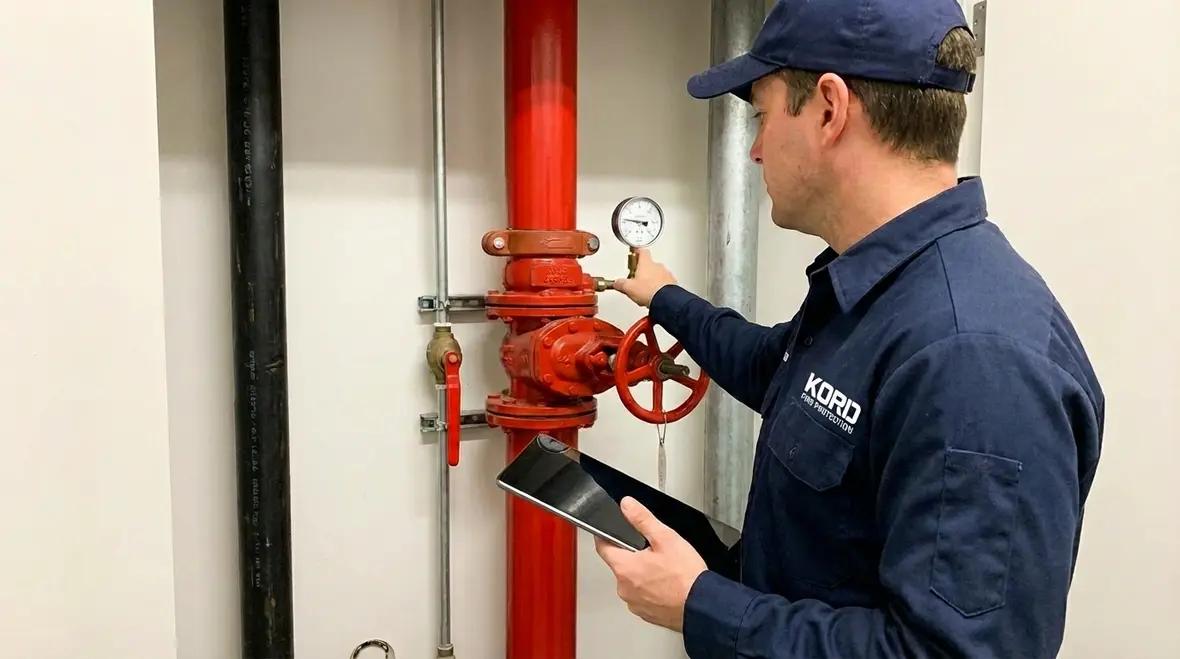
In Bell Gardens, fire safety is not a suggestion. It is a responsibility. A Bell Gardens standpipe inspection ensures that when firefighters connect their hoses in an emergency, water flows with steady force and zero hesitation. After all, in a real fire, no one wants surprises. That is where seasoned professionals, like the technicians at Kord Fire Protection, step in. They do not just test valves and gauges. They explain the process in plain language, calmly and clearly, so property owners understand exactly what protects their buildings and the people inside.
Now, let us walk through what standpipe inspection requirements truly mean in Bell Gardens, why they matter, and how staying compliant keeps both stress and fines at bay.

Understanding Standpipe Systems in Commercial Buildings
Standpipe systems are vertical water pipes installed in multi story buildings. Firefighters connect hoses to these pipes to access water on upper floors. Instead of dragging heavy hoses up stairwells like a scene from an action movie, they tap directly into the system. Efficient. Reliable. Smart.
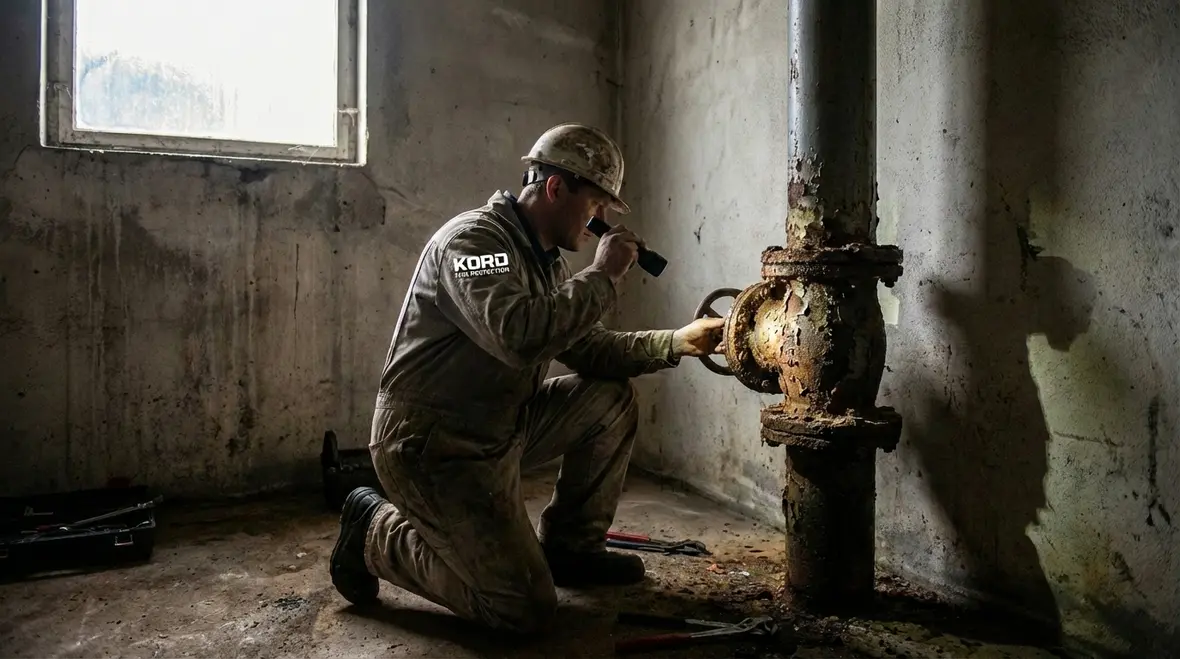
However, these systems only work when they receive proper care. Over time, valves corrode. Pressure regulators fail. Gauges lose accuracy. Therefore, routine inspections ensure each component operates as designed.
In Bell Gardens, most commercial buildings, high rises, and certain residential complexes must maintain standpipes according to California Fire Code and NFPA 25 standards. While that may sound technical, the principle is simple. The system must work perfectly every time.
Kord Fire Protection technicians often explain it this way. A standpipe is like a seatbelt. Most days, no one thinks about it. Yet when it is needed, it must function without hesitation.
Bell Gardens Standpipe Inspection Requirements Explained Clearly
Property owners often ask what the city actually requires. Fortunately, the rules follow a structured schedule. Inspections are not random. They occur at defined intervals to catch issues early.
Here is how the requirements generally break down:
Monthly
Visual inspections of hose connections and valves. Technicians confirm accessibility and check for visible damage.
Quarterly
Inspection of control valves and supervisory devices to ensure they remain in the correct position.
Annual
Full system inspection including flow tests, pressure checks, and alarm device verification.
Every Five Years
Hydrostatic testing to confirm the piping can withstand required pressure levels.
Additionally, inspectors document every visit. Proper documentation protects building owners during audits or after incidents. Without records, even a perfectly working system can trigger compliance issues.
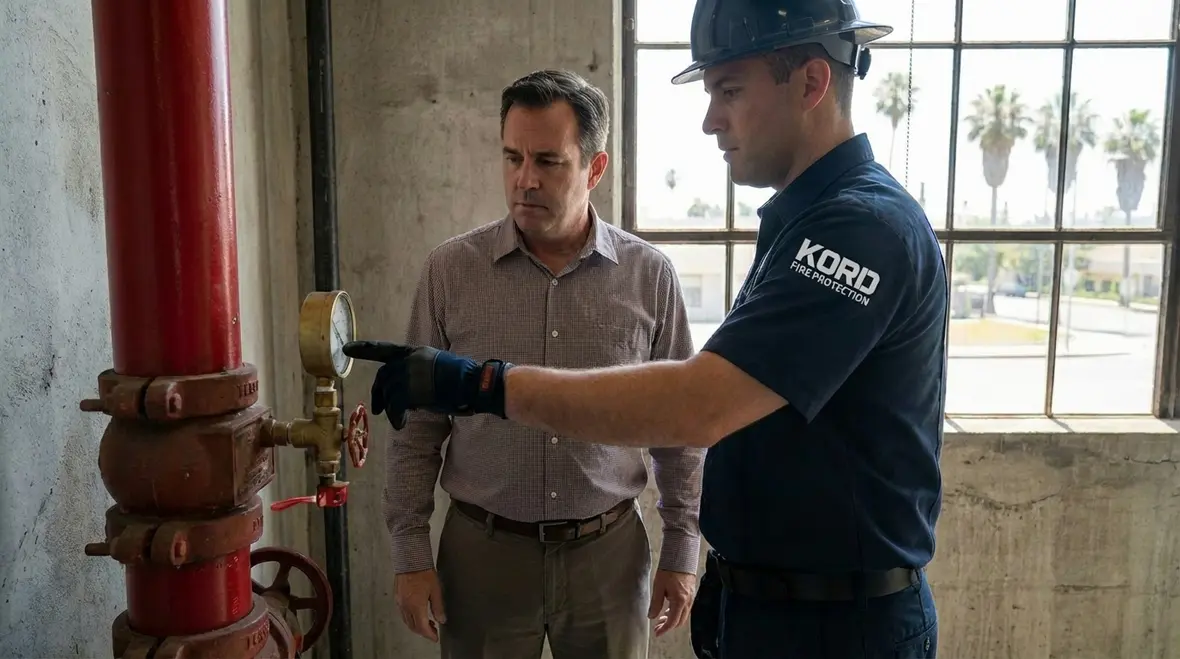
Kord Fire Protection technicians take time to explain test results on site. They show building managers the pressure readings, clarify any deficiencies, and outline next steps. Consequently, clients leave informed instead of confused.
Why Regular Standpipe Maintenance Prevents Costly Surprises
It is easy to delay maintenance. After all, if nothing looks broken, everything must be fine, right? That logic works for a houseplant. It does not work for fire protection.
Over time, mineral buildup restricts water flow. Meanwhile, unnoticed leaks reduce system pressure. In some cases, small issues quietly grow into expensive repairs. Therefore, routine inspections save money by identifying problems early.
Moreover, compliance failures can result in city citations or fines. Bell Gardens enforces fire code standards to protect public safety. So, keeping up with inspections protects both occupants and budgets.
There is also liability to consider. If a fire occurs and the standpipe fails due to neglected maintenance, legal consequences may follow. No property owner wants to explain that situation in court. As Kord technicians calmly remind clients, prevention always costs less than damage control.
What Happens During a Professional Inspection Visit?
A proper inspection is not a quick glance at a valve. It is a structured, methodical process.
First, technicians review prior reports. Then, they visually inspect exposed piping, fittings, and hose connections. After that, they test control valves to confirm full operation. Pressure gauges are checked for accuracy. Flow tests measure water delivery and verify that required pressure levels meet code.
In addition, inspectors examine fire department connections. These exterior access points must remain clear of debris and damage. Even something as simple as a missing cap can create problems during an emergency.
Throughout the visit, Kord Fire Protection technicians explain each step. They avoid jargon. Instead, they speak in straightforward terms. For example, rather than citing a dense code paragraph, they might say, This valve needs replacement because it may not open fully under pressure. Clear. Direct. Reassuring.
And yes, they occasionally add a light joke. Something along the lines of, We prefer testing water pressure today so firefighters do not test their patience tomorrow. It keeps the mood relaxed while staying focused on safety.
Common Issues Found During Bell Gardens Standpipe Inspection Services
Even well maintained systems develop problems. Fortunately, most are manageable when caught early.
Frequent findings include:
- Corroded pipes that weaken structural integrity.
- Improperly positioned control valves.
- Damaged pressure regulating devices.
- Obstructed hose outlets.
- Inaccurate or broken gauges.
Sometimes buildings undergo renovations that accidentally impact standpipe components. For instance, a new wall may block access to a hose connection. While that may look neat from a design perspective, it creates serious safety concerns.
Because of this, inspections serve as both compliance checks and quality control measures. They confirm that changes within the building have not compromised fire protection systems.
Inspection Requirements and Responsibilities
Property owners often wonder who carries responsibility for compliance. The answer is straightforward. The building owner or property manager holds primary responsibility. However, certified fire protection professionals perform the actual inspections and testing.
Property Owner Duties
- Schedule required inspections
- Maintain clear access to system components
- Keep documentation records
- Address deficiencies promptly
Certified Technician Duties
- Conduct code compliant testing
- Document findings accurately
- Recommend corrective actions
- Submit reports when required
This shared effort ensures systems remain reliable. Furthermore, clear communication between both sides prevents misunderstandings.
How to Prepare for a Standpipe Inspection in Bell Gardens
Preparation makes inspections smoother and faster. First, ensure all system areas remain accessible. Storage boxes should not block hose connections. Electrical panels near standpipe components must remain clear.
Next, gather previous inspection reports. Reviewing past findings helps technicians track recurring issues. Additionally, notify tenants in advance if testing may involve brief water flow or alarm activation.
Kord Fire Protection technicians often advise scheduling inspections during low occupancy hours. That way, testing causes minimal disruption. After all, no one enjoys unexpected alarm sounds during an important meeting.
Most importantly, treat the inspection as a partnership rather than a disruption. When building managers collaborate openly, the process becomes efficient and even educational.
For broader support beyond standpipes, many local property owners also rely on Bell Gardens Fire Protection Services to coordinate sprinklers, alarms, extinguishers, and more as a single, streamlined program.
Frequently Asked Questions
Protecting Buildings and Lives Through Compliance
Fire protection is not dramatic most days. It sits quietly behind walls and inside stairwells. Yet when an emergency strikes, it becomes the hero of the story. A properly maintained system, verified through routine inspections, gives firefighters the tools they need to act quickly and effectively.
Kord Fire Protection technicians approach every inspection with steady confidence and clear communication. They do more than meet requirements. They build trust.
If a property owner in Bell Gardens wants confidence instead of uncertainty, now is the time to act. Schedule a professional inspection, stay compliant, and ensure that when water is needed most, it flows without hesitation. Safety, after all, should never wait.
To coordinate standpipe testing with a full fire protection program, you can also request full fire protection services from Kord Fire. Their team can bundle inspections for standpipes, sprinklers, alarms, and extinguishers so your entire life safety system is inspection ready year round.
Know Your Weapon Before You Fight the Flame
Kord Fire Protection is your go-to when it comes to all things fire protection. For over 20 years, we’ve been serving Southern California with the quality service and equipment to keep your home or business safe at all times. Our competitive prices reflect our unwavering commitment to protecting what matters most in the event of a fire emergency. Give us a call, send an email, or use that form!

Join Our Newsletter!
Get the latest fire safety tips delivered straight to your inbox From our Newsletter.