Azusa Standpipe Inspection and Compliance Guide
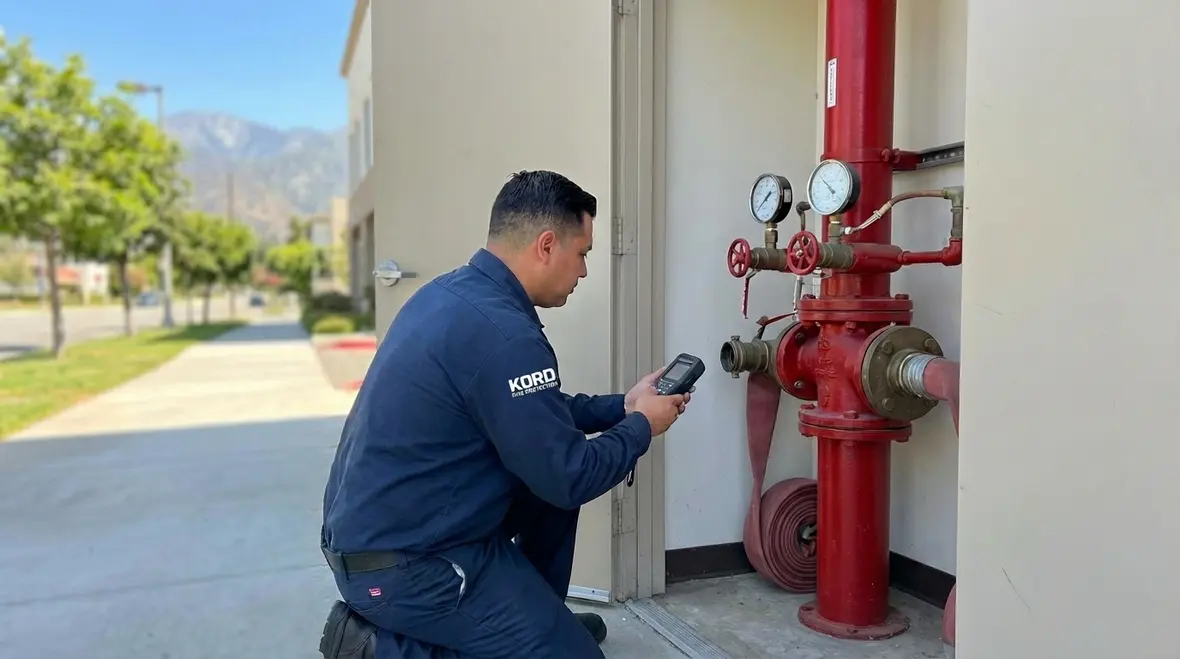
In Azusa, where the foothills rest easy and the neighborhoods hum with daily life, fire protection rarely takes center stage. Yet behind the walls of many buildings stands a silent guardian. The standpipe system. An Azusa standpipe inspection ensures that this system performs when the unthinkable happens. It is not flashy. It does not trend on social media. However, it saves lives. Kord Fire Protection technicians often explain it this way. Hope is not a fire strategy. Preparation is. And preparation begins with careful inspection.
Understanding Standpipe Systems in Commercial and Residential Buildings
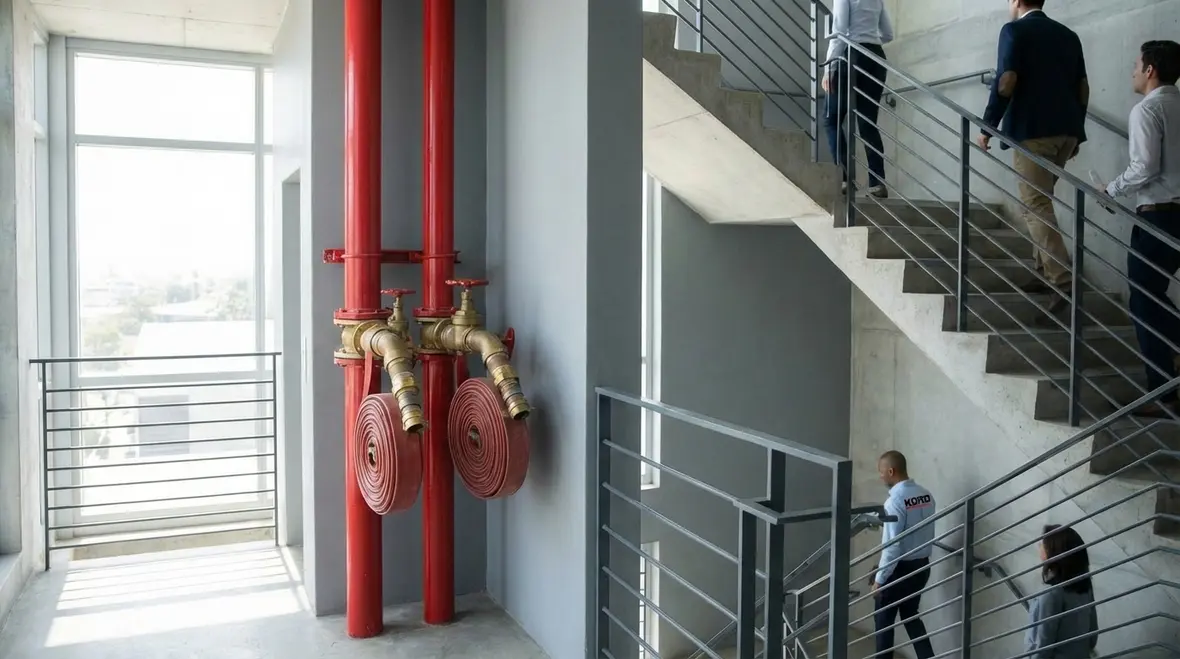
A standpipe system is a network of pipes, valves, and hose connections installed in multi story buildings. Firefighters connect hoses to these outlets to fight fires quickly without dragging lines up stairwells. In taller buildings especially, seconds matter. Therefore, standpipes act as vertical highways for water delivery.
There are several types of systems commonly found in Azusa properties.
- Class I systems are designed for firefighter use and typically feature two and a half inch hose connections.
- Class II systems include one and a half inch hoses intended for trained building occupants.
- Class III systems combine both options.
Because each system serves a specific purpose, inspection standards vary slightly. However, the goal remains the same. Confirm that water flows at the right pressure, valves operate smoothly, and connections remain accessible. In other words, when firefighters arrive, the system should greet them like an old friend who already brewed the coffee.
To dig even deeper into the basics of system design and codes, many owners also review Kord Fire’s dedicated resource on standpipe system requirements and how they work alongside this Azusa specific guide.
Standpipe System Inspections in Azusa: What Property Owners Should Expect
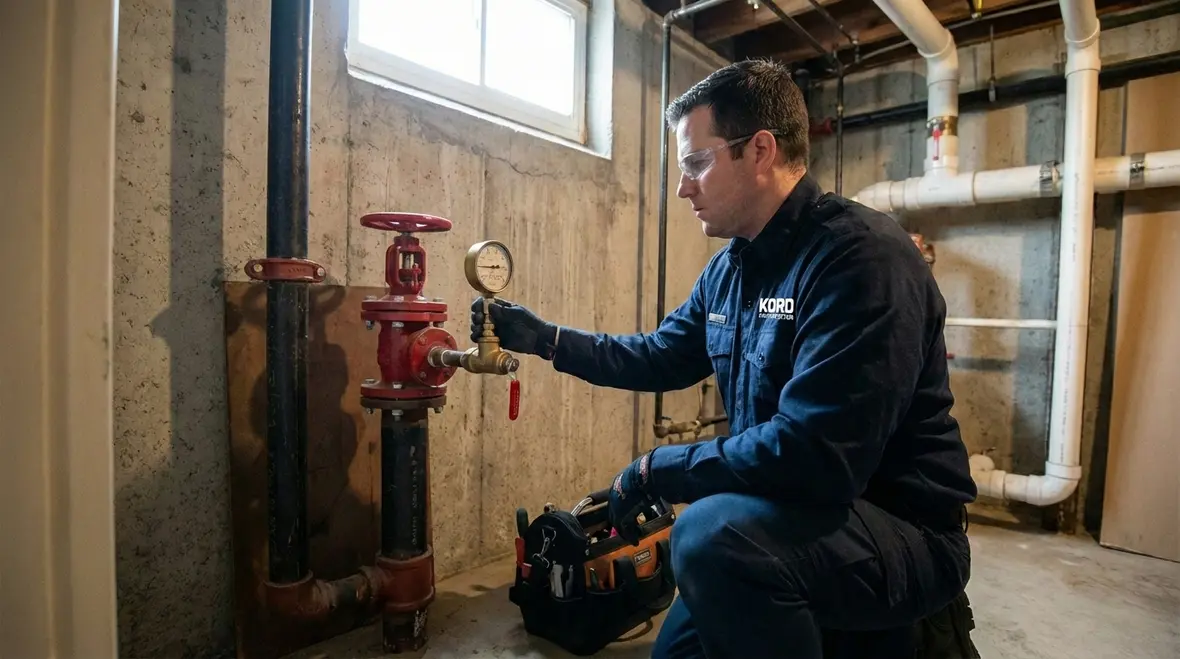
Property owners often ask what actually happens during standpipe system inspections in Azusa. The answer is detailed, methodical, and far more interesting than watching paint dry. Although it may not rival a summer blockbuster, it does come with pressure tests and suspense.
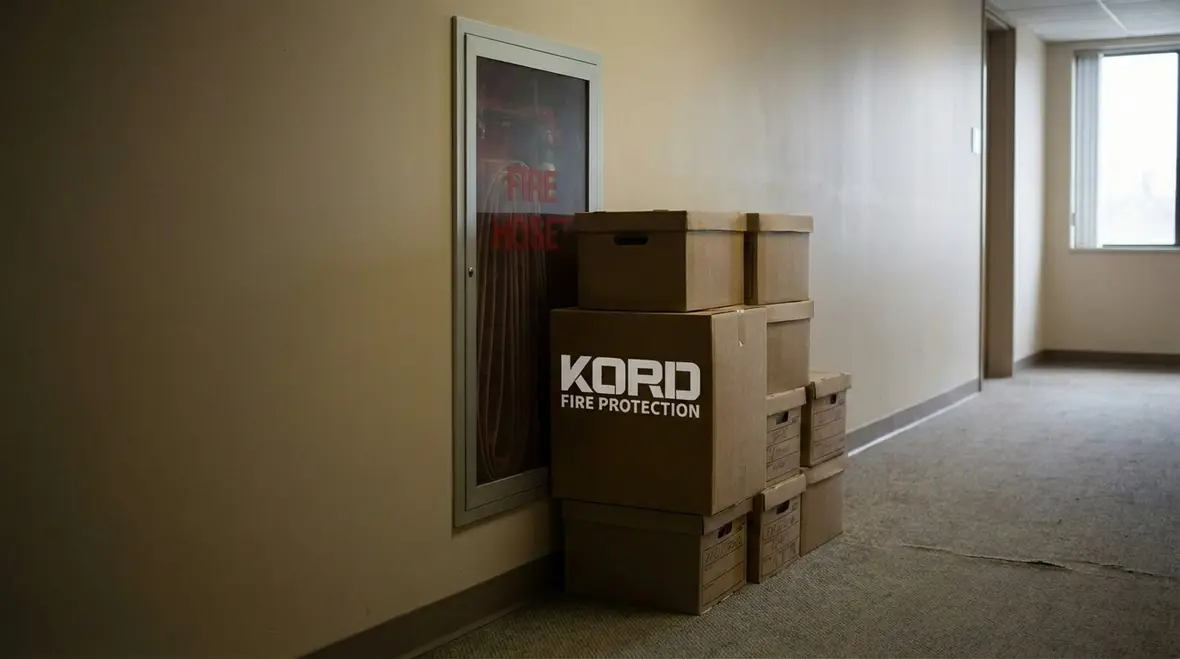
Kord Fire Protection technicians begin with a visual assessment. They examine hose valves, caps, and signage. They check for corrosion, physical damage, or obstructions. After that, they verify that cabinets open easily and that nothing blocks access. Surprisingly, storage boxes and forgotten office furniture often become unexpected villains in this story.
Next comes operational testing. Technicians conduct flow tests to measure water pressure and volume. They inspect pressure regulating devices and confirm that gauges read accurately. If the building includes fire pumps, they test those components as well. Furthermore, they document everything in detail, because fire codes require clear records.
Throughout the process, Kord Fire Protection technicians explain findings in plain language. They avoid technical jargon that sounds like it belongs in a spaceship manual. Instead, they walk property managers through each step. As a result, owners understand not just what needs fixing, but why it matters.
Connecting inspections to broader fire protection
For many Azusa buildings, standpipe inspections are part of a wider fire protection plan that also includes sprinklers, alarms, and extinguishers. Owners who want a single trusted provider for all systems often look to Kord Fire’s full fire protection services to keep everything on one compliant, well documented schedule.
How Often Should an Azusa Standpipe Inspection Be Scheduled?
This is the question that echoes through property management offices. How often is enough?
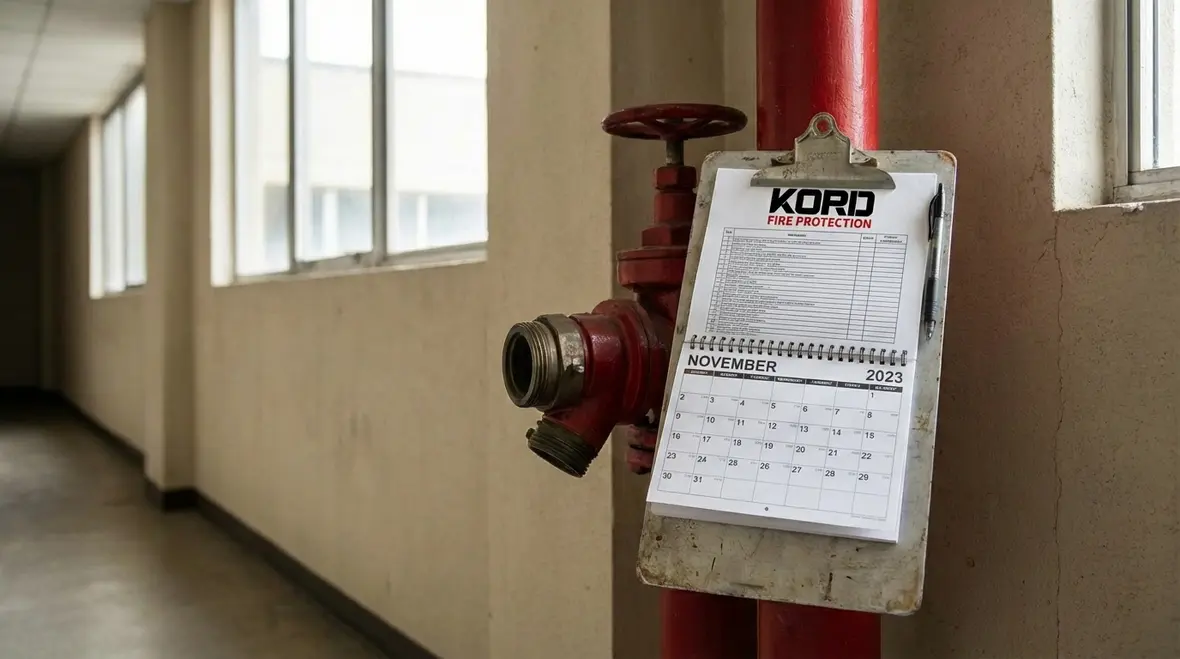
According to national fire protection standards and local regulations, standpipe systems require routine visual inspections as well as annual flow tests. In addition, certain components demand more frequent checks. For example, gauges should be inspected monthly, while control valves need regular supervision.
However, frequency alone does not guarantee safety. Consistency matters just as much. An Azusa standpipe inspection performed on schedule helps catch small issues before they become expensive repairs. A minor leak today could mean serious pressure loss tomorrow. Therefore, proactive scheduling protects both budgets and occupants.
Kord Fire Protection technicians often remind clients that compliance is not about paperwork. It is about readiness. After all, fire does not schedule appointments. It shows up unannounced, like a relative who forgot to call ahead.
Common Deficiencies Found During Local Inspections
Even well maintained properties can develop standpipe issues over time. Buildings shift. Parts age. And sometimes, maintenance gets postponed in favor of more visible upgrades like fresh paint or new lobby furniture.
During standpipe system inspections in Azusa, technicians frequently discover the following concerns.
- Corroded or leaking pipes
Over time, moisture and mineral buildup weaken metal components. This reduces reliability and may affect water flow. - Improper pressure levels
Too much pressure can damage hoses. Too little pressure can limit firefighting effectiveness. Both scenarios create risk. - Blocked or inaccessible hose connections
Storage items, locked cabinets, or poorly placed shelving can slow emergency response. - Missing or damaged signage
Clear labeling ensures firefighters locate connections quickly, especially in smoke filled conditions.
Although these issues may seem minor at first glance, they can compromise the entire system. Therefore, early detection through routine inspections remains essential.
Inside the Inspection Process: Step by Step Breakdown
For those who appreciate a closer look, here is a simplified view of how professionals conduct a thorough evaluation. Think of it as a backstage pass to fire protection.
| Inspection Component | What Technicians Verify |
|---|---|
| Visual assessment | No visible damage, corrosion, or obstructions |
| Hose valve examination | Smooth operation and proper caps in place |
| Pressure gauge check | Accurate readings within required range |
| Flow testing | Adequate water volume and pressure |
| Fire department connection review | Clear access and secure fittings |
Each step builds on the one before it. First, technicians confirm physical condition. Then, they test performance under real world conditions. As a result, the system receives both a surface level and functional evaluation. It is similar to a medical checkup. The doctor does not just look at you and say you seem fine. They run tests to be sure.
Why Local Knowledge Matters in Azusa Properties
Azusa presents unique building layouts, occupancy types, and municipal requirements. Consequently, inspections must align with local codes as well as national standards. A generic checklist pulled from the internet simply will not do.
Kord Fire Protection technicians understand the expectations of local fire authorities. They stay informed about code updates and documentation requirements. Moreover, they communicate directly with property managers to coordinate access and minimize disruption. This local familiarity streamlines the process and reduces compliance headaches.
Additionally, technicians often provide practical recommendations that go beyond minimum requirements. For example, they may suggest improved signage placement or valve protection strategies. These insights add value because they reflect real experience in Azusa buildings, not just textbook knowledge.
Tapping into county wide expertise
Because Azusa sits within Los Angeles County, many property owners also look at Kord Fire’s broader Los Angeles County fire protection capabilities to ensure their standpipes, sprinklers, and alarm systems stay aligned with regional expectations, not just city limits.
The Long Term Value of Routine Compliance
Some property owners view inspections as an obligation. Yet smart owners see them as protection for their investment. A properly maintained standpipe system supports insurance compliance, reduces liability exposure, and strengthens overall building safety.
Furthermore, documented standpipe system inspections in Azusa create a clear record of due diligence. In the event of an emergency, that documentation demonstrates responsible management. Although no one enjoys thinking about worst case scenarios, preparation brings peace of mind.
And let us be honest. Peace of mind is hard to price. It does not show up on a balance sheet. However, when alarms sound, it becomes priceless.
FAQ About Standpipe Inspections
Secure Your Building with Confidence
Safety rarely announces itself with fanfare. Instead, it works quietly in the background, waiting for the moment it is needed most. By scheduling routine standpipe system inspections in Azusa, property owners take a clear step toward readiness. Kord Fire Protection technicians stand prepared to guide each inspection with clarity and care. Contact their team today, and let preparation replace uncertainty. Because when it comes to fire protection, calm confidence begins long before the first spark.
Next steps for Azusa property owners
If your building relies on standpipes, sprinklers, or a combined system, now is the right time to make sure every component is ready for the next fire inspection — and the next emergency. For facilities across Los Angeles County, Kord Fire offers integrated support from design through testing and repair.
To align your Azusa property with neighboring cities and countywide standards, explore Kord Fire’s city specific offerings such as their Industry fire protection services, then connect with the team for a customized inspection and maintenance plan tailored to your own facility.
Know Your Weapon Before You Fight the Flame
Kord Fire Protection is your go-to when it comes to all things fire protection. For over 20 years, we’ve been serving Southern California with the quality service and equipment to keep your home or business safe at all times. Our competitive prices reflect our unwavering commitment to protecting what matters most in the event of a fire emergency. Give us a call, send an email, or use that form!

Join Our Newsletter!
Get the latest fire safety tips delivered straight to your inbox From our Newsletter.