Azusa Fire Hydrant Maintenance Guide: Inspection Requirements
In Azusa, fire protection is not a background detail. It is a promise. Azusa fire hydrant maintenance stands at the heart of that promise, ensuring that when an emergency strikes, water flows fast, strong, and without hesitation. Fire hydrants may look like quiet red sentinels on the curb, but they demand steady attention. As Kord Fire Protection technicians often explain to property owners and city managers, a hydrant is only as reliable as the care behind it. And in a place where safety matters, reliability is not optional. It is everything.
This guide walks through what hydrant upkeep requires in Azusa, why it matters, and how professional inspections keep the system strong year after year.
The Real Purpose Behind Fire Hydrant Upkeep
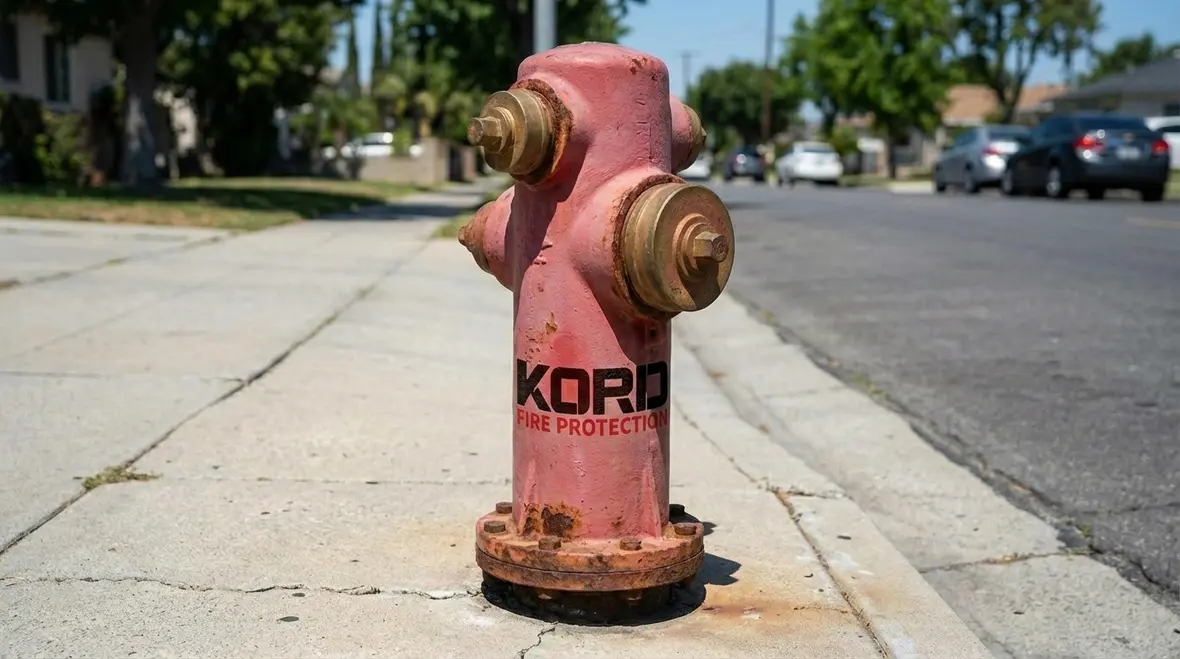
At first glance, a fire hydrant seems simple. Twist the cap. Turn the valve. Water flows. However, inside that sturdy shell sits a network of valves, stems, gaskets, and seals. Over time, sediment builds up. Seals crack. Threads corrode. Therefore, regular servicing protects more than equipment. It protects lives and property.
Kord Fire Protection technicians often tell clients that hydrants live outdoors 365 days a year. They endure sun, rain, dust, passing cars, and the occasional creative parking job. Because of that constant exposure, wear happens slowly and quietly. Without inspections, small problems can grow into costly failures.
Routine hydrant service in Azusa ensures:
- Proper water flow and pressure
- Clear access during emergencies
- Leak free operation
- Compliance with local fire codes
In short, maintenance turns a decorative sidewalk feature into a dependable emergency tool.
For many Azusa properties, hydrant care is part of a larger fire protection strategy that can also include sprinklers, alarms, extinguishers, and more. Kord Fire’s full fire protection services make sure all of those pieces work together when it counts.
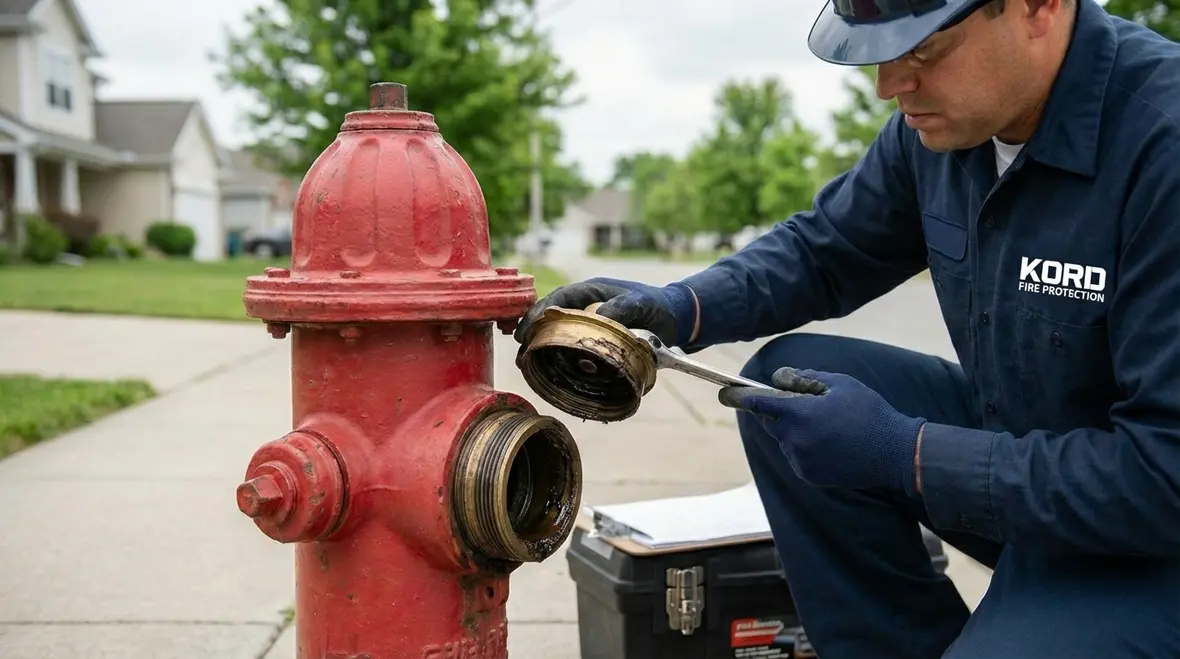
Fire Hydrant Maintenance Requirements in Azusa Explained
So what exactly does the city expect? Fire hydrant servicing in Azusa follows state fire code guidelines as well as local municipal standards. While property owners may not think about hydrants often, compliance is not optional.
Typically, requirements include annual inspections at minimum. During these inspections, technicians check:
- Operating nut condition
- Cap threads and lubrication
- Valve operation
- Water flow and pressure levels
- Drainage after use
Additionally, hydrants must remain visible and accessible. That means no overgrown bushes, stacked pallets, or creative landscaping choices blocking access. As one Kord technician likes to joke, “If a firefighter needs a machete to reach it, we have a problem.”
Furthermore, any hydrant that fails inspection must be repaired promptly. Delays can result in fines and increased liability. More importantly, delays put people at risk.
Because Azusa sits within the broader Los Angeles County service area, property owners often work with technicians who also support nearby communities like Arcadia, Duarte, and Baldwin Park. That county-wide experience helps ensure hydrant work aligns with the same high standards found on pages like the Arcadia fire protection services guide.
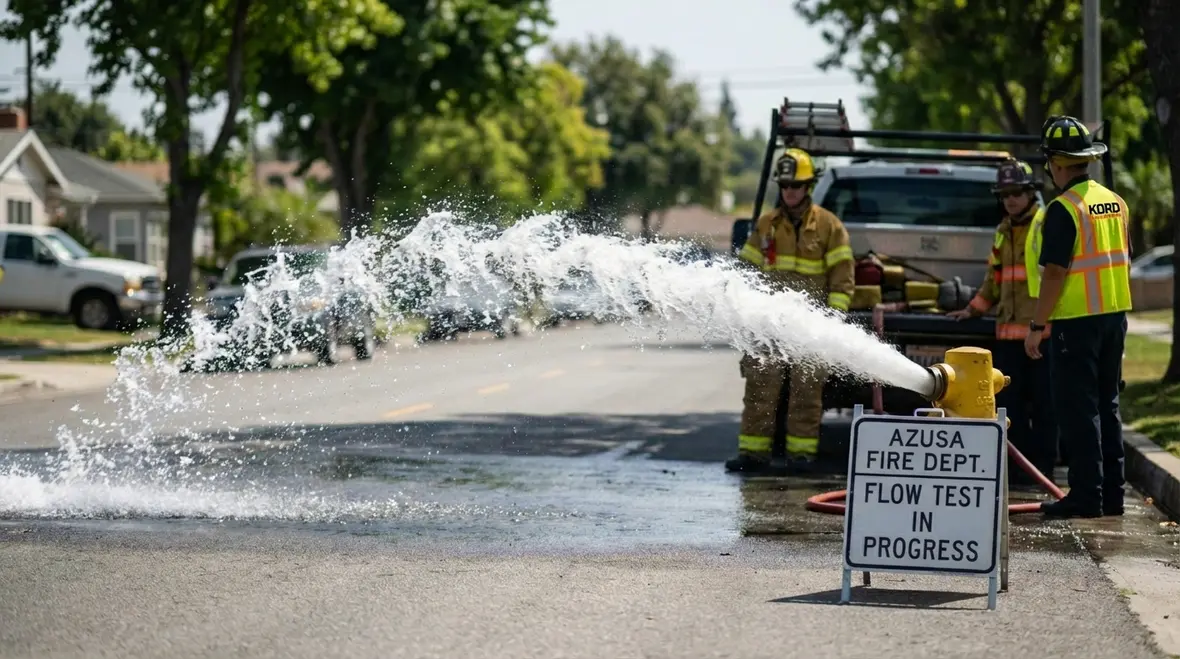
What Happens During a Professional Inspection
Property managers often ask what actually happens during an inspection. It is not just someone tapping the hydrant with a wrench and nodding thoughtfully.
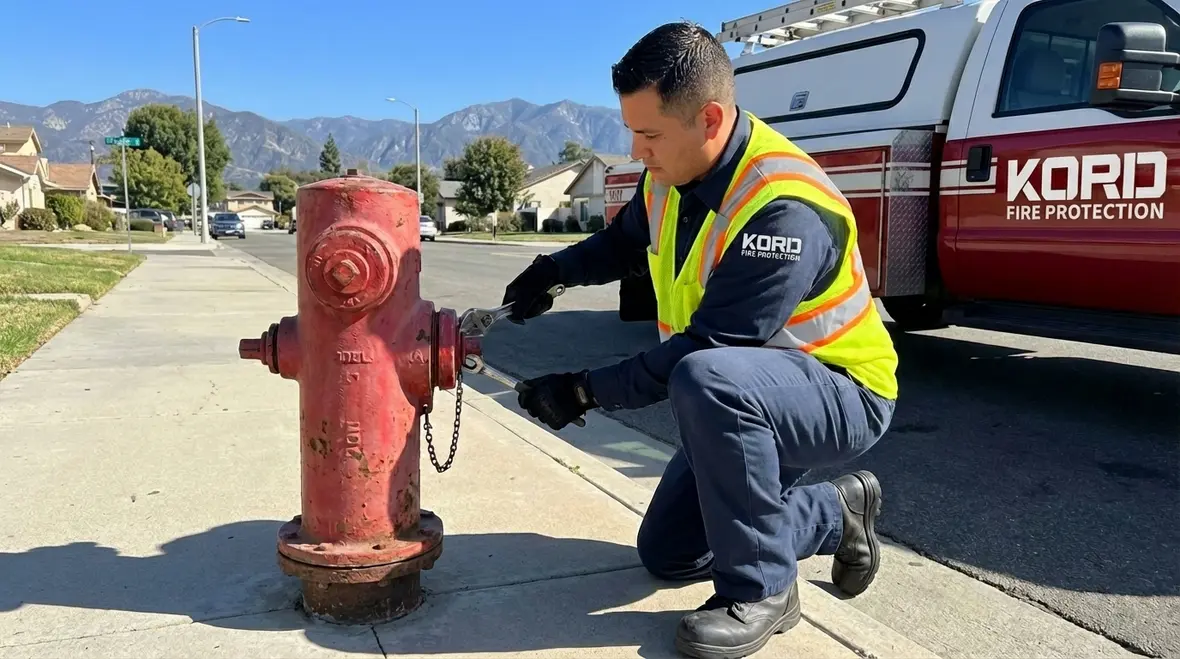
First, technicians conduct a visual assessment. They look for cracks, rust, missing caps, or signs of impact damage. Next, they remove caps and check threads for wear. After that, they operate the main valve to ensure smooth movement. Stiff or grinding resistance can signal internal damage.
Then comes the flow test. Water is discharged to confirm proper pressure and to flush debris from the barrel. Although it may look dramatic, this step ensures the hydrant performs under real conditions. Finally, the technician confirms that the hydrant drains correctly. Standing water inside can freeze or cause corrosion.
Throughout the process, Kord Fire Protection technicians document each step. Clear records support compliance and provide proof of proper care. In the world of safety, documentation is king.
Those inspections often happen alongside broader system checks. During a scheduled visit, it is common to see technicians moving from hydrants to sprinklers, alarms, or backflow devices, following the same careful process described on Kord Fire’s main fire protection services page.
Common Issues Found During Azusa Fire Hydrant Maintenance
Even well maintained hydrants can develop issues. However, regular inspections catch problems early.
Some of the most common findings include:
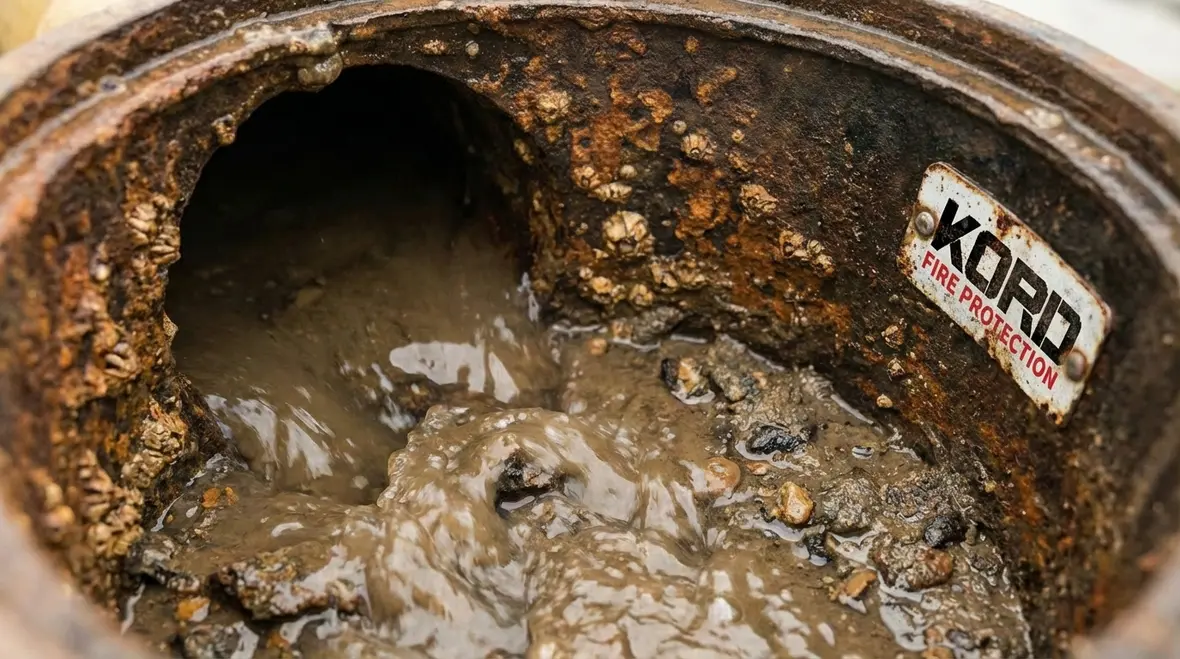
- Internal corrosion
- Leaking gaskets
- Damaged stems from improper operation
- Obstructed drainage ports
- Low pressure due to underground supply issues
Corrosion often develops slowly. Because hydrants connect to underground piping, minerals in water can build up over time. Therefore, flushing during inspection plays a key role in system health.
Improper use also causes damage. Occasionally, unauthorized individuals attempt to open hydrants without proper tools. That rarely ends well. As technicians calmly explain, hydrants are not public water fountains or summertime splash pads.
By addressing these issues early, property owners avoid larger repairs later. Preventive care costs less than emergency fixes. That principle holds true whether discussing cars, teeth, or fire protection systems.
How Often Should Hydrants Be Serviced in Azusa?
This question comes up often, and the answer is clear. At minimum, hydrants require annual inspection and testing. However, high risk properties may require more frequent checks.
For example, industrial sites with higher fire loads often benefit from semi annual inspections. Similarly, properties with older infrastructure may need closer monitoring. Because aging components wear faster, proactive care prevents surprise failures.
Kord Fire Protection technicians evaluate each site individually. Rather than applying a one size fits all approach, they consider water supply conditions, usage history, and environmental exposure. Consequently, maintenance schedules align with actual risk.
Consistency matters. Skipping inspections might save a small amount today. Yet it can cost far more tomorrow.
Understanding Responsibilities for Property Owners
Responsibility for hydrants depends on location. Public hydrants typically fall under municipal oversight. However, private hydrants located on commercial or industrial property often remain the responsibility of the owner.
That distinction surprises many property managers. Nevertheless, liability does not disappear simply because a hydrant looks official.
Public Hydrants
- Maintained by the city
- Inspected under municipal schedule
- Repairs handled through public works
Private Hydrants
- Maintained by property owner
- Must meet fire code standards
- Require documented inspections
- Repairs arranged by owner
Therefore, owners of shopping centers, warehouses, apartment complexes, and business parks must confirm their hydrants meet code. Regular Azusa hydrant inspection services provide peace of mind and documented proof of compliance.
If your property spans multiple jurisdictions or sits near a city boundary, it helps to work with a contractor that already supports neighboring areas such as Baldwin Park fire protection services and other Los Angeles County communities. That regional familiarity makes it easier to stay ahead of inspections and local expectations.
The Role of Professional Technicians in Long Term Safety
Experience makes a difference. While a hydrant may appear simple, diagnosing subtle performance issues requires training. Kord Fire Protection technicians understand internal mechanics, pressure dynamics, and code standards.
Moreover, they approach each inspection with a calm focus. They do not rush. They test thoroughly. They explain findings clearly. Clients appreciate that steady confidence. After all, safety conversations should inspire trust, not confusion.
Professional servicing also ensures proper lubrication, correct torque application, and safe operation during flow tests. Small technical details matter. When handled correctly, hydrants perform reliably for decades.
And when maintained properly, they rarely make headlines. Which, in the fire protection world, is the highest compliment possible.
FAQ About Fire Hydrant Maintenance in Azusa
Dependable Protection Starts with Action
Fire safety does not happen by accident. It happens through planning, inspection, and steady care. Reliable hydrant maintenance in Azusa keeps water flowing when seconds matter most. Kord Fire Protection technicians stand ready to inspect, test, and service every component with precision and calm expertise.
Property owners who value safety should schedule professional service today. Because when the moment comes, confidence in that hydrant should feel absolute.
If your Azusa property also needs help with sprinklers, alarms, or extinguishers, you can tap into the same team that supports communities across Los Angeles County. Explore nearby service options like Duarte fire protection services or schedule a visit directly through Kord Fire’s county-wide service network.
Take the next step now: confirm your hydrants are accessible, up to code, and backed by documented inspections so you are ready for the next fire marshal visit—and, more importantly, the next emergency.
Know Your Weapon Before You Fight the Flame
Kord Fire Protection is your go-to when it comes to all things fire protection. For over 20 years, we’ve been serving Southern California with the quality service and equipment to keep your home or business safe at all times. Our competitive prices reflect our unwavering commitment to protecting what matters most in the event of a fire emergency. Give us a call, send an email, or use that form!

Join Our Newsletter!
Get the latest fire safety tips delivered straight to your inbox From our Newsletter.