Advanced Fire Alarm System Integration Benefits in Australia
Quick Answer: Advanced fire alarm integration helps facilities link detection, control, and building automation so alerts, ventilation control, and operational workflows act fast and consistently. With the right design, teams reduce nuisance events, speed response, and keep compliance tight across Australia. Kord Fire Protection can supply and support the integration so systems stay coordinated and dependable.
In an ideal world, a fire alarm does more than ring like an alarm clock that forgot to retire. Instead, it provides usable, system level signals that building automation can act on in real time. When teams use fire alarm system integration benefits early in design, they can coordinate life safety functions, align maintenance routines, and reduce chaos during alarms. And while every project claims it will “work together,” advanced integration proves it in the details.
That is where Kord Fire Protection becomes a vital partner. They bring practical fire system expertise to the automation conversation, which helps prevent the classic problem: the building automation contractor builds a beautifully mapped logic scheme, and the fire system logic arrives later like a late guest who still insists they brought the snacks.
For teams planning broader upgrades, it also helps to align this strategy with commercial fire alarm integration for building automation safety so the building response stays coordinated from the first design review instead of getting patched together after the fact.
How advanced integration changes building safety outcomes
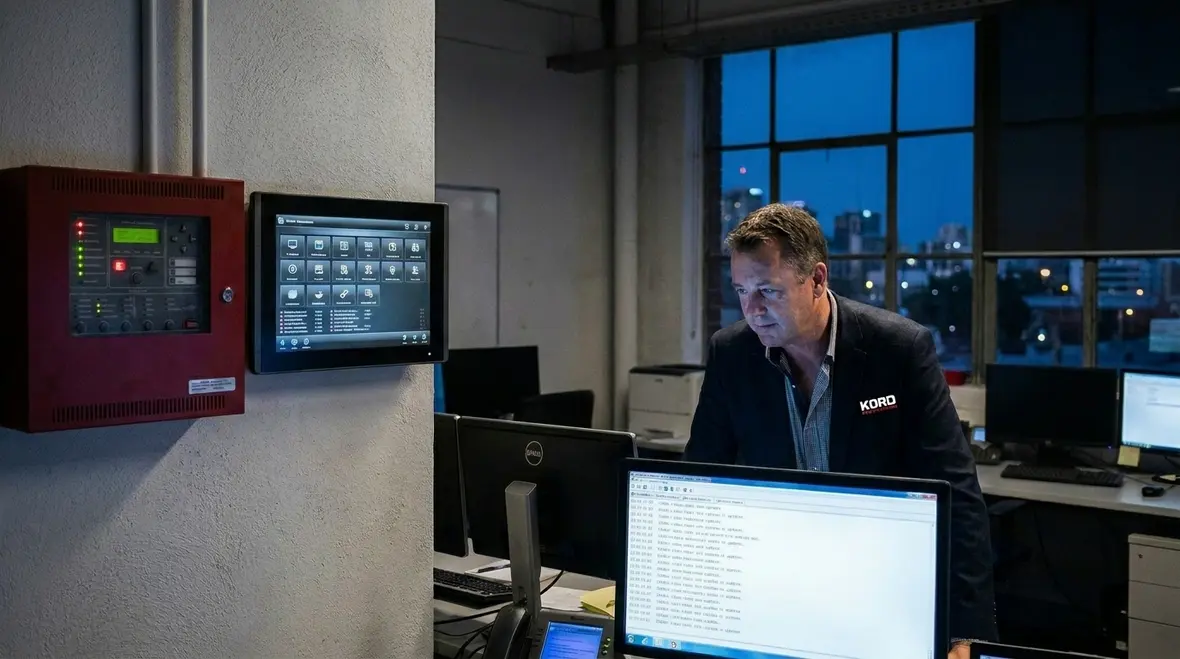
In commercial facilities across Australia, safety depends on speed, clarity, and consistent behavior. Therefore, teams plan integration around the alarm’s role as the primary safety trigger. Advanced approaches then translate fire events into reliable actions for the rest of the building systems. This can include confirming zone location, driving stair pressurisation commands, stopping smoke spread steps, and notifying operators with event context.
Moreover, good integration prevents “signal noise.” It also improves decision making when multiple systems report status changes. Instead of forcing operators to interpret raw points, integrated logic can present a clear operational view. Then the facility can respond with the right sequence, rather than the loud sequence.
For industrial sites, this matters because dust, airflow, and complex layouts can create real challenges for detectors and system interpretation. For retail and multi use commercial assets, it matters because false alarms can disrupt tenants and customers. Integration helps both types of sites by aligning alarm signals with operational intent, not just wiring connections.
Why coordinated system behavior matters more than isolated hardware
A panel, a dashboard, and a few control outputs do not automatically create a smart response. The real value comes from defining what the whole building should do when an event occurs and making sure every connected system follows the same script. If one layer says “evacuate,” another says “hold,” and a third says “maybe later,” the technology has officially joined the meeting without reading the agenda.
Mapping detection events to automation logic that actually makes sense
Teams often jump straight to point lists, and that is how projects end up with mismatched assumptions. Instead, they should map events to behavior first. For example, the design should define how a zone alarm leads to a sequence of actions. It should also define what happens during pre alarm, general fire alarm, and fault conditions.
Next, they should standardize how each event type communicates status. If building automation receives an unclear fault signal, it may trigger the wrong control logic, and the system becomes a confused supervisor instead of a calm one. With structured mapping, automation can treat events differently based on priority.
For example, an alarm may require immediate door control, fan shutdown in a smoke spread scenario, and escalation of notification. A supervisory condition may require alerting maintenance teams without triggering full evacuation workflows. In short, integration builds logic that matches fire intent rather than generic automation intent.
When that approach is followed, the fire alarm system integration benefits show up as fewer disruptions, faster confirmation of the event location, and clearer communication to building staff.
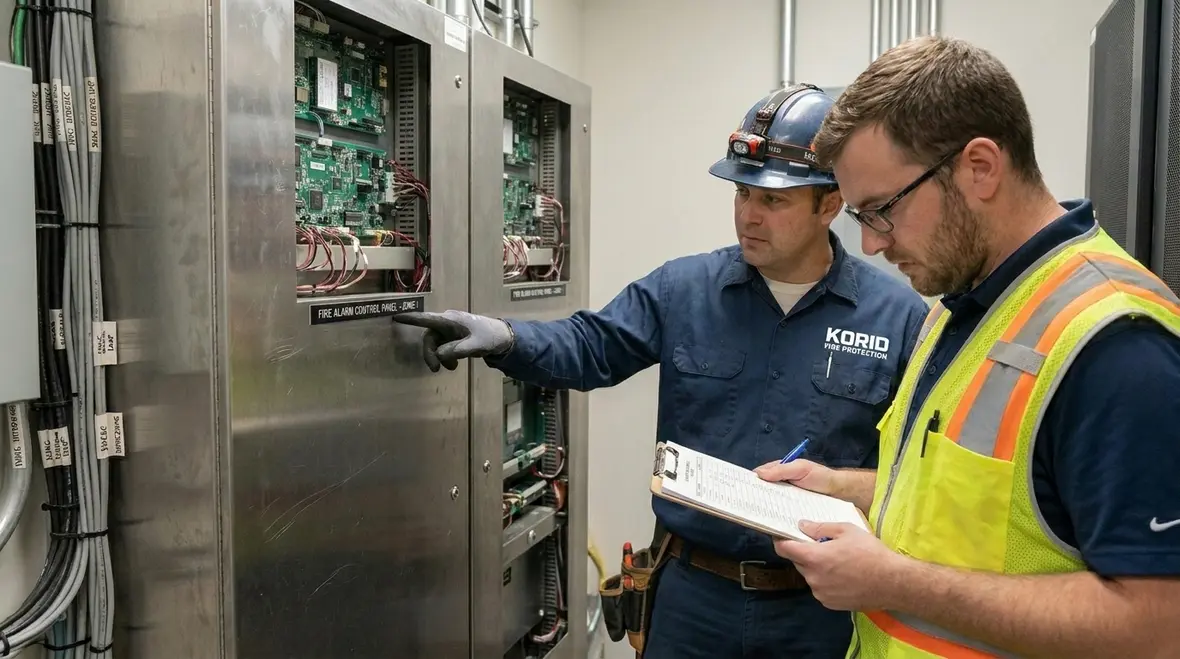
What a useful point map should actually include
A useful point map does not stop at labels. It should identify the source device, event type, destination system, expected action, priority, delay if any, and how the response gets verified. That level of structure helps everyone from designers to commissioning teams avoid the old “I thought your side was handling that” conversation.
Why sequence of operations must drive the design
Sequence of operations sets the rhythm of the entire response. If it is vague, the building automation layer will guess. And guesswork, as anyone who has dealt with a “temporary” site solution knows, does not age well.
To keep sequences dependable, the design should include at least these items: trigger condition, time delays, interlocks, reset behavior, and overrides. In addition, it should specify how the system behaves during maintenance modes. Many sites schedule work during off hours, and then someone flips a switch and everyone panics later. Proper integration defines these edge cases so the system responds predictably.
Also, integration should handle feedback loops. For instance, the fire alarm panel may command a control output, and the building automation system may confirm damper position or fan state. That verification reduces uncertainty and helps staff understand what the building did, not just what it was told to do.
At industrial facilities in Australia, where shutdown and pressurisation strategies can affect process safety, sequence discipline becomes even more important. A clean sequence protects both life safety and operational stability.
Testing the sequence before handover saves everyone pain later
A sequence that looks perfect on a workshop whiteboard can fall apart during a live test if timing, supervision, or feedback points were never validated. That is why repeatable test scripts matter. They turn assumptions into evidence and keep handover from becoming a dramatic reading of unresolved punch list items.
Reducing nuisance alarms with smart data handling
Nuisance alarms do not just create noise. They train people to ignore alarms, which is the one habit no facility can afford. Therefore, advanced integration should include strategies that improve decision quality.
One method is event classification. Instead of treating every alarm signal the same way, the integration can interpret event context, such as the detector type, zone behavior, and confirmation signals. For example, if a zone triggers but the system does not show supporting conditions, the automation layer can initiate operator review workflows instead of full disruption.
Another method is better monitoring of system health. Integration can surface panel status, wiring supervision events, and device faults to maintenance teams with clear descriptions. That means issues get fixed before they cause false events.
Additionally, the system can support trends. When facilities track alarm frequency by zone, they can identify patterns linked to environmental factors like airflow changes or dust exposure. Then the team can adjust detector placement, sensitivity settings, and cleaning schedules.
In practice, these efforts strengthen fire alarm system integration benefits by improving trust. And when people trust the system, they respond faster because they believe what it tells them.
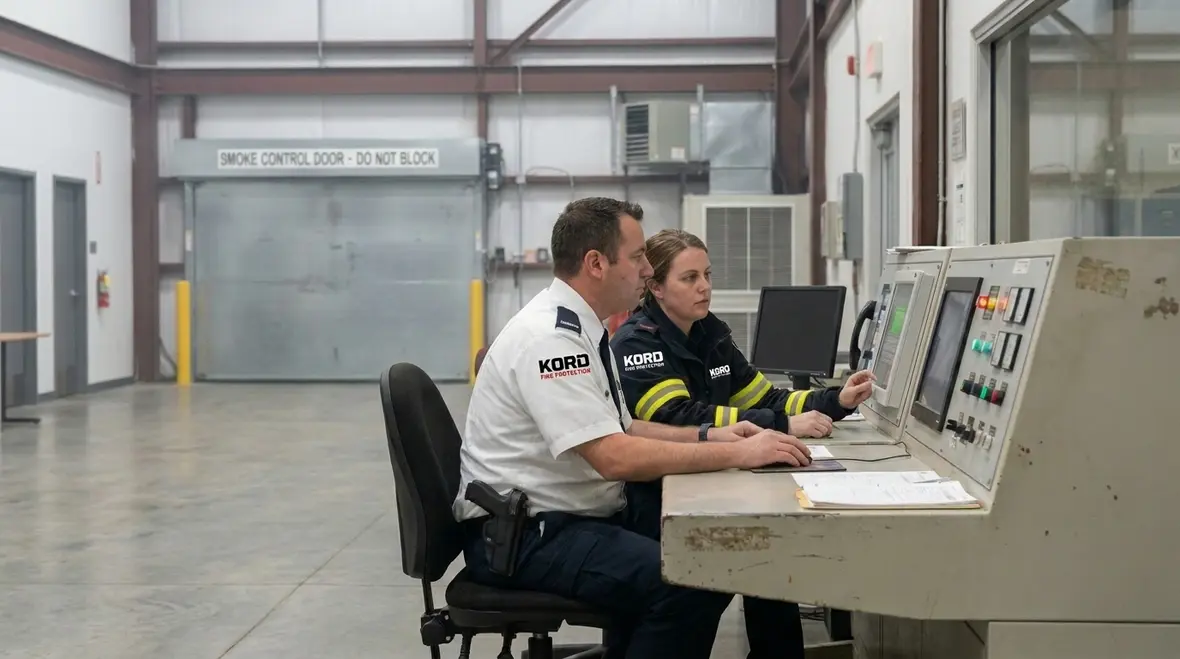
Keeping control secure and compliant across Australian sites
Safety systems need security, and building automation needs governance. Therefore, integration must follow a design that limits who can change logic and how changes get approved and tested. Teams should use role based access and maintain clear change control records.
Next, they should separate alarm signaling from non life safety controls. Even when automation receives data, it should not “assume power” over life safety functions without defined architecture and testing. This matters in multi tenant commercial environments where different teams manage different layers.
From a compliance standpoint, the facility should align documentation with local requirements and project standards. The integration design should include a clear single line view of interconnections, defined point mapping, and test procedures. That helps commissioning and ensures the asset stays auditable.
With industrial and retail assets, the “real world” includes contractors, temporary works, and equipment upgrades. So the integration approach should support future expansion, not only today’s layout.
This is also a place where Kord Fire Protection adds value. They can help coordinate integration decisions with fire system design intent, so the final result aligns with how the fire panel actually behaves, not how someone hoped it would behave in an elegant spreadsheet fantasy. For related reading, their article on fire alarm system integration for smarter building response adds useful context for teams refining interface decisions.
Implementation plan for facilities managers and project teams
A smooth rollout protects uptime. It also avoids the “we will test later” trap that delays handover. Therefore, teams should use a phased plan.
- Discovery and risk review: Identify critical zones, expected occupancy changes, and operational constraints for industrial, retail, and facility workflows across Australia.
- Sequence definition: Write the sequence of operations for key scenarios, including pre alarm, general fire alarm, fault, and reset.
- Point mapping and data strategy: Define how events communicate to automation, including confirmation and supervision handling.
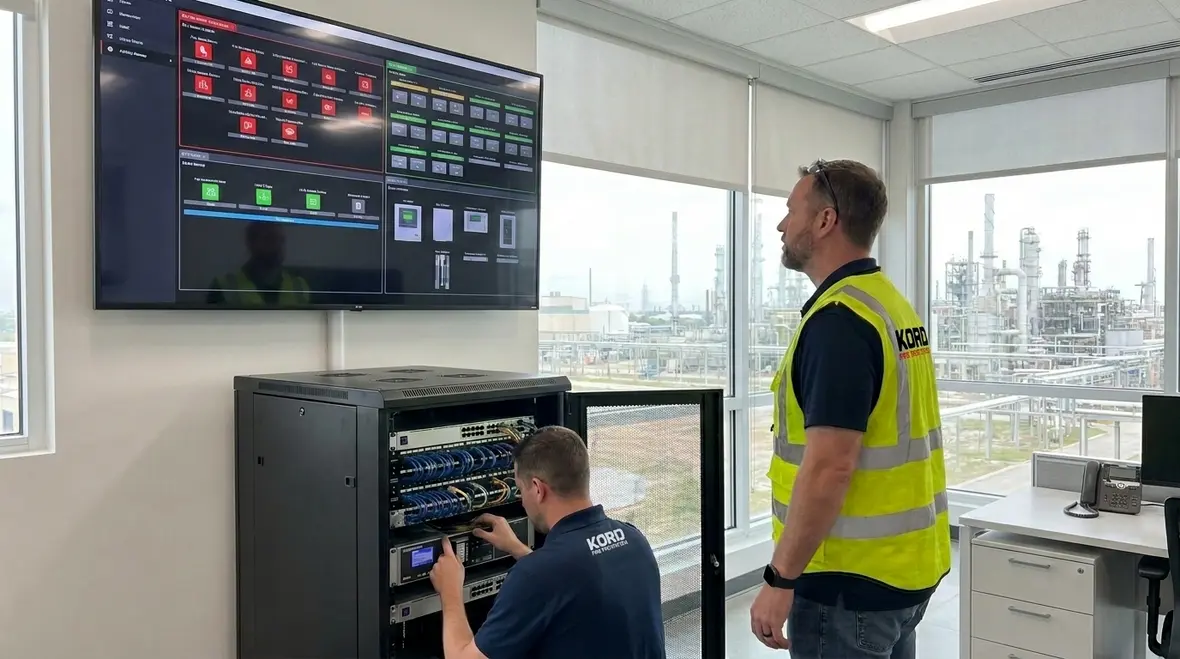
- Integration design and interface validation: Verify signal types, timings, and interlocks with the fire system manufacturer and panel behavior.
- Commissioning and evidence: Test scenarios using repeatable scripts and capture commissioning records for future audits.
- Maintenance alignment: Ensure maintenance teams understand the integrated logic and how to troubleshoot faults without disabling safety intent.
During the rollout, communication matters. Operators should know what screens will display, how alarms will be categorized, and what actions they should take. When operators understand the system, they act with calm confidence instead of treating every alarm like a surprise plot twist.
For teams working across multiple sites, having a partner that understands fire alarm behavior is a major advantage. Kord Fire Protection can act as the vital partner that keeps integration aligned with safety intent, especially when schedules, expansions, or upgrades collide.
When to choose Kord Fire Protection as the integration partner
Some teams try to coordinate integration across multiple vendors and then wonder why the handover feels like a group project where someone always forgot to do their part. Kord Fire Protection can reduce that friction by supporting fire system integration as a core capability.
They can help teams plan the interface behavior so automation logic matches fire intent. They also bring a practical approach to commissioning and maintenance so sites keep performance over time, not just during acceptance testing. In other words, they help the system stay coordinated after the ribbon cutting, which is where most systems quietly start to drift.
Facilities in Australia benefit most when life safety and automation design decisions happen together, with clear responsibility and shared testing outcomes.
FAQ
Final CTA for project teams
Ready to upgrade building safety without turning commissioning into a long comedy sketch? Advanced integration can align alarms, automation actions, and operational clarity, which improves response and reduces disruption. Kord Fire Protection can support the job with fire system expertise that fits real Australian facility conditions.
Reach out to plan your sequence, validate interfaces, and build a system that stays calm when it matters most. If your team is comparing connected life safety strategies, the resource on fire alarm integration for smarter building safety is a natural next step.

Join Our Newsletter!
Get the latest fire safety tips delivered straight to your inbox From our Newsletter.