NFPA 2001 Section 5.9 Clean Agent Quantity Indicators
Quick Answer
NFPA 2001 Section 5.9 explains how clean agent systems must show the right agent level after discharge or testing. In plain terms, the system should prove it still has enough agent to protect the hazard area. For sites that need dependable support, clean agent fire suppression services from Kord Fire Protection fit naturally into the bigger picture of verification, inspection, and maintenance. Kord Fire Protection can help verify, inspect, and maintain these systems with calm, careful expertise.
Why Agent Quantity Indicators Matter in Clean Agent Systems
Clean agent systems do one job very well: they protect valuable spaces without leaving messy residue behind. That matters in places like server rooms, switch rooms, control areas, warehouses, and retail back of house zones. However, the system is only useful if it still carries the correct agent quantity. That is where NFPA 2001 agent quantity indicators clean agent systems come into play.
Section 5.9 focuses on proving that the agent level is where it should be. In practice, this means the system must show a clear sign that enough agent remains for proper protection. If the level drops too low, the system may not perform as designed. And that is not a small problem. It is the fire safety version of showing up to a final boss fight with a butter knife.
When this requirement is treated seriously, it helps protect uptime, compliance, and confidence. It also supports planned maintenance, which matters because nobody wants a surprise after a discharge event. The value of a quantity indicator is not just technical. It is operational. It gives a facility a way to know whether the system is genuinely ready or just sitting there looking impressive.
How NFPA 2001 Section 5.9 Works in Real Sites
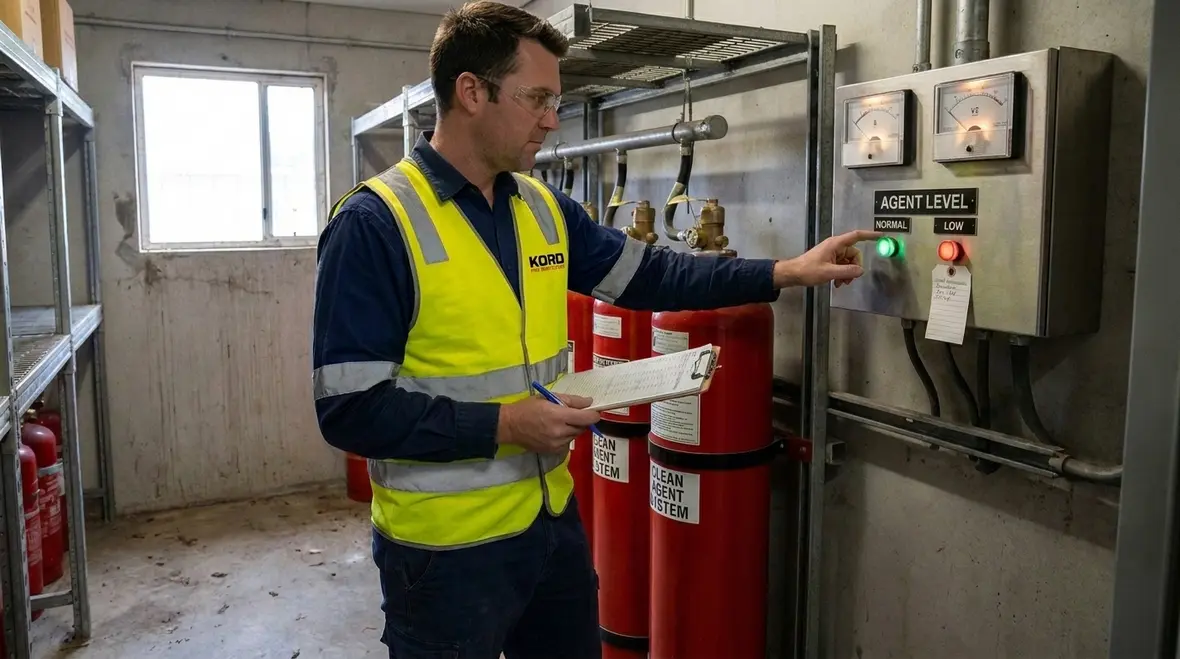
Section 5.9 is about verification. It helps technicians and facility teams confirm that the agent quantity inside the system matches the protected design. In simple terms, the system must be able to show that the clean agent is still ready to do its job.
This usually involves checking indicator devices, container pressure, weight, or other approved methods, depending on the system type. The point is not paperwork for the sake of paperwork. Instead, the point is proof. Proof that the system still holds the right amount of agent, and proof that the protected area still has the coverage it needs.
Because different systems use different detection and storage methods, a proper inspection should match the manufacturer’s instructions and the site’s design. Therefore, the process should never rely on guesswork. Fire protection does not reward optimism. It rewards accuracy.
What technicians are really trying to confirm
On a real site, the inspection is trying to answer a very practical question: if a fire starts in this room today, will the clean agent system still discharge the amount it was designed to deliver? That is the heartbeat of the whole section. A good indicator setup makes that answer easier to verify quickly. A poor setup creates uncertainty, delays, and extra service calls that nobody asked for.
This is also why related guidance such as NFPA 2001 guidelines for clean agent fire suppression systems can be useful for teams that want a broader understanding of how quantity, discharge readiness, and maintenance all work together. Section 5.9 may sound narrow, but in reality it connects to the full health of the system.
What Clean Agent Level Verification Looks Like
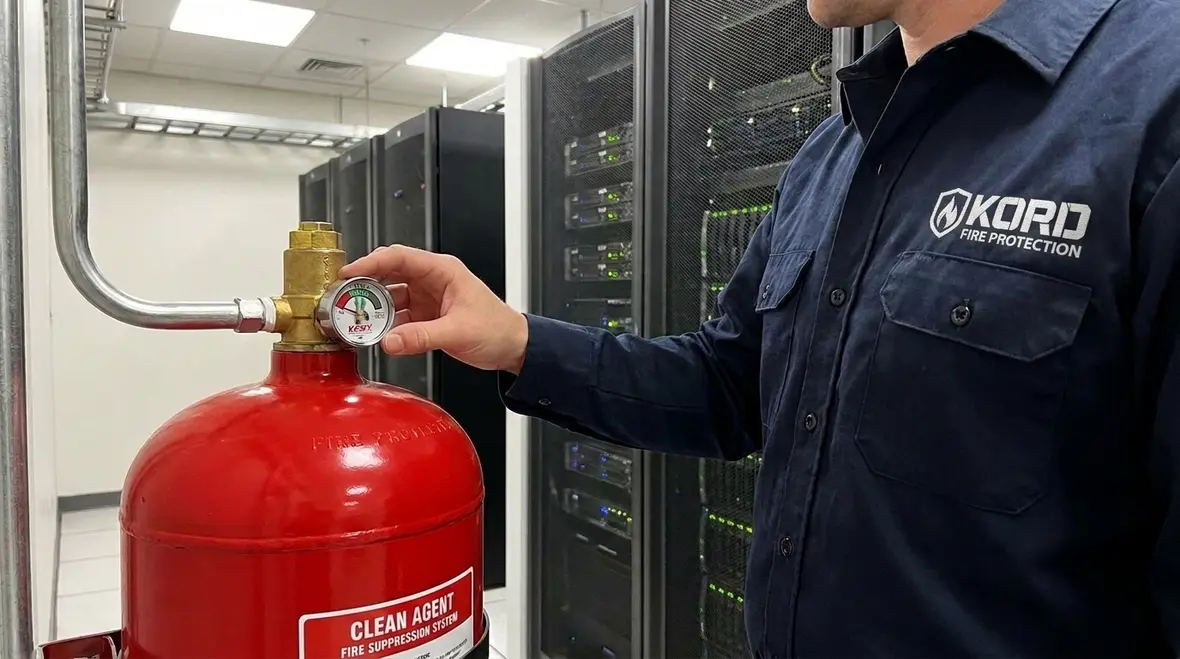
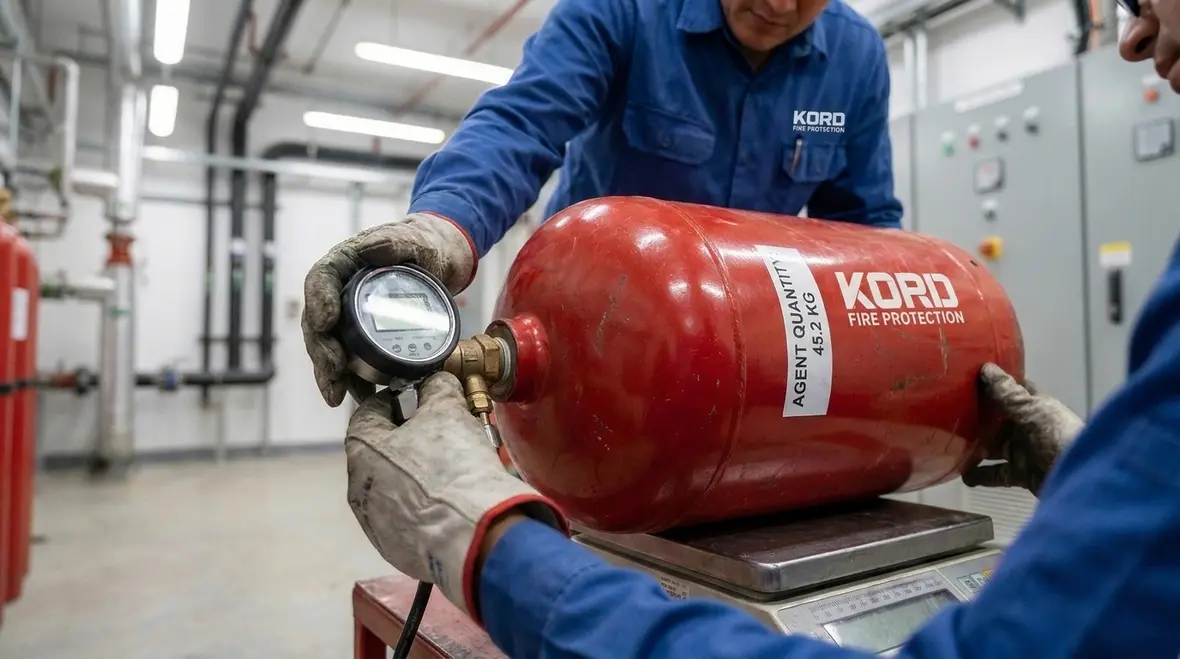
When a team verifies a clean agent system, it usually starts with a visual check. After that, it may include measuring container pressure, confirming cylinder weight, checking release components, and reviewing the indicator that shows the agent status. These steps help confirm that the system still meets the required design level.
For sites with NFPA 2001 agent quantity indicators clean agent systems, this process is especially important after servicing, accidental discharge, or any sign of damage. Even a small loss of agent can affect performance. As a result, regular verification helps catch problems before they become expensive surprises.
Here is where many businesses benefit from a clear inspection plan. A clean agent system should not only exist. It should also be easy to verify, easy to monitor, and easy to trust.
Common checkpoints during verification
- Visual confirmation that cylinders, piping, and indicators appear intact and accessible
- Review of pressure readings against the accepted operating range
- Weight comparison against baseline values where weight based verification applies
- Inspection of release hardware, control interfaces, and tamper conditions
- Documentation of any fault, deficiency, or follow up action needed
None of those steps are glamorous, but that is kind of the point. Reliable fire protection usually looks boring right up until the moment it saves the day. Good verification work is disciplined, repeatable, and annoyingly thorough in the best possible way.
What Columns Can Support the Inspection Record
If a site uses an inspection log or service sheet, helpful columns can make verification faster and cleaner. These records support compliance and help teams spot trends before they turn into faults.
Suggested dual columns for a clean agent inspection record:
- Column 1
- System location
- Cylinder or container number
- Indicator status
- Pressure reading
- Weight check
- Last service date
- Technician name
- Corrective action
- Column 2
- Room or asset ID
- Unique equipment reference
- Normal, low, or fault condition
- Measured value and accepted range
- Recorded weight and baseline weight
- Inspection or maintenance date
- Person completing the check
- Repair, refill, or follow up needed
These columns help create a practical trail. They also make it easier for facility managers to review system health without digging through scattered notes. In other words, they save time, which is one thing every busy site can appreciate.
How Kord Fire Protection Adds Value
Kord Fire Protection can become a vital partner for this work because clean agent systems demand care, consistency, and technical know how. Their role goes beyond basic checking. They help verify the agent level, inspect indicator conditions, and support maintenance in line with the site’s needs.
For industrial, retail, and commercial sites, that support matters. Kord Fire Protection can help reduce downtime, improve compliance, and keep critical spaces protected. Moreover, they can work with facility teams who need a service partner that speaks plainly and acts quickly. No drama. No smoke and mirrors. Just practical fire protection support that keeps systems ready.
Because clean agent systems protect high value assets, they deserve a team that treats each inspection with care. Kord Fire Protection can help make sure the system is not merely installed, but properly verified over time. Teams looking for extra context can also explore Kord resources on mission critical clean agent protection and room performance, both of which connect naturally to the same goal: making sure the system actually works when the pressure is on, and not just metaphorically.

Why Regular Verification Protects Compliance and Downtime
Regular checks do more than satisfy a standard. They help keep people, equipment, and operations safe. When a system loses agent and no one notices, the risk grows fast. Therefore, regular verification becomes part of business continuity, not just fire safety.
In busy facilities, small issues can hide behind larger tasks. A pressure drop, a failed indicator, or a missed service point can sit unnoticed until a real emergency arrives. That is why NFPA 2001 agent quantity indicators clean agent systems deserve a place in scheduled maintenance. They give teams an early warning and a clear path to action.
This kind of routine verification also supports better coordination between operations staff, safety teams, and outside technicians. Instead of reacting to a fault at the worst possible time, everyone has a clearer view of system condition before the situation turns ugly. That is the sort of quiet win that rarely gets applause, but it absolutely deserves it.
For facilities managing sensitive electronics, data, or process equipment, regular checks can also work hand in hand with related services such as room integrity testing. A system can have the right quantity of agent, but if the enclosure cannot hold concentration long enough, the overall protection story still has holes in it. That is why verification should be viewed as part of a whole strategy rather than a lonely checkbox trying its best.
FAQ
Keep the System Ready Before It Matters
NFPA 2001 agent quantity indicators clean agent systems give facilities a clear way to confirm readiness. That means better control, stronger compliance, and fewer nasty surprises. Kord Fire Protection can help keep those systems verified, maintained, and ready when it counts.
A calm system is a reliable system, and a reliable system is worth its weight in clean agent. When quantity indicators are checked properly and documented clearly, teams gain something every facility wants more of: confidence without the chaos.

Join Our Newsletter!
Get the latest fire safety tips delivered straight to your inbox From our Newsletter.