Commercial Fire Alarm Integration for Building Automation Safety
Commercial fire alarm integration does not just add beeps to a building. Instead, it connects fire protection signals to the building systems that actually manage people and equipment. Kord Fire Protection Technicians explain that when fire alarm control panels talk to lighting, HVAC, doors, elevators, and monitoring tools, the whole site responds as one calm, coordinated unit. And yes, it can still be dramatic, like a movie climax, but without the chaos. As a result, property teams get faster detection, clearer actions, and fewer guesswork moments during an emergency.
Why linking alarms to building automation matters for safety
Fire alarm systems already detect smoke and heat. However, many buildings still operate like they are in separate universes. One system notices trouble, while another keeps running as usual. Consequently, doors may fail to release, fans may continue to push smoke, and occupants may get stuck in the wrong place. By using commercial fire alarm integration, a building automation platform can apply pre planned responses right away.
For example, when an alarm activates, the system can trigger stairwell door release, start smoke purge where allowed, and coordinate occupant notification. At the same time, it can stop normal ventilation modes and hold fire dampers in the correct state. Kord Fire Protection Technicians often stress that this is not about adding complexity for fun. It is about reducing the time between “we detected a fire” and “we moved people to safety.”
Even better, the automation layer can support clearer status reporting for facility teams. So, instead of a vague “alarm active,” staff receives structured information like device location, zone, and which actions ran. It is like upgrading from a mystery novel to a procedural drama with the culprit written on the first page.
A smarter building response starts with coordinated systems
This is where a well planned integration strategy shines. Rather than asking security, maintenance, and occupants to interpret scattered clues, the building follows a defined response sequence. That sequence becomes easier to manage, easier to test, and easier to trust. For teams already evaluating broader life safety upgrades, Kord Fire Protection also covers fire alarm integration for smarter building safety, which pairs well with this topic and adds more context around connected building performance.
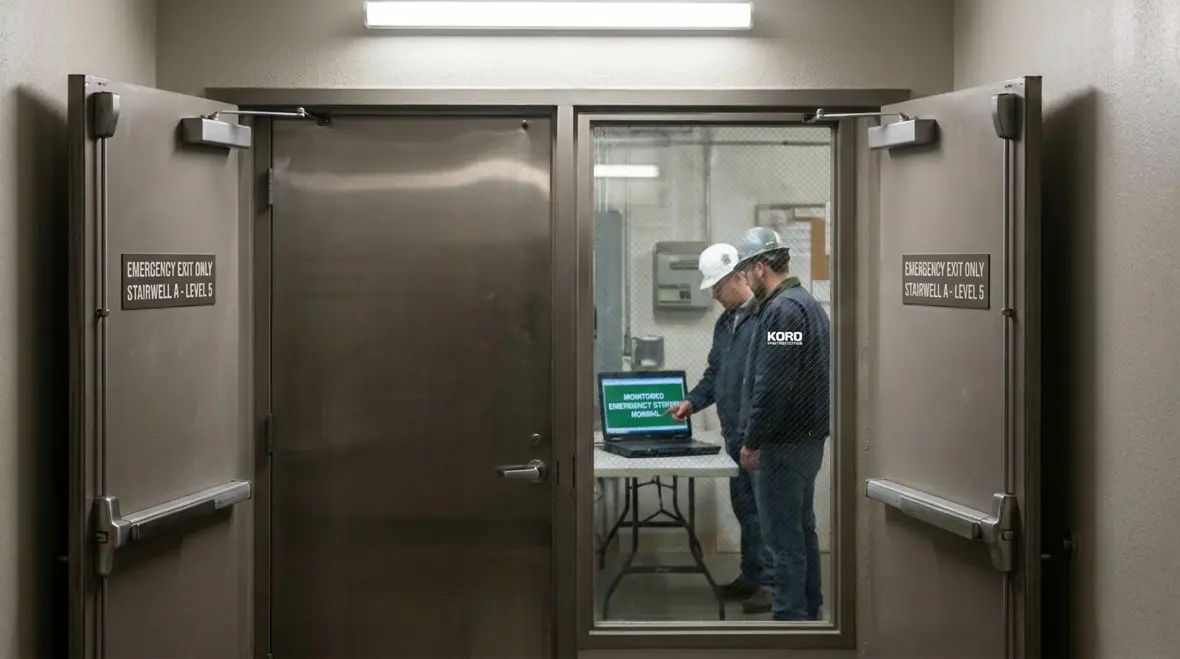
How fire detection signals flow into automation controls
In a well designed setup, the fire alarm panel remains the decision maker for life safety functions. Then, it communicates the right events to the building automation system using approved interfaces. This design matters because fire protection has strict rules. Kord Fire Protection Technicians explain that the integration must respect code intent and keep critical actions reliable.
Typically, the flow looks like this:
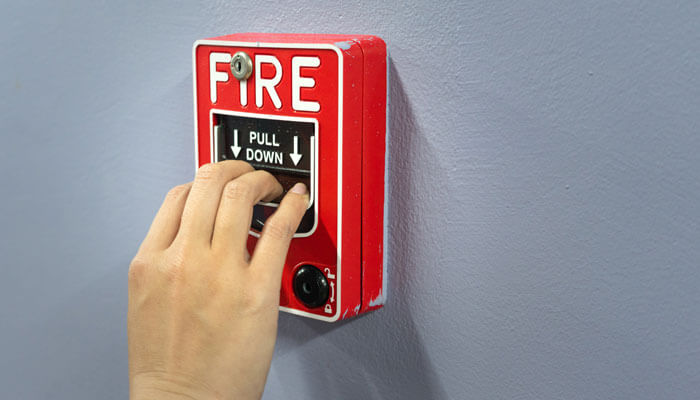
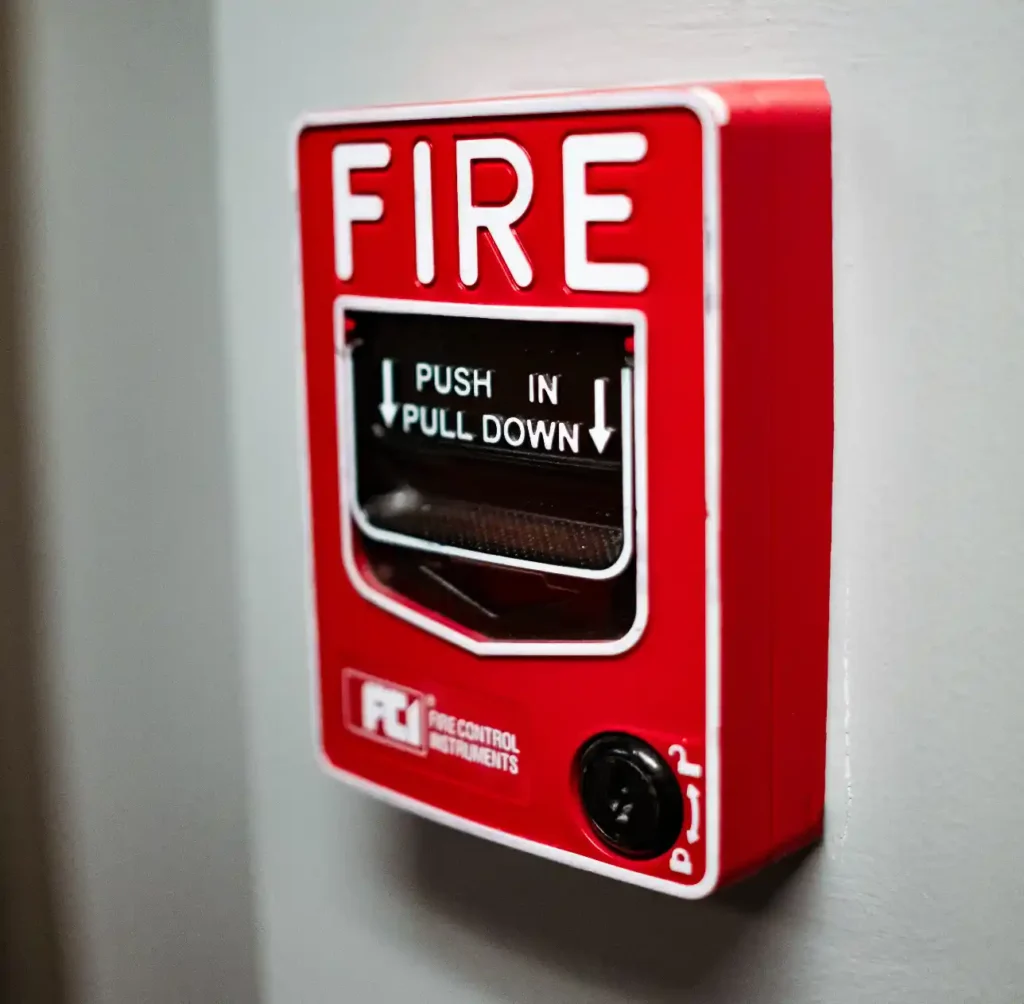
- Detection event occurs when a device trips on smoke, heat, or manual pull.
- Alarm panel classifies the event and sets the appropriate operating state.
- Integration triggers automation outputs such as HVAC control, door release, elevator recall, and façade notifications.
- Building systems confirm action status back to monitoring tools, where allowed.
Additionally, the system can use graded responses. For instance, in some buildings, pre alarm signals can prepare certain functions like standby fan control, while a full fire alarm level performs life safety actions. Therefore, occupants benefit from earlier direction, while operators retain controlled steps.
And yes, the building can still feel “smart” without being “mystery meat.” If a team cannot explain why a command fired, the integration is not ready for production. That is where commissioning and testing become the unglamorous hero of the story.
Why the panel stays in charge
A good integration does not blur responsibility. It keeps the fire alarm control panel in charge of life safety logic while the building automation platform listens, reacts, reports, and supports. That separation helps avoid the dangerous mess of having too many systems trying to be the hero at once. Heroics are fun in action movies. In real buildings, clean logic wins.
Key building functions that respond during an emergency
When the integration works, safety actions happen in a tight sequence. Each building system contributes a piece of the puzzle. Kord Fire Protection Technicians often describe these actions as coordinated traffic control, except the traffic is people, smoke, and airflow.
Common functions include:
- Smoke management by switching HVAC to the correct pressurization or shutdown mode and controlling dampers.
- Stairwell and door control to release magnetic locks where permitted and keep egress paths usable.
- Elevator recall to move elevators to safe floors and prevent unsafe use during fire conditions.
- Notification and messaging that supports audible, visual, and connected messaging based on alarm location.
- Fire fighter interface enhancements such as status summaries at control panels or monitoring workstations.
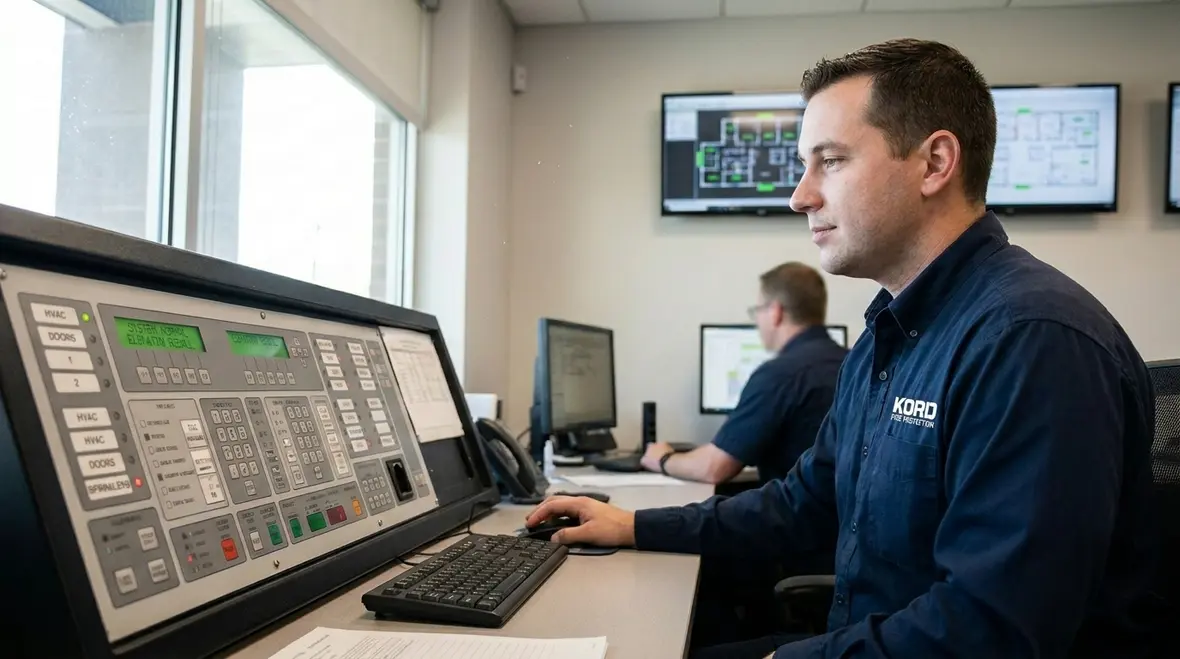
Moreover, integration can improve situational awareness for security and facility staff. Instead of waiting for a technician to interpret logs, they can see a structured timeline of events. As a result, response teams can coordinate evacuation support, crowd control, and building access decisions more effectively.
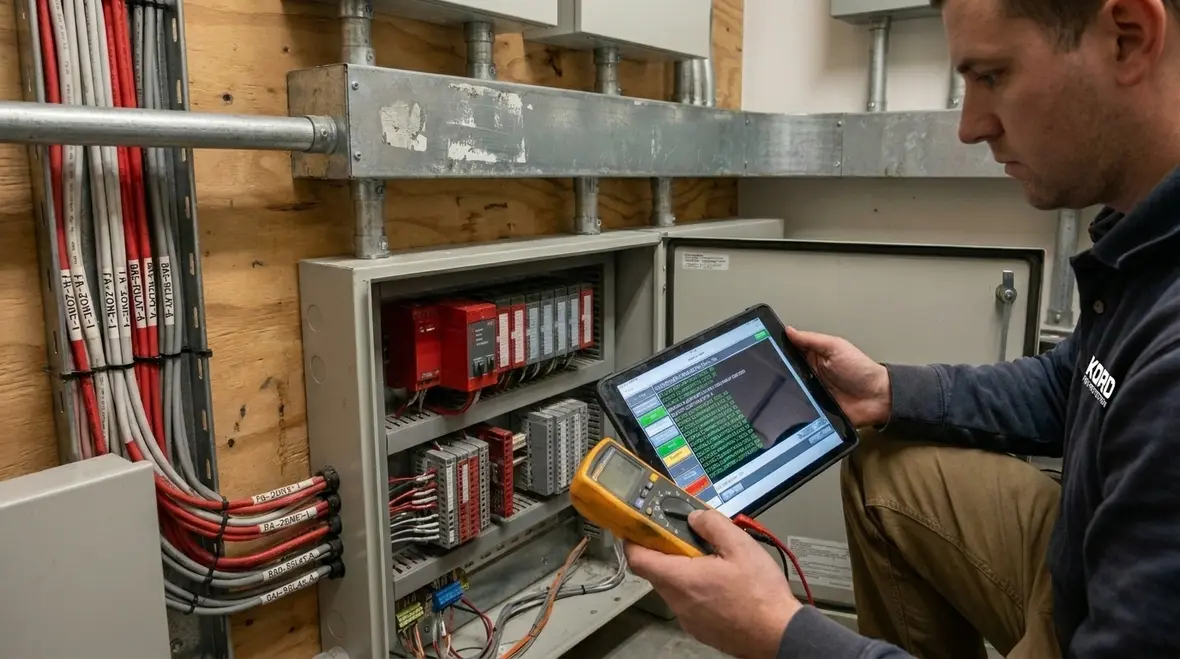
The difference between alerts and actions
This is the part many teams feel immediately. A system that only announces a problem still leaves people scrambling. A system that also triggers the right building responses buys time, reduces confusion, and gives emergency procedures a running start. That is a major reason integrated systems matter so much in larger facilities where seconds and clarity both count.
Design and commissioning steps Kord Fire Protection Technicians recommend
Most failures do not come from wild imagination. They come from small gaps in planning, wiring, and testing. Therefore, a careful design process protects reliability.
Kord Fire Protection Technicians typically focus on these steps:
- Clarify the safety boundary so life safety logic stays in the fire alarm system.
- Document event mapping that lists which alarm states trigger which automation actions.
- Use fail safe behavior so loss of communication does not create unsafe operation.
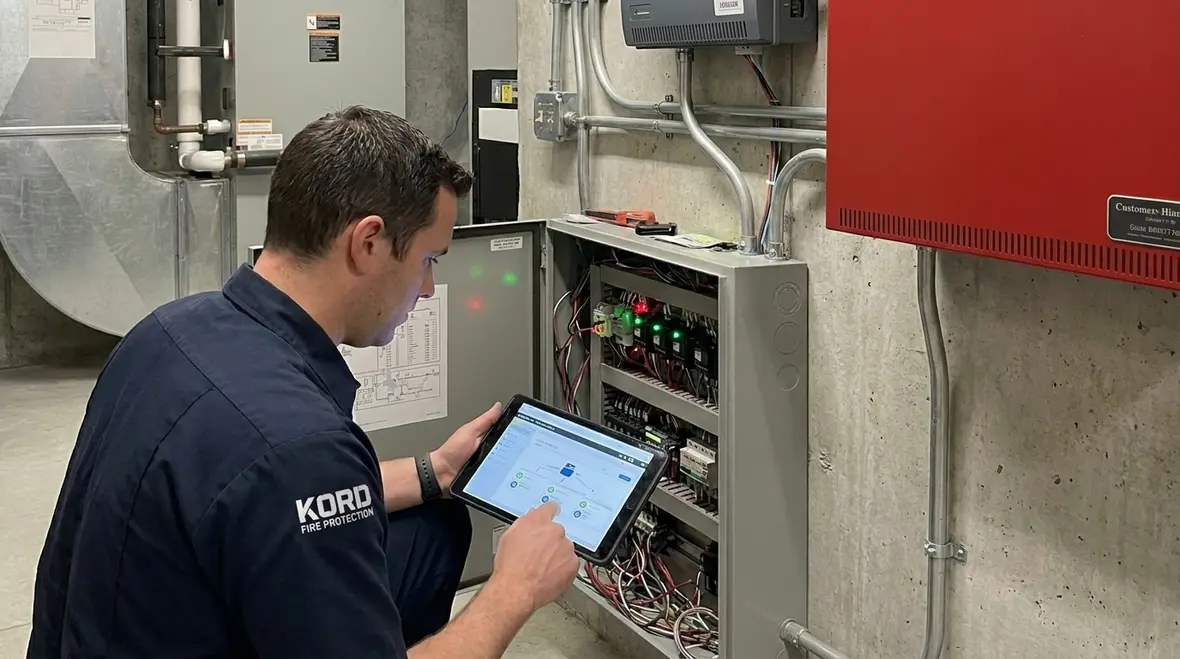
- Plan for supervision and monitoring to detect faults in I O circuits and automation pathways.
- Test under realistic conditions so actions match the building plan, not just the diagram.
- Train operations teams so they know what the integrated system will do before a real incident.
Then comes commissioning. This is where teams validate timing, confirm that outputs behave correctly, and ensure no unsafe crossovers exist. Transitioning from “it works on the bench” to “it works in the building” takes deliberate steps. It also prevents the classic scenario where someone flips a switch during testing and suddenly the stairwell doors act like they are trying to escape the building.
Commissioning is where confidence gets earned
Good drawings matter, but field verification matters more. Teams should confirm not only that an output energizes, but that the exact device, sequence, and time delay match the intended emergency plan. Commissioning is also the best time to catch odd dependencies, mislabeled points, and hidden assumptions before they become very public problems.
Data, monitoring, and maintenance without creating new risks
Integration also affects how teams monitor systems day to day. When it is done well, it reduces nuisance confusion while improving reporting clarity.
For instance, the system can surface:
- Alarm history with location and action outcomes.
- Trouble events that facility staff can address before they become emergencies.
- Device health like tamper reports, signal issues, and maintenance reminders.
- Automation status such as whether HVAC control commands executed as expected.
However, the integration should not become a fragile house of cards. Kord Fire Protection Technicians emphasize that monitoring features must not interfere with life safety operation. In other words, automation should support the alarm system, not overwrite it.
Maintenance is equally important. As equipment ages, wiring gets less stable and communication pathways can degrade. So, teams should schedule periodic verification, review logs, and update point mappings after system changes. Also, if someone renovates a floor or changes a door schedule, the integration map must be reviewed. Otherwise, the building may respond confidently to outdated assumptions. And confidence is great, but not when it is wrong.
Facilities that rely on connected suppression infrastructure should also look at adjacent equipment that supports overall emergency readiness. For example, teams reviewing coordination strategies may also want to evaluate fire pump services as part of a broader life safety plan, especially when water based protection and alarm signaling must perform without hesitation.
FAQ: commercial fire alarm integration in building automation
Conclusion and call to action
Building safety improves when fire detection and building automation act like a single team. Kord Fire Protection Technicians can help property managers plan, design, and commission a reliable approach that keeps life safety logic protected while still enabling coordinated HVAC control, door actions, elevator recall, and clear monitoring. If a system only alerts, it misses opportunities. If it responds, it helps.
For teams ready to move from scattered systems to coordinated protection, Kord Fire Protection offers specialized support through its fire alarm services page. Reach out to schedule an integration review today and turn your alarms from background noise into decisive safety leadership.

Join Our Newsletter!
Get the latest fire safety tips delivered straight to your inbox From our Newsletter.