Commercial Alarm System Retrofitting With Electrical Upgrades
Quick Answer: Modernizing electrical infrastructure improves fire alarm system reliability by stabilizing power, reducing nuisance events, and protecting circuits from faults and surge damage. Facilities that upgrade panels, wiring, and grounding also speed inspections and lower downtime. Partnering with kord fire protection helps ensure compliant designs, commissioning, and ongoing service.
In commercial and industrial environments, fire safety cannot run on “good enough.” That is why Commercial Alarm System Retrofitting often becomes the bridge between aging electrical setups and dependable detection. Within the first stretch of any upgrade plan, the focus stays practical: stabilize power, clean up wiring practices, and verify performance under real-world conditions. And yes, doing that work properly beats troubleshooting random false alarms at 2 a.m. like it is some kind of horror movie nobody asked for.
Near the top of the planning conversation, it also makes sense to connect retrofit work with broader fire alarm services so upgrades are not treated like a one-off patch job. A strong retrofit is not just about replacing old parts. It is about making the whole detection backbone steadier, easier to inspect, and far less likely to throw tantrums when the building electrical environment gets messy.
Modern electrical upgrades that keep detection dependable
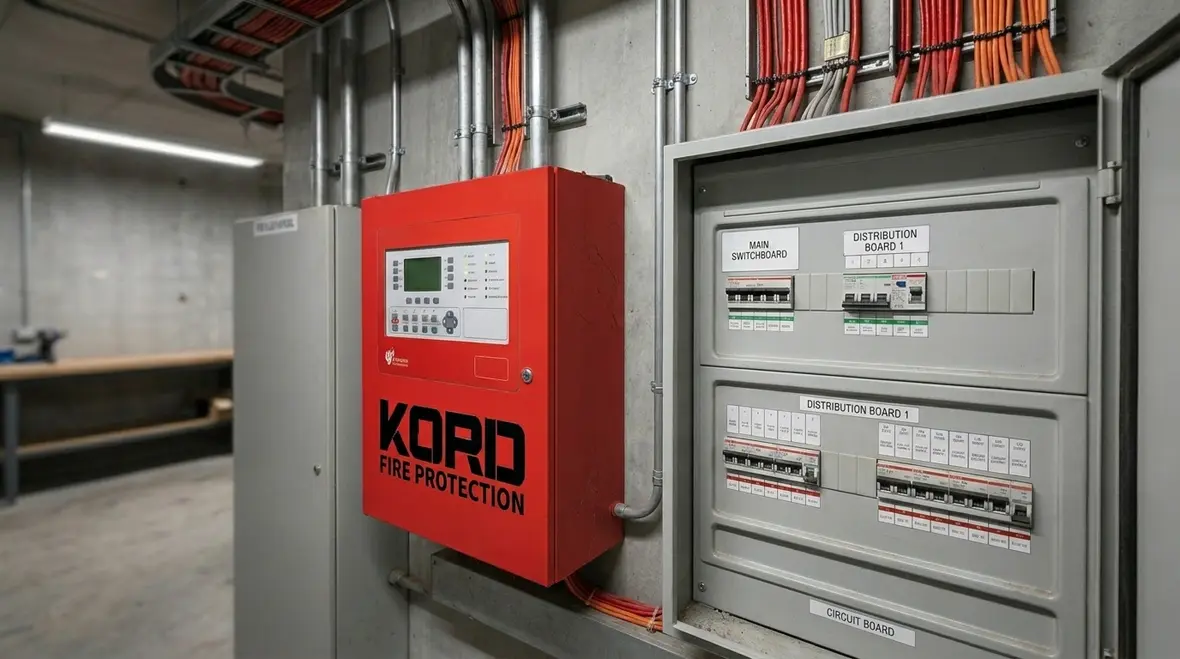
Electrical infrastructure quietly decides how well a fire alarm system behaves. When power delivery stays unstable, the system can misread signals, reset unexpectedly, or show trouble conditions that lead to staff panic and wasted response time. However, when facilities modernize the electrical side, alarms gain a steady foundation.
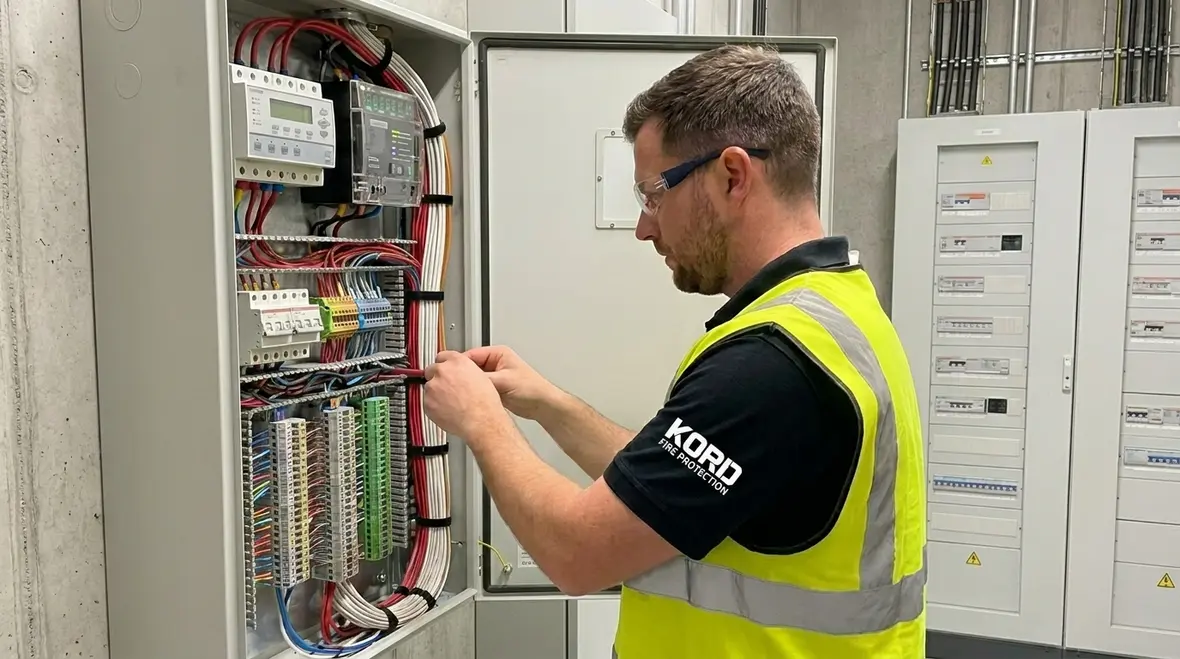
Modern reliability starts with a few core improvements. First, facilities upgrade main power feeds and distribution so the fire alarm panel receives clean, stable voltage. Next, they improve branch circuit routing, separating alarm wiring from noisy power conductors where interference can build up. Then they check grounding and bonding, because a sloppy reference point can turn “reliable” into “mysterious.”
As a result, Commercial Alarm System Retrofitting becomes more than a swap of devices. It becomes an improvement to how the alarm system lives inside the building’s electrical ecosystem. That matters because even a smart panel can only work with the quality of the electrical environment around it. If the supporting infrastructure is chaotic, the alarm system ends up working harder just to stay normal.
Why stable power matters more than people think
Stable power does not get much applause, which is unfair because it does a lot of heavy lifting. A panel that receives consistent voltage can supervise circuits properly, maintain battery charging health, and respond predictably during alarms, troubles, and resets. In contrast, unstable supply conditions can create strange behavior that wastes technician time and makes building staff lose confidence in the system. Nobody wants a life safety system with a flair for drama.
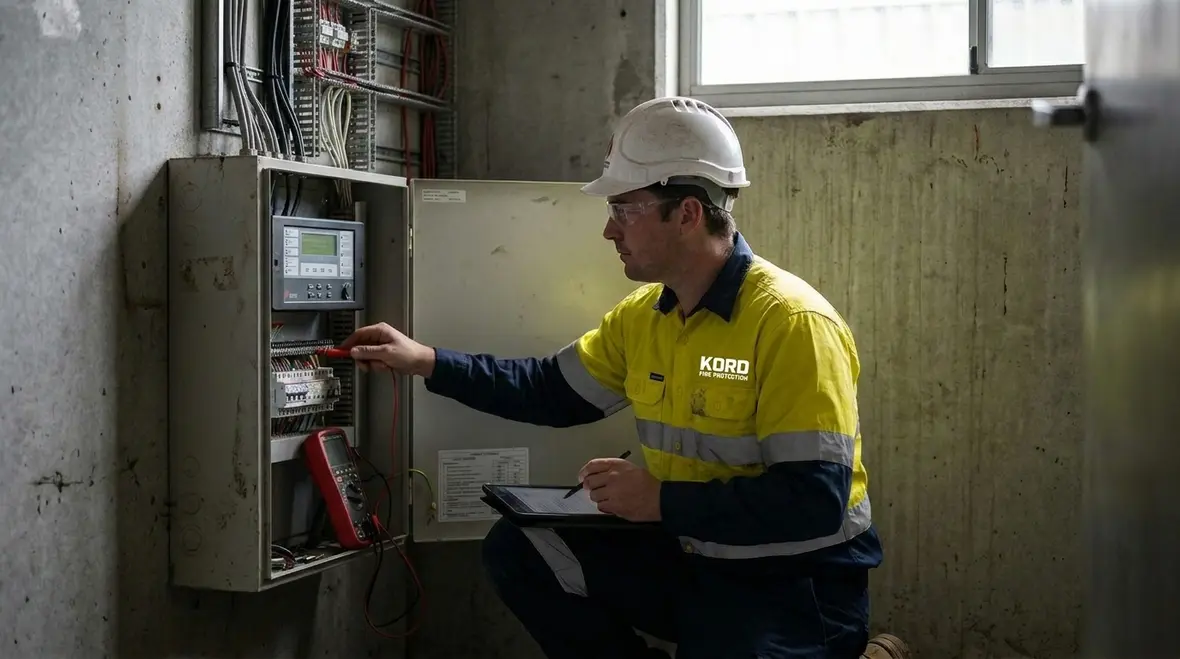
What electrical elements influence alarm performance the most?
Fire alarm panels rely on more than their own intelligence. They depend on the entire path from incoming power to final device supervision. Therefore, the most important electrical elements include:
- Panel power supplies and battery systems, including load calculations and capacity for evacuation timelines
- Wiring quality, including correct conductor type, insulation condition, and termination practices
- Supervised circuits, such as detection loops and sounder circuits, designed to detect faults early
- Earthing and bonding, reducing noise and preventing voltage reference problems
- Surge protection, protecting against transient events that can damage power supplies and signal paths
- Distribution reliability, such as secure labeling, protected routes, and resistance to physical damage
Additionally, facilities should treat aging infrastructure as a risk multiplier, not a background detail. If the alarm system receives unstable power or suffers intermittent wiring faults, reliability drops even if brand new detectors get installed. That is why a retrofit should never stop at the shiny visible hardware. The hidden support systems often decide whether the shiny hardware acts brilliant or baffling.
The small details that cause oversized headaches
Loose terminations, unlabeled conductors, aging insulation, and poor separation from noisy electrical lines all seem minor until they are not. These little issues are experts at creating intermittent faults that vanish during one inspection and reappear during the next storm, temperature swing, or busy operating period. Retrofitting is the chance to remove those hidden gremlins before they keep billing everyone in downtime and callback visits.
How kord fire protection strengthens modernization outcomes
Modernization efforts succeed when electrical improvements and fire system engineering align. That is where kord fire protection can act as a vital partner. They help teams treat fire alarm reliability as a full lifecycle problem: design intent, commissioning discipline, and service that keeps the system healthy after handover.
While electrical contractors can deliver upgrades, kord fire protection adds the fire safety lens. They coordinate requirements, validate device compatibility, and help ensure that the finished system performs as intended across multiple building conditions. In other words, they help prevent the classic scenario where everything looks fine on paper, and then a real-world fault shows up like an uninvited guest.
Moreover, a partner approach reduces guesswork. Instead of trying to reverse-engineer old circuitry during testing, the team can plan upgrades in a way that supports clear commissioning steps, better documentation, and smoother compliance checks. For readers who want more background on the company behind that support, learn more about Kord Fire Protection and the full-service approach they bring to inspections, upgrades, and ongoing system care.
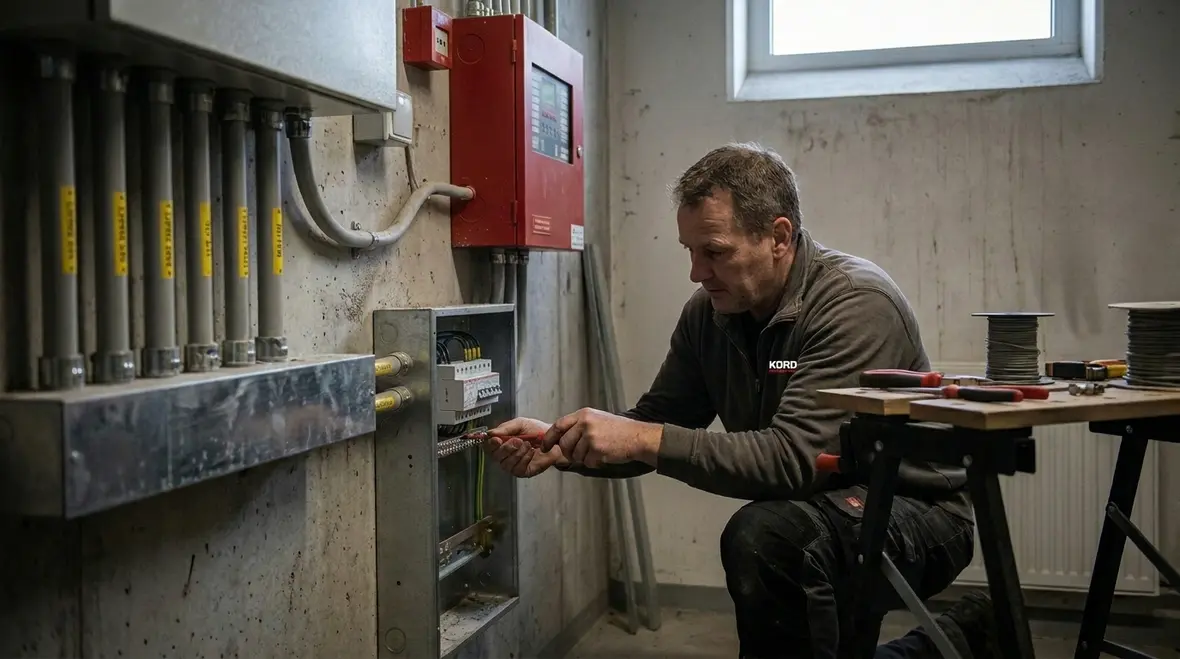
Step by step: a smarter retrofitting sequence
Facilities get better results when they follow a deliberate sequence. Skipping steps often causes delays, repeat visits, or unnecessary disruption to production floors and trading spaces. A strong modernization plan typically follows this flow.
- Audit the existing electrical and alarm layout, including panel history, circuit documentation, and evidence of prior trouble events
- Verify power quality and protection strategy, including battery sizing, standby supply behavior, and surge protection coverage
- Map device and circuit supervision needs, ensuring detection and sounder circuits match the panel’s supervision design
- Upgrade wiring practices and terminations, correcting routing, labeling, and termination quality before devices get energized
- Commission in controlled stages, so the team tests circuits systematically and records results clearly
- Confirm ongoing reliability inputs, including documentation, inspection readiness, and service access for future work
Then comes the part everyone wants to rush: handover. However, when the sequence stays disciplined, teams reduce nuisance issues and increase uptime. And the best news is that disciplined work rarely feels dramatic. It feels calm. Like a professional should.
Retrofitting without turning the building upside down
A staged approach also helps facilities stay operational. Instead of creating one giant shutdown full of stress, dust, and questions nobody can answer, teams can break work into manageable phases. That means clearer testing windows, better communication with occupants, and fewer surprises when it is time to energize circuits and verify responses. Organized retrofit work may not look flashy, but it is deeply attractive to anyone who enjoys schedules surviving contact with reality.
Design choices that reduce nuisance alarms and downtime
Nuisance alarms cost more than time. They create operational stress, reduce staff trust in the system, and stretch response resources. Electrical modernization helps reduce these events by lowering interference, improving supervision accuracy, and strengthening fault detection.
One design choice involves separation. Facilities can improve wiring separation between power distribution and alarm signaling to limit electromagnetic interference. Another choice involves circuit supervision strategy. When circuits get designed with the right supervision method, the panel can distinguish between true faults and minor issues that do not require evacuation.
Additionally, facilities should focus on termination discipline. Loose terminations can create voltage drops and intermittent faults that only appear when humidity, vibration, or temperature shifts. Finally, surge protection and earthing improvements reduce damage from electrical transients, which helps maintain device health over time.
In practice, Commercial Alarm System Retrofitting works best when electrical upgrades target the causes of unreliability, not just the symptoms. If the same nuisance signal keeps happening, the right answer is usually not to glare at the panel and hope it learns manners. The right answer is to fix the conditions feeding the bad behavior.
Commissioning, testing, and documentation that stand up to scrutiny
After upgrades, testing and documentation determine whether reliability stays real. Facilities should not treat commissioning like a box-ticking exercise. Instead, they should verify every circuit, confirm supervision responses, and record results in a format that supports future maintenance.
Good commissioning usually includes staged walk tests, device verification across zones, and validation of trouble conditions for defined fault types. It also includes checking that the alarm panel and its power supply behave predictably during simulated events. Then the team updates documentation so future technicians do not inherit a scavenger hunt.
Because commercial workplaces often face audits, inspections, and insurer review, clear records matter. kord fire protection can support this by helping ensure that the final system reflects correct design intent and that ongoing service actions stay consistent with what the building truly needs. If you want related reading, Kord Fire also covers topics like fire alarm inspection and testing for commercial buildings, which fits naturally with retrofit projects that need dependable follow-through after installation.
FAQ
Final call: upgrade now, then sleep better
Modernizing electrical infrastructure makes fire alarm systems steadier, clearer, and easier to trust. When teams plan Commercial Alarm System Retrofitting with proper power, wiring, commissioning, and service thinking, reliability improves across the full building lifecycle. That means fewer nuisance events, less downtime, smoother inspections, and much less time spent chasing faults that behave like they have a personal grudge.
kord fire protection can help coordinate the fire safety side so the electrical work delivers the outcomes you actually need. Contact kord fire protection to assess your facility and build a clear modernization path that supports compliance, dependable detection, and a lot more peace of mind once the lights are off and the building is supposed to be quiet.

Join Our Newsletter!
Get the latest fire safety tips delivered straight to your inbox From our Newsletter.