
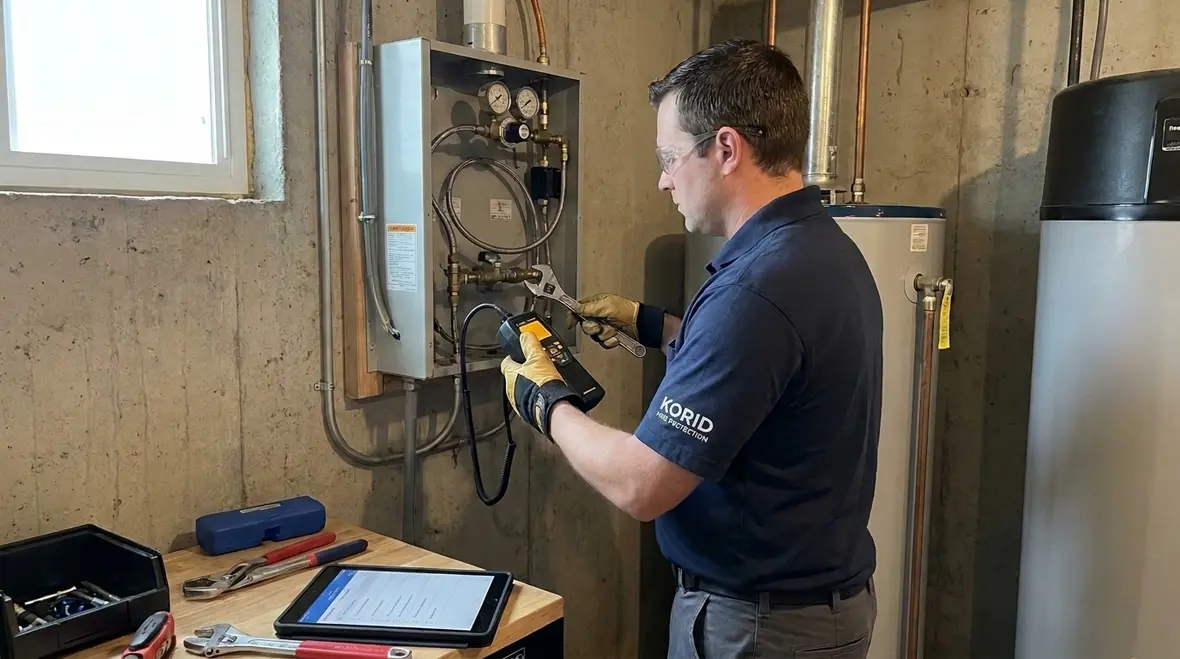
NFPA 52 Section 13.11: Maintenance and Inspection of Residential CNG Appliances
Quick Answer
NFPA 52 Section 13.11 sets expectations for maintaining and inspecting residential CNG appliances to keep them safe and reliable over time. It focuses on inspection intervals, verification of correct operation, and addressing deterioration, damage, leaks, and improper installation or service practices.
If you’re also tightening your broader CNG compliance workflow, it helps to connect appliance maintenance with a documented operations and maintenance program for CNG facilities so inspections, corrective actions, and records all stay aligned.
What NFPA 52 residential CNG maintenance inspection requirements actually require
NFPA 52 residential CNG maintenance inspection requirements in Section 13.11 aim to ensure that residential natural gas vehicle (CNG) systems and their appliances continue to operate within safe design limits. Practically, this means routine maintenance actions, documented inspections, and timely corrective work when components show wear, contamination, corrosion, or leakage risk. For commercial, industrial, and retail facility operators that manage contractors, oversee service bays, or maintain fueling related hardware in residential or multi use settings, the key compliance challenge involves aligning field work with the specific appliance level expectations described in the standard.
Where Section 13.11 fits in the overall NFPA 52 framework
NFPA 52 addresses the design, installation, operation, and maintenance of CNG fuel systems. Section 13.11 focuses on maintenance and inspection for residential CNG appliances. It does not replace manufacturer instructions. Instead, it establishes baseline minimum requirements that work in parallel with appliance and component maker service guidance.
In day to day compliance programs, Section 13.11 typically becomes the reference point for:
- Scheduling appliance inspections and determining what “checkable” condition means
- Ensuring maintenance personnel verify critical safety functions rather than performing only cosmetic servicing
- Driving corrective actions when deficiencies are found, including leaks, abnormal operation, or mechanical damage
- Documenting outcomes so the facility can demonstrate due diligence during audits, insurance reviews, or incident investigations
Operational priorities during maintenance and inspection
Effective compliance depends on understanding how common failure modes develop in CNG appliance systems over time. Section 13.11 oriented maintenance focuses on preventing those failures from turning into ignition or release events.
1) Leak risk and gas tightness verification
Leak pathways frequently develop at connections, seals, valves, regulators, or any component that sees vibration, thermal cycling, or repeated actuation. Maintenance work should prioritize leak detection approaches appropriate to the appliance design. Where gas tightness depends on seals and O rings, technicians must confirm the correct component condition and integrity rather than assuming “it seems fine.”
Common operational triggers include:
- Moisture intrusion causing corrosion or seal degradation
- Improper torque or thread preparation during prior service
- Mechanical damage from handling or impact in utility spaces
- Contamination that affects valve seating surfaces
2) Regulator and valve function checks
Regulators and valves coordinate pressure control and safe flow management. Over time, springs, diaphragms, and seats may stiffen, wear, or become contaminated. Inspection should evaluate whether the appliance controls behave consistently with safe operation expectations.
Field teams often miss issues that are detectable only through functional verification. For example, an appliance may still start, but exhibit abnormal control behavior, inconsistent pressure response, or delayed shutoff. Section 13.11 oriented maintenance treats these deviations as compliance relevant findings.
3) Hose, tubing, fittings, and mechanical protection
Residential appliance components can be exposed to vibration, abrasion, and environmental changes. Inspection should confirm the physical condition of hoses, tubing, and fittings and verify adequate protection against damage. Mechanical compromise can become a high consequence failure because pressurized gas can escape rapidly if a barrier fails.
Maintenance teams should watch for:
- Cracks, kinks, blistering, or hardening on flexible components
- Loose or improperly aligned fittings
- Evidence of rubbing against structural members or heat sources
- Corrosion on exterior components where moisture cycles occur
How facilities manage inspection intervals and documentation
NFPA 52 maintenance and inspection programs succeed when they convert requirements into repeatable facility processes. That includes establishing inspection intervals that follow the standard’s intent, tracking appliance serialities or unique identifiers, and maintaining evidence of what was inspected and what actions were taken.
Commercial facilities supporting residential or mixed use CNG operations often struggle with one of these gaps:
- Contractor scope mismatch: the contracted task focuses on general servicing but does not cover appliance specific checks.
- Documentation inconsistency: records list tasks completed but not the observed condition, readings, or pass fail outcomes.
- Parts management issues: incorrect replacement components or incorrect installation procedures lead to repeat failures.
To close these gaps, many organizations use structured work orders tied to compliance checklists. Kord Fire Protection supports commercial CNG compliance by helping facilities verify that maintenance activities align with NFPA expectations, including review of documentation and field readiness for safe appliance operation.
Common compliance failure points under Section 13.11
Even when technicians have the right tools, compliance can fail due to process, training, or oversight. The most frequent issues include:
- Skipping functional verification: focusing on visual inspection only, without confirming correct appliance operation.
- Delaying corrective action: treating minor deficiencies as acceptable until a later service window.
- Using non matching components: substituting parts that do not meet appliance design requirements.
- Incomplete leak assessment: limiting testing to obvious connection points instead of verifying all relevant leak sensitive interfaces.
- Recordkeeping that cannot stand up to scrutiny: missing dates, results, serial numbers, or references to applicable procedures.
For facilities handling ongoing service operations, Kord Fire Protection helps reduce these risk patterns through compliance focused review and ongoing support for inspection readiness.
For additional context on how appliance operation and system testing connect to broader CNG compliance strategy, see NFPA 52 Section 13.10 operation of residential CNG fueling appliances and NFPA 52 Section 13.9 testing residential CNG fueling systems.
Best practices for contractors and service teams
To meet NFPA 52 residential CNG maintenance inspection requirements with confidence, service organizations should implement practical controls that mirror the standard’s safety goals.
Use an appliance specific inspection checklist
Templates should map inspection steps to observable conditions and functional outcomes. When the checklist ties each step to what the technician should find or verify, it reduces missed items and improves documentation quality.
Standardize torque, replacement parts, and installation steps
Leak and wear issues often trace back to how components were installed during maintenance. Require documented installation methods for seals, fittings, and regulated assemblies. Ensure the parts used meet the appliance requirements.
Document both condition and corrective action
Good records support compliance and enable root cause analysis. Include:
- Appliance identifier and location
- Inspection date and technician or company identifier
- Observed conditions, test results, and pass fail determinations
- Corrective actions taken and parts replaced, if applicable
Train teams on CNG specific hazards and troubleshooting
Technicians should understand how system behavior changes when valves, regulators, or seals degrade. Training that focuses on CNG failure modes improves inspection accuracy and supports faster, safer corrective actions.
Frequently Asked Questions
Conclusion and call to action
NFPA 52 Section 13.11 drives practical maintenance discipline for residential CNG appliances through inspection, functional verification, and timely corrective action. If your organization manages inspections, contractor performance, or mixed use compliance, Kord Fire Protection can help you strengthen documentation, validate maintenance alignment, and reduce recurring failure risks. Contact Kord Fire Protection today to review your current maintenance program and inspection records for NFPA 52 alignment.

Join Our Newsletter!
Get the latest fire safety tips delivered straight to your inbox From our Newsletter.


