
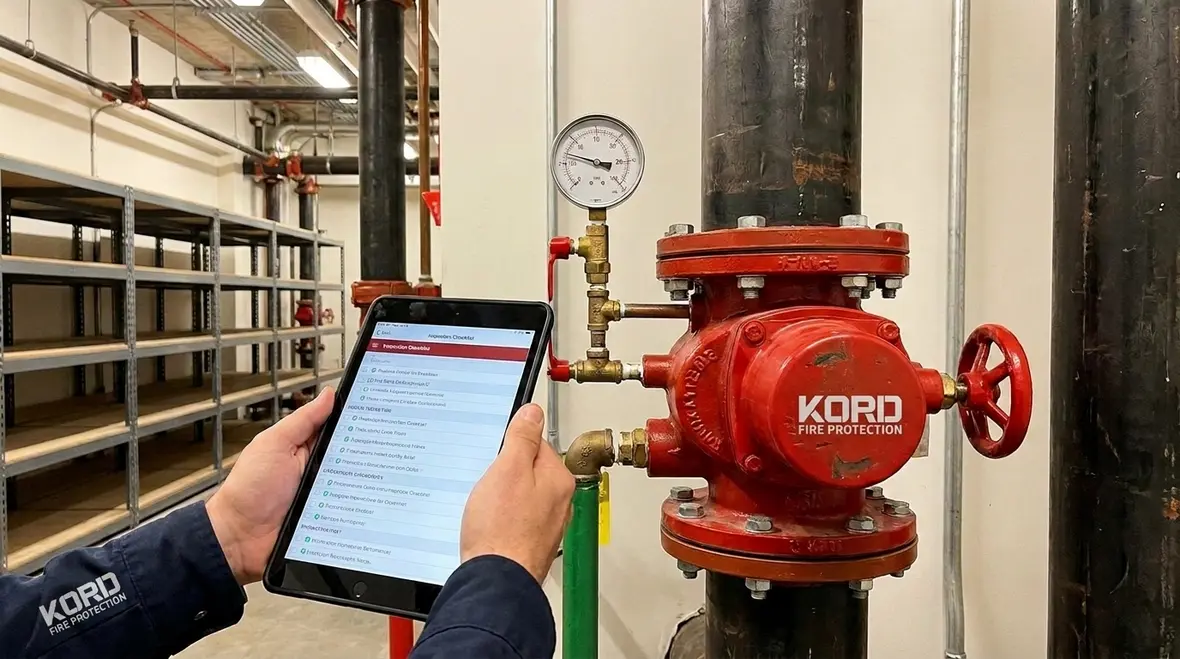
NFPA 25C Chapter 5: Comprehensive Sprinkler System Inspection and Maintenance Guide
Quick Answer: NFPA 25C Chapter 5 sets the inspection and maintenance framework for sprinkler systems, focusing on keeping valves, water supplies, and sprinkler components reliable. Facilities must follow defined inspection frequencies, document findings, and correct impairments to maintain code-compliant fire performance.
Why Chapter 5 matters for commercial sprinkler reliability
Commercial, industrial, and retail occupancies depend on sprinkler systems that work the first time they are needed. NFPA 25C Chapter 5 sprinkler system inspection maintenance requirements establish the operational checks that prevent hidden degradation in water delivery, supervisory signaling, and device condition. These requirements also align with the realities of facility operations, where access, downtime constraints, and documentation discipline often drive compliance outcomes.
In practice, Chapter 5 is where most “performance drift” gets caught early. It also helps ensure the facility can demonstrate due diligence to authorities having jurisdiction, insurers, and internal safety leadership.
What Chapter 5 typically covers during inspections
NFPA 25C Chapter 5 sprinkler system inspection maintenance requirements focus on maintaining readiness across the system. Instead of treating sprinklers as a standalone component, Chapter 5 addresses how the system behaves in real conditions, including water supply performance and the integrity of system components that trigger alarm or water flow.
Common inspection targets in sprinkler system readiness
- Valves and supervised devices: Checks for correct position, tamper evidence, drainage condition, and proper supervisory signaling.
- Water supply and control features: Verification that the water source, pumps, tanks, and control arrangements remain capable and operable.
- Alarm and monitoring components: Confirmation that water flow alarm connections and supervisory conditions remain functional and free of impairments.
- System components exposed to damage: Assessments for mechanical harm, corrosion, leaks, and missing or obstructed elements that interfere with performance.
Inspection and maintenance workflow that passes the “operational test”
Facilities often treat inspections as a checklist task. Chapter 5 compliance works best when inspections follow a structured workflow that ties observed conditions to corrective action and verification. The goal is to keep the system in a known ready state, not just to record that a look was performed.
If your team needs hands-on support near the start of the process, fire sprinkler system service from Kord Fire Protection fits naturally into Chapter 5 readiness by connecting inspections, repairs, and maintenance before small issues become loud, expensive problems.
Step 1: Plan for access and safety coordination
Sprinkler systems frequently share corridors with mechanical rooms, storage areas, and back of house spaces. A practical plan covers ladder access, lockout coordination near valves, and protection of device heads during construction and storage changes. This matters because many deficiencies do not originate in the system hardware. They originate from facility activity that blocks, damages, or alters component condition.
Step 2: Inspect for evidence of impairment first
Chapter 5 emphasizes conditions that degrade performance even if the system has not actuated. Typical evidence includes persistent leakage at fittings, valve position discrepancies, supervisory signal anomalies, corrosion at exposed pipes, and improper drainage or test line configurations.
Step 3: Verify correct device function with appropriate testing
Where Chapter 5 requires functional verification, inspections should confirm the system behavior matches the intended design. This includes checking that alarms and supervisory signals behave correctly when conditions are exercised safely and within allowable test methods.
Step 4: Document, trend, and close out corrections
Compliance documentation must connect observations to corrective actions and confirm the system returns to an acceptable condition. Trend analysis often identifies recurring problems like recurring valve issues, repeated tamper incidents, or recurring maintenance gaps after contractors complete nearby work.
Valves, water supply, and supervisory systems: the highest risk areas
Commercial facilities typically experience the largest operational risk in the transition points between “water availability” and “system readiness.” Even when sprinklers are intact, performance can fail due to valve obstructions, supervisory device issues, or water supply controls that drift out of specification.
Valve control and supervision challenges
Valves must remain in correct positions and must not be inadvertently shut or restricted. Supervisory components also require ongoing verification because facility modifications, maintenance activities, and tampering can introduce faults. A common compliance failure is discovering problems during a major test rather than resolving them early because routine checks were incomplete or not coordinated with facility operations.
Water supply reliability and control mechanisms
Water supply arrangements can be complex in commercial buildings, including multiple sources, tank systems, pumps, and control interfaces. Chapter 5 maintenance discipline ensures those controls respond as designed and remain protected from impairment.
Related installation knowledge that supports Chapter 5 compliance
Effective inspection and maintenance depends on understanding how the system was installed and how it is meant to operate. For installation context that supports ongoing inspection planning, use these resources:
- NFPA 13 overview: automatic fire sprinkler system installation to connect inspection points to design and installation expectations.
- NFPA 25 overview: complete water based fire protection systems maintenance breakdown for system-wide maintenance context that complements Chapter 5.
- Fire sprinkler code in California explained when local amendment practices affect inspection documentation and enforcement expectations.
Operational failure modes that inspectors commonly find
Chapter 5 is designed to reduce the chance of a system failure during demand. The most effective compliance programs identify failure modes early and implement corrective actions with verification.
Mechanical damage and obstructions
Sprinkler devices can be impacted by storage changes, ceiling renovations, rack relocations, and contractor activity. Obstructions can interfere with discharge patterns. Mechanical damage can affect deflectors, linkages, and thermal elements. These issues are often visible once access is planned correctly, but they are missed when inspection coverage is inconsistent.
Corrosion, leaks, and drainage issues
Moisture intrusion, condensation environments, and inadequate drainage can create conditions that promote corrosion. Leaks at fittings can also cause unintended water presence in areas that should remain dry, potentially damaging property and affecting supervisory conditions.
Supervisory signal discrepancies
Faulty supervisory signaling can mask real loss of readiness. For example, a valve could be improperly positioned, but the supervisory system might not report it if a device is impaired. This is why documentation review and functional checks matter in addition to visual inspections.
Construction related alterations after occupancy
Even when the original system met criteria, later renovations and tenant improvements can introduce system changes that are not fully integrated into inspection plans. A robust program treats renovation coordination as part of fire protection compliance, not as a separate task.
Compliance documentation, testing frequency, and verification
Facilities need more than “a report.” They need a defensible compliance record that demonstrates inspections occurred, results were evaluated, impairments were corrected, and the system remains capable.
How to structure documentation for audits
- Identify each component category: valves, alarm connections, water supply controls, and inspected device areas.
- Record observed conditions: include evidence such as tamper tags, valve position indicators, leakage observations, and accessibility limitations.
- Link impairments to actions taken: repair notes, parts replaced, contractor work coordination, and any system downtime details.
- Confirm return to readiness: verification testing results after corrective actions.
Training and readiness for commercial teams
Commercial facilities often rely on a combination of in house operations staff and third-party service partners. The highest compliance maturity comes from aligning operational staff awareness with inspection needs, including reporting changes in storage layout, ceiling work schedules, and any valve or control access changes.
For broader reference on water based fire protection maintenance and industry best practices, the following resource may help build internal training and maintenance planning:
How Kord Fire Protection supports Chapter 5 readiness
Kord Fire Protection positions its commercial service model around the practical realities of maintaining NFPA 25C Chapter 5 sprinkler system inspection maintenance requirements. That includes coordinating access constraints, minimizing disruption to occupied spaces, and ensuring that documentation and corrective actions connect to functional readiness.
When systems degrade slowly due to normal facility activity, the service value shifts from “periodic checks” to “continuity of performance.” Kord Fire Protection supports ongoing compliance by connecting inspection findings to root cause and by verifying repairs so systems return to an operable and supervised state.
Frequently Asked Questions
Next step: schedule a compliance focused Chapter 5 review
To maintain defensible compliance, facilities should schedule an inspection and maintenance program that targets high risk readiness areas, documents findings clearly, and verifies corrections. Kord Fire Protection can support commercial, industrial, and retail buildings with a practical compliance approach designed to keep systems supervised, capable, and audit ready. Contact Kord Fire Protection today to align your Chapter 5 schedule, access plan, and documentation workflow for the next inspection cycle.

Join Our Newsletter!
Get the latest fire safety tips delivered straight to your inbox From our Newsletter.


