
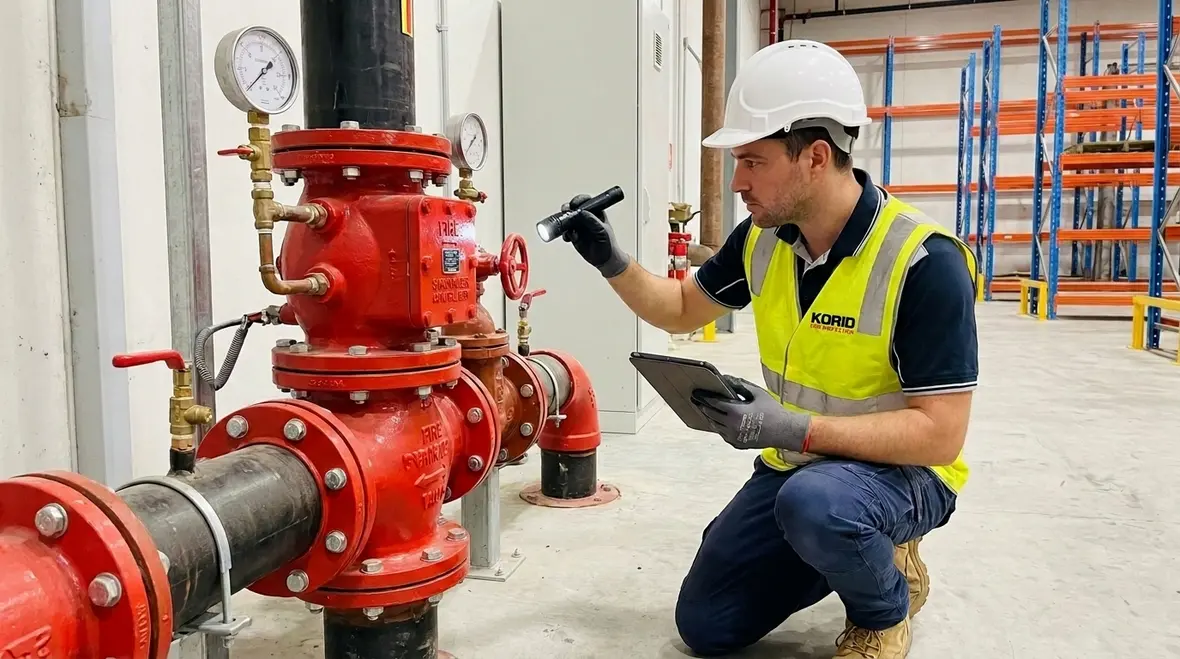
NFPA 25 13.1 to 13.4 Control Valve Inspections
Quick Answer: NFPA 25 sections 13.1 to 13.4 lay out how crews inspect and maintain common components, control valves, and system valves in water based fire protection systems. When done correctly, inspections reduce failures at the worst possible moment. Kord Fire Protection can help facilities in Australia run these checks with confidence, records, and speed.
In the first place, NFPA 25 control valve inspection requirements matter because they protect the entire water based system from “it should work” syndrome. Within NFPA 25, sections 13.1 through 13.4 focus on the common components you touch every day, along with the control and system valves that decide whether water reaches the fire. In Australia, where industrial sites, retail centers, warehouses, and mixed use facilities face tough conditions, these inspections help keep valves reliable, properly supervised, and free from hidden issues. And yes, valves can hide problems as well as a pop star hides a tour schedule. The difference is that fire protection does not get a makeup date.
If your team wants broader support beyond one inspection cycle, Kord’s full fire protection services can fit naturally into a site wide compliance program, especially when valve inspections need to connect with repairs, scheduling, and reporting across multiple assets.
NFPA 25 13.1 to 13.4: The parts that keep systems honest
NFPA 25 13.1 to 13.4 breaks the work into practical areas that technicians can verify. First, it addresses common components used across water based systems. These include fittings, connections, and other elements that can drift out of spec due to vibration, corrosion, or simple wear. Then, it moves to control valves and system valves that directly affect water flow and system readiness. As a result, the inspection plan becomes more than a checklist. It becomes a system health check.
Because the goal stays the same, the inspection approach also stays disciplined. Kord Fire Protection typically treats these tasks as verification, not guesswork. While one site may have frequent maintenance crews, another may rely on periodic service. Either way, the valves and components need consistent attention so the system responds the way it was designed to respond. For a broader baseline, Kord’s NFPA 25 overview and complete water-based fire protection systems maintenance breakdown gives useful context on how valves fit into the wider maintenance picture.
Why these sections matter in day to day facility work
What makes these sections useful is that they pull the conversation back to field reality. A valve is not just a line item in a manual, and a fitting is not just a lump of metal that exists to make pipe runs look official. These pieces decide whether the system remains ready, accessible, and dependable under pressure. When facilities skip this mindset, they usually find out at the worst possible time, which is a terrible way to conduct quality assurance.
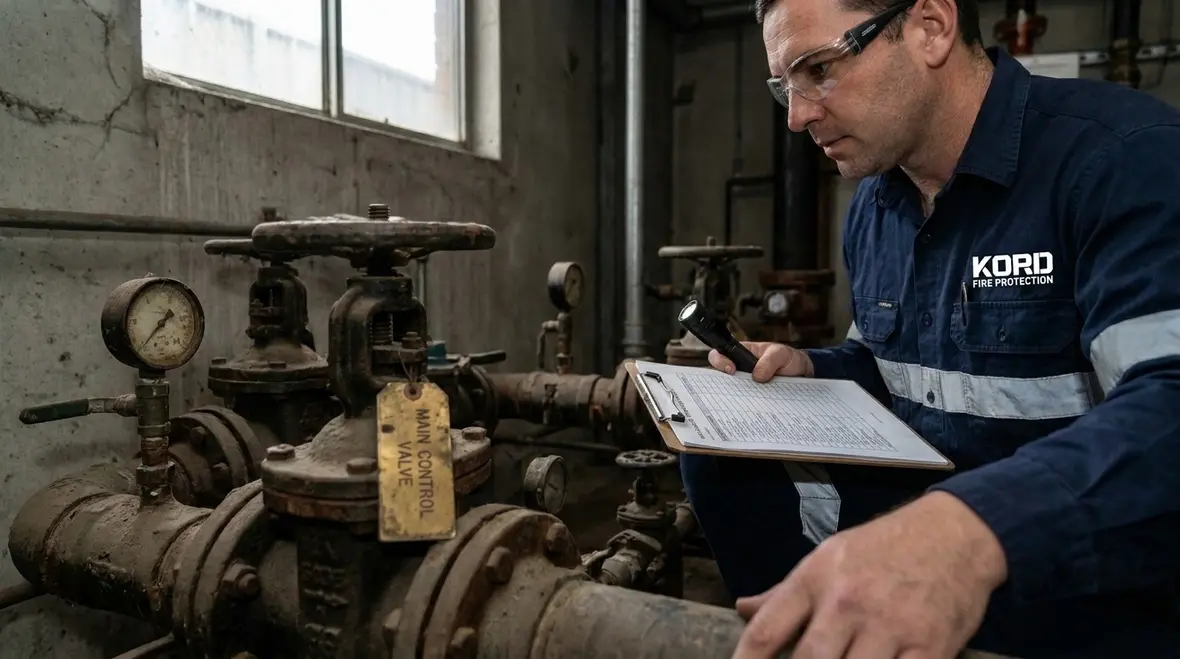
What the “common components” inspection really checks in water systems
When teams inspect common components under NFPA 25, they look for signs that can quietly defeat the system later. For example, they check for damage to components, improper installation, leaks at joints, and conditions that could affect operation. Additionally, they verify that components remain accessible and properly supported. If a line or fitting gets blocked by storage or equipment, technicians may struggle to inspect and service it, and that can create compliance risk over time.
Moreover, common components often act like the early warning system. Corrosion at a fitting, a loose connection, or a worn support can show up before a valve ever acts up. Therefore, a good program catches problems early and prevents the kind of failure that ruins a whole week. In the fire protection world, early detection is the closest thing to magic that works without a cape.
Accessibility, support, and the sneaky stuff
This part of the inspection also helps teams spot the sneaky stuff that does not look dramatic in a photo but causes headaches later. A bracket can loosen slowly. A connection can start weeping just enough to be ignored. Equipment can get parked in front of a critical area because someone needed the floor space for exactly five minutes, which mysteriously turned into five months. Common component checks force a reset on all of that.
For facilities trying to standardize how inspections are described and logged, Kord’s NFPA 25 inspection testing maintenance definitions guide can help teams align terminology with what technicians are actually doing in the field.
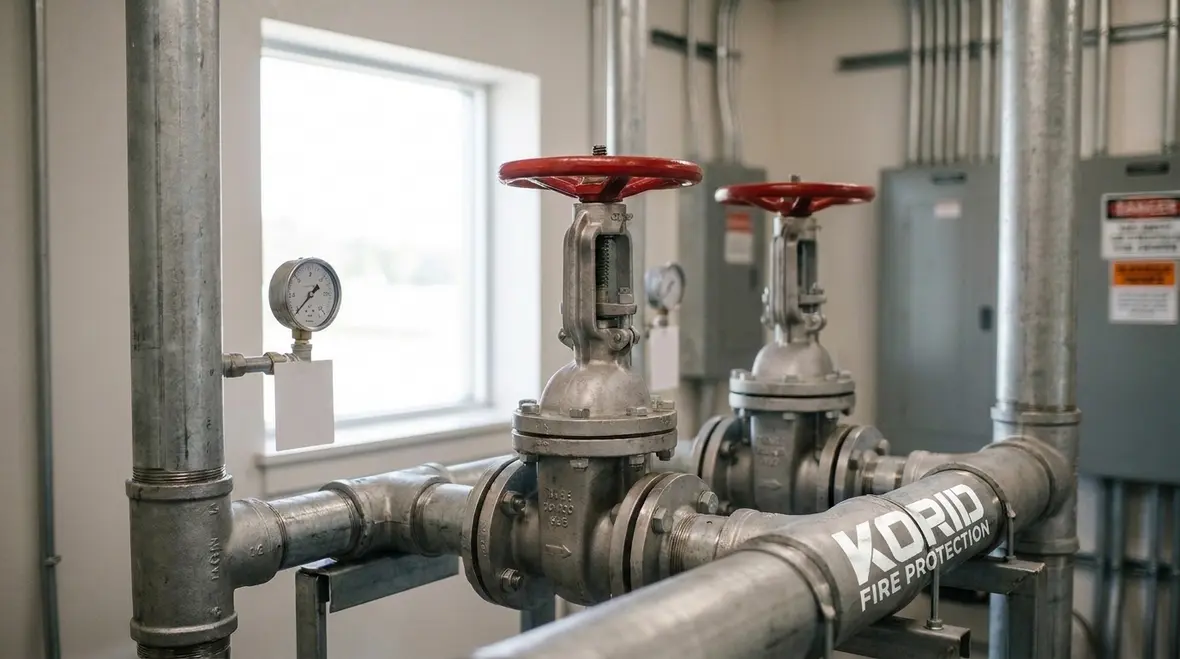
Control valves: how NFPA 25 keeps water ready when it matters
Control valves sit between the supply and the system sections that discharge in an emergency. As a result, they must do two things well: stay in the required position and allow water to flow when the system activates. NFPA 25 control valve inspection requirements guide how teams confirm the valve stays operable and correctly supervised. Technicians typically check valve position, verify hardware condition, and confirm that the valve setup aligns with the system design.
Equally important, they confirm that valves can be moved and returned to the correct position when required. If a valve sticks, binds, or develops friction, it may still “look fine” until an actual demand. Then it becomes a very expensive surprise. At many Australian facilities, valves can experience temperature swings, moisture, and vibration. Consequently, the inspection must treat the control valve like a critical control point, not a passive piece of metal.
Operability is not the same as looking normal
That distinction matters. Plenty of things in a facility can look perfectly respectable while quietly plotting to waste your afternoon. A valve handle can seem fine until movement reveals resistance. Supervision can appear present until the status signal does not match reality. Position indicators can be technically there while being about as helpful as a mystery label on a lunch container in the break room. Inspections close that gap between appearance and actual readiness.
Facilities that are already reviewing sprinkler inspection flow may also find Kord’s commercial fire sprinkler inspection checklist useful, since valve position issues and reporting logic often overlap with broader system inspection routines.

System valves and supervisory expectations for reliable operation
System valves manage how the system is grouped and how water gets released to the protected area. Under NFPA 25, teams verify that system valves remain in their proper operating state and do not sit in a half ready condition. That includes checking for issues that can prevent proper operation. For instance, valves can suffer from stuck parts, leakage, or misalignment that affects flow paths. Also, where supervision is required, the inspection checks that indicators and supervisory features provide the right message.
Additionally, technicians assess whether the valve environment supports safe and timely maintenance. If signage, access space, or labeling gets lost, response teams lose time. And in an emergency, time is the currency that never appreciates. Kord Fire Protection focuses on getting facilities to the point where technicians and response teams both understand the valve status, the system boundaries, and the inspection records.
Why supervision and labeling deserve more respect
Supervision and labeling are not glamorous, which is probably why people underestimate them. But when a system is divided into zones, branches, and valve groups, the labels become part map, part memory, and part damage prevention strategy. The goal is not to impress anyone with neat tags. The goal is to make sure the right people can identify the right valve under pressure without turning a response into a scavenger hunt.
Readers working around standpipes and related valve access issues may also appreciate Kord’s recent NFPA 25 standpipe inspection testing maintenance article, which echoes the same theme: a system only helps if it is accessible, intact, and ready.
Inspection documentation that stands up to audits and real emergencies
Inspections only help if they can be traced. Therefore, a strong NFPA 25 service program produces clear documentation tied to the system and valve identifiers. Teams note findings, detail corrective actions, and record verification steps so facility managers can see what changed. This matters for internal accountability and for external review. In Australia, many organizations operate across multiple campuses and sites, so clear records help prevent confusion during turnover, scheduling, or future upgrades.
Furthermore, good documentation supports trending. If a specific valve type fails repeatedly, teams can adjust maintenance intervals, improve cleaning, or plan upgrades. That avoids the cycle of “fix it today, ignore it tomorrow.” Kord Fire Protection helps facilities maintain that continuity, especially when you need consistency across industrial, retail, and commercial locations.
Records are where compliance turns into continuity
Good records do more than satisfy an audit trail. They let the next technician understand the last visit without playing detective. They help managers see recurring faults instead of isolated annoyances. They also make planning easier when sites expand, tenants change, or asset lists become more complicated than anyone expected at the design meeting. That continuity is not glamorous either, but it is incredibly useful when the system history needs to make sense fast.
How Kord Fire Protection becomes a vital partner for this service
Facilities often treat fire protection like a seasonal chore. They do the work when it shows up on the calendar, and they hope the rest handles itself. Meanwhile, valves do not care about calendars. Kord Fire Protection acts as a partner that keeps NFPA 25 obligations organized, repeatable, and practical. Because Australia has a wide mix of site conditions, our approach focuses on the realities technicians face on the floor: access constraints, asset labeling gaps, and the time needed to inspect without disrupting operations.
Additionally, Kord Fire Protection helps streamline service so teams complete inspections efficiently and correctly. That means crews show up prepared, verify valve and system details on site, and provide follow up actions when adjustments or repairs are required. Then, they help facilities keep their records aligned with expectations. In short, Kord Fire Protection reduces friction between compliance and day to day operations.
And for the record, no one enjoys arguing with a valve that “passed last time.” Kord helps prevent that argument from ever starting.
Featured FAQ for NFPA 25 control and system valves
Next step for compliance and readiness
Fire protection systems work best when valves stay dependable, documented, and ready. Kord Fire Protection can help your facility meet NFPA 25 control valve inspection requirements, support inspections tied to system reality, and provide clear records that make audits easier.
If you are planning service, renewing a program, or cleaning up valve documentation, contact Kord now and get a plan built for your site conditions across Australia. That way, your compliance work does not just look organized on paper. It stays ready where it counts.

Join Our Newsletter!
Get the latest fire safety tips delivered straight to your inbox From our Newsletter.



