Fire Sprinkler Control Valve Inspection NFPA 25 13.3
Quick Answer
NFPA 25 § 13.3 sets the expectations for inspecting fire sprinkler control valves and preventing deficiencies that could stop water flow when it matters. Through routine checks, documented findings, and fast corrections, facilities keep systems ready. Kord Fire Protection can support this work with skilled technicians, clear reports, and reliable follow through.
In Australia, facilities run on schedules, budgets, and uptime. Yet when a fire protection system fails, all three take a direct hit. That is why fire sprinkler control valve inspection NFPA 25 matters, especially under NFPA 25 § 13.3, which focuses on control valve inspection and deficiency prevention. In the sections ahead, third person guidance breaks down what § 13.3 expects, how inspections should be done in the real world, and how a strong partner like Kord Fire Protection helps facilities reduce risk without slowing operations.
For teams building a broader compliance routine, Kord Fire Protection’s full fire protection services can fit naturally into the conversation near the top of the planning process, especially when inspection, testing, maintenance, and repairs need to stay coordinated across one site or many.
Understanding NFPA 25 § 13.3 for control valves
NFPA 25 § 13.3 requires facilities to inspect fire sprinkler control valves so they stay in the correct condition. In other words, the valves should allow water flow during an emergency, while remaining secured against tampering or accidental changes during normal operations.
When a facility skips inspections, deficiencies tend to hide in plain sight. A valve may look fine, but it could be stuck, partly closed, or improperly configured. Then, during a real incident, the system performs like it has been watching everyone else work while it takes the day off. That is the kind of “surprise” nobody wants.
To meet the standard, inspection programs should include regular verification of valve position, accessibility, and operational readiness. Also, the facility should identify and correct any deficiencies promptly, with records kept for audit and continuity.

What inspectors verify during fire sprinkler control valve inspection
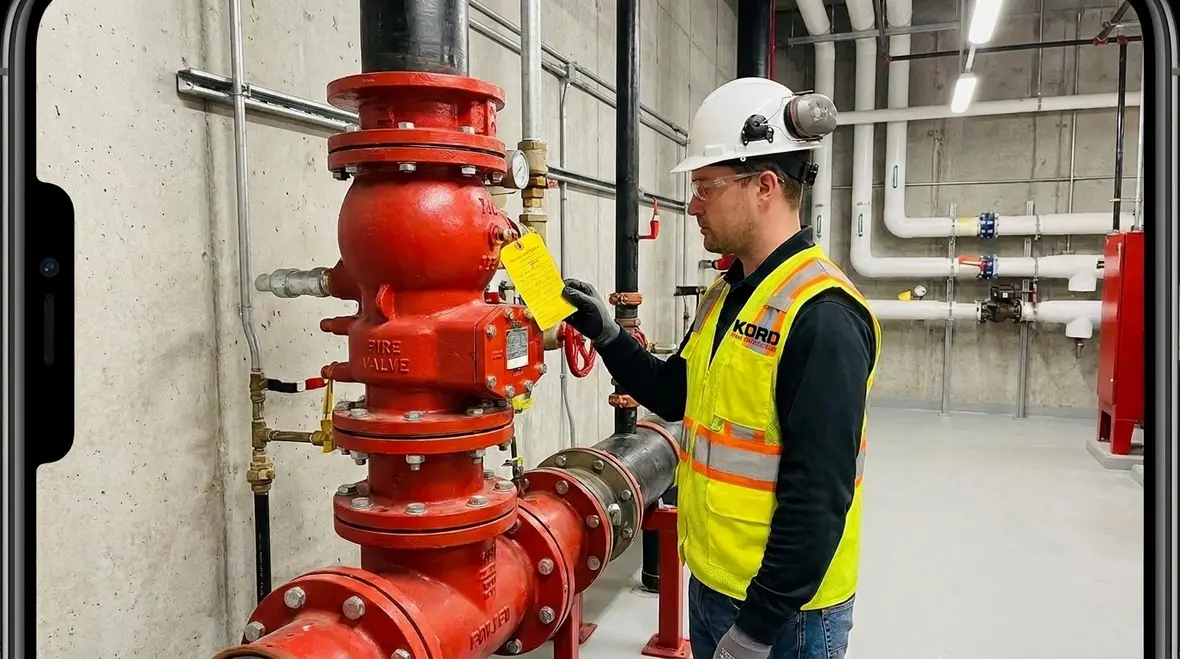
A proper approach checks more than just the obvious. First, the technician confirms the valve is in the required position for service. Next, they ensure the valve and its location support reliable access during an emergency. Then, they look for signs of damage, leakage, or conditions that could interfere with correct operation.
During fire sprinkler control valve inspection NFPA 25, inspectors commonly focus on the complete setup, not just the handle. That includes the surrounding trim, the identification and signage, the protective features, and the connections that keep the valve part of the life safety system.
Checks that move beyond “looks okay”
Transitioning from “looks okay” to “is operational” requires specific checks such as:
- Verifying supervisory features and tamper protection where applicable
- Checking the valve for physical impairment, corrosion, or obstructions
- Confirming the valve tag or label matches system records and drawings
- Reviewing any changes made by maintenance so the valve state stays correct
- Documenting observed conditions with clear notes and photos when needed
Facilities in industrial sites, retail centres, and commercial buildings often manage multiple zones and different valve types. Therefore, a consistent inspection method helps teams compare results over time and detect trends before they become expensive problems.

How deficiency prevention reduces downtime and risk
Deficiency prevention works like a good maintenance rhythm. It does not just fix issues after they appear; it reduces the odds that the next issue will surface at the worst possible time. Also, it limits system changes caused by well meaning people doing busy work. In most plants and warehouses, someone ends up “helping” a valve line, then walks away like the job is done. It rarely is.
To prevent deficiencies, facilities should treat control valve readiness as a controlled process. That means:
- Creating clear roles for who can access and manipulate valve settings
- Ensuring work permits and tagging requirements cover fire protection components
- Keeping spare parts and basic components available for quick corrections
- Tracking inspection findings so repeats get addressed at the root cause
When deficiency prevention follows through, it supports business outcomes. Systems remain reliable, inspection costs stabilize, and emergency response teams receive fewer surprises. Over time, it also helps protect compliance posture across audits and insurance reviews.
Step by step: conducting inspections without disrupting operations
In facilities across Australia, the biggest challenge often involves scheduling. When a team needs access, it can conflict with production, customer traffic, or building operations. Therefore, a service plan should respect site flow while still meeting the intent of NFPA 25.
A practical workflow includes a pre visit review of drawings and prior reports, so the technician arrives prepared. Next, the inspection focuses on each control valve in a logical route to reduce missed components. Then, the technician records results on site, capturing key details for fast review by facilities staff.
After the inspection, reporting should translate findings into action. Instead of vague notes, the report should clearly state what the condition is, what standard concern it creates, and what correction step solves the issue. Moreover, it should include timelines when immediate attention is required.
A practical inspection cycle
Here is how a typical inspection cycle helps teams stay ready:
- Confirm valve locations and identification against current site documentation
- Inspect accessibility and ensure no locked, blocked, or improvised barriers exist
- Verify the valve position and any required supervisory state
- Document conditions, including any leakage, damage, or nonconformities
- Provide clear deficiency items and recommended repair actions
That method supports industrial and commercial environments where time matters. It keeps the system review structured, and it helps prevent “we’ll sort it later” from becoming a long term plan.
Where Kord Fire Protection fits as a partner
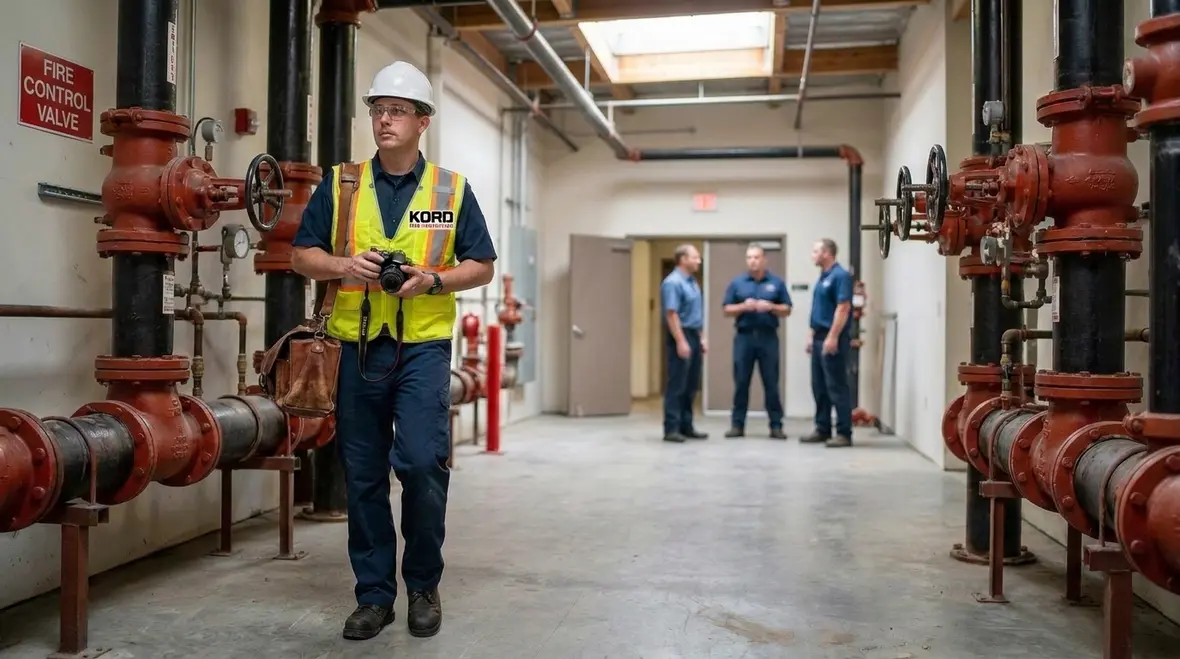
Even with strong internal teams, fire protection work benefits from a partner that understands both compliance and real operations. Kord Fire Protection can become a vital partner by delivering consistent inspections, clear documentation, and a disciplined approach to deficiency prevention. That means facilities get more than a checklist. They get field observations translated into usable actions.
To support fire sprinkler control valve inspection NFPA 25, Kord Fire Protection teams can help facilities maintain valve readiness across different sites and asset groups. In addition, they support ongoing maintenance planning so corrections do not land in the middle of a shutdown window.
Facilities also value communication. When Kord provides reporting that is easy to review, facilities staff can assign work internally or schedule repairs with confidence. And if a deficiency shows up, the goal stays simple: fix it fast, document it correctly, and keep the system ready for the next chapter.
In short, Kord helps sites move from “inspections happen” to “performance stays dependable.” That is the difference between paperwork and protection. And honestly, no one wants protection that reads like a novel nobody finished.
For readers who want the broader maintenance context behind valve work, this NFPA 25 overview and complete water-based fire protection systems maintenance breakdown fits naturally as the next step.
Common control valve issues in Australian facilities
Control valve problems often repeat across sites because the causes repeat: access gaps, record mismatches, and maintenance activities that unintentionally change valve states. Below are issues that frequently show up and how inspections help catch them early.
- Incorrect valve position after maintenance activities
- Blocked access due to storage, temporary works, or revised layouts
- Worn or damaged valve hardware that impacts movement and reliability
- Missing or faded identification that creates confusion during emergencies
- Corrosion and minor leakage that can become worse over time
- Supervisory or tamper features that are not aligned with operational intent
When facilities address these issues quickly, they reduce the chances that a test or emergency reveals a problem that should have been handled long before. Also, they maintain better continuity for teams who manage multiple assets across regions.
FAQ
Conclusion and CTA
When NFPA 25 § 13.3 gets followed with discipline, control valves stay ready, deficiencies get corrected fast, and business operations stay calmer. Kord Fire Protection supports facilities across industrial, retail, and commercial sites with consistent valve inspection, clear reporting, and deficiency prevention planning.
If a site needs dependable coverage, scheduling, and compliance friendly documentation, Kord Fire Protection can help. Reach out today to set up a plan that fits the facility’s workflow.

Join Our Newsletter!
Get the latest fire safety tips delivered straight to your inbox From our Newsletter.