
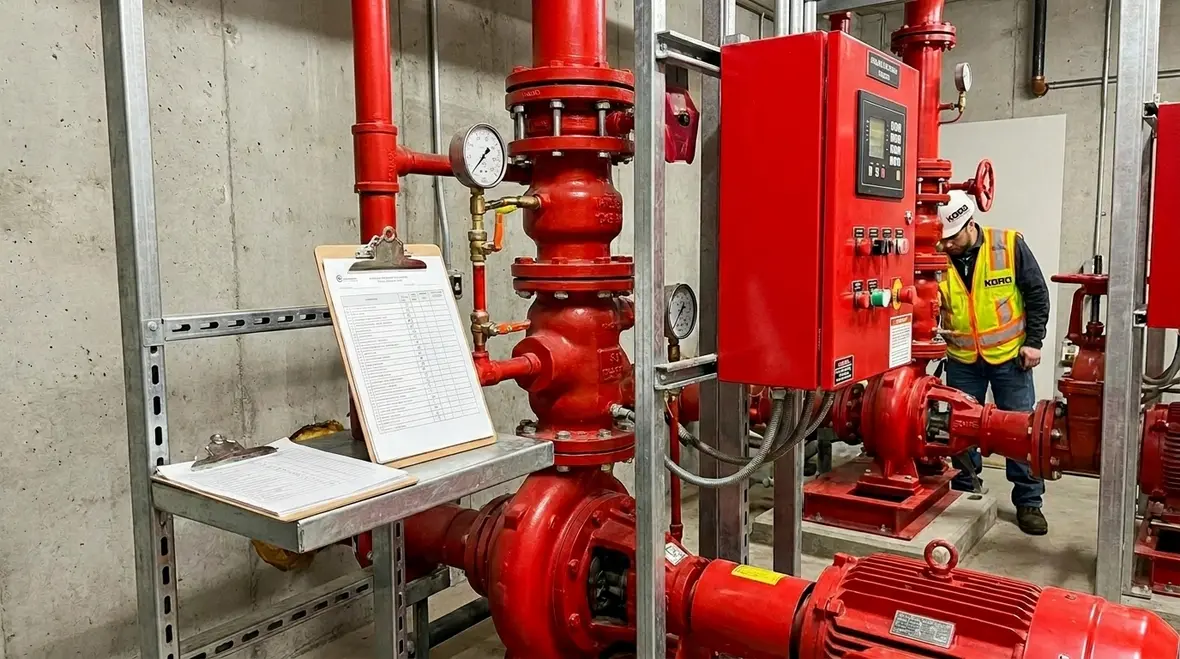
When NFPA 20 Chapter 1 Applies to Fire Pump Installations
Quick Answer
NFPA 20 sets rules for fire pump systems, so when NFPA 20 applies to fire pump installations, it usually hinges on where the pumps serve, how the system is designed, and the authority having jurisdiction. For industrial and commercial sites, compliance starts at design, not after the pumps arrive.
In this guide, third person explains when NFPA 20 Chapter 1 applies to fire pump installations. It also lays out what facilities should confirm early, before the “we will figure it out later” mindset shows up like a surprise uninvited guest at a supply chain meeting. Specifically, the discussion covers when NFPA 20 applies to fire pump installations in the real world, including design intent, system scope, and authority expectations. Then it follows the ripple effects into testing, documentation, and ongoing service. Finally, it shows how Kord Fire Protection can become a vital partner, helping teams stay compliant without turning every outage into a fire drill with a clipboard. Near the start of that journey, it also helps to understand Kord Fire Protection’s full fire protection services, since fire pump compliance rarely lives on an island by itself. ([kordfire.com](https://kordfire.com/full-fire-protection-services/?utm_source=openai))
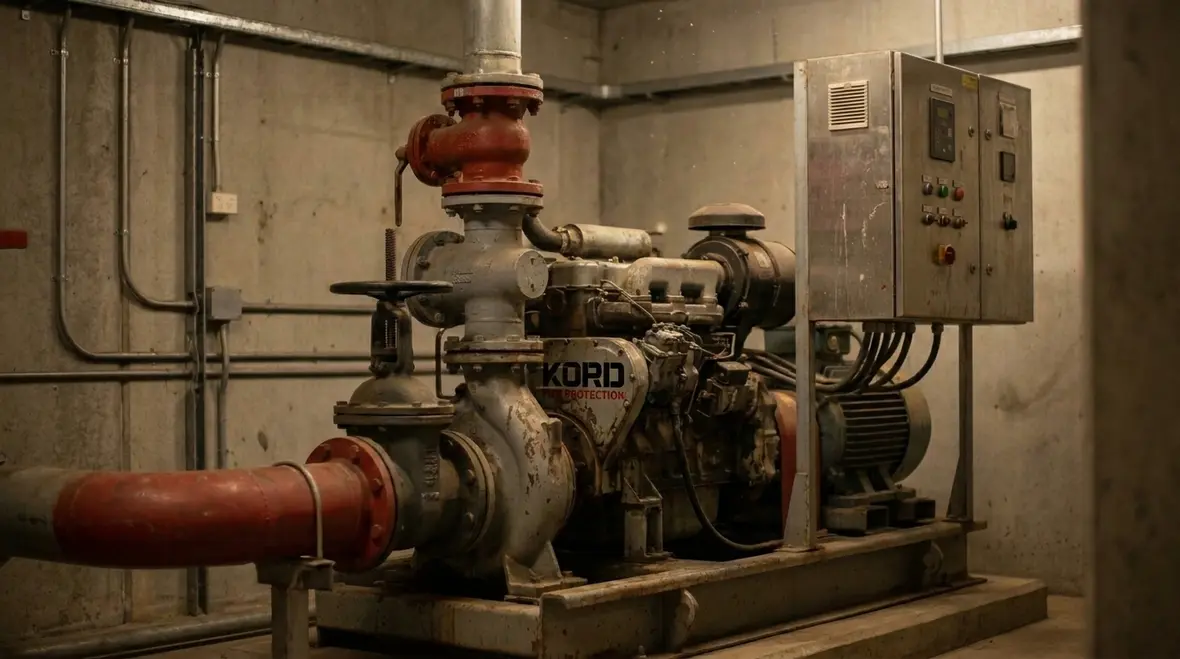
When NFPA 20 applies to fire pump installations: the trigger points
In many projects, teams think NFPA rules only begin once the pump skid is delivered. However, Chapter 1 works more like the foundation work on a concrete slab, because it frames the conditions under which NFPA 20 governs the design and installation of fire pumps. Therefore, when NFPA 20 applies to fire pump installations, it typically depends on the fire pump’s role in a system, the hazards the system protects, and the way the engineered fire protection system is expected to perform. Kord Fire Protection’s NFPA 20 overview likewise describes the standard as the governing benchmark for the installation of stationary fire pumps used in water-based fire protection systems. ([kordfire.com](https://kordfire.com/how-nfpa-20-regulates-fire-pump-systems/?utm_source=openai))
In practice, the authority having jurisdiction and the project’s fire strategy drive the scope. As a result, commercial and industrial facilities often need NFPA 20 alignment when a fire pump forms part of a required fire protection system. Additionally, if the pump supports water based fire protection, such as sprinkler or standpipe systems, then the design and installation expectations tend to fall under the same umbrella. And yes, paperwork matters here, because “trust me” rarely counts as a test record. Kord Fire Protection’s article on how NFPA 20 regulates fire pump systems also notes that the standard defines where and how fire pumps should be installed, connected, tested, and documented. ([kordfire.com](https://kordfire.com/how-nfpa-20-regulates-fire-pump-systems/?utm_source=openai))
What usually triggers Chapter 1 review
- A fire pump is being added to support sprinkler, hydrant, or standpipe demand
- The pump is part of a required life safety strategy rather than an optional convenience upgrade
- The project includes a controller, suction and discharge piping, alarm interfaces, or monitoring points tied to fire protection performance
- The authority having jurisdiction expects the installation to follow NFPA 20 as the governing basis
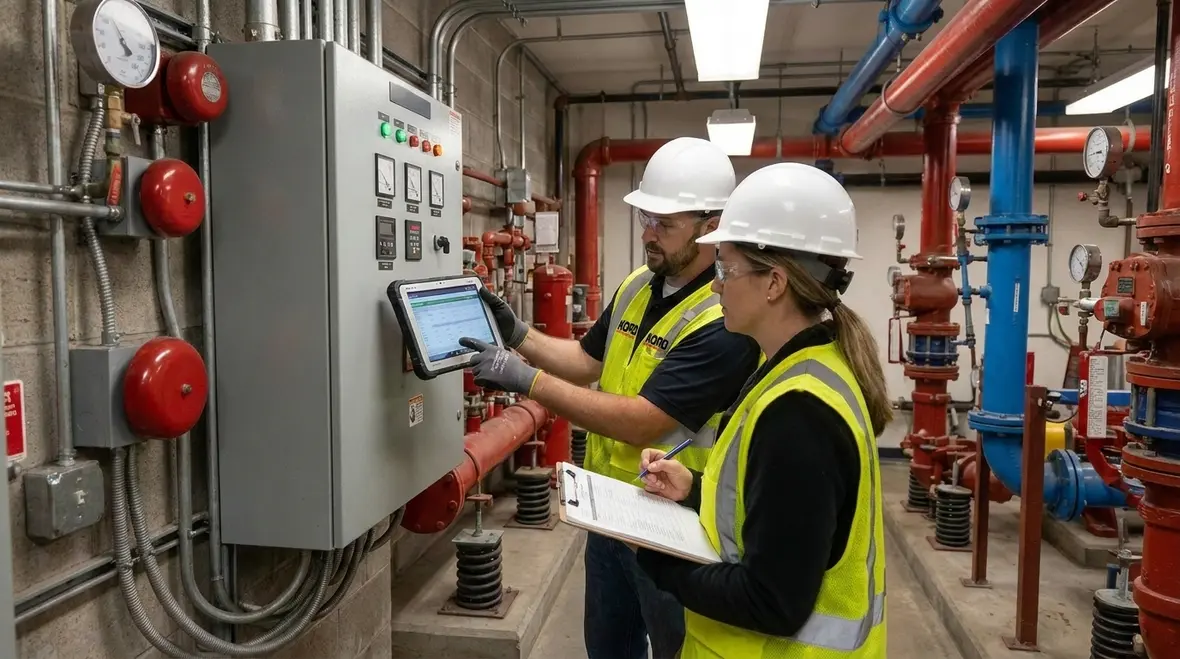
Scope and system boundaries that decide compliance
NFPA 20 does not exist in isolation. Instead, Chapter 1 helps define the system boundaries, so teams know what is covered and what sits next to it. Consequently, decisions about piping interfaces, pump room arrangements, and control wiring often determine whether the project aligns fully with the standard’s intent. Kord Fire Protection’s lifecycle and NFPA 20 articles both reinforce that fire pump coordination starts early and ties directly into long term performance, testing, and installation expectations. ([kordfire.com](https://kordfire.com/full-lifecycle-of-fire-protection-explained/?utm_source=openai))
To keep things clear, facilities should treat the fire pump as a system component with neighbors. Those neighbors include water supplies, headers, suction and discharge piping, valves, jockey pumps where used, controllers, and monitoring interfaces with fire alarm and building management systems. Moreover, the standard focuses on how the installation supports reliable pump operation under fire conditions. That means teams must think beyond the “pump itself” and ensure the system around it supports the needed pressure and flow. Kord Fire Protection’s related fire pump power and monitoring articles make the same practical point from different angles: reliable operation depends on the whole chain, not a single piece of hardware trying to be a hero. ([kordfire.com](https://kordfire.com/fire-pump-power-supply-reliability-for-commercial-buildings/?utm_source=openai))
Boundaries that deserve early attention
- Water supply conditions feeding the fire pump
- Suction and discharge piping layout
- Controller location, sequence, and power path
- Alarm outputs and supervisory monitoring
- Interfaces with sprinkler, standpipe, or other water based protection systems
Design phase checks before anything gets installed
During the design phase, Chapter 1 expectations become practical requirements. Therefore, facilities should verify that the fire pump selection and system layout support the required demand. They should also confirm that the pump’s controls and connections match the fire protection concept and the required response time. Kord Fire Protection’s NFPA 20 overview explains that the standard regulates how stationary pumps are designed, installed, powered, tested, and maintained, which is exactly why design review cannot be left until the truck is already backing into the loading zone. ([kordfire.com](https://kordfire.com/how-nfpa-20-regulates-fire-pump-systems/?utm_source=openai))
On busy projects, multiple contractors often juggle overlapping responsibilities, and that can lead to mismatched assumptions. As a result, teams should plan early reviews of pump performance calculations, suction conditions, discharge routing, and the pump controller sequence. Furthermore, they should confirm that the installation plan supports acceptance testing. Why? Because if the plan ignores future testing needs, the site later pays in delays, rework, or both. The schedule does not care how “almost ready” something feels. Facilities that want a deeper standards context can naturally review Kord Fire Protection’s How NFPA 20 Regulates Fire Pump Systems, which connects design choices to installation and compliance expectations. ([kordfire.com](https://kordfire.com/how-nfpa-20-regulates-fire-pump-systems/?utm_source=openai))
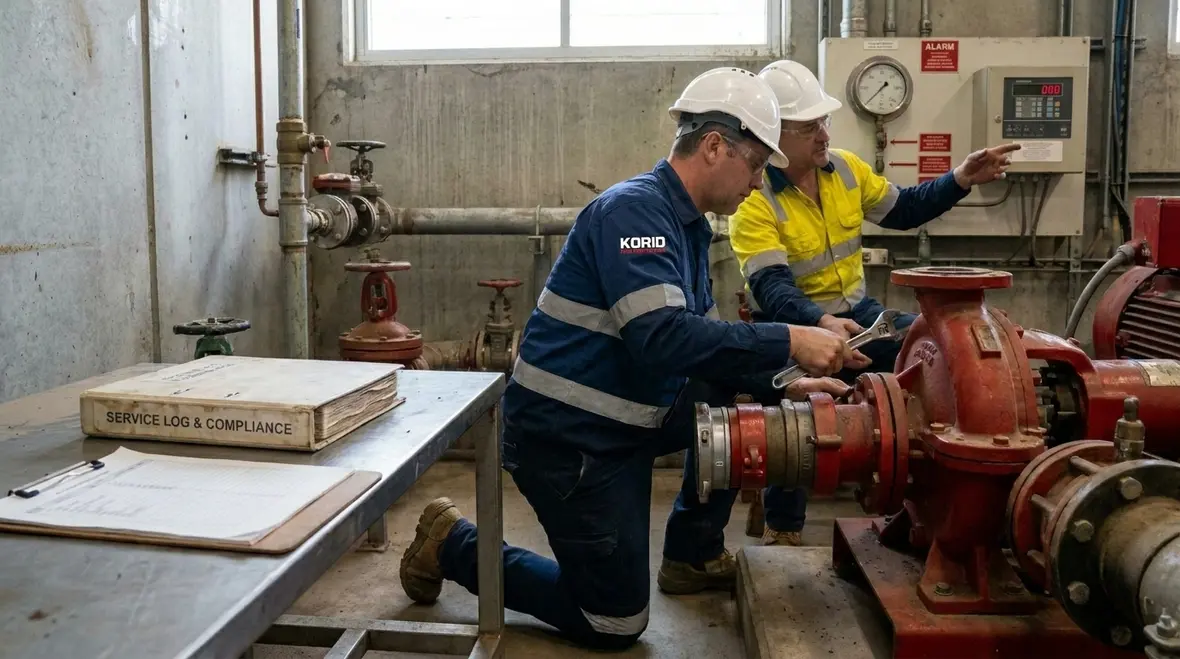
Design review questions worth asking early
- What exact system demand is the pump expected to satisfy?
- Are suction conditions and routing compatible with reliable operation?
- Does the controller logic align with the intended fire protection response?
- Can acceptance testing be completed without awkward workarounds and heroic improvisation?
Installation, commissioning, and acceptance testing expectations
Once installation begins, Chapter 1 sets the stage for how the system must perform and how proof gets documented. Consequently, commissioning and acceptance testing carry a big weight, because they show that the installed system meets the design basis. Pump performance, control logic, alarm outputs, and emergency operation all need attention. Kord Fire Protection’s fire pump content consistently points to testing, inspections, and documentation as essential parts of a dependable program rather than optional paperwork that everyone promises to handle “next week.” ([kordfire.com](https://kordfire.com/full-fire-protection-services/?utm_source=openai))
Facilities should also confirm that field installation details match the engineered plan. For example, suction conditions should stay within limits, valves must align with system intent, and controller connections should not drift from the design due to “small changes.” Additionally, testing should include checks that confirm the pump starts and runs as required, and that the system provides the expected water flow and pressure profile. And when tests find gaps, teams should treat findings as normal engineering feedback, not as a reason to blame the last person who touched the panel. Kord Fire Protection’s monitoring and power reliability articles support the same idea by emphasizing stable control behavior, dependable start logic, and realistic testing under operating conditions. ([kordfire.com](https://kordfire.com/real-time-fire-pump-system-monitoring-for-safety/?utm_source=openai))
Ongoing service: where compliance either holds or breaks
Even when the install matches NFPA 20 intent, compliance can fail after handover if maintenance does not stay disciplined. Therefore, facilities should build service programs that keep pump reliability high and that keep records audit ready. For industrial plants, distribution sites, and commercial complexes, service must address both the mechanical parts and the control system behavior. Kord Fire Protection’s proactive maintenance article directly supports that approach, noting that long term reliability depends on ongoing fire pump service and maintenance rather than a one and done commissioning victory lap. ([kordfire.com](https://kordfire.com/proactive-maintenance-for-fire-pump-system-reliability/?utm_source=openai))
In practice, that means periodic inspection of components, functional testing of controls, verification of alarms and monitoring points, and checks of fire pump operational readiness. It also means keeping spare parts strategies sensible, because waiting for parts during a critical need period tends to create a “surprise price increase” event. Furthermore, good documentation helps authorities and insurers see that the system remains within expected performance boundaries. That documentation mindset also appears across Kord Fire Protection’s fire pump service content, where inspections, testing intervals, and clean records are treated as part of readiness, not a side quest. ([kordfire.com](https://kordfire.com/full-fire-protection-services/?utm_source=openai))

Kord Fire Protection as a vital partner
When teams handle fire pumps internally, they often do fine until the workload spikes, the staff changes, or the compliance deadlines stack up. Then the question becomes: who ensures the job stays aligned from design support through testing and ongoing service? This is where Kord Fire Protection can become a vital partner.
First, Kord Fire Protection helps teams connect the dots between what Chapter 1 requires and what happens on site. That includes practical guidance during commissioning, structured testing support, and service planning that fits industrial and commercial environments. Second, Kord can support the workflow that keeps records clean and traceable, which reduces time spent chasing missing documentation later. Third, Kord brings a service mindset, so the pump system remains dependable and ready when a system must perform under fire conditions. Across Kord Fire Protection’s own site, that support shows up through dedicated fire pump services, testing programs, inspections, and compliance-focused maintenance content. ([kordfire.com](https://kordfire.com/full-fire-protection-services/?utm_source=openai))
Key details to confirm on every project
To reduce surprises, facilities can confirm the following items early. They also help ensure that when NFPA 20 applies to fire pump installations is handled consistently across teams.
- Clarify the system purpose, including what water based fire protection the pump supports
- Confirm the engineered performance requirements and demand calculations
- Review suction and discharge arrangements for alignment with design intent
- Verify pump control sequence, alarm interfaces, and monitoring points
- Plan acceptance testing scope and ensure access for technicians during commissioning
- Set a maintenance schedule that supports ongoing reliability and record keeping
Project phase snapshot
| Phase | What facilities should do |
| Design | Validate pump selection, performance assumptions, and system boundaries |
| Install | Keep field changes controlled and aligned with the engineered plan |
| Commission | Test controls, alarms, start and run logic, and document outcomes |
| Service | Maintain inspection routines and keep audit ready records |
Why this matters in the field
This snapshot is useful because it keeps everyone honest about timing. Design decisions affect installation. Installation quality affects commissioning. Commissioning results affect service routines. And service habits determine whether the whole thing stays ready or turns into a very expensive lesson in why details were not optional after all.
FAQ for fire pump compliance and Chapter 1
Final call to action
Fire pump compliance works best when teams plan early, test properly, and service consistently. Kord Fire Protection can support that full lifecycle, from commissioning clarity to ongoing readiness. If a project is under design or nearing acceptance, now is the right time to confirm scope, reduce risk, and keep fire pump system performance on target.
Because the only thing that should run during an emergency is the fire pump, not your patience. Teams that want a stronger technical foundation can also review Kord Fire Protection’s NFPA 20 overview and related fire pump service resources to keep design intent, testing, and maintenance moving in the same direction. ([kordfire.com](https://kordfire.com/how-nfpa-20-regulates-fire-pump-systems/?utm_source=openai))

Join Our Newsletter!
Get the latest fire safety tips delivered straight to your inbox From our Newsletter.



