NFPA 20 Sections 1.1 to 1.3 Scope Purpose Application Explained
Quick Answer
NFPA 20 Sections 1.1 to 1.3 explain why fire pumps exist, what they cover, and where they apply. These opening sections set the tone for the rest of the standard by spelling out scope, purpose, and application in a way that guides real installation and service decisions. For teams managing commercial and industrial fire protection, that matters because dependable water supply is never something you want to leave to luck, crossed fingers, or a heroic pump room pep talk.
When project teams understand these sections properly, they have a better shot at aligning design intent, installation quality, system interfaces, and long-term readiness. Near the top of that conversation, it also helps to connect fire pump planning with broader fire sprinkler system service support, because the pump is not there to look impressive in a plant room. It is there to support the pressure and flow demands of the systems relying on it. If the pressure drops and the stakes rise, this is when preparation either looks very smart or very expensive.
NFPA 20 fire pump scope and application explained starts with Sections 1.1 to 1.3 because those clauses define the standard’s purpose, boundaries, and intended use. That foundation helps owners, contractors, engineers, and facility teams avoid the classic mistake of focusing on equipment alone while missing the rules that determine whether the whole setup is actually fit for fire protection duty. Calm, clear compliance beats dramatic last-minute problem solving every time.
1. NFPA 20 Section 1.1: Scope in plain business language
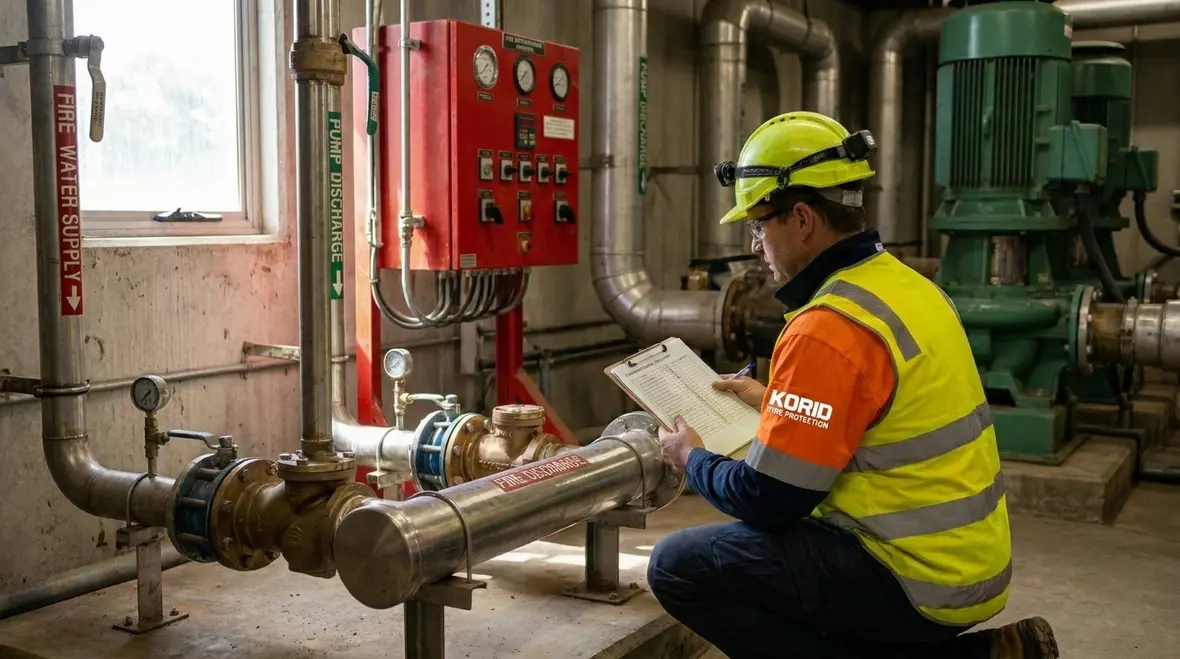
NFPA 20 Section 1.1 lays down the scope. In practical terms, it tells stakeholders what the standard is meant to cover and where its authority begins. That sounds simple, but scope is where a lot of project confusion gets caught early, or not caught at all. If a team assumes the standard covers more than it does, or less than it does, the result can be a system that looks tidy on paper but falls apart under technical review or operational stress.
For industrial facilities, retail centres, and commercial properties, scope matters because each environment places different demands on water delivery, component selection, and coordination. A manufacturing site may involve harsh environmental conditions, unusual water supply arrangements, or process-related operating realities. A large commercial site may face different hydraulic priorities tied to occupancy, layout, and vertical distribution. Scope gives teams the reference frame needed to determine whether the fire pump installation matches the required coverage and service intent.
Why scope prevents expensive surprises
Scope clarity also reduces rework. When people misunderstand what the standard covers, the gap often shows up during commissioning, testing, or a maintenance event that exposes a hidden weakness. By that stage, budgets get cranky, schedules become dramatic, and nobody enjoys the meeting invites. Kord Fire Protection’s broader content on how NFPA 20 regulates fire pump systems reinforces this point by connecting code structure to practical design and compliance decisions. Getting the scope right from the beginning is simply cheaper than discovering the truth halfway through the story.
2. NFPA 20 Section 1.2: Purpose and the performance mindset
Section 1.2 states the purpose of the standard. This is where the document tells you why it exists, which is another way of saying it reminds everyone that fire pump compliance is not about paperwork theatre. The purpose is tied to reliable fire pump operation, proper design, and dependable delivery of water at the pressure and flow the system requires when conditions turn serious.
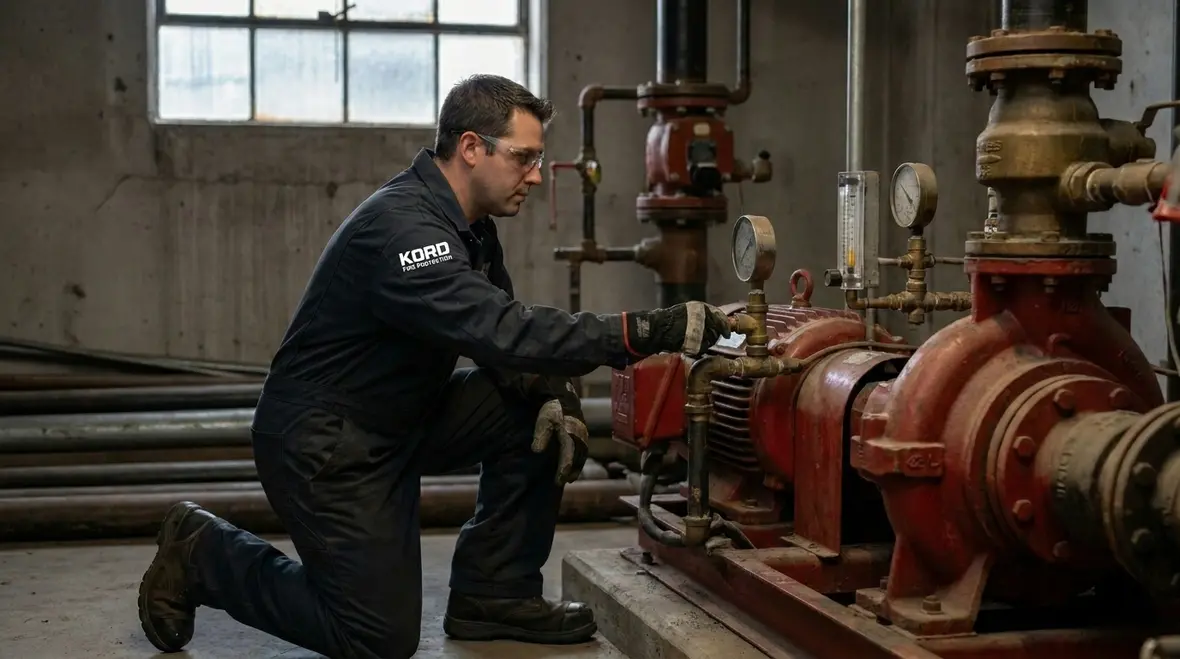
In real facilities, the purpose of NFPA 20 shows up in ordinary decisions long before an emergency. A site team may notice slight vibration changes, control oddities, pressure readings that seem just a bit off, or components that are technically still operating but clearly not aging like fine wine. The easy temptation is to delay action because the pump still runs. The problem is that emergencies are very rude about timing. Small issues that look harmless during routine operation can combine into failures when demand spikes and there is no room for a second try.
Purpose is not only for new installations
That is why purpose must guide ongoing management, not just initial installation. Once a system moves from project handover into day-to-day operations, the site needs more than a framed certificate and optimistic memory. It needs disciplined testing support, clear documentation, and service that keeps the pump ready to perform. Purpose is what turns a standard from a static document into an operating mindset. Without that mindset, even a well-installed system can slowly drift into mediocrity while everyone keeps calling it compliant.
3. NFPA 20 Section 1.3: Application and who must follow it
Section 1.3 explains application. This is the part that clarifies when the standard applies and how stakeholders should use it across the lifecycle of a fire pump installation. It helps translate the standard from theory into responsibility. Designers need it, installers need it, service teams need it, and owners definitely need it, especially if they prefer emergencies to be handled by equipment instead of regret.
Application matters because a fire pump does not operate in isolation. It supports broader water-based fire protection arrangements, including sprinklers, standpipes, hydrants, and related system interfaces depending on the building and hazard profile. If one part of that chain is aligned and another is neglected, a site can end up with isolated compliance, where one box is ticked but system performance as a whole still falls short. Application helps teams connect responsibilities rather than fragment them.
Why application matters during change
This becomes especially important during upgrades, refurbishments, tenant changes, or shifts in building use. A facility may alter storage density, repurpose floor space, modify system interfaces, or change operational priorities in ways that affect water demand and system behavior. Application guidance keeps teams from treating those changes like separate issues when they actually influence pump readiness. In other words, the standard is not being dramatic. It is being realistic.
4. How these sections connect to facility operations
After Sections 1.1 to 1.3, most teams stop asking what the words mean and start asking what they mean in the field. That is the right question. Scope, purpose, and application only matter if they influence installation quality, readiness checks, and service decisions. In operational terms, the fire pump must perform under stress, and the path to that outcome depends on proper components, correct settings, sound controls, coordinated interfaces, and repeatable verification.
Facilities often operate in conditions that challenge reliability. Dust, heat, humidity, vibration, aging infrastructure, and long service intervals can all affect how well a pump and its associated controls hold up over time. Because of that, good service does not rely only on a single pass or fail result. It watches trends. It compares readings. It pays attention when the system starts behaving a little differently, because that is usually how larger trouble introduces itself.
Operational continuity adds another layer. Many sites cannot easily stop production, interrupt tenants, or pause critical services just because testing needs access. Yet fire pump service still requires disciplined scheduling, controlled conditions, and a team that understands both code intent and real-world site limitations. And yes, fire pump testing can feel like watching paint dry. But watching paint dry has never once prevented a pressure failure during an emergency. Careful testing just might.
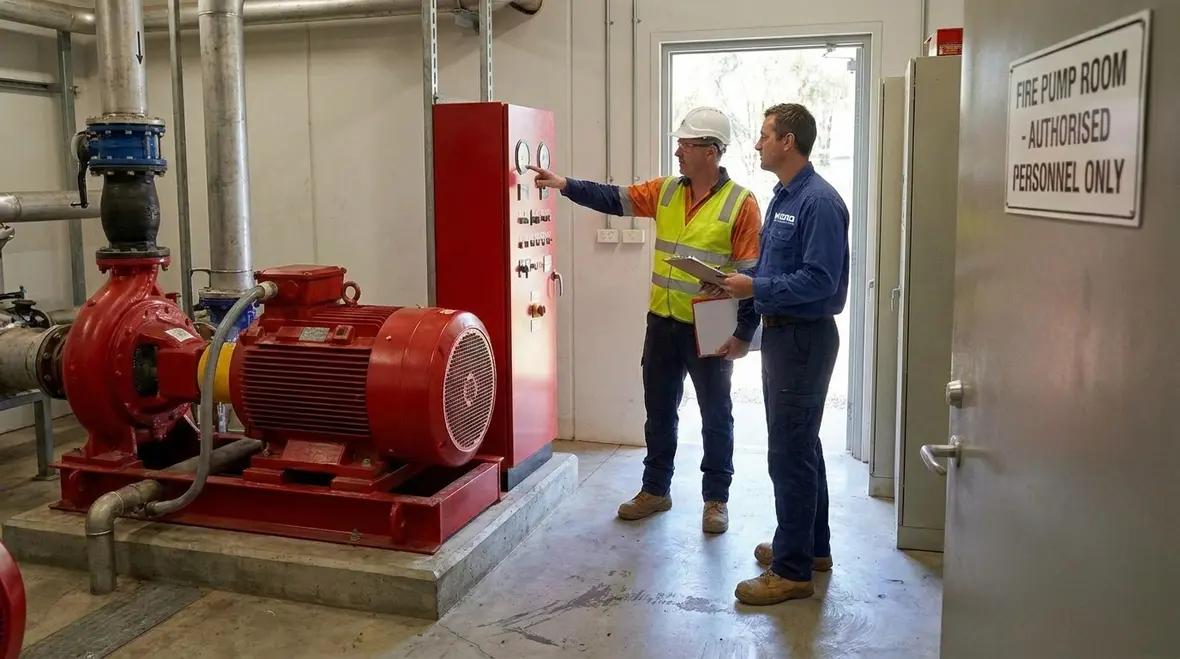
5. What a strong fire pump service partner should actually do
A solid service partner does more than appear after something breaks and nod thoughtfully at the equipment. A strong partner helps reduce risk before failure, supports corrective action with clarity, and keeps documentation organized enough that facility teams can make decisions without guessing. That matters because fire pump systems often sit in critical areas where access is tight, downtime is awkward, and consequences are very real.
In practice, that means structured inspections, support during commissioning or recommissioning where needed, performance-focused testing, and maintenance planning that reflects environmental stress and operating patterns. It also means keeping records that show what was checked, what was found, what was corrected, and what still needs attention. A system that “runs today” is not the same thing as a system that is “ready when it counts,” and that distinction is exactly where better service earns its value.
- Performance verification that focuses on flow and pressure outcomes, not just visual checks
- Control system attention so starters, switches, and alarms behave correctly during real demand
- Maintenance planning that accounts for environmental stress and operating patterns
- Clear reporting that helps facility teams make decisions without guesswork
6. Dual column checklist: from code intent to service action
Below is a practical guide that connects the intent behind Sections 1.1 to 1.3 with actions teams can use in project planning and ongoing management.
| NFPA 20 intent | Service and job execution action |
|---|---|
| Clear scope so the installation matches required coverage | Validate system components and system interfaces during service planning |
| Defined purpose focused on reliable water delivery | Confirm performance trends with structured checks and test results |
| Defined application for how teams must use the standard | Coordinate service work with site changes, upgrades, and operational limits |
7. Frequently asked questions about NFPA 20 and fire pump jobs
8. Final thoughts and next steps
NFPA 20 Sections 1.1 to 1.3 set the foundation for understanding fire pump scope, purpose, and application. When a facility treats that foundation like a living requirement instead of a one-time checklist, the system stays more dependable and compliance becomes more manageable. That is the quiet power of getting the first few sections right. They shape every decision that follows.
For teams that want the pump, controls, interfaces, and service plan to work together without nasty surprises, Kord Fire Protection offers a practical path forward. Whether the next step is reviewing performance, coordinating service, or tightening documentation, the goal stays the same: make sure the system is ready before the emergency decides to test everyone’s confidence for them.

Join Our Newsletter!
Get the latest fire safety tips delivered straight to your inbox From our Newsletter.