Section 2775.6 Deadlines: RMP Compliance Schedule and Certification Statements
Quick Answer (40–60 words)
Section 2775.6 deadlines require industrial and commercial owners to stay organized with RMP compliance schedule requirements, not just file paperwork. Compliance schedules map tasks to dates, while certification statements confirm specific conditions. Both must align to avoid delays, enforcement risk, and costly rework.
For facilities trying to keep the operational side and the records side from drifting apart, full fire protection services can help tie inspections, testing, maintenance, and documentation into one cleaner workflow.
Why RMP compliance schedule requirements can’t wait
When Section 2775.6 deadlines show up, they do not arrive like a friendly reminder. They arrive like a building inspection that somehow always catches you mid laugh. In the first place, RMP compliance schedule requirements push facilities to track what must be done, when it must be done, and who does it, so evidence stays ready. However, many teams confuse the paperwork outcomes with the operational work behind them. That is where compliance schedules and certification statements start to clash.
To make this clearer, compliance schedules lay out the timeline and responsibilities. Certification statements confirm that the facility meets defined criteria. Therefore, the schedule tells the story of activity, while the statement tells the story of compliance at a point in time.
And yes, keeping both aligned can feel like juggling sprinkler heads, inspection tags, and spreadsheets in one hand. Still, when teams handle it early, deadlines turn from stress to structure.

Compliance schedules vs certification statements: what each one really does
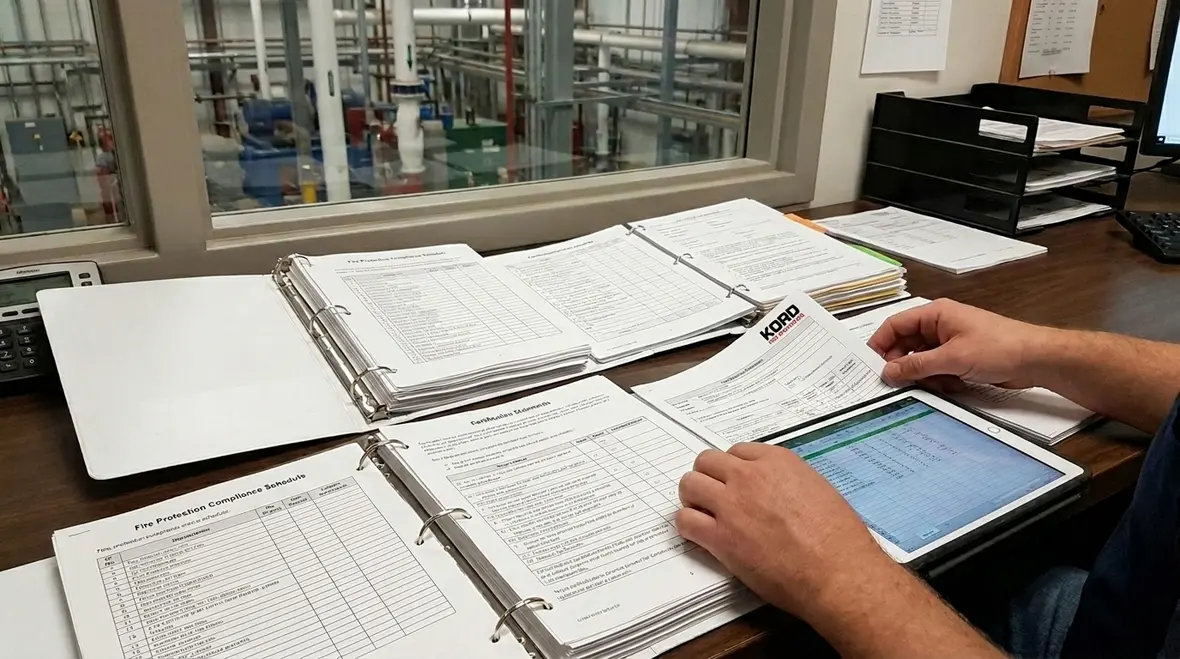
Compliance schedules work like a project plan with legal weight. They define the tasks required to meet the RMP compliance schedule requirements, and they include dates, scope, and dependencies. As a result, operations teams can coordinate shutdowns, contractor visits, testing windows, and maintenance cycles.
Certification statements, on the other hand, act like a formal snapshot. They confirm that specific requirements were met, often supported by test results, inspection records, and maintenance evidence. So, while the schedule tracks progress, the statement communicates status.
Here is the key difference. If a facility only produces certification statements without a schedule trail, it risks gaps that surface later. Meanwhile, if a facility tracks a schedule but never produces the correct certification statement, it can still fail even when work seems “done.”
In short, the schedule proves the path. The statement proves the destination.
Why the distinction matters during audits and reviews
That distinction matters because auditors and reviewers rarely care that everyone was “basically on top of it.” They care whether the timeline, the records, the asset references, and the final statement all line up neatly enough to survive scrutiny. If one piece wanders off on its own adventure, the whole package can start looking unreliable.
Facilities that understand this early tend to build less chaos into the process. They are not racing to remember which report belongs to which system, which inspection closed which task, or which maintenance note supports which statement. They know, because the structure was there from the start.
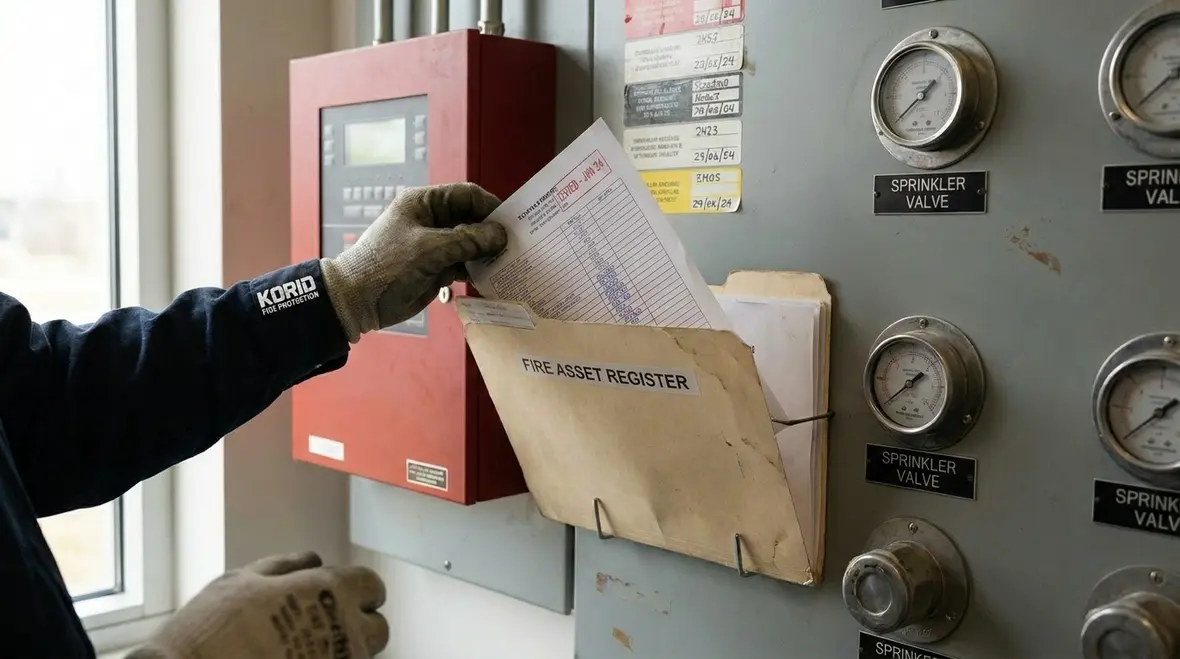
Section 2775.6 deadlines: how facilities avoid last minute scramble
Section 2775.6 deadlines usually force a strict sequence. First, the facility must complete the required activities before the submission or certification period. Next, it must gather supporting evidence in a format that matches the requirement. Then, it must submit or retain documents within the time window.
Therefore, facilities that wait until the deadline month often run into predictable problems: equipment gets tested but records do not match the scope, contractors submit documents without the exact identifiers, or maintenance work gets done yet the compliance schedule entry remains blank.
To avoid that, teams should set internal checkpoints that run ahead of the legal date. For example, they can schedule evidence collection as a separate step, not as an afterthought. Additionally, they should validate forms, tags, and report references early so the final package does not become a scavenger hunt.
Practical checkpoint planning that actually works
A practical internal schedule usually works best when it is earlier and simpler than the legal deadline structure. Teams can set one checkpoint for work completion, one for record verification, one for remediation closeout, and one final review before any statement is signed. That way, the official due date does not become the first time anyone notices the file is missing half its personality.
This is also where related reading on fire protection compliance auditing can help teams understand how documentation gaps are usually discovered before they become expensive surprises.
Where fire protection documentation fits in the bigger compliance picture
For industrial, retail, and commercial facilities across Australia, fire protection sits at the center of life safety and continuity of operations. Consequently, fire systems often drive multiple tasks inside RMP compliance schedule requirements such as inspection cycles, testing, remediation follow ups, and documentation updates.
However, fire documentation is not only about having a report. The compliance risk often shows up in how the report links to the facility’s schedule and its certification statement. A test record that exists but does not map to the correct asset list, location, or due date can create a mismatch.
So the best approach treats documentation as a controlled workflow. First, assets get identified consistently. Then, maintenance and testing get scheduled and completed. Finally, records get compiled in a structured way that supports certification statements without guesswork.
In other words, fire protection evidence should not be “somewhere in a folder.” It should be in the right place, with the right references, at the right time.
Teams that want a deeper documentation framework can also review fire safety system documentation for compliance, which naturally complements this discussion on schedules, records, and final certification support.
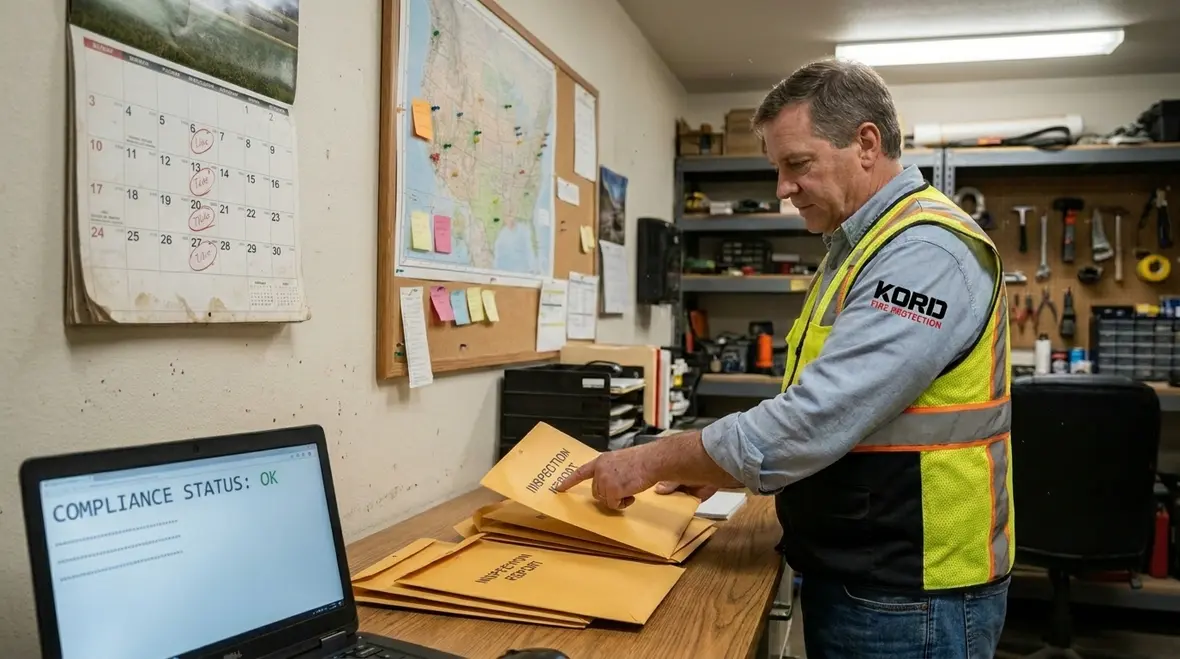
How kord fire protection supports compliance schedules and submissions
Many facilities want speed, but they also need accuracy. That is where kord fire protection can become a vital partner for this service or job. Because when fire protection providers support the full compliance rhythm, they reduce friction between field work and the paperwork that must stand up under deadline pressure.
Here is what that partnership can look like in practice. kord fire protection can help teams keep the operational side on schedule, coordinate testing and inspections, and supply clear documentation that maps to the facility’s requirements. Moreover, they can support remediation timelines, so outstanding items do not quietly drift into the next cycle.
Most importantly, they help facilities connect the dots. While compliance schedules plan the work, kord fire protection helps ensure the evidence matches what certification statements require. And if someone asks, “Do we have the right documents?” the answer should not trigger a dramatic pause. It should trigger a retrieval.
Compliance schedule focus
- Task timing and ownership
- Due dates aligned to Section 2775.6 deadlines
- Dependencies like access, shutdowns, and asset availability
- Evidence checkpoints built into the workflow
Certification statement focus
- Formal confirmation of compliance
- Supported by test and inspection records
- Correct asset references and location details
- Submission and retention within time windows
Best practices for building an evidence trail that holds up
To meet RMP compliance schedule requirements without panic, facilities should implement a consistent evidence trail. First, they should maintain a reliable asset register. If the asset list is wrong, reports will never “line up,” no matter how many times the team prints them.
Next, they should standardize how reports get named and stored. Then they should require that every inspection and test result includes identifiers that match the compliance schedule entries. After that, they should run a quick internal review before the certification period begins.
Additionally, facilities should track remediation as its own step. Even if a system passes the initial test, minor defects can become major problems if the schedule does not reflect reinspection dates. Therefore, the schedule needs to capture the whole cycle, not only the first visit.
Finally, facilities should assign an owner for document readiness. When one person holds the evidence workflow together, the team saves time. More importantly, the facility avoids the classic mistake: doing the work but failing to prove it.
A simple evidence trail model facilities can follow
- Start with a clean, verified asset register
- Match every scheduled task to an asset, location, and due date
- Require inspection and test reports to use the same identifiers
- Log deficiencies and remediation separately, but link them back to the original task
- Review completeness before certification statements are prepared
- Store final records where retrieval is immediate, not mythical
If that process sounds familiar, it should. It is essentially the difference between a documentation system and a paper pile with optimism taped to the front.
What teams should do next before deadlines arrive
Facilities do not need more meetings. They need a tighter system. They can start by reviewing the current compliance schedule against upcoming Section 2775.6 deadlines and then mapping which fire protection tasks feed into certification statements. After that, they can confirm that records will be available in the required format and timeframe.
Then, they can engage a partner like kord fire protection early, rather than waiting for the final month. If a facility treats documentation as part of the operational plan, it reduces rework, delays, and last minute surprises. And honestly, nobody wants a surprise fire drill during an audit.
For teams also reviewing code context, the California Title 19 PDF is a useful reference to keep alongside inspection records, service documents, and internal compliance workflows.
FAQ
Ready to align schedules, evidence, and deadlines?
Section 2775.6 deadlines reward discipline, not luck. A facility that aligns RMP compliance schedule requirements with accurate evidence and certification statements protects operations and reduces rework. The goal is not glamorous, but neither is scrambling for missing reports while everyone pretends that the shared drive is “acting weird” again.
For fire protection support that fits the job, kord fire protection can help keep the schedule moving and the documentation solid. If compliance time is tight, reach out now and build a plan before the calendar builds one for you.

Join Our Newsletter!
Get the latest fire safety tips delivered straight to your inbox From our Newsletter.