
What Does 2A:10B:C Mean on a Fire Extinguisher?
Fire Extinguisher Ratings Explained: What 2A:10B:C Really Means
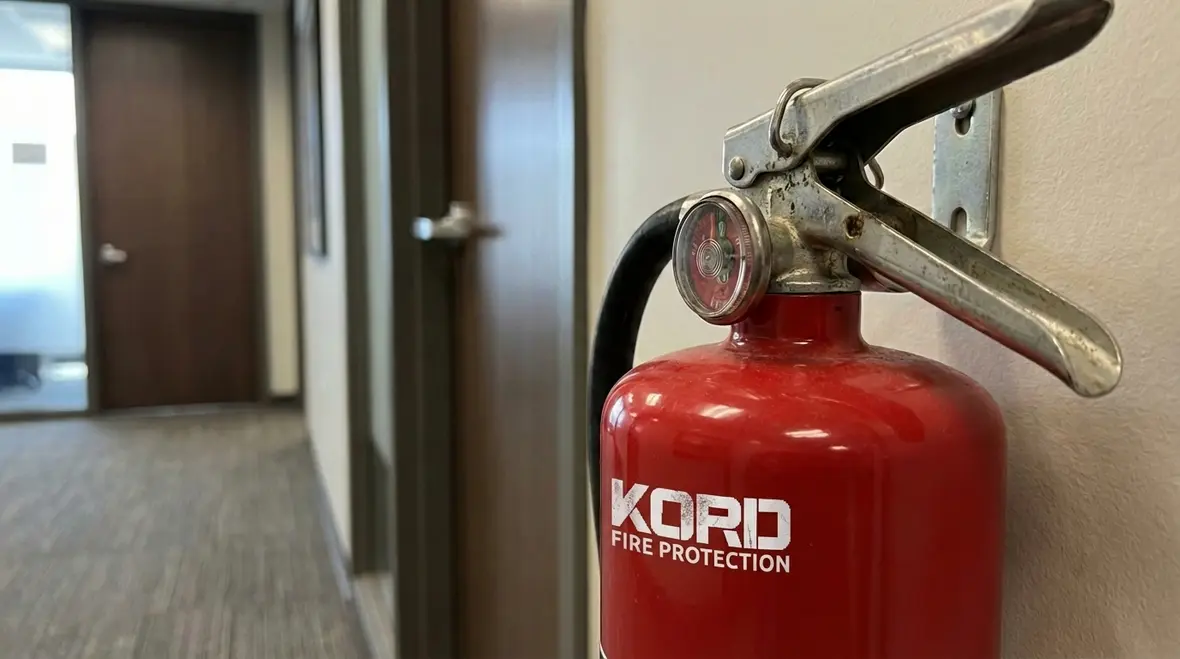
Walk into any office, warehouse, or apartment hallway and there it hangs. A red cylinder, quiet and patient, waiting for its moment. Yet many people stare at the label and silently wonder, what does 2a 10b c mean on fire extinguisher? Those letters and numbers are not random. They are a coded language that speaks volumes about safety, risk, and capability. Fortunately, Kord Fire Protection technicians explain these ratings every day, translating what looks like alphabet soup into practical, life saving knowledge.
Understanding those markings does more than satisfy curiosity. It helps property owners choose the right equipment, pass inspections, and most importantly, protect lives. So let us take a steady walk through the meaning behind those symbols, with clarity, a touch of humor, and just enough depth to make even a fire code manual feel like a good story.

Understanding Fire Extinguisher Ratings Without the Jargon
At first glance, fire extinguisher ratings can look like a secret code from a spy movie. However, they follow a logical system developed by testing agencies. Each letter represents a class of fire. Each number tells you how much firefighting power the extinguisher holds within that class.
To understand the full rating, it helps to break it into parts. Therefore, let us examine what each piece means and why it matters in real world situations.
The Letters: Fire Classes Defined
Fires do not all burn the same way. Some feed on paper and wood. Others thrive on grease or electricity. Because of this, extinguishers are labeled for specific fire classes.
Class A fires involve ordinary materials such as:
- Wood
- Paper
- Cloth
- Trash
- Plastics
These are the fires most people picture when they think of a traditional blaze.
Class B fires involve flammable liquids and gases such as:
- Gasoline
- Oil
- Paint
- Propane
These fires spread quickly and can flash if handled incorrectly.
Class C fires involve energized electrical equipment. Think wiring, circuit breakers, appliances, or server rooms humming with power.
Kord Fire Protection technicians often point out that the letter C does not describe what is burning. Instead, it indicates the presence of electricity. Once the power source is removed, that same fire may revert to Class A or B conditions.
The Numbers: Measuring Firefighting Power
Now the plot thickens. The numbers placed before the letters represent performance capability.
For Class A, the number reflects the extinguisher’s equivalent firefighting power compared to water. A 1A rating equals the effectiveness of 1.25 gallons of water. Therefore, a 2A extinguisher equals 2.5 gallons of water in terms of fire suppression capability.
For Class B, the number represents the approximate square footage of flammable liquid fire that a trained operator can extinguish. A 10B rating means the extinguisher can handle about 10 square feet of a liquid fuel fire under controlled test conditions.
Interestingly, Class C does not have a number. That is because it is based on passing electrical conductivity tests rather than fire size.
So when someone asks, what does 2a 10b c mean on fire extinguisher, the answer becomes clear. It is a multi purpose extinguisher rated for ordinary combustibles, flammable liquids, and energized electrical equipment, with specific performance strength for Class A and B fires.
Breaking Down 2A 10B C in Practical Terms
Let us bring this out of the lab and into real life.
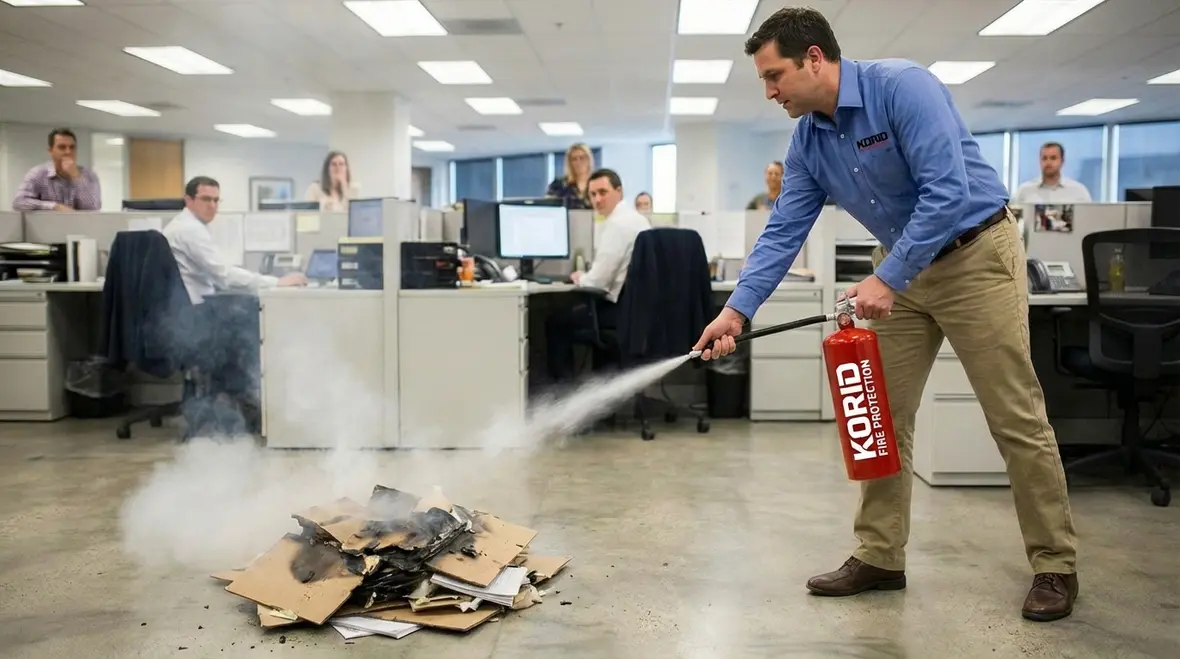
A 2A rating means the extinguisher can tackle a moderate sized trash can fire or a burning stack of cardboard boxes. It is not meant for a warehouse fully engulfed in flames. That is a job for the fire department. However, for early stage fires, it provides reliable strength.
A 10B rating means it can handle a flammable liquid fire covering roughly 10 square feet. Picture a small gasoline spill igniting in a garage. Quick action with a 10B rated extinguisher can prevent that situation from escalating into something cinematic and tragic.
The C rating means the extinguishing agent will not conduct electricity. Therefore, the user will not turn into a human lightning rod while addressing an energized panel. That alone makes it indispensable in offices, kitchens, and commercial spaces.
Kord Fire Protection technicians emphasize that timing matters. Even the best rating cannot compensate for hesitation. A properly rated extinguisher works best in the earliest stage of a fire.
Why Most Buildings Use 2A 10B C Extinguishers
There is a reason this combination appears so often. It offers flexibility. Offices contain paper and electronics. Restaurants have cooking oils and electrical equipment. Retail stores store cardboard and cleaning chemicals. In each case, multiple fire risks coexist.
Because of that, a multi rated extinguisher simplifies compliance and protection. Instead of mounting separate extinguishers for each hazard, facilities can rely on one unit that addresses common threats.
Additionally, building codes often require minimum ratings based on square footage and hazard level. Many light hazard occupancies meet code with 2A rated extinguishers spaced at approved distances. Therefore, the 2A 10B C rating often checks the right boxes without overcomplicating placement.
Kord Fire Protection technicians frequently conduct walkthroughs where they explain why a certain rating fits a space. They assess fuel loads, electrical risks, and layout before recommending equipment. It is not guesswork. It is a calculated approach to safety.

AI Style Prompt: Simple Explanation of 2A 10B C
If someone typed that prompt into a search bar or AI tool, the answer would sound something like this:
It means the extinguisher can fight three types of fires. The 2A rating shows it can handle common materials like wood and paper with moderate strength. The 10B rating shows it can control a small flammable liquid fire. The C rating means it is safe to use on electrical equipment because it does not conduct electricity.
Simple. Direct. Yet behind that simplicity lies careful engineering and standardized testing.
How Testing Agencies Determine These Ratings
Ratings are not assigned casually. Independent laboratories conduct controlled fire tests. For Class A, they build wood cribs of specific size and structure. For Class B, they ignite measured pans of flammable liquid. Trained professionals then attempt to extinguish those fires under strict guidelines.
If the extinguisher succeeds within set parameters, it earns its rating. If it fails, it does not pass. There are no participation trophies in fire safety.
Furthermore, extinguishers must meet manufacturing standards for pressure retention, discharge time, and durability. Therefore, when a 2A 10B C rating appears on a label, it represents proven performance, not marketing optimism.
Dual Column Overview of 2A 10B C Ratings
Rating Component
2A
10B
C
What It Means in Real Life
Equal to 2.5 gallons of water effectiveness for ordinary combustibles such as wood and paper
Can extinguish about 10 square feet of flammable liquid fire under test conditions
Safe for energized electrical equipment because the agent does not conduct electricity
This simple comparison helps property managers quickly understand capability without flipping through code books.
Choosing the Right Extinguisher for a Specific Space
Not every environment has the same risks. A woodworking shop carries heavy Class A hazards. An auto repair garage faces stronger Class B risks. A data center focuses heavily on electrical safety.
Therefore, while 2A 10B C units work well in many light hazard areas, higher ratings may be required in industrial settings. For example, a 4A 40B C extinguisher provides significantly more suppression power.
Kord Fire Protection technicians evaluate several factors during selection:
- Total square footage
- Travel distance to extinguishers
- Type of materials present
- Employee training level
- Local fire code requirements
By considering these variables, they ensure compliance while avoiding unnecessary oversizing. After all, bigger is not always better if it creates handling difficulties for staff.
Common Misunderstandings About 2A 10B C Ratings
Some assume that higher numbers mean unlimited power. They do not. Extinguishers are designed for early intervention. If flames reach the ceiling and alarms scream like a dramatic movie scene, it is time to exit and call professionals.
Others believe the C rating alone makes an extinguisher suitable for any electrical fire. However, once wiring insulation ignites, the fire may also involve Class A materials. That is why combination ratings matter.
There is also confusion about refill and maintenance. A rating does not guarantee reliability forever. Extinguishers require annual inspections and periodic internal maintenance. Kord Fire Protection technicians routinely remind clients that a neglected extinguisher is about as useful as a chocolate teapot. It looks impressive, but it will not survive the heat.
For a deeper dive into long term care, you can explore Kord’s guide on how often a fire extinguisher needs to be serviced, which walks through required inspection and testing timelines in detail.
Maintenance and Inspection: Protecting the Rating
An extinguisher earns its rating in a lab. It keeps that rating through proper care.
Monthly visual checks should confirm:
- The unit remains accessible
- The pressure gauge sits in the operable range
- The safety pin is intact
- No visible damage or corrosion appears
Additionally, certified technicians perform annual inspections. During these visits, they verify mechanical integrity, confirm labeling, and document compliance.
Every six years, many stored pressure dry chemical extinguishers require internal maintenance. At twelve year intervals, hydrostatic testing ensures the cylinder can safely handle pressure.
Kord’s Six Year Break Down/Tear Down and dedicated hydrostatic testing services are designed specifically to keep those 2A 10B C units code compliant and ready when it counts.
Therefore, understanding what does 2a 10b c mean on fire extinguisher is only part of the equation. Keeping that extinguisher ready completes the picture.
Training Staff to Use a 2A 10B C Extinguisher Effectively
Even the best equipment fails without confident hands. That is why training matters.
Many safety programs teach the PASS method:
- Pull the pin
- Aim at the base of the fire
- Squeeze the handle
- Sweep side to side
However, technicians stress situational awareness. Users must keep an exit at their back. They must evaluate fire size before engaging. Moreover, they should never turn their back on a fire that may reignite.
When Kord Fire Protection technicians conduct onsite training, they translate technical details into practical steps. They answer questions clearly, reinforce safety limits, and occasionally lighten the mood with a well timed joke. Because when people feel calm, they remember procedures better.
Kord also offers structured fire extinguisher training and services across California counties, helping teams turn those 2A 10B C labels into real world skills instead of wall decor.
Frequently Asked Questions
Conclusion: Confidence Through Clarity
Understanding fire extinguisher ratings transforms confusion into confidence. When building owners grasp what those numbers and letters represent, they make smarter safety decisions. Kord Fire Protection technicians stand ready to assess, explain, and equip every facility with the right protection.
Do not wait for smoke to test your knowledge. A quick review of your extinguishers, their 2A 10B C labels, and their maintenance tags today can prevent panic tomorrow.
To turn that knowledge into action, schedule a professional evaluation and service visit. Kord’s Fire Extinguisher Service & Certification team can inspect, test, recharge, and replace your extinguishers so every unit on site carries not just the right rating, but the readiness your safety plan deserves.
From small offices to large industrial sites, they offer training, tear downs, and testing tailored to your building, your people, and your risk profile.
Know Your Weapon Before You Fight the Flame
Kord Fire Protection is your go-to when it comes to all things fire protection. For over 20 years, we’ve been serving Southern California with the quality service and equipment to keep your home or business safe at all times. Our competitive prices reflect our unwavering commitment to protecting what matters most in the event of a fire emergency. Give us a call, send an email, or use that form!

Join Our Newsletter!
Get the latest fire safety tips delivered straight to your inbox From our Newsletter.


