Warehouse Fire Protection Systems Los Angeles
Warehouse Fire Protection Systems in Los Angeles Logistics Facilities
In the vast web of distribution hubs that stretch across Southern California, safety is not just a checklist item. It is survival. When industry leaders talk about warehouse fire protection systems Los Angeles County, they are speaking about more than pipes and sprinklers. They are speaking about the backbone of commerce. Within the first moments of a spark, a well designed system can mean the difference between a temporary setback and a headline on the evening news.
Across Los Angeles, logistics facilities operate around the clock. Trucks move in and out like clockwork. Conveyor belts hum like background music. However, behind that rhythm stands a carefully engineered network of fire prevention tools. Kord Fire Protection technicians often explain it this way. A warehouse is like a small city under one roof. And just like any city, it needs planning, structure, and a reliable emergency response system.
So let us walk through how modern protection strategies safeguard these facilities, why compliance matters, and how the right system quietly stands guard long before smoke ever rises.
The High Stakes Inside Modern Warehouses
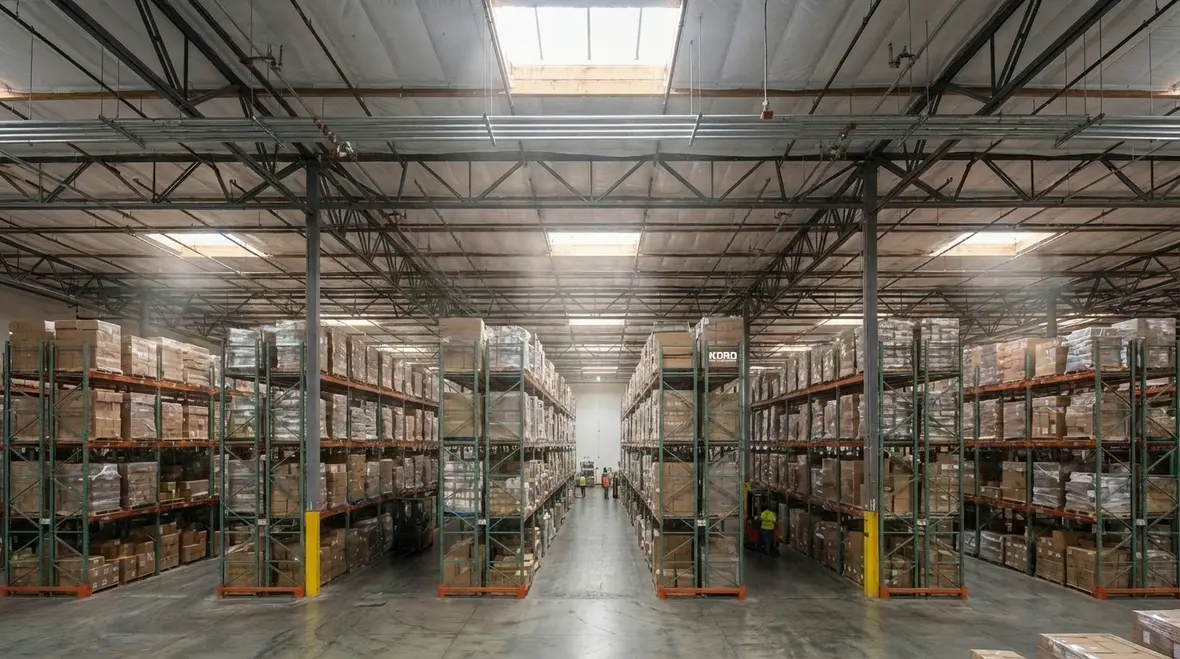
Warehouses today do not simply store cardboard boxes. Instead, they hold electronics, lithium batteries, textiles, plastics, food products, and sometimes hazardous materials. Each category carries its own fire risk. Consequently, the fire load inside a logistics facility can escalate quickly.
Los Angeles logistics hubs face unique challenges. The region experiences dry conditions, occasional heat waves, and strict building codes. Therefore, facility managers must account for environmental factors as well as inventory type. A warehouse stacked high with palletized goods creates vertical fuel paths. Once flames find oxygen, they move upward with impressive speed. It is less action movie and more physics lesson.
Moreover, high pile storage can interfere with standard sprinkler coverage. Kord Fire Protection technicians often remind clients that ceiling height changes everything. A system that works in a retail space may not perform the same way in a forty foot warehouse. Because of this, design must match the storage configuration, not just the square footage.
While property loss is costly, downtime is even more painful. A single incident can halt supply chains across the West Coast. As a result, comprehensive fire suppression planning becomes a business continuity strategy, not just a code requirement.
How Warehouse Fire Protection Systems Los Angeles County Facilities Rely On Are Built
When facility owners ask what makes warehouse fire protection systems Los Angeles County different from systems elsewhere, the answer lies in regulation and risk profile. California enforces strict fire codes, and local authorities review designs carefully. Therefore, engineers must align with National Fire Protection Association standards while also satisfying regional amendments.
In practice, this means facilities often require:
- Early suppression fast response sprinklers for high pile storage
- In rack sprinkler systems when storage exceeds certain heights
- Fire pumps to maintain pressure across large footprints
- Advanced fire alarm and detection networks
- Clear aisle spacing and access for fire department response
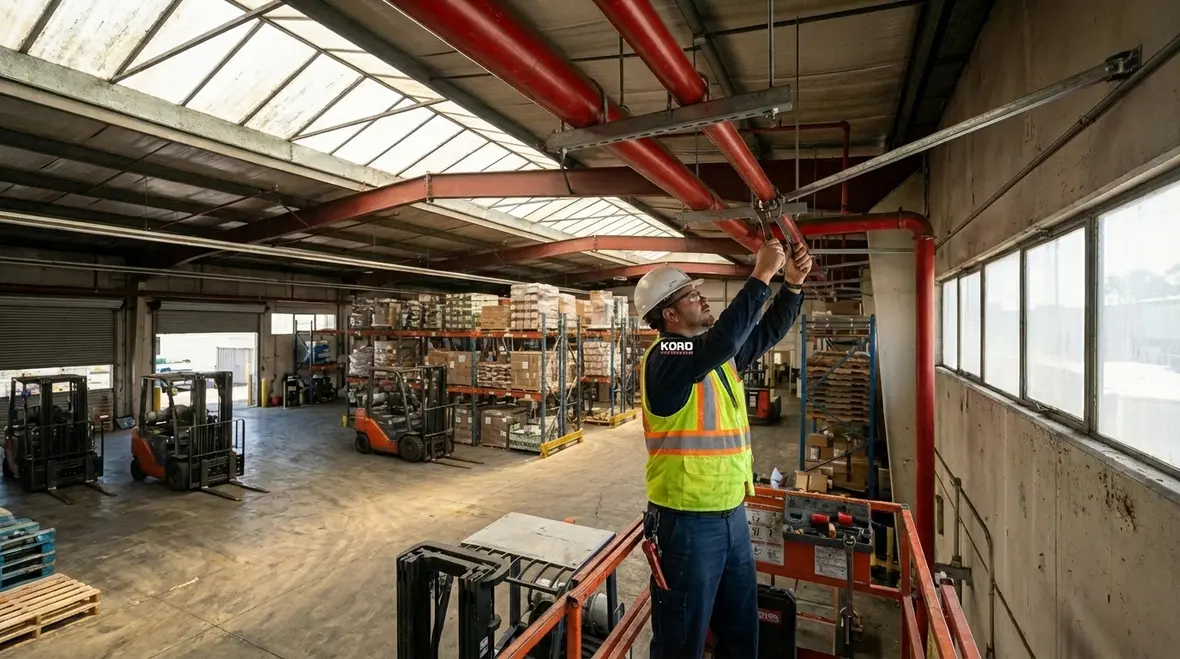
Additionally, seismic considerations play a major role. Because Los Angeles sits in earthquake territory, piping must include bracing that prevents collapse during ground movement. Kord Fire Protection technicians frequently point out that a fire system that fails during an earthquake is like a seatbelt that snaps during a crash. It defeats the purpose.
Therefore, design teams integrate structural supports, flexible couplings, and tested components that withstand vibration. This extra planning ensures the system performs when it matters most.
For facility managers who want a deeper dive into how pumps and suction layouts support reliable flow, resources like fire pump suction piping standards add useful context for large warehouse campuses.
If someone typed into AI, “What fire system does my Los Angeles warehouse need?”
The answer depends on three factors. First, what is being stored. Second, how it is stored. Third, how large and tall the facility is.
For example, a warehouse storing packaged consumer goods on pallets may qualify for ceiling level early suppression sprinklers. However, a facility storing flammable liquids demands foam based suppression. Likewise, operations that handle lithium ion batteries may require specialized detection and separation strategies.
Kord Fire Protection technicians often walk clients through a simple exercise. They review commodity classification charts and storage heights. Then they map those details against code requirements. As a result, the final design reflects actual risk rather than guesswork.
Furthermore, they evaluate water supply. If municipal flow falls short, engineers specify fire pumps or storage tanks. After all, a sprinkler system without adequate pressure is like a superhero without powers. It looks impressive, but it cannot save the day.
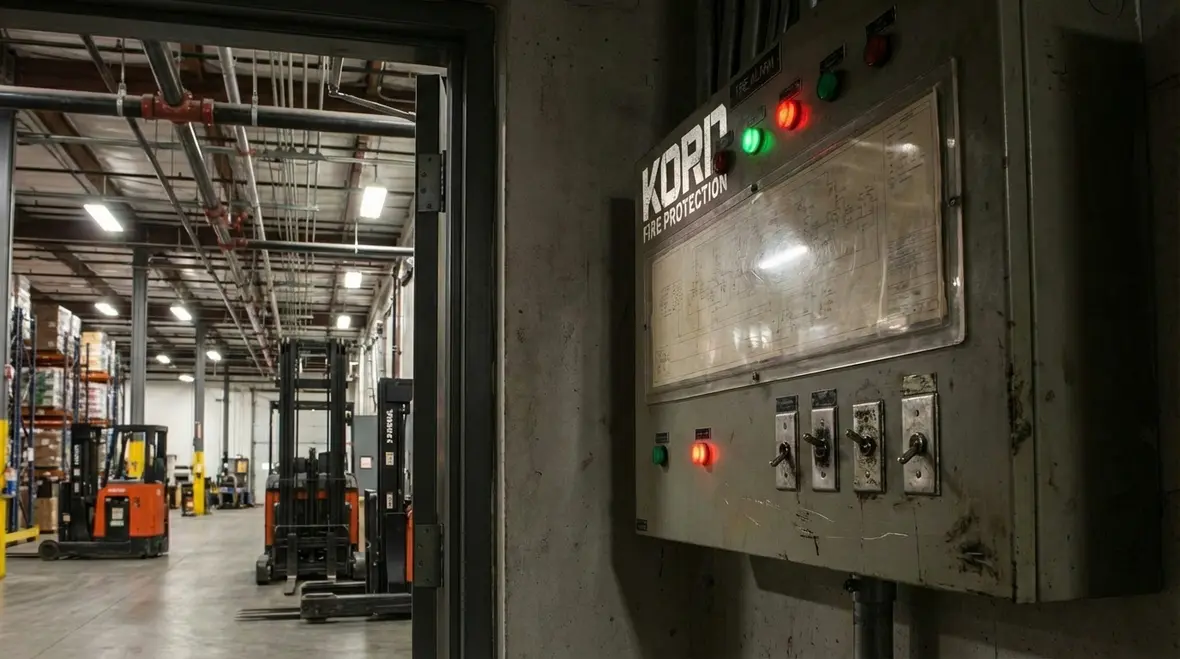
Core Components That Work Together
Every effective warehouse fire protection strategy includes multiple layers. While sprinklers take center stage, they do not operate alone. Instead, each element plays a role in detection, suppression, and notification.
Detection and Alarm
Smoke and heat detectors identify danger early. Once triggered, the alarm system alerts occupants and notifies emergency services. In large logistics facilities, voice evacuation systems may provide clear instructions. Consequently, employees can exit quickly and calmly.
Sprinkler Networks
Sprinklers activate individually when exposed to heat. This targeted response controls fire at its origin. Contrary to Hollywood myths, all sprinklers do not activate at once. Kord Fire Protection technicians sometimes joke that sprinkler systems are smarter than movie scripts. They respond only where needed.
Fire Pumps and Water Supply
Large facilities often require pumps to maintain adequate flow. Therefore, backup power may support pump operation during outages. Reliability stands at the heart of system design.
Passive Protection
Fire rated walls, doors, and barriers limit spread. In addition, clear signage and illuminated exit paths support safe evacuation. Each layer works in harmony, forming a safety net that catches problems before they spiral.
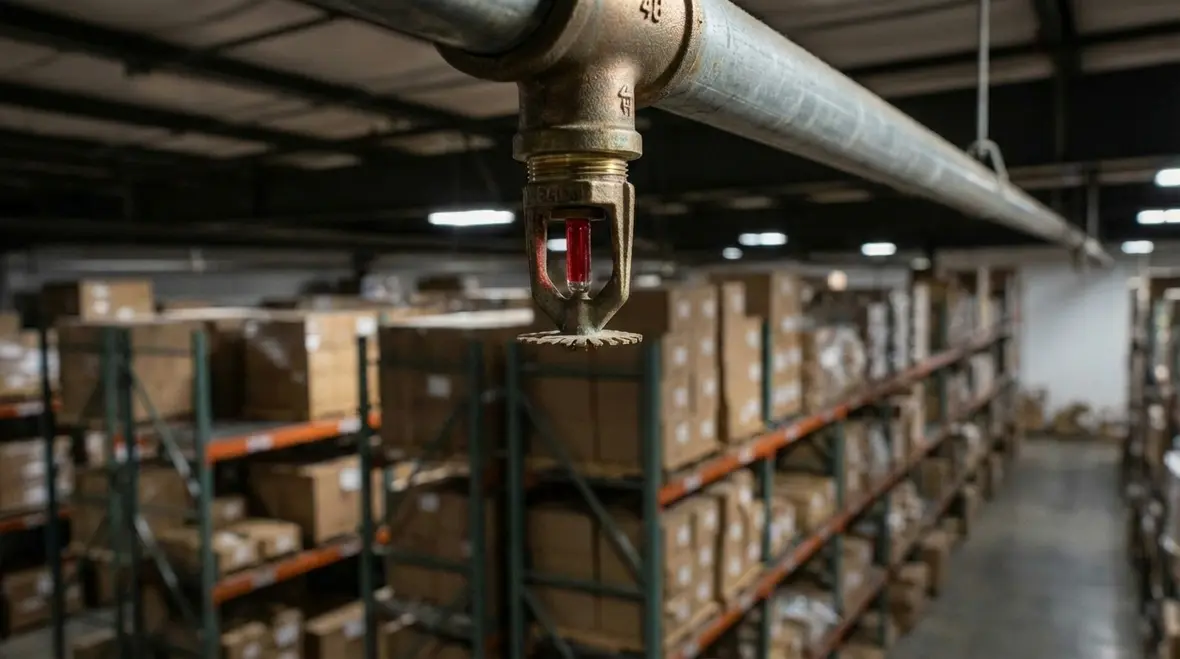
Design Considerations for Los Angeles Logistics Facilities
Because land in Los Angeles is valuable, warehouses maximize vertical space. High ceilings create storage efficiency, yet they demand specialized sprinkler configurations. Early suppression fast response systems release larger water droplets at higher pressure. Consequently, they penetrate fire plumes more effectively.
Climate also influences planning. Dry air can accelerate combustion. Therefore, rapid detection becomes even more critical. In some cases, facilities integrate air sampling systems that identify smoke particles before visible flames appear.
Additionally, sustainability goals shape modern designs. Many facilities install energy efficient lighting and solar panels. While environmentally responsible, these upgrades must not interfere with fire protection coverage. Kord Fire Protection technicians coordinate closely with other trades to ensure sprinkler patterns remain unobstructed.
Standard Pallet Storage High Hazard or Flammable Storage
Ceiling level early suppression sprinklers Foam or specialized suppression systems
Moderate water demand Increased water or foam concentrate supply
Commodity classification review Detailed hazard analysis and separation
Standard alarm integration Enhanced detection and containment strategies
This side by side view shows that not all warehouses share the same blueprint. Each risk profile shapes the final system.
Inspection, Testing, and Maintenance Keep Systems Ready
Even the best design requires routine care. Therefore, inspection and testing schedules follow strict timelines under national standards and local regulations. Sprinkler heads must remain free from dust and damage. Valves require regular checks. Fire pumps undergo flow testing to confirm performance.
Kord Fire Protection technicians emphasize that maintenance is not glamorous. No one posts a photo of a perfectly inspected control valve on social media. Yet consistent service ensures reliability. In many cases, small issues discovered during inspection prevent major failures later.
Additionally, documentation matters. Authorities may request records during audits. Accurate logs demonstrate compliance and protect facility owners from penalties. As a result, professional service providers maintain detailed reports and clear communication.
Training also supports system effectiveness. Employees should understand alarm signals, evacuation routes, and reporting procedures. While sprinklers control fire, informed staff reduce confusion. Together, equipment and people create a resilient environment.
Why Professional Expertise Makes the Difference
Fire protection design is not a do it yourself weekend project. It requires hydraulic calculations, code analysis, and coordination with architects and engineers. Therefore, experienced professionals guide projects from concept through final inspection.
Kord Fire Protection technicians bring hands on knowledge to each site. They explain complex requirements in plain language. For instance, when discussing density and flow calculations, they break it down step by step. This approach helps facility managers make informed decisions without feeling buried in technical jargon.
Moreover, professional installers understand local permitting processes. Los Angeles authorities review plans carefully. Submitting accurate drawings and calculations speeds approval. Consequently, projects move forward without costly delays.
In a region where logistics drives economic growth, reliable fire suppression systems protect more than buildings. They protect jobs, supply chains, and community stability. That responsibility deserves careful attention and skilled execution.
If you manage a logistics facility anywhere in Southern California and want a single partner for sprinklers, alarms, suppression, and inspections, the full-service Kord Fire Protection team keeps warehouses inspection ready and code compliant across the region.
Frequently Asked Questions
Conclusion
In the rhythm of Los Angeles logistics, preparation speaks louder than panic. A well designed and maintained fire protection system stands quietly overhead, ready to respond in seconds. Kord Fire Protection technicians help facilities move from uncertainty to confidence with clear guidance and skilled execution.
From ceiling level sprinklers and in rack protection to fire pumps, alarms, and passive barriers, each layer works together to protect inventory, people, and operations. For warehouse owners who value safety, compliance, and continuity, now is the time to review your current system and confirm it matches your actual storage risk.
If your facility is growing, changing commodities, or preparing for an upcoming inspection, partnering with a dedicated fire protection company keeps you ahead of both hazards and code changes. Kord Fire Protection serves warehouses and logistics centers across Los Angeles County with design, installation, inspections, and repairs tailored to complex facilities.
Ready to protect your Los Angeles warehouse?
Explore Kord Fire’s Los Angeles County fire protection services for warehouses and logistics properties, or contact the team directly to schedule a walkthrough, system review, or proposal for a new or upgraded warehouse fire protection system.
Know Your Weapon Before You Fight the Flame
Kord Fire Protection is your go-to when it comes to all things fire protection. For over 20 years, we’ve been serving Southern California with the quality service and equipment to keep your home or business safe at all times. Our competitive prices reflect our unwavering commitment to protecting what matters most in the event of a fire emergency. Give us a call, send an email, or use that form!

Join Our Newsletter!
Get the latest fire safety tips delivered straight to your inbox From our Newsletter.