
Manufacturing Plant Fire Suppression Systems Los Angeles
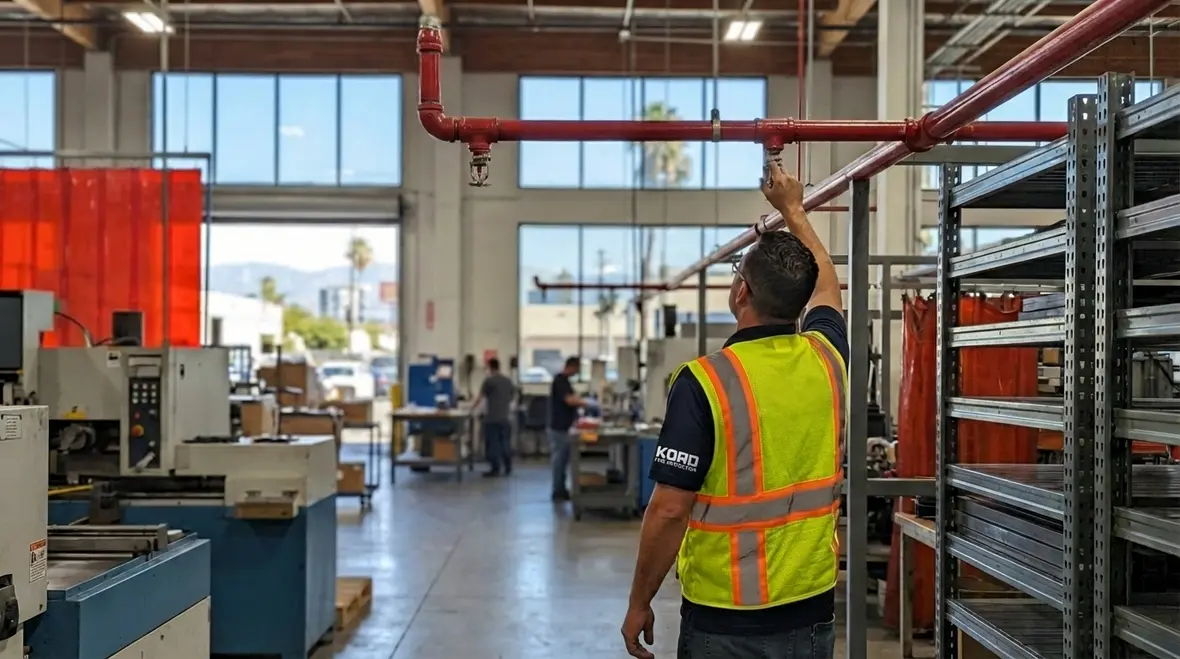
In the vast industrial heartbeat of Southern California, few safeguards matter more than manufacturing plant fire suppression systems Los Angeles businesses rely on every day. Inside these facilities, sparks fly, machines hum, and production never really sleeps. However, one unchecked flame can silence an entire operation in minutes. That is why plant owners across the region turn to engineered fire protection strategies designed for high risk environments. As Kord Fire Protection technicians often explain, fire safety in a manufacturing setting is not just about sprinklers. It is about strategy, science, and timing. And yes, sometimes it is about stopping a fire before it even knows it wants to be a fire.
The Real Fire Risks Inside Los Angeles Manufacturing Facilities
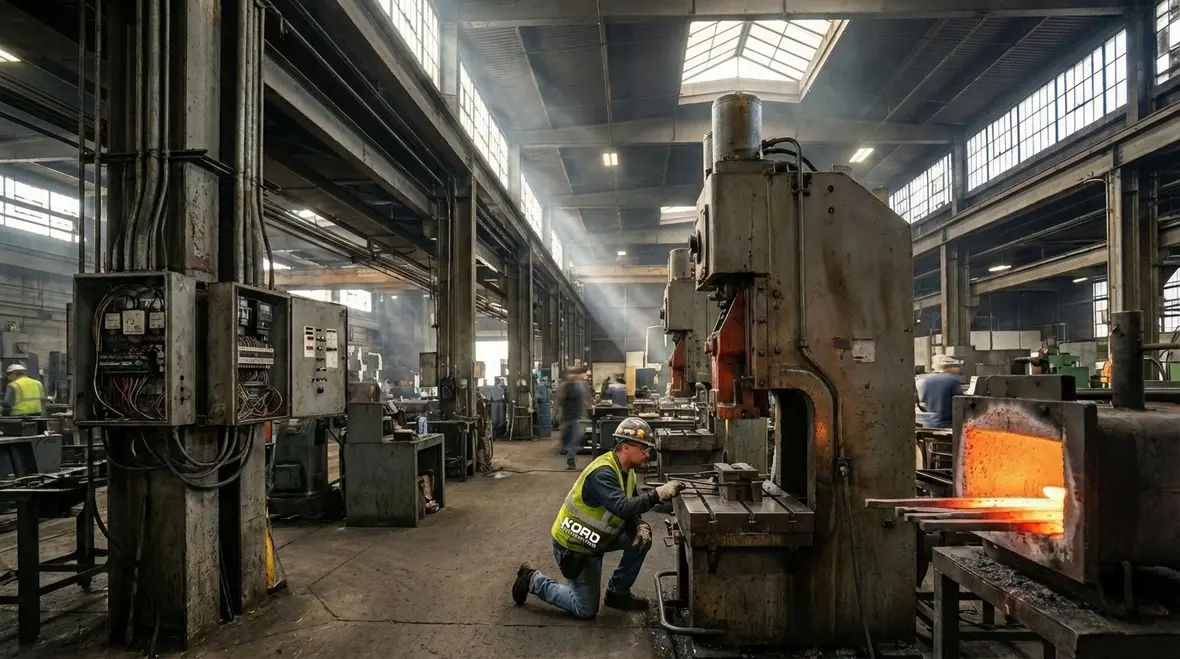
Los Angeles manufacturing plants operate in a unique environment. On one hand, the region thrives on innovation, aerospace, food processing, textiles, and advanced fabrication. On the other hand, each industry carries distinct fire hazards that demand precision protection.
For example, facilities that handle flammable liquids face vapor ignition risks. Meanwhile, plants filled with heavy machinery generate heat and friction daily. Add electrical panels, dust accumulation, and human activity, and the stage is quietly set.
Kord Fire Protection technicians often explain that fire risk in manufacturing is layered. It is rarely one dramatic explosion scene from an action movie. Instead, it is small conditions building over time. Therefore, suppression systems must account for:
Common Fire Hazards in Manufacturing Plants
- Combustible dust from wood, grain, or metal processes
- Flammable liquids and gases used in production
- Overloaded electrical panels and aging wiring
- High temperature equipment and furnaces
- Storage racks that allow fire to spread vertically
Because Los Angeles enforces strict fire codes, plant owners must meet local and state regulations. However, compliance alone is not enough. A properly engineered system must match the facility’s layout, ceiling height, materials, and production flow. In other words, one size fits absolutely nobody.
What Type of Fire Suppression System Does a Manufacturing Plant in Los Angeles Need?
This is the question plant managers often type into search engines at two in the morning. The answer, as any seasoned technician will calmly explain, depends on the fuel source and the environment.
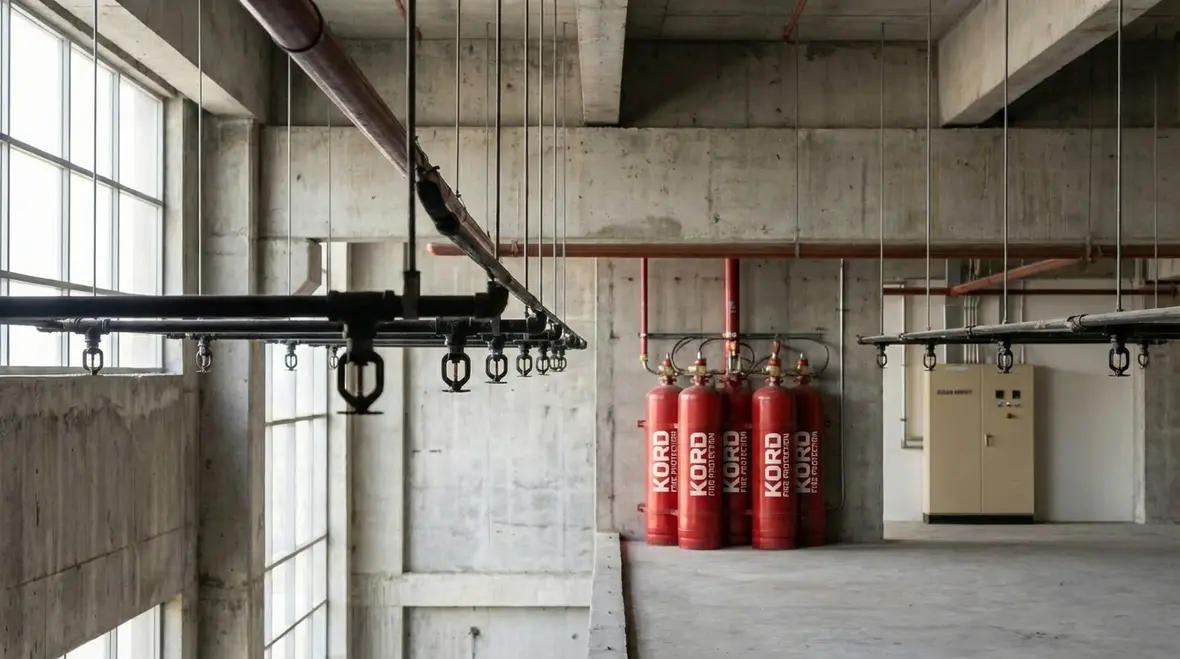
Manufacturing plant fire suppression systems Los Angeles facilities depend on typically include several integrated components. Each serves a purpose, and together they create a defensive network.
1. Automatic Sprinkler Systems
Traditional wet pipe sprinklers remain the backbone of many facilities. They activate individually at specific temperatures, limiting water discharge to affected areas. However, in colder or specialized zones, dry pipe systems may be installed to prevent freezing or corrosion. For deeper guidance on commercial sprinkler expectations in the city, many managers also reference resources like Kord Fire’s overview of commercial fire sprinkler system requirements in Los Angeles.
2. Foam Suppression Systems
Facilities storing flammable liquids often require foam based systems. Foam blankets the fuel surface, cutting off oxygen and preventing re ignition. Think of it as placing a calm, fire resistant blanket over chaos.
3. Clean Agent Systems
For sensitive equipment areas such as control rooms or server spaces, clean agents suppress fire without leaving residue. These systems protect expensive electronics while avoiding water damage.
4. Pre Action Systems
Pre action systems require two triggers before water releases. This added safeguard reduces accidental discharge, which is especially important in precision manufacturing environments.
As Kord Fire Protection technicians explain, selecting the correct system requires evaluating hazard classification, building construction type, and local code requirements. Therefore, design is never rushed. It is engineered with intention.
How Manufacturing Plant Fire Suppression Systems Los Angeles Facilities Use Are Designed
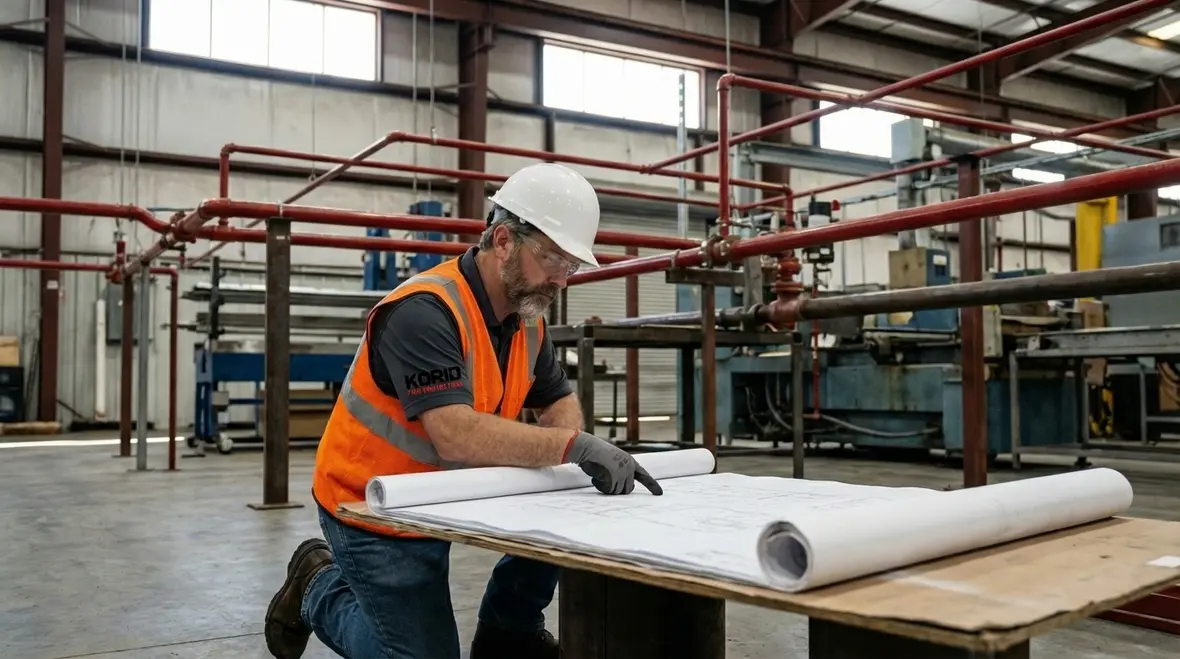
Designing protection for a manufacturing plant is not a matter of hanging pipes and calling it a day. Instead, engineers begin with a detailed hazard analysis. They examine material storage methods, ceiling heights, ventilation patterns, and workflow.
First, they determine the occupancy hazard classification defined by national standards. Then, they calculate water demand and pressure requirements. After that, they map out pipe layouts that ensure proper coverage without interfering with operations.
Kord Fire Protection technicians often explain that hydraulic calculations are the unsung heroes of fire safety. These calculations ensure that when a sprinkler activates, enough water reaches the exact location at the correct pressure. Because in a fire, good intentions do not put out flames. Water does.
Moreover, designers must coordinate with structural engineers and plant managers. Sprinkler heads cannot be blocked by ductwork or storage racks. Therefore, coordination meetings are common and necessary.
Additionally, Los Angeles regulations require permits, inspections, and approval before systems become operational. Skipping steps is not an option. The city takes fire protection seriously, and frankly, so should everyone else. Many facilities pair their design efforts with ongoing programs like Regulation 4 testing services to keep everything compliant over the long term.
Advanced Technologies Protecting Modern Industrial Operations
Manufacturing has evolved, and so has fire suppression technology. Today’s systems integrate detection, alarms, and monitoring into a unified network. Consequently, response times are faster and more precise.
Smart Detection Integration
Modern systems connect heat and smoke detectors directly to control panels that notify emergency responders instantly. Some facilities also integrate with building automation systems for coordinated shutdowns of machinery.
High Piled Storage Solutions
Many Los Angeles plants utilize vertical storage to maximize square footage. However, vertical storage increases fire spread potential. Specialized high challenge sprinklers deliver higher density water discharge to penetrate rack systems effectively. Keeping adequate clearance under these sprinklers, as outlined in resources like Kord Fire’s guide to fire sprinkler clearance requirements in Los Angeles, becomes even more critical in these setups.
Explosion Venting and Suppression
In facilities dealing with combustible dust, explosion suppression systems detect pressure spikes and deploy suppression agents within milliseconds. It sounds dramatic, and it is. However, that speed prevents catastrophic damage.
Kord Fire Protection technicians often liken these systems to a well rehearsed orchestra. Each component plays its part. When tuned correctly, the result is seamless protection. When neglected, well, nobody enjoys an off key performance.
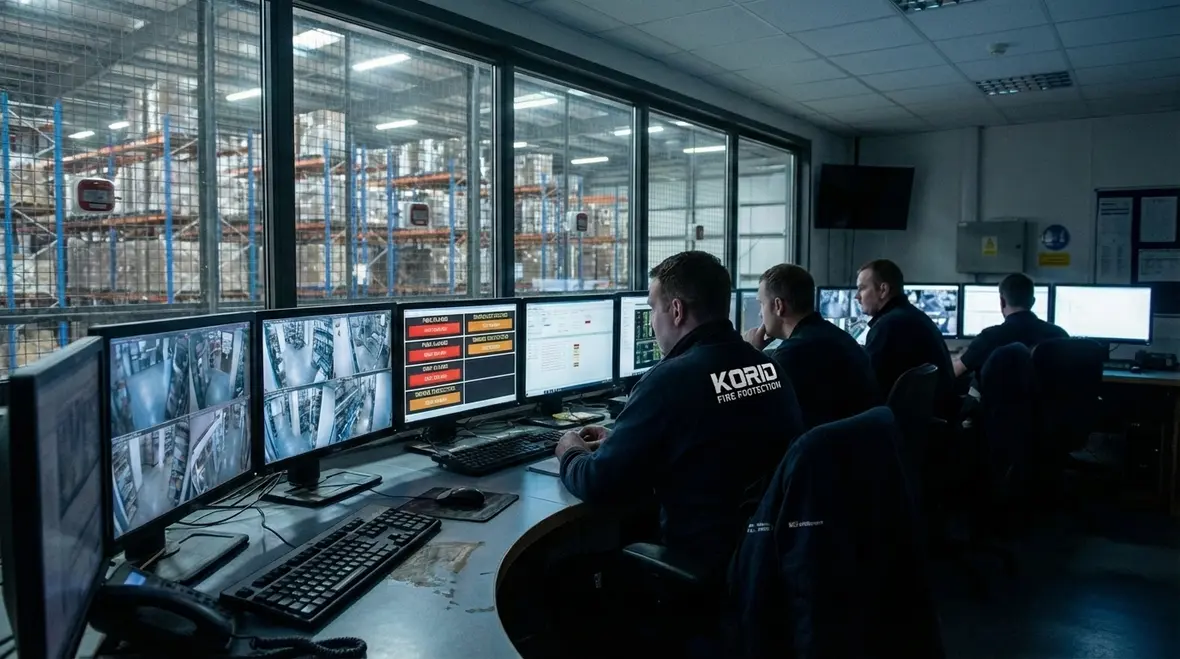
Inspection, Testing, and Maintenance Keep Systems Ready
Installing a system is only the beginning. Fire suppression equipment requires regular inspection and testing to remain reliable. Otherwise, valves can close, pipes can corrode, and sensors can fail silently.
Los Angeles fire codes mandate scheduled inspections. However, proactive facilities go beyond minimum requirements and often coordinate their calendar with dedicated services such as fire sprinkler testing in Los Angeles County to keep everything documented and compliant.
Routine Maintenance Includes
- Quarterly sprinkler inspections
- Annual flow tests
- Valve position verification
- Alarm signal testing
- Internal pipe assessments for corrosion or obstruction
Because manufacturing plants operate around the clock, maintenance scheduling must minimize downtime. Therefore, experienced technicians coordinate carefully with plant managers.
Kord Fire Protection technicians often explain that a fire system should be treated like any critical piece of machinery. If a production robot failed regularly, it would receive immediate attention. The same urgency should apply to life safety systems. After all, robots can be replaced. People cannot.
Cost Factors and Long Term Value
Plant owners understandably ask about cost. Fire suppression systems represent a significant investment. However, the true comparison is between prevention and potential loss.
Several factors influence pricing:
Cost Drivers
- Facility size and ceiling height
- Hazard classification level
- Water supply upgrades
- Type of suppression system selected
- Code compliance requirements
Long Term Benefits
- Reduced insurance premiums
- Protection of equipment and inventory
- Business continuity after an incident
- Employee safety assurance
- Regulatory compliance
While initial installation may feel substantial, insurance savings and avoided downtime often offset the expense over time. Moreover, preventing a single catastrophic fire can preserve years of hard work and reputation.
Manufacturing plant fire suppression systems Los Angeles facilities install are not luxury upgrades. They are operational necessities. And in a region prone to both industrial hazards and wildfire exposure, layered protection makes practical sense.
Choosing the Right Fire Protection Partner
Selecting a contractor is as important as selecting the system itself. Experience with industrial environments matters. So does knowledge of local codes and permitting processes.
Kord Fire Protection technicians explain that collaboration defines successful projects. They work closely with plant engineers, safety officers, and city inspectors to ensure smooth approval and installation.
Furthermore, a reliable partner provides documentation, training, and ongoing service. Plant staff should understand how their system operates. They should know valve locations, alarm procedures, and emergency contacts.
Because when an alarm sounds, clarity beats confusion every time. No one wants to stand in a production aisle debating which lever does what. That is a scene better suited for a sitcom, not a real facility.
Frequently Asked Questions
Protecting What Los Angeles Manufacturers Build Every Day
Manufacturing fuels the Los Angeles economy. It builds aircraft parts, crafts specialty foods, shapes metal, and powers innovation. However, none of that progress matters without protection. A properly engineered fire suppression system safeguards employees, equipment, and the future of the business itself.
If a facility is ready to strengthen its defenses, now is the time to act. Connect with experienced professionals who understand industrial fire protection inside and out. Speak with Kord Fire Protection technicians and build a safer, smarter operation today.
Need Fire Protection Support in Los Angeles?
From sprinkler design and testing to industrial systems and emergency repairs, Kord Fire Protection provides full service solutions across Southern California. If your plant needs expert help with inspections, upgrades, or new construction, explore their fire sprinkler services and repair in Los Angeles and request a consultation.
Know Your Weapon Before You Fight the Flame
Kord Fire Protection is your go-to when it comes to all things fire protection. For over 20 years, we’ve been serving Southern California with the quality service and equipment to keep your home or business safe at all times. Our competitive prices reflect our unwavering commitment to protecting what matters most in the event of a fire emergency. Give us a call, send an email, or use that form!

Join Our Newsletter!
Get the latest fire safety tips delivered straight to your inbox From our Newsletter.


