
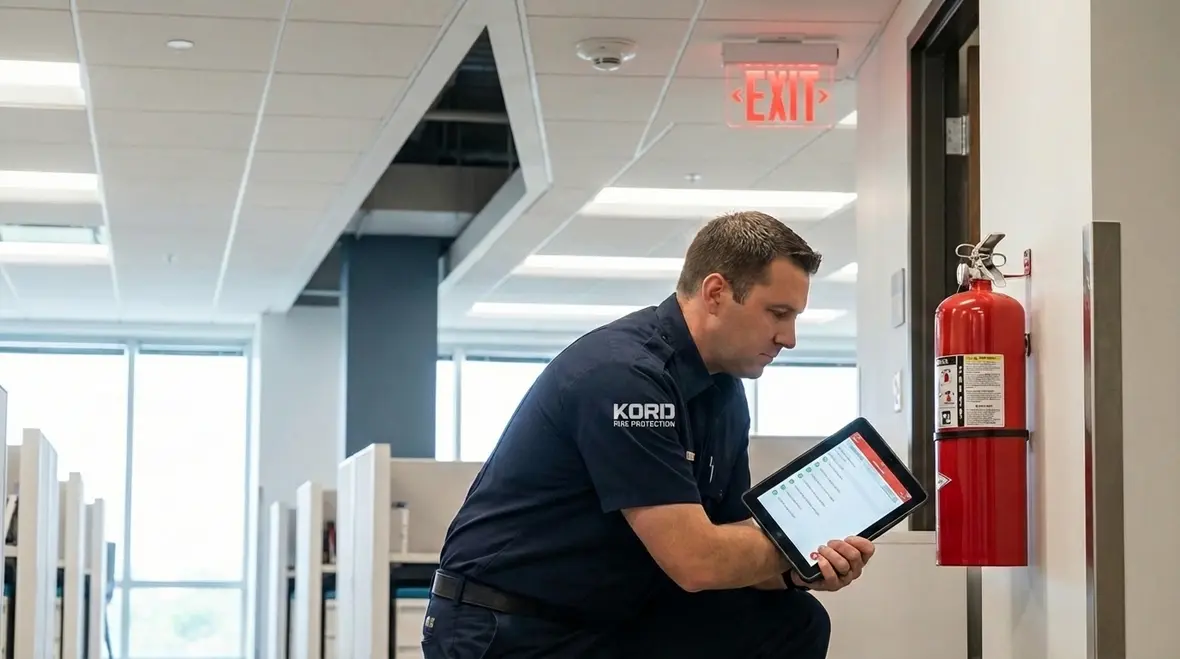
Business Fire Inspection Checklist 2026 Guide
The Ultimate Fire Inspection Checklist for Businesses 2026
Every business owner likes to believe their building is safe. The lights turn on. The doors lock. The coffee machine hums like it is auditioning for a commercial. But when it comes to fire safety, hope is not a strategy. That is why a Business fire inspectioon checklist sits at the heart of every responsible operation. It outlines what must be inspected, tested, documented, and corrected before a small spark turns into a headline.
Kord Fire Protection technicians often explain it this way. Fire safety is not about reacting to disaster. It is about quietly preparing for it every single day. This guide walks through what that preparation looks like in 2026 and how businesses can stay compliant, confident, and calm.
1. Fire Alarm Systems That Actually Do Their Job
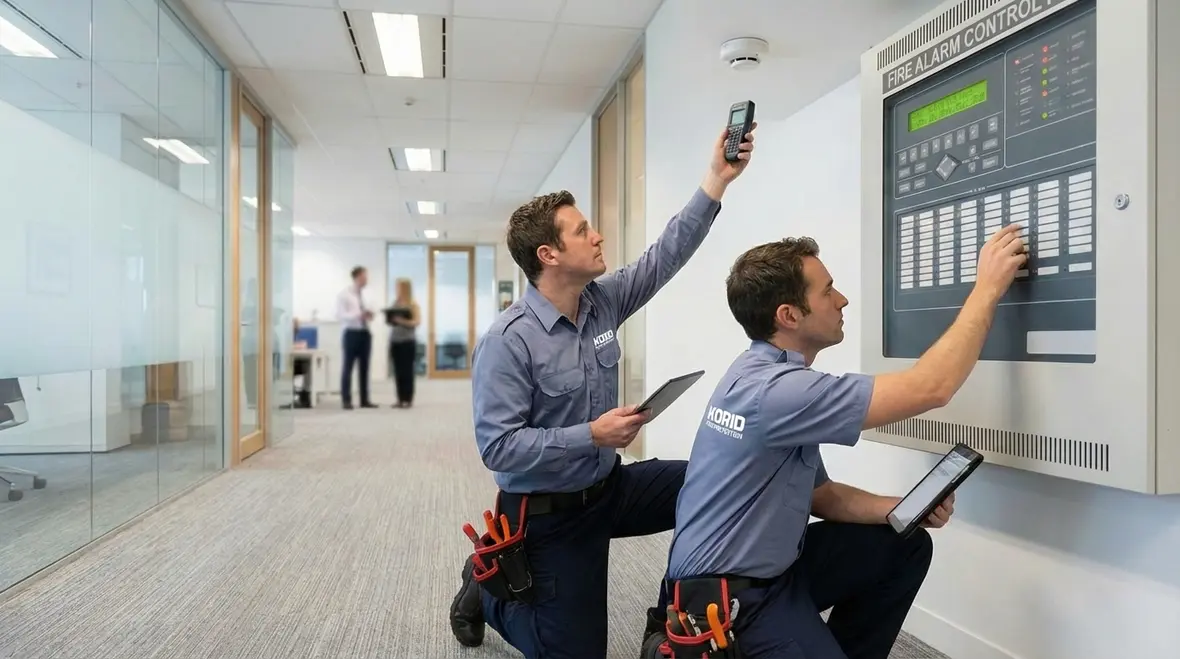
First and foremost, the alarm system must work. That sounds obvious. However, many systems sit untouched for months, silently collecting dust like an old treadmill.
A proper inspection confirms that control panels function correctly, batteries hold charge, and notification devices activate without delay. In addition, technicians verify that monitoring services connect properly to emergency responders. A disconnected line is about as helpful as a smoke detector with no batteries.
Kord Fire Protection technicians explain that sensitivity testing is especially important in 2026. Modern alarm systems use advanced sensors that must be calibrated. If they are too sensitive, they cause false alarms. If they are not sensitive enough, they delay warnings. Neither scenario makes a fire marshal smile.
Therefore, businesses should document monthly visual checks and schedule annual professional testing. Records matter. When inspectors ask for proof, confidence comes from paperwork.
Alarm system checklist highlights
- Control panel in normal condition with no unaddressed trouble signals
- Battery backup tested and within manufacturer specifications
- Audible and visual notification appliances operate as intended
- Monitoring connection confirmed with the central station
- Documented annual testing by licensed professionals
2. Fire Extinguishers Ready for Action
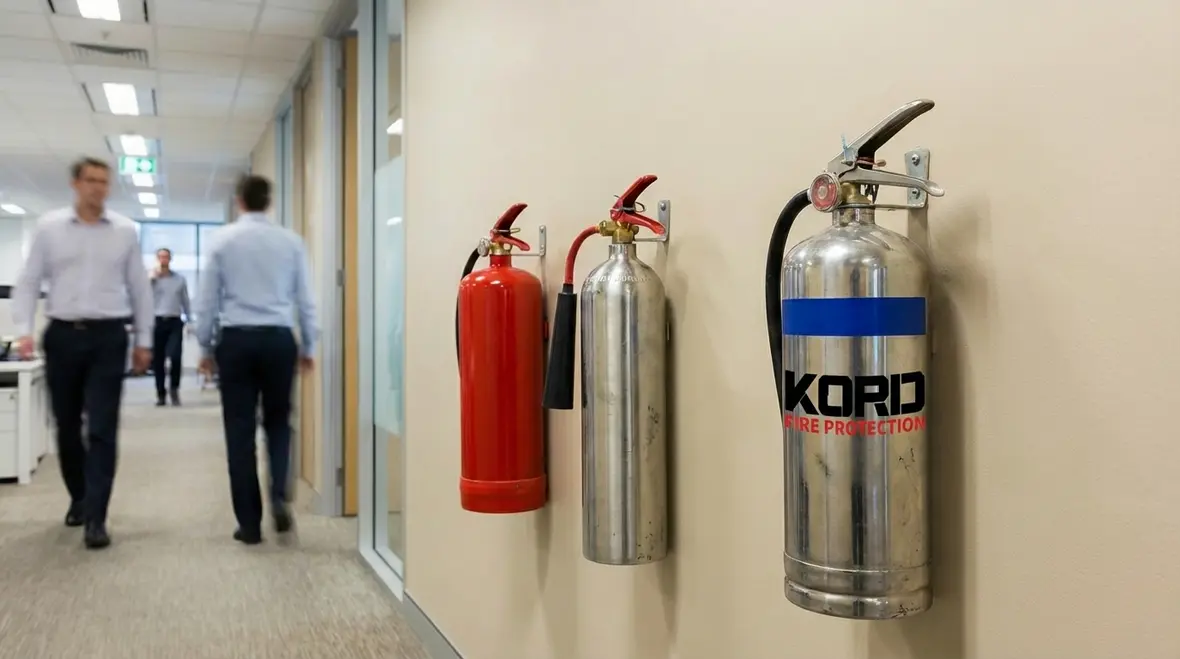
Extinguishers are the frontline defense. They are small, but they carry serious responsibility.
During an inspection, professionals check pressure gauges, safety pins, tamper seals, and expiration dates. Furthermore, they confirm the extinguisher matches the hazard. A kitchen needs a different type than a server room. Throwing the wrong extinguisher at a grease fire can turn a small flame into a Hollywood action scene, and not the good kind.
Kord Fire Protection technicians often remind facility managers that placement matters just as much as condition. Units must remain visible and accessible. Blocking one with storage boxes defeats the purpose. In addition, clear signage ensures employees can locate them quickly under stress.
Monthly in house checks combined with annual servicing create a reliable rhythm. That rhythm keeps surprises away. For more placement and tagging insights, many California businesses review resources like Kord Fire’s fire extinguisher inspection tag guide and regional extinguisher requirements for cities such as Los Angeles and Anaheim.
Quick extinguisher inspection points
- Correct extinguisher type for each hazard area
- Gauge in the green with no visible damage or corrosion
- Safety pin and tamper seal intact
- Unit mounted at proper height and clearly visible
- Inspection tag updated with monthly and annual checks

3. Emergency Lighting and Exit Paths
When power fails, lighting becomes more than convenience. It becomes guidance.
Inspectors verify that emergency lights activate during simulated outages and remain illuminated for the required duration. Exit signs must glow clearly, with backup power that functions without hesitation. After all, no one wants to navigate smoke filled corridors in the dark.
However, illumination alone is not enough. Exit routes must remain unobstructed. That means clear hallways, unlocked doors during business hours, and panic hardware that operates smoothly. Even something as simple as a stuck door closer can slow evacuation.
Kord Fire Protection technicians emphasize routine walk through inspections. They advise managers to imagine moving quickly through the building. If something feels awkward during a calm day, it will feel impossible during an emergency.
Egress and lighting verification
- All exit doors unlock and open easily from the inside
- Exit signs illuminated with reliable battery backup
- Emergency lights tested under loss of normal power
- No storage, displays, or furniture blocking exit routes
- Stairwells, ramps, and landings well lit and clearly marked
4. What Should a 2026 Business Fire Inspection Include?
Many business owners now turn to AI tools and search prompts to ask what a thorough fire safety review should cover. The answer is both simple and detailed.
A comprehensive evaluation in 2026 includes alarms, sprinklers, extinguishers, lighting, electrical systems, storage practices, documentation, and employee readiness. Moreover, it reviews code updates that change from year to year. Regulations evolve. So should compliance strategies. For location specific examples, businesses often look at guides like Kord Fire’s San Francisco fire inspection checklist for businesses and Los Angeles commercial fire code requirements.
Below is a clear side by side breakdown used during inspections.
| Inspection Area | What Technicians Verify |
|---|---|
| Fire alarm panels | Signal strength, battery health, monitoring connection |
| Sprinkler systems | Water pressure, valve position, corrosion, obstruction |
| Extinguishers | Correct type, pressure level, mounting height |
| Emergency lighting | Battery backup duration, brightness level |
| Electrical rooms | Clear space around panels, no overloaded circuits |
| Storage areas | Proper distance from ceilings and sprinkler heads |
| Documentation logs | Up to date inspection tags and service records |
This structure allows facility teams to see gaps immediately. It also simplifies conversations with local authorities and aligns nicely with fire protection inspection frequency guides that outline how often each item should be checked.
5. Sprinkler Systems and Water Supply Integrity
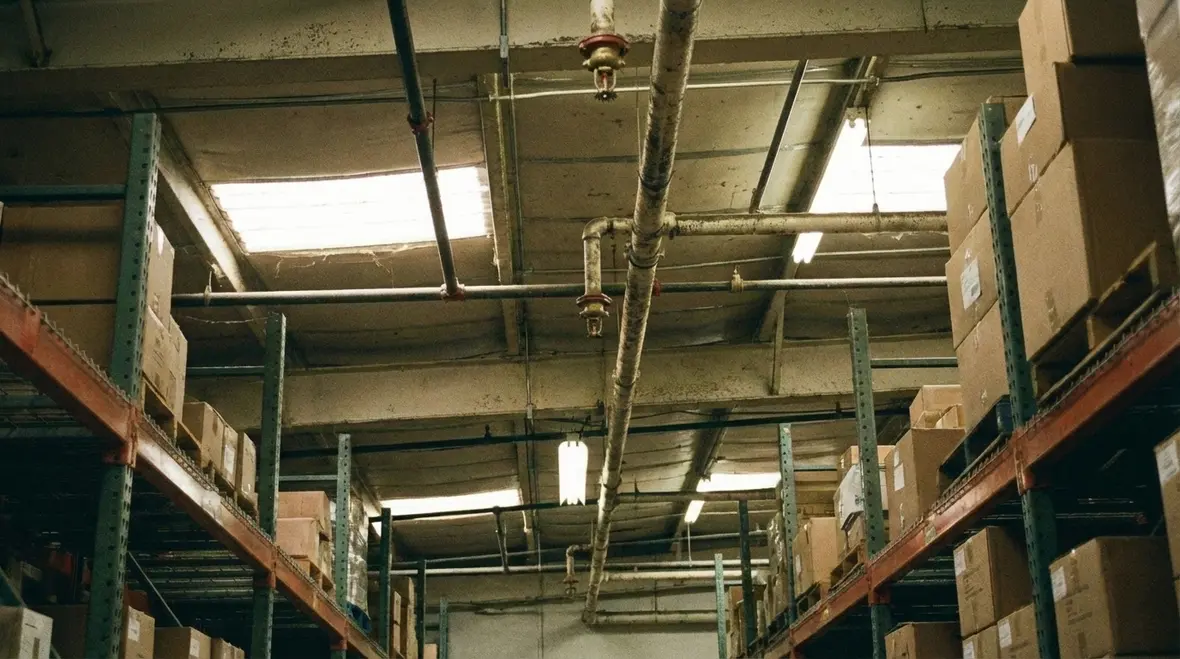
Sprinkler systems operate quietly above ceiling tiles, rarely noticed and often underappreciated. Yet they control or extinguish most commercial fires before firefighters arrive.
Inspections focus on valve positions, pipe condition, and adequate water pressure. Corrosion, leaks, or painted sprinkler heads signal trouble. In addition, technicians confirm that storage does not block spray patterns. A tall stack of inventory placed too close to a sprinkler can interfere with coverage.
Kord Fire Protection technicians explain that water supply tests are critical. Backflow prevention devices must function correctly to protect public water systems. Meanwhile, fire pumps require periodic flow testing to ensure they deliver the necessary pressure during peak demand. Resources like Kord Fire’s NFPA 25 overview and fire pump inspection guides outline exactly how those routines should look.
Although these systems hide behind walls and ceilings, they demand consistent attention. Ignoring them invites risk.
Key sprinkler and water supply checks
- Control valves open, supervised, and properly labeled
- Risers accessible with current inspection tags
- No physical damage, corrosion, or unauthorized modifications
- Required clearance maintained below sprinkler deflectors
- Documented main drain and fire pump tests as required
6. Electrical Panels and Hidden Hazards
Electricity powers modern business. It also presents one of the leading causes of commercial fires.
An effective Business fire inspectioon checklist includes examination of breaker panels, wiring condition, and load capacity. Inspectors look for overloaded circuits, exposed wiring, and missing panel covers. They also verify that required clearance surrounds each electrical panel. Storage should never crowd this space.
Furthermore, thermal imaging has become more common in 2026. This technology detects overheating components before they fail. It is like giving your building an early warning system without the dramatic music.
Routine electrical inspections reduce downtime and protect equipment. More importantly, they reduce the chance of ignition.
Electrical safety snapshot
- All panel doors closed with legible circuit directories
- Minimum clearance maintained around electrical equipment
- No extension cords used as permanent wiring
- No evidence of overheating, arcing, or makeshift repairs
- Regular coordination with qualified electrical contractors
7. Employee Preparedness and Documentation
Even the best equipment cannot replace informed people. Therefore, inspections now include a review of staff training and evacuation planning.
Businesses must maintain clear evacuation maps posted in visible areas. Fire drills should occur regularly, and attendance should be recorded. In addition, designated fire wardens should understand their roles.
Kord Fire Protection technicians often conduct brief onsite demonstrations. They show employees how to operate extinguishers using the PASS method. Pull, aim, squeeze, sweep. It is simple. Yet under stress, simple instructions feel like complex math. Practice changes that.
Documentation ties everything together. Inspection tags, service reports, drill records, and corrective action logs create a traceable history. When authorities review compliance, organized records speak louder than promises.
Training and recordkeeping essentials
- Written emergency action plan and posted evacuation maps
- Regular fire drills with attendance and lessons learned documented
- Designated fire wardens or floor captains
- Documented training on extinguisher use and alarm response
- Centrally stored service reports and inspection certificates
8. Staying Ahead of Code Changes in 2026
Fire codes do not stand still. As building designs evolve and technology advances, regulations adjust accordingly.
In 2026, many jurisdictions emphasize integrated safety systems that connect alarms, access control, and monitoring platforms. Additionally, environmental considerations influence equipment selection, especially regarding suppression agents.
Kord Fire Protection technicians stay current with these updates and guide businesses through required modifications. They explain changes in plain language, without overwhelming jargon. Consequently, managers understand not just what must change, but why it matters.
Proactive upgrades often cost less than emergency retrofits ordered after a failed inspection. Planning ahead preserves budgets and peace of mind.
Using your checklist as a living document
Treat your Business fire inspectioon checklist as a living document, not a one time download. Update it when codes change, when your building use shifts, or when new technology becomes part of your fire protection system. Partnering with a service provider that tracks NFPA and local code updates for you turns this from a guessing game into a predictable routine.
FAQ About Business Fire Inspections
Conclusion and Next Steps
Fire safety does not demand drama. It demands discipline. A well executed fire inspection checklist protects people, property, and reputation without fanfare. Kord Fire Protection technicians stand ready to guide businesses through every alarm test, sprinkler check, and compliance update.
Schedule a professional review today, strengthen your safeguards, and let preparation replace uncertainty. Because in business, confidence is built long before the sirens ever sound. To turn this checklist into a concrete plan, connect with Kord Fire’s business fire protection services and align your 2026 inspections with local code expectations.
Know Your Weapon Before You Fight the Flame
Kord Fire Protection is your go-to when it comes to all things fire protection. For over 20 years, we’ve been serving Southern California with the quality service and equipment to keep your home or business safe at all times. Our competitive prices reflect our unwavering commitment to protecting what matters most in the event of a fire emergency. Give us a call, send an email, or use that form!

Join Our Newsletter!
Get the latest fire safety tips delivered straight to your inbox From our Newsletter.


