Commercial Sprinkler System Longevity with Proper Maintenance
Keeping a commercial sprinkler system longevity strong is not luck and it is not a “set it and forget it” deal. When the system sits in the background, it still does a lot of work, mostly invisible work, until the day it suddenly has to perform. That is why building owners, facilities managers, and safety teams should treat sprinkler care like a real business process. And yes, Kord Fire Protection technicians explain it clearly: strong maintenance habits, smart water management, and clean inspections are what keep those pipes, valves, and heads ready. In this guide, third person steps through the essential strategies that protect performance, reduce costly failures, and help commercial sprinklers last for years instead of acting like a finicky guest at a party.
Start with the right inspection plan for dependable performance
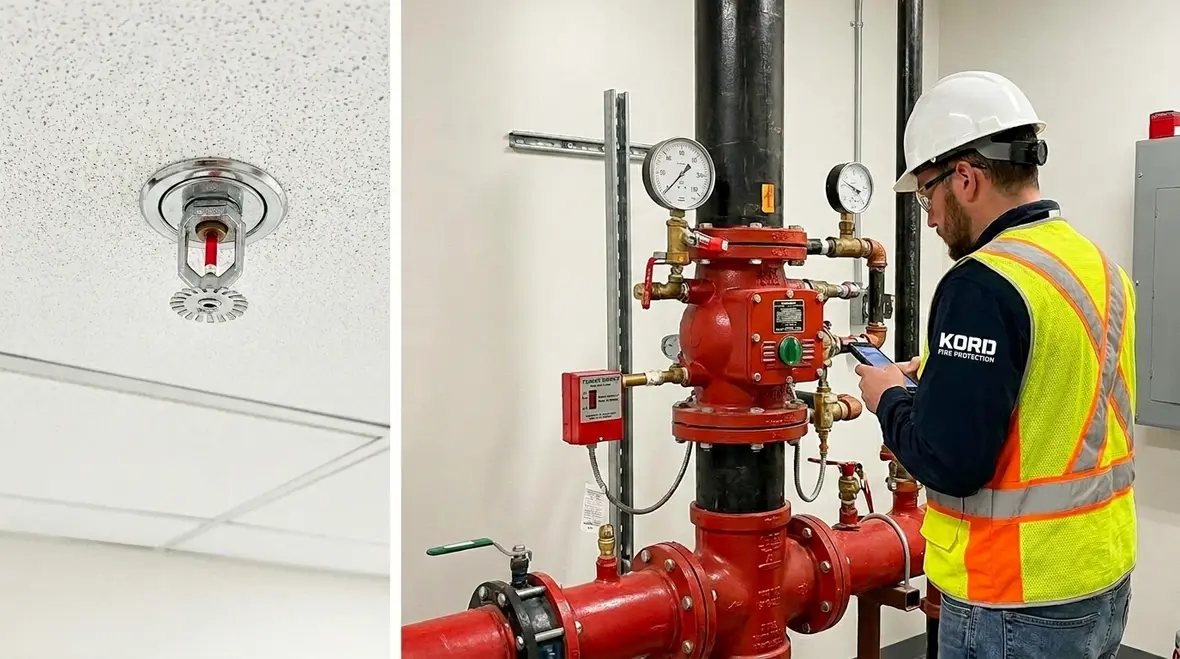
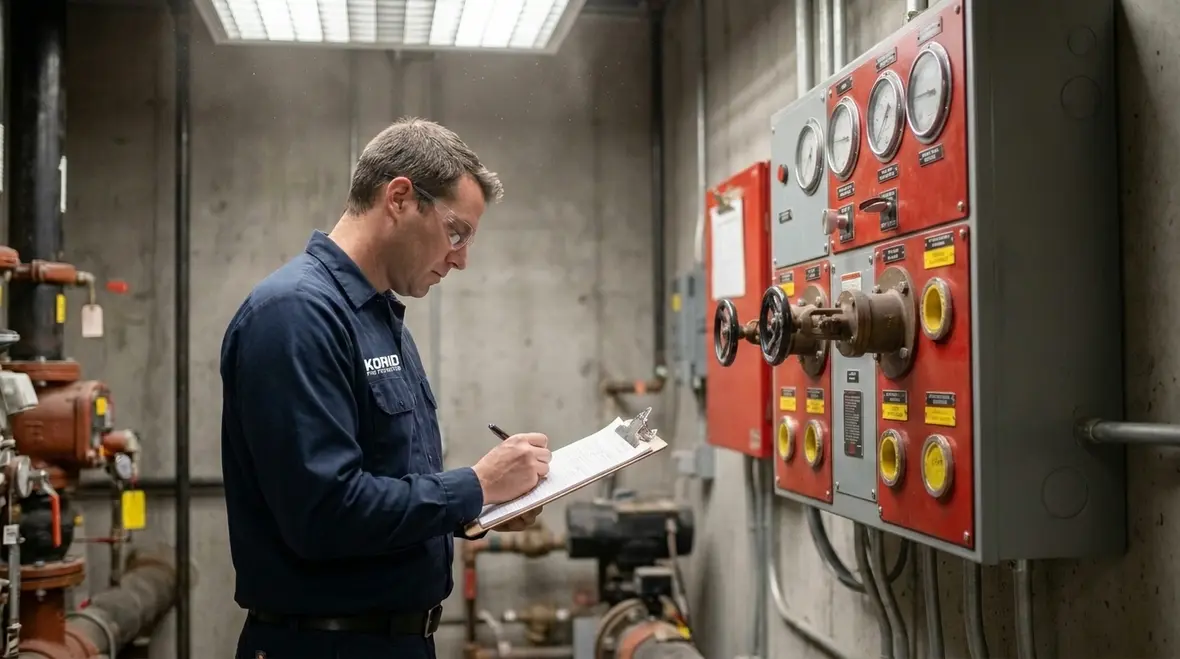
A solid inspection schedule creates momentum and it helps avoid last minute surprises. First, the owner should confirm the system type, layout, and water supply details with the local fire code requirements. Then, the owner should lock in a plan for recurring checks of control valves, gauges, drains, tamper switches, and any water flow indicators. In addition, the team should document findings in a simple log that tracks dates, results, and repair actions.
During walkthroughs, Kord Fire Protection technicians often look for the quiet signs of trouble, like seized valve components, damaged detection areas, or sprinkler heads that have been bumped during maintenance or storage changes. If the system has a history of false alarms, the plan should also include root cause review, not just quick resets. Because when people treat signals like nuisance noise, the system becomes harder to trust.
Why routine inspection planning actually extends system life
Inspection plans do more than satisfy paperwork. They reduce wear caused by unnoticed leaks, misaligned valves, and neglected supervisory devices that can quietly drag down reliability month after month. A documented routine also helps the next technician see trends instead of isolated issues. When a gauge drifts a little every quarter, or a valve keeps needing attention, the pattern matters. Longevity usually comes from noticing the boring stuff before it becomes very exciting in the worst possible way.
Use water flow and pressure data to prevent hidden damage
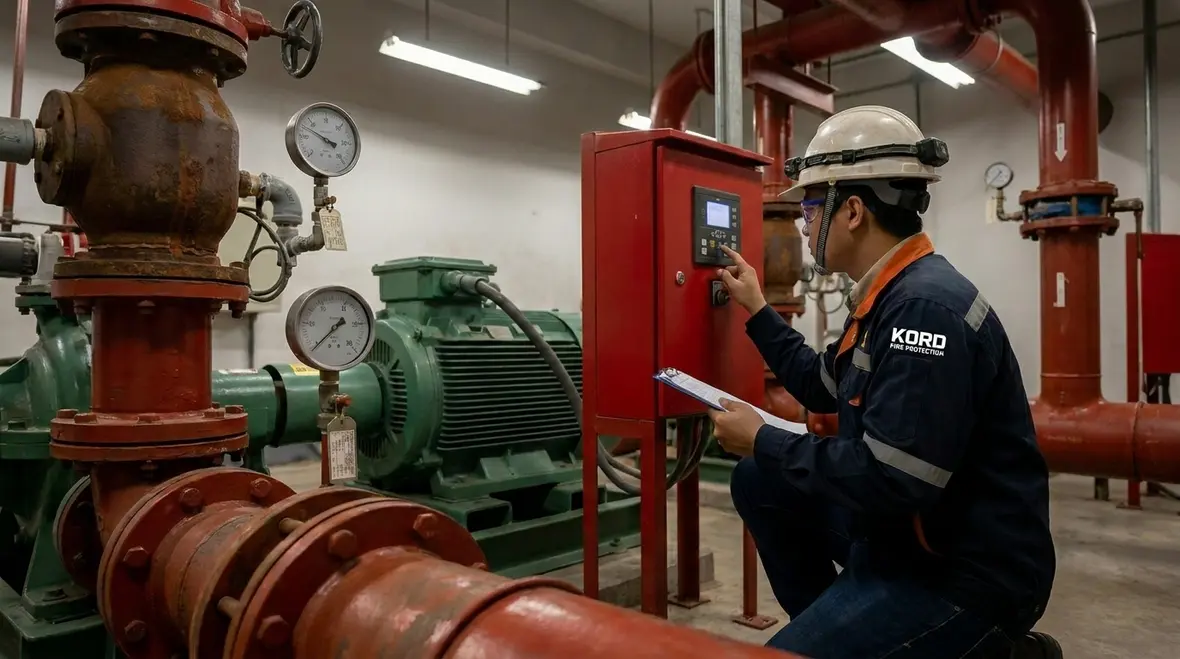
Commercial sprinklers depend on water delivery. So, even when heads look fine, poor flow or pressure can quietly steal reliability over time. Therefore, the responsible team should review recent pump tests, water supply reports, and pressure readings. If the system uses fire pumps, the pump room needs attention as well, including condition checks on seals, controllers, gauges, and power connections.
Furthermore, water quality matters. Sediment and mineral buildup can reduce flow, trigger corrosion, and cause partial blockage in pipes. In that case, the owner should schedule flushing based on the system design and local guidance. Kord Fire Protection technicians also explain that hydrant tests and water main changes can affect performance, so the owner should recheck data after major utility work. Think of it like updating the recipe after the oven gets hotter. Same meal, different results.
What teams should review when water conditions change
Water supply is not static just because the building address stays the same. Utility work, seasonal demand shifts, nearby development, and internal building modifications can all influence what the sprinkler system receives. Reviewing pressure trends, pump performance, inspector’s test results, and visible signs of sediment gives owners a clearer picture of long term health. It also supports smarter decisions about repairs, flushing, and whether the system still matches the real conditions it is expected to handle.
For properties that also rely on monitored alarm performance, related coordination matters too. Signal delays, supervisory issues, and system impairments all become easier to manage when teams understand how connected systems work together. That is why it helps to review related guidance from Kord Fire Protection on how fire alarm monitoring improves response time, especially when sprinkler events and alarm notifications need to stay in step.
Keep sprinkler heads clean and protected during daily operations
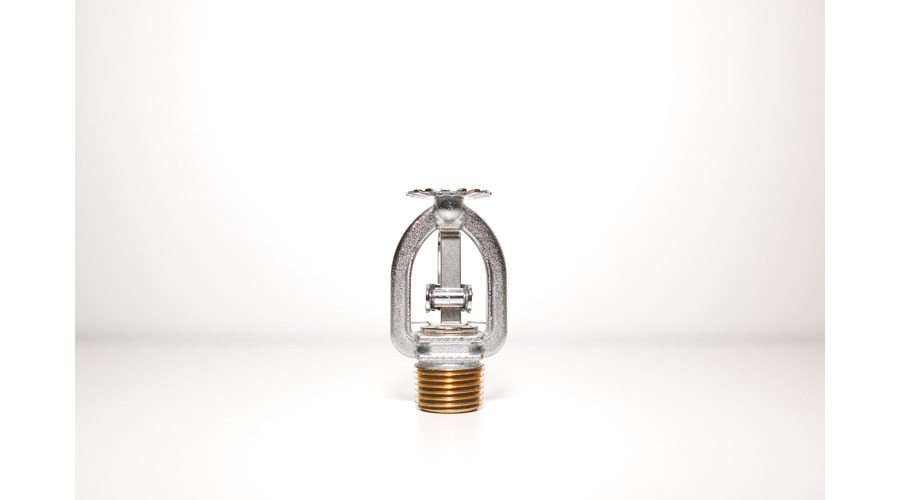
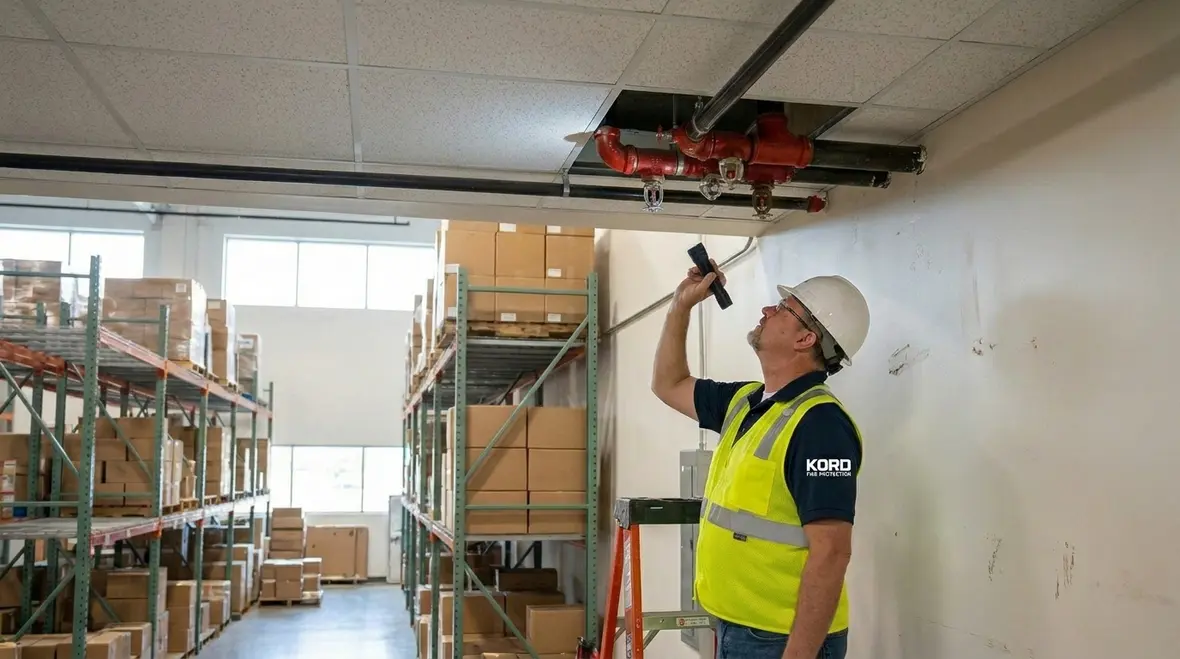
Sprinkler heads often survive until someone changes the environment around them. While painting, installing ceiling tiles, moving racks, or adding signage, teams can accidentally damage heads or cover them. Consequently, the owner should set clear internal rules for work crews. Storage and materials should stay clear of sprinkler zones, and any ceiling modifications should include a review of head locations.
Moreover, cleanliness supports function. Heads should not collect dust in a way that blocks discharge patterns, and they should not be painted unless the system design allows it. A quick inspection during routine tours can catch issues early, like crooked escutcheons, missing caps, or signs of heat exposure. If anything looks off, Kord Fire Protection technicians recommend reporting it right away rather than waiting for the next scheduled service. Waiting is popular, like binge watching a show, but it rarely pays off with life safety systems.
Daily operations create more sprinkler risk than most people expect
The system may be professionally designed, but the day to day environment is where many avoidable problems start. A forklift clips a branch line. A painter gets enthusiastic. A new sign blocks discharge. A storage manager stacks inventory higher than yesterday. None of these choices look dramatic in the moment, yet each one can reduce performance. The fix is usually simple: train staff, involve maintenance supervisors early, and make sprinkler clearance part of everyday housekeeping instead of a forgotten rule posted somewhere behind a filing cabinet.
Control corrosion with the right drain, valve, and pipe care
Corrosion and buildup form in parts that see moisture and limited flow. That includes drains, inspector test connections, alarm valves, and portions of the piping network. To improve commercial sprinkler system longevity, the owner should keep valves in good working order and ensure the system can be fully drained and properly cycled when required.
Also, the team should watch for water residue and leaks around fittings. Small leaks can lead to bigger issues, such as valve malfunction or damage to nearby surfaces, which then complicates future service. Proper sealing, tightening, and replacement of worn components should happen based on inspection results, not on guesswork.
Kord Fire Protection technicians often stress that corrosion control is not only about pipes. It is also about supporting devices like strainers and check valves that keep water clean and flow stable. When those parts fail, the system may still “look” intact, yet it might not behave as expected under heat.
Prevent system downtime by managing impairments and upgrades
Sprinkler downtime usually occurs during renovations, tenant changes, or major construction. Therefore, the owner should manage impairments with a clear process. That process should include formal permits, timed notifications, and coordination with the fire alarm team, security team, and local authorities. The goal is to keep risk low while work happens.
In addition, upgrades can strengthen performance when they match the building’s current needs. For example, if a facility expands into new storage areas, the sprinkler coverage may need updates. If occupancy type changes, the design criteria might also change. This is one place where “close enough” becomes a costly myth.
Here, Kord Fire Protection technicians recommend treating changes like a chain. If one link breaks, the whole system suffers. A renovation can affect hydraulic calculations, water demand, and even how heads discharge, so the team should review the system, not just the ceiling plan.
Upgrades should match present use, not old assumptions
One of the sneakiest threats to longevity is keeping yesterday’s design for today’s building use. Expanded storage, new equipment, changed layouts, and tenant improvements can all push the system into conditions it was not originally arranged to protect. Reviewing these changes early reduces unplanned downtime and helps avoid the awkward moment when everyone discovers the fire protection plan was based on a building that no longer exists in practice.
Schedule maintenance that matches the system type and environment
Not all commercial sprinkler systems behave the same. Wet pipe systems, dry pipe systems, preaction systems, and antifreeze systems need different care routines because their components face different stress. So, the owner should schedule maintenance based on system type, climate, and use patterns.
For instance, dry and preaction systems need close attention to air pressure, supervisory signals, and release mechanisms. Antifreeze systems require temperature checks and freeze protection review. Wet systems still need valve checks and flow testing, but the emphasis may shift slightly toward corrosion control and water quality.
At the same time, the environment changes the maintenance needs. Dusty plants, warehouses with forklift traffic, and kitchens with heat and steam all create different risks for heads, valves, and piping. A strong maintenance approach uses those facts to adjust service frequency and method.
Owners who want a broader refresher on system categories and how they function can also review Kord Fire Protection’s fire sprinkler overview and system guide. It pairs well with maintenance planning because longevity starts with understanding what type of system is actually in place and what kind of stress it naturally carries over time.
Train teams and use clear documentation to make safety routine
Documentation and training help people make correct decisions under pressure. First, the owner should ensure facility staff understand where isolation valves sit, how to recognize supervisory trouble, and who to call for after hours emergencies. Training should also cover what not to do, such as closing valves without approval or attempting repairs without proper credentials.
Then, the owner should maintain a current set of “as built” plans, inspection records, and system updates. When the next service visit arrives, technicians should have the same truth the system has. If plans are outdated, the crew might waste time tracing changes that happened last year, like looking for a missing remote in a couch that does not have pockets.
Kord Fire Protection technicians often help teams standardize this process so staff can respond quickly and correctly. When documentation is clear, inspections run smoother, and commercial sprinkler system longevity becomes an outcome of good habits, not a hope.
Good records reduce confusion, delays, and repeat mistakes
A current record set helps everyone move faster. Service providers spend less time hunting for hidden valves or tracing undocumented remodels. Managers can verify what was repaired, what is recurring, and what needs budget attention next. Staff also gain confidence because emergency steps are not being invented on the fly. That combination of training and documentation may not feel glamorous, but neither does replacing piping early because no one wrote down what kept going wrong.
FAQ
Conclusion: protect reliability now, not after a problem
Commercial sprinkler systems work best when owners treat maintenance as a planned business function. By setting an inspection schedule, managing water pressure and water quality, protecting heads during operations, controlling corrosion, and handling impairments with discipline, the system stays ready for duty. Kord Fire Protection technicians help teams follow best practices and document updates so performance stays dependable.
If your building needs a review or a maintenance plan, contact Kord Fire Protection today and explore their fire sprinkler system service for inspections, repairs, corrosion management, and ongoing support. For teams that want broader support across systems, Kord Fire Protection also offers full fire protection services designed to keep facilities compliant, ready, and much less likely to surprise anyone at the worst possible moment.

Join Our Newsletter!
Get the latest fire safety tips delivered straight to your inbox From our Newsletter.