Standpipe System Electrical Monitoring for Reliable Uptime
Quick Answer: Modern standpipe installations need more than pipes and pumps. They require smart monitoring to track power, pump status, valve position, pressure, and alarm health. With Standpipe system electrical monitoring, operators catch faults early, reduce downtime, and stay compliant. Kord Fire Protection can support these jobs with expertise and service that does not wait for disaster.
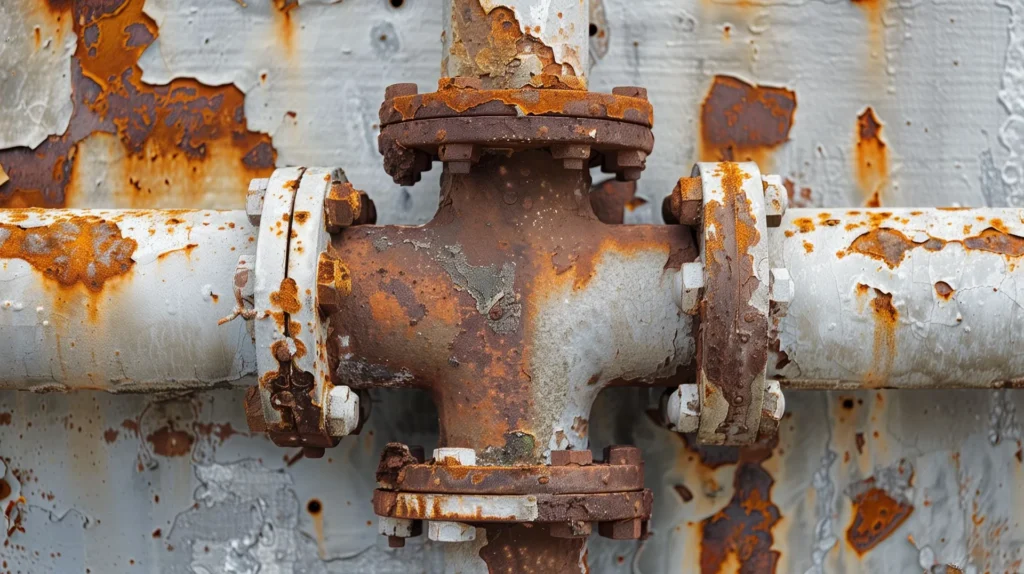
Standpipe systems do not fail in a dramatic way; they fail in a quiet, boring way. A cable connection loosens. A pump starts to draw too much current. An alarm channel stays “almost” healthy. Then, when the building needs it most, everything moves at the speed of regret. That is why Standpipe system electrical monitoring belongs at the center of modern installations. It watches the electrical side of the standpipe system so teams can spot abnormal trends before they become active incidents.
For facilities that rely on dependable fire protection performance, it also helps to pair monitoring with a properly scoped standpipe systems Class I II III service. That way, the system is not just installed; it is supported by a team that understands how design, electrical supervision, and long term readiness all fit together. ([kordfire.com](https://kordfire.com/standpipe-system-requirements-and-how-it-works/?utm_source=openai))
In Australia, where industrial sites, retail centers, and multi tenant facilities keep demanding higher uptime, monitoring turns a standpipe from a static asset into a managed protection system. And because life is too short for last minute fixes, a capable partner like Kord Fire Protection can help plan, verify, and maintain the system after commissioning. Think of them as the calm voice on site saying, “We checked it, and yes, it will work.”
Standpipe monitoring that prevents downtime before it starts
Effective monitoring focuses on detection, not just reaction. Therefore, teams should treat the electrical monitoring layer as an early warning system. Instead of waiting for a test that runs once or twice a year, monitoring provides continuous visibility, so maintenance staff can plan repairs during normal hours.
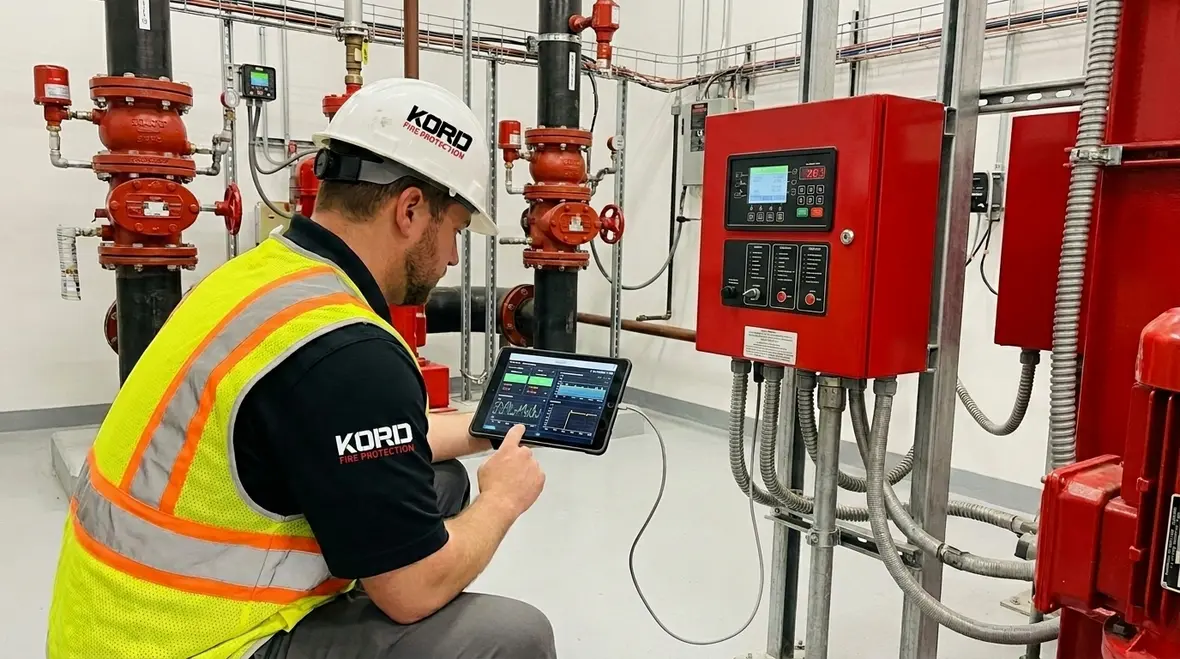
For example, electrical monitoring can track pump controller behaviour, sensor feedback, and circuit health. If the system detects irregular current draw, unstable output, or loss of expected input signals, it alerts the responsible team. Consequently, corrective action can occur before the pump performance falls below the acceptable range.
And yes, it saves time. Anyone who has ever chased a “mysterious” fault near the end of the day knows the feeling. It is like looking for a single missing sock in a laundry machine. You can spend hours, and the sock still hides like it pays rent.
What electrical monitoring should include from day one
During a standpipe installation, monitoring must align with the design and the local requirements. Then, it must remain practical for the people who will operate it. So the scope should include the electrical signals and devices that reflect true operational readiness.
Core points worth monitoring
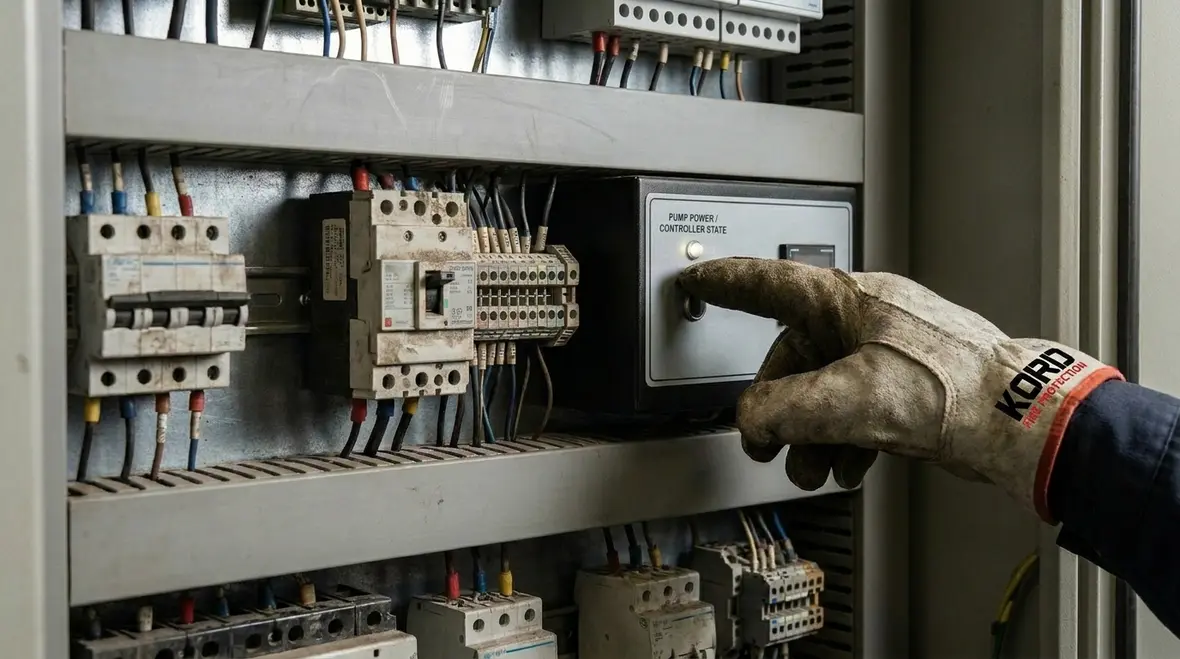
- Pump power and controller status: Monitor run, stop, fault inputs, and output states from the pump control system.
- Starter and protection behaviour: Track indicators for overload conditions and circuit protection trips.
- Sensor integrity signals: Ensure pressure, flow, and status feedback signals remain healthy and within expected patterns.
- Alarm and interface monitoring: Confirm that supervisory alarms report correctly to the building fire safety network.
- Loss of power and device faults: Detect loss of supply, controller faults, and wiring integrity issues early.
Importantly, monitoring should not just “exist.” It must be configured and tested so the readings mean something. If the system logs a thousand alerts but none are meaningful, the team ignores it. That is how you end up with alarms that behave like background noise from a movie theater. Loud, frequent, and totally ineffective in the moment that matters.
That is also why related power reliability guidance matters. Kord Fire Protection’s article on fire alarm battery backup systems power reliability tips reinforces the same practical idea: supervision only helps when the electrical backbone is healthy, verified, and maintained with intent. ([kordfire.com](https://kordfire.com/fire-alarm-battery-backup-systems-power-reliability-tips/?utm_source=openai))
How operators use Standpipe system electrical monitoring in real workflows
Once commissioned, monitoring should support daily decision making. In facilities across Australia, this usually means integrating alarms into a maintenance workflow, not leaving them trapped in a panel.
Operators should receive alerts that identify the affected pump, circuit, or sensor. Then, they should have clear guidance on what to check first. When monitoring is properly set up, the team can reduce investigation time and limit unnecessary equipment shut downs.
In practice, operators can:
- Review trends to see whether current draw slowly increases over weeks.
- Confirm readiness before high risk periods, like maintenance shutdowns or construction stages.
- Prioritize response by severity, so urgent faults get attention while minor issues get scheduled.
- Support verification testing by confirming that signals match what the system expects during routine checks.
Moreover, monitoring helps teams prove that the system remains supervised and ready. That matters for audits, compliance evidence, and internal assurance. In short, it turns documentation from a folder into a living system.
Standpipe commissioning and testing: what monitoring changes
Commissioning already includes tests, but monitoring upgrades how teams approach them. When Standpipe system electrical monitoring is built into the job, testing can confirm not only that the standpipe works, but also that the monitoring reflects reality.
Therefore, installers and service technicians can validate:
- Each monitored input reports correctly during simulated faults
- Each alarm triggers at the right threshold
- Each interface to the building fire system behaves as designed
- Each log entry timestamps events accurately
Additionally, monitoring improves troubleshooting after commissioning. If a fault appears weeks later, the records can show the first moment the signal drifted. That prevents blind searches and reduces disruption.
It also reduces the chance of “test and forget.” After all, a system that looks good during commissioning is not automatically good six months later. Monitoring keeps the story going after the handover speech.
Why the electrical record matters after handover
Historical data is where monitoring earns its keep. A single event might look minor in isolation, but a slow pattern of drift, recurring faults, or inconsistent resets tells a much more useful story. Service teams can use that story to fix the right thing instead of replacing parts like they are buying raffle tickets.
Why Kord Fire Protection becomes a vital partner
Even when a standpipe system is designed well, execution and long term service decide whether it stays reliable. That is where Kord Fire Protection can become a vital partner with the monitoring service and job. They bring practical fire protection expertise that connects commissioning, documentation, and ongoing support.
While monitoring technology provides the visibility, service execution makes the visibility useful. Kord Fire Protection can support install teams by helping align system behavior with real operational expectations and by managing checks that keep the monitoring layer meaningful over time.
For commercial and industrial sites, this partnership helps with:
- Verification support so alarms and supervisory signals match the protection intent
- Maintenance planning based on monitoring findings, not calendar guessing
- Fault response coordination so electrical irregularities get corrected quickly
- Compliance readiness through clear records and structured service
In other words, the monitoring tells the team something is off. Then Kord Fire Protection helps ensure the fix happens correctly, the first time. Because nobody wants a “temporary solution” that returns at the worst possible moment, like an unexpected sequel.
Common standpipe monitoring challenges in Australia and how to solve them
Standpipe installations face real world issues that can weaken monitoring value. To keep systems dependable, teams should address these challenges during design and later during service.
Some common problems include:
- Loose or aging connections that cause intermittent status signals. Monitoring can detect these changes early, but only if thresholds and alarm logic are set correctly.
- Incorrect signal mapping between the fire network and the monitoring outputs. Clear documentation and commissioning validation prevent confusion.
- Unclear alarm priorities that make operators ignore alerts. Therefore, alarm tuning and role based notifications help reduce fatigue.
- Insufficient maintenance access that delays repair work. A good service plan keeps the monitoring system reachable and testable.
- Battery or power supply issues that affect supervision. Proper checks and records reduce blind spots.
Consequently, the best outcomes come from pairing smart monitoring with disciplined commissioning, plus service that reviews what the system has been telling the team. That is how reliability becomes a habit, not a lucky coincidence.
FAQ
Ready to upgrade reliability on your next standpipe job
Modern standpipe installations benefit most when monitoring is built in, tuned during commissioning, and supported through service. Kord Fire Protection can partner with your team to verify alarm behavior, align electrical monitoring with operational needs, and keep records clean for audits.
If the standpipe must work every time, do not leave reliability to chance. Contact Kord Fire Protection today to plan the monitoring approach for your project. Reliable uptime usually starts with boring details, and thankfully, boring details are exactly what save the day.

Join Our Newsletter!
Get the latest fire safety tips delivered straight to your inbox From our Newsletter.