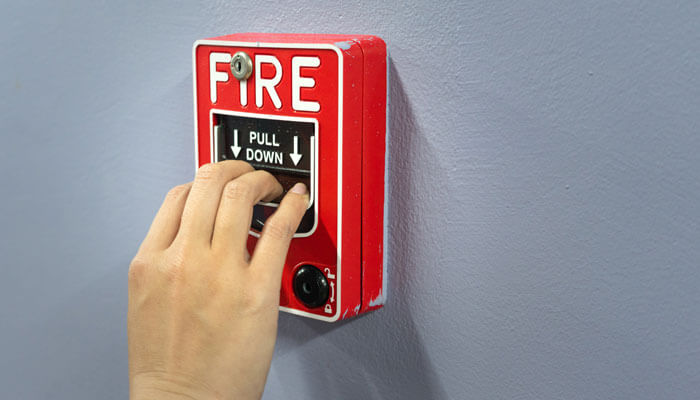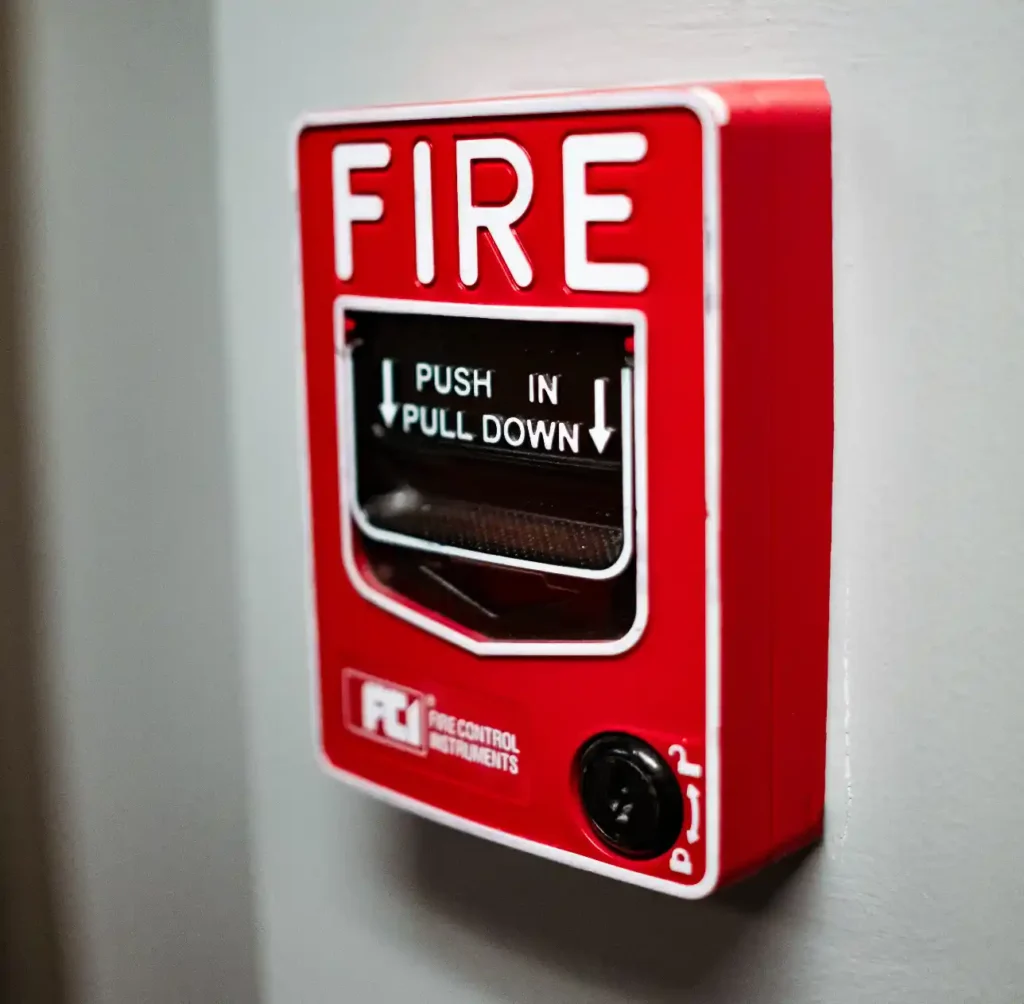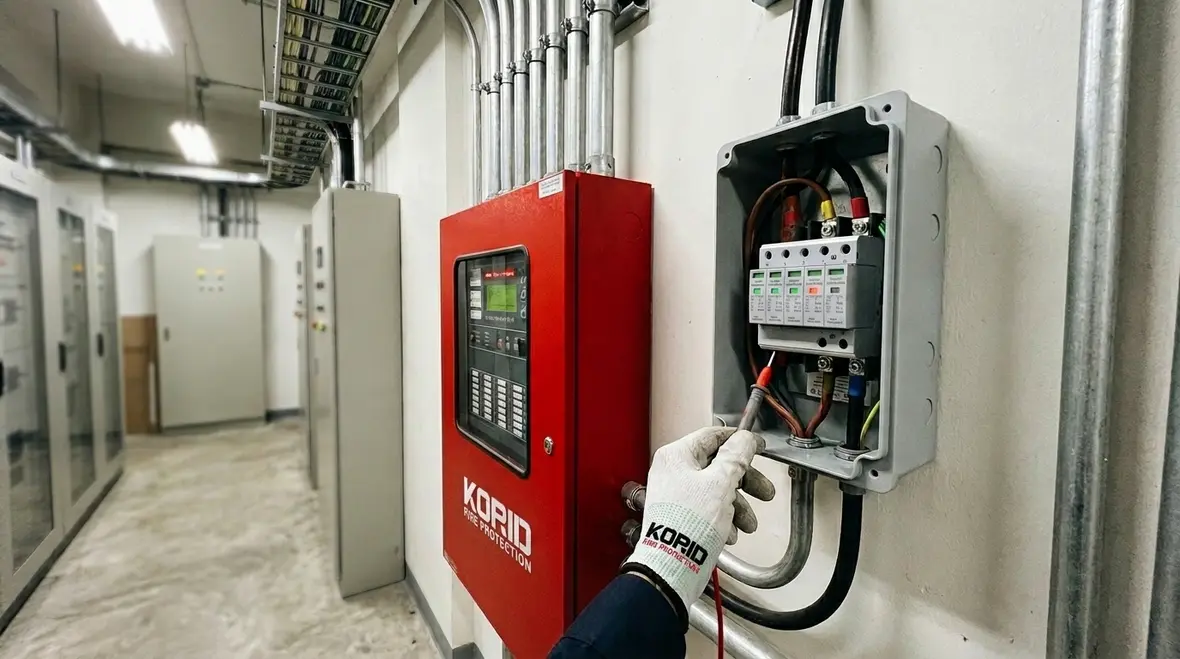
Fire Alarm System Electrical Surge Protection in Australia
Quick Answer: Protecting critical fire alarm circuits from electrical surges reduces false trips, prevents missed alarms, and extends equipment life. A smart plan includes surge protective devices, proper grounding, protected routing, and system testing. Kord Fire Protection can support this work end to end, because alarms must work when everything else is doing its best impression of chaos.
In industrial, retail, and commercial facilities across Australia, the biggest threat to a life safety system often arrives quietly. A Fire alarm system electrical surge can ride in on power lines, data cables, or nearby lightning events, and it can damage control panels and wiring before anyone notices. And once the damage shows up, it usually does not show up politely. Therefore, facilities teams need a protection strategy that treats alarm circuits as critical infrastructure, not as afterthoughts.
Near the top of that strategy, it helps to work with a provider that handles broader fire protection services so surge planning fits naturally into inspections, upgrades, maintenance, and long term system reliability instead of becoming one lonely checkbox on a very optimistic spreadsheet.
Why a fire alarm circuit needs surge protection
A fire alarm system electrical surge does not always look dramatic. Sometimes it is a brief voltage spike from switching equipment. Other times it is lightning energy that couples into building wiring. Either way, the result can be stubborn: intermittent faults, degraded components, or a control board that stops responding at the exact wrong moment.
Critical fire alarm circuits carry signals that must stay stable. When surges hit, they can stress power supplies, communication channels, and input circuits. Consequently, the system can become less reliable over time, even if it still passes a casual glance test. In a well run facility, the goal is simple: the alarm should operate with precision, not vibes.
And yes, false alarms cost money too. Then again, missed alarms cost far more. So the protection plan must support both safety and uptime, especially where multiple floors, tenants, or production lines run 24 7 and no one wants the building acting like a smoke machine at 2 am.
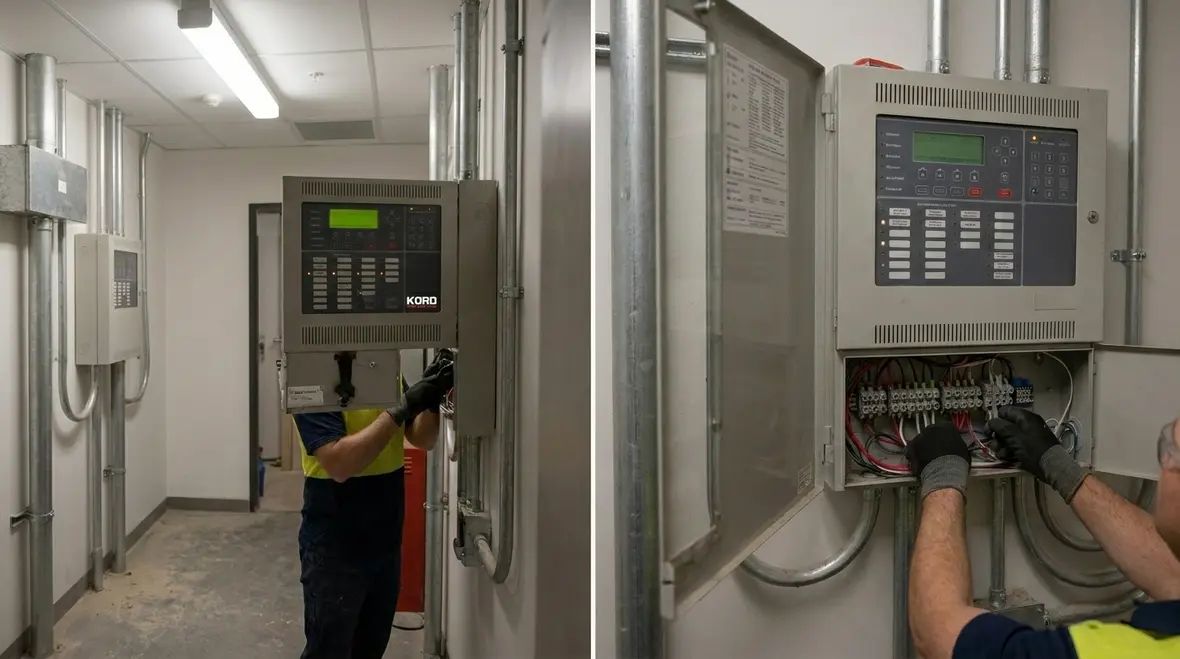
What causes surges to enter a building
Surges rarely teleport into alarm circuits. Instead, they travel along conductors and couple through wiring paths. Key sources often include:
- Lightning strikes nearby, followed by induced voltage in overhead or underground services
- Utility switching events that create short, high energy pulses
- Motor start and stop cycles, especially for pumps, conveyors, and compressors
- Fault conditions and arc events in electrical distribution
- ESD events and improper cable handling in areas with heavy plant activity
In practice, industrial and commercial sites often have many of these conditions at once. Therefore, a facility can experience frequent low level spikes that accumulate wear. Meanwhile, a smaller number of high energy events cause abrupt damage. A good design addresses both, because the system should not only survive the big one, it should shrug off the everyday ones too.
The building does not need a direct lightning strike to have a bad day
That point matters because many teams assume surge protection is only for dramatic storm scenarios. In reality, nearby electrical activity, shared infrastructure, and internal equipment switching can all inject enough noise to upset sensitive alarm electronics. It is less movie explosion, more recurring villain that never stops showing up in the sequel.
Design steps that protect alarm circuits at the source
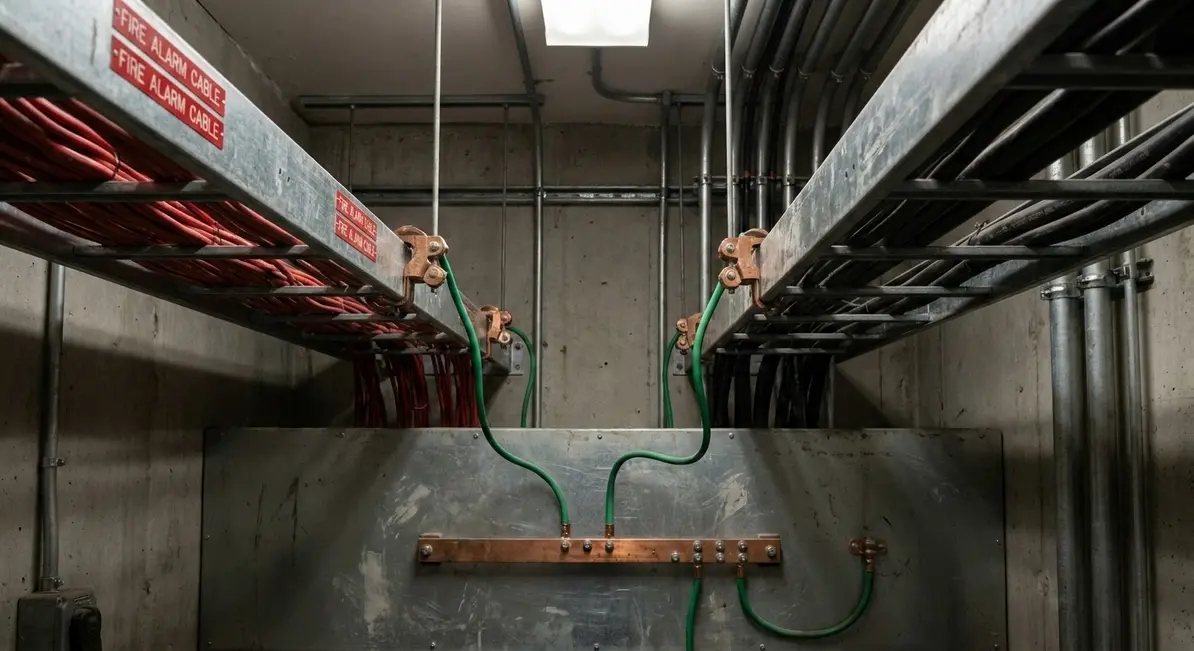
Protection begins long before any device gets installed. First, the facility should map how the fire alarm system circuits enter, route, and connect. Then, it should identify which conductors share pathways with power conductors or noisy equipment. This is where many sites unknowingly create the perfect electrical gossip network for surges.
High impact design actions include these:
- Install appropriately rated surge protective devices on relevant supply and signal paths
- Use separation between fire alarm cabling and power cables where possible
- Route wiring through protected pathways and avoid crossing near high energy equipment
- Maintain correct earthing and bonding so energy has a controlled route
- Verify panel grounding requirements and keep terminations tight and clean
Next, the facility should consider how the alarm system interfaces with other subsystems like access control, building management, or offsite monitoring. When interfaces exist, surges can travel across boundaries. For that reason, it helps to protect not just the panel, but also the paths that connect to monitoring and communications.
Power quality also connects naturally to broader reliability topics. If your team is reviewing standby readiness at the same time, Kord Fire Protection’s guide on fire alarm power requirements, reliable backup, and AC is worth reading, because stable incoming power and sensible surge protection belong in the same conversation.
Protect the path, not just the panel
One of the easiest mistakes is focusing all attention on the main cabinet while ignoring the conductors feeding it, the loops leaving it, and the communication paths tying it to the outside world. If those routes stay exposed, the panel may become the most protected part of a still vulnerable system, which is a bit like buying an excellent umbrella and then standing knee deep in floodwater.
How Kord Fire Protection supports surge resilience in real projects
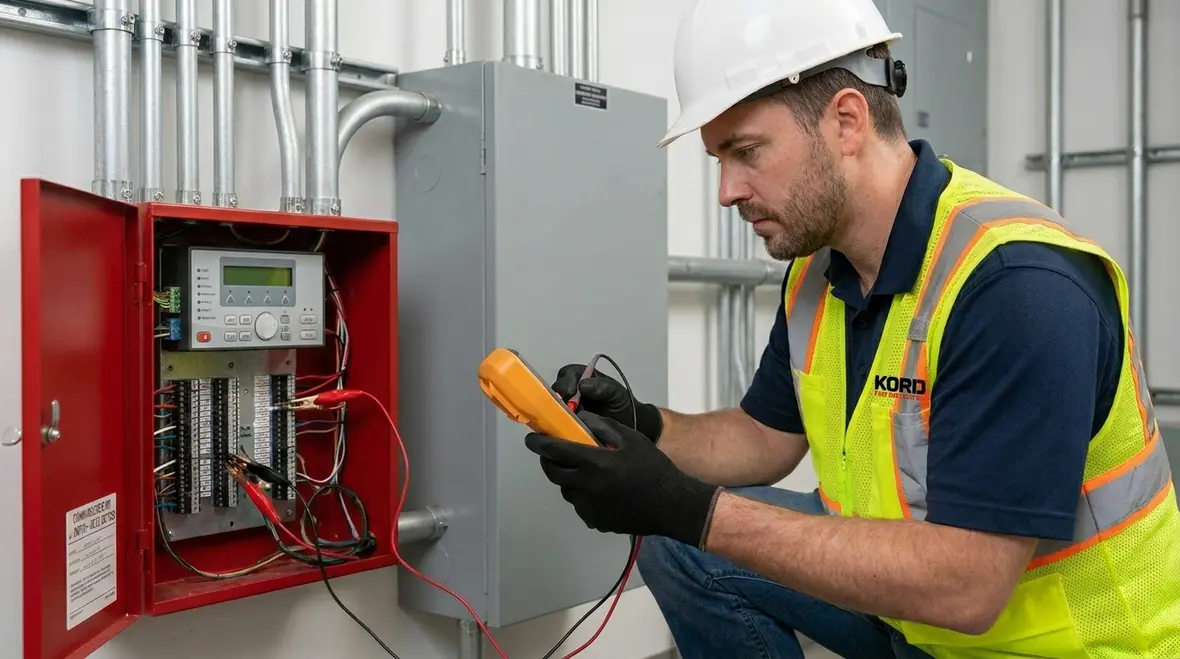
Kord Fire Protection can become a vital partner when a facility wants surge protection that actually fits the fire strategy. In other words, they do not just install devices and disappear. Instead, they align the protection approach with system design, compliance needs, and the practical reality of operating assets.
When teams work with an experienced provider, the project gets a calmer, safer rhythm. For example, Kord Fire Protection can help assess circuit vulnerability, recommend surge protection locations, and plan installation so the system remains functional during works. That matters because facilities can rarely shut down for long, and maintenance windows are always soon, never now.
Also, a surge protection upgrade should not end at installation. Therefore, Kord Fire Protection can support verification steps such as commissioning checks and routine inspections so the protection remains effective over time. A system that looked good last year is not the standard a business should rely on.
Testing and maintenance that keep protection working
Surge protection works best when it stays in spec. Over time, devices can degrade after repeated events. So the facility should build a maintenance approach that checks both performance and physical integrity of connections.
A solid approach typically includes:
- Visual inspections of enclosures, terminations, and cable condition
- Verification that bonding and earthing remain correct after nearby works
- Functional testing that confirms the fire alarm system responds as required
- Documentation updates so changes remain traceable for future upgrades
- Review of incident history to spot patterns tied to electrical noise
Moreover, many surge events leave no obvious burn marks. Because of that, proactive testing becomes the difference between confidence and guesswork. In facilities with frequent switching operations, it is wise to review the site power environment and coordinate protection with electrical maintenance teams.
Maintenance is where good intentions either survive or retire early
A protection device that was correctly specified on day one still needs follow through. Renovations, equipment replacements, grounding changes, and cable reroutes can quietly undo earlier good work. If the maintenance plan never revisits those details, the system may still look tidy while behaving like it is one inconvenience away from filing a complaint.
Common mistakes that increase risk
Facilities often do the right things in the wrong order. That creates avoidable exposure. The most common mistakes include these:
- Installing surge devices without confirming earthing quality
- Using mismatched ratings, which can reduce protection or cause nuisance issues
- Improper cable separation, so surges still couple into signal pairs
- Neglecting interface circuits like monitoring outputs and communications links
- Skipping commissioning checks after modifications
There is also a classic business trap: treating surge protection like a one time purchase. Like a VPN that never gets updated, it may look fine until it suddenly does not. Instead, protection should be part of a living maintenance plan that tracks electrical works around the site.
Featured snippet FAQ
CTA: protect the system, protect the business
For industrial, retail, and commercial facilities, surge events will keep happening, whether they announce themselves or not. A strong protection plan reduces damage risk, supports dependable detection, and strengthens compliance readiness. Kord Fire Protection can work alongside your team to assess circuit vulnerability, implement practical protection measures, and verify performance over time.
That kind of planning helps turn a reactive system into a resilient one. When alarm circuits are treated like critical infrastructure, businesses gain fewer disruptions, better visibility into risk, and more confidence that the system will behave properly when it matters most. Reach out to plan a site focused surge protection upgrade today.

Join Our Newsletter!
Get the latest fire safety tips delivered straight to your inbox From our Newsletter.