Standpipe Electrical Monitoring Systems for Real Time Pressure Alerts
In busy fire protection systems, pressure problems do not announce themselves with a dramatic soundtrack. They show up quietly, then cause costly downtime and confusion. That is why standpipe electrical monitoring systems matter. When they combine with remote sensors and smart reporting, a facility team can catch pressure shifts early, validate performance, and document conditions fast. In the real world, Kord Fire Protection technicians often explain it like this: sensors are the watchful eyes, while the monitoring system is the calm voice that tells people what those eyes are seeing. And yes, it is the opposite of guessing, which is a hobby some folks should leave to guessing games, not fire life safety.
How remote sensors track standpipe pressure in real time
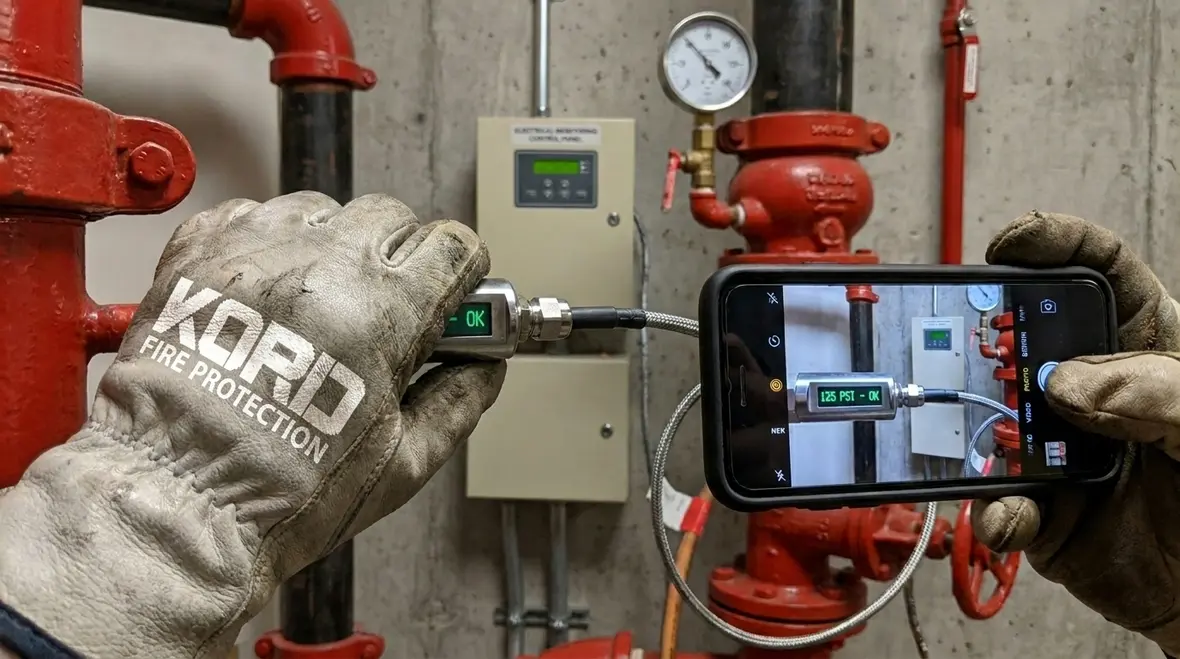
Remote sensors sit where pressure changes actually happen, not where people hope the problem will be. They measure key values in the standpipe network and send that data to a monitoring platform. As a result, a technician team gains visibility into pressure trends during daily operations and during critical events.
Typically, these sensors handle pressure signals with built in stability and repeatable calibration. Then, they transmit data on a schedule or continuously, depending on the design. Furthermore, the monitoring platform can compare readings over time. Therefore, it can flag a pattern that looks normal at first, then slowly drifts into trouble.
To put it simply, remote sensors do not just take snapshots. Instead, they build a timeline. And in fire protection, timelines matter more than guesses.
What real time visibility changes for facility teams
The biggest change is not just awareness. It is timing. A facility team that sees pressure drift early can investigate before occupants notice service disruptions, before a test fails, and before a minor issue turns into an expensive chain reaction. That practical visibility supports faster decisions, cleaner service coordination, and better confidence in overall readiness.
Why standpipe pressure monitoring needs smarter than manual checks
Manual checks can be useful, but they have limits. They usually happen on a schedule, such as monthly or quarterly. Even so, pressure conditions can change between visits due to valve position drift, water supply variations, pump cycling, or even small building changes that nobody logged.
Moreover, when teams rely only on periodic inspection, they may detect issues after the damage or failure has already started. In contrast, remote sensors continuously watch the system. Consequently, they can capture early signs like small pressure drops or abnormal recovery times.
At Kord Fire Protection technicians often explain that a standpipe system behaves like a living process. If a facility treats it like a once in a while task, the system will eventually treat the facility the same way. And nobody wants that kind of relationship.
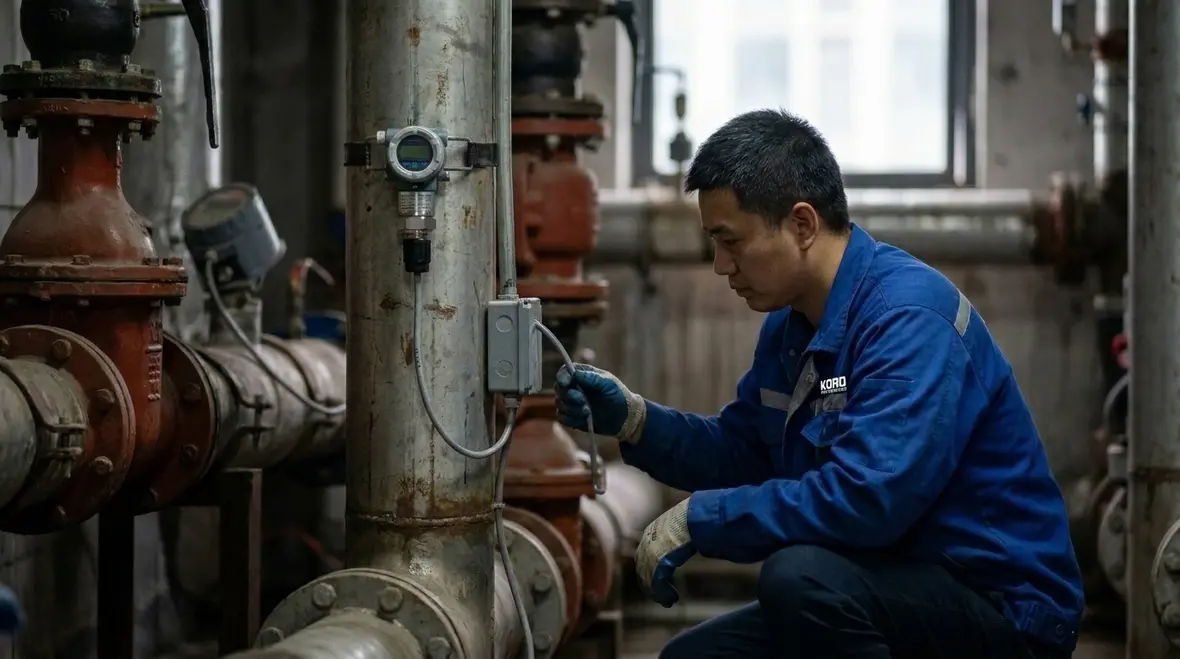
The gap between scheduled inspection and actual system behavior
That gap is where trouble likes to hide. A system can look acceptable during a routine visit and still develop unstable pressure behavior days later. Monitoring closes that blind spot by preserving data between service intervals, giving technicians a clearer story instead of a single isolated reading that may or may not tell the truth.
Where sensor placement impacts reliability and alert quality
Remote sensors only help if they read the right locations. Therefore, good engineering and site knowledge guide placement. Sensors placed too far from the actual flow path can miss the real story. Meanwhile, sensors placed without considering pipe routing, pressure losses, and zone boundaries can produce confusing signals.
Ideally, the system should include coverage that reflects how the standpipe network functions. For example, it can monitor key risers or pressure critical points where the system shows clear behavior under demand. Then, it can correlate readings with system status, such as pump operation, valve state, or flow conditions.
Additionally, Kord Fire Protection technicians often walk clients through this decision process. They show how sensor location changes what alerts mean. As a result, alarms become actionable instead of noisy, which keeps teams from treating warnings like spam.
Sensor placement is really about context
A pressure value by itself is only a number. A pressure value from the right location, compared against system demand and building layout, becomes useful information. That distinction is why professional layout review matters so much when teams want fewer false alarms and better troubleshooting.
How alerts and reporting reduce response time during incidents
When pressure falls outside safe ranges, the system should respond fast and with clarity. Remote sensors feed the monitoring system, which evaluates values against thresholds and known normal patterns. Then, it sends alerts to the right people, in the right format, with time stamps that support troubleshooting.
First, the monitoring layer can categorize events. For example, it can distinguish a brief spike from a sustained drop. Next, it can help identify whether the issue matches a pump cycle, a supply variation, or a loss of pressure within the standpipe network. Consequently, responders can focus on the likely cause instead of checking everything like detectives in a TV crime drama.
In addition, reporting helps with compliance. It creates records that show what happened and when it happened. Therefore, a team can explain decisions clearly during audits, after action reviews, or insurance conversations.
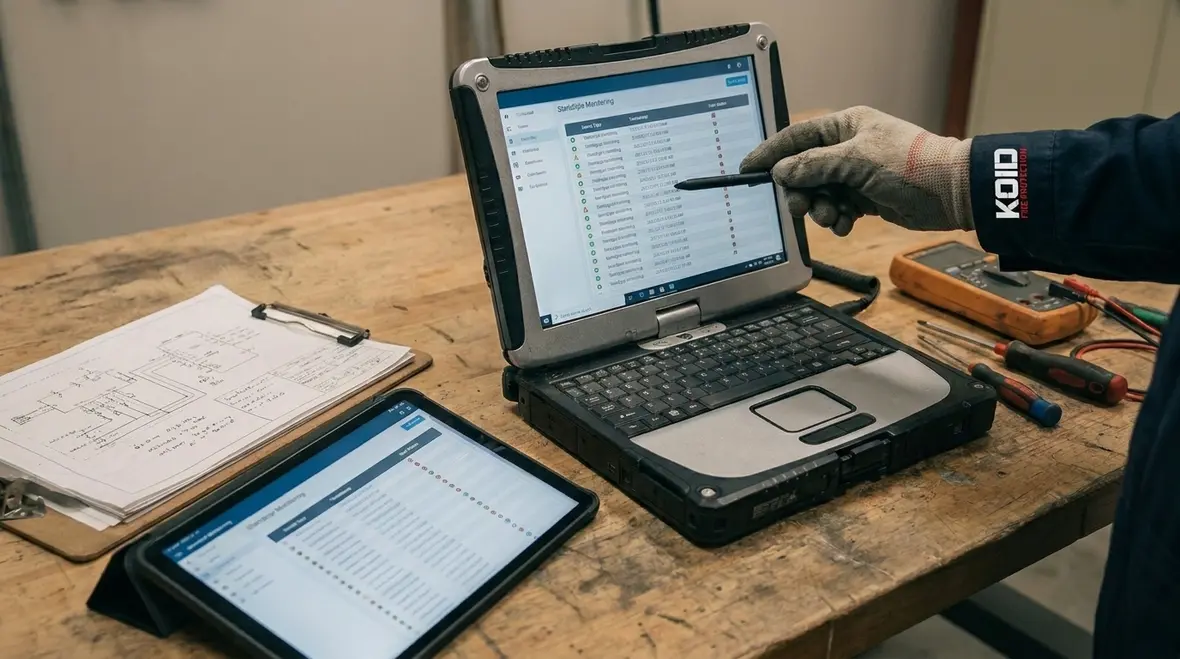
Integrating remote sensors with standpipe electrical monitoring systems for compliance
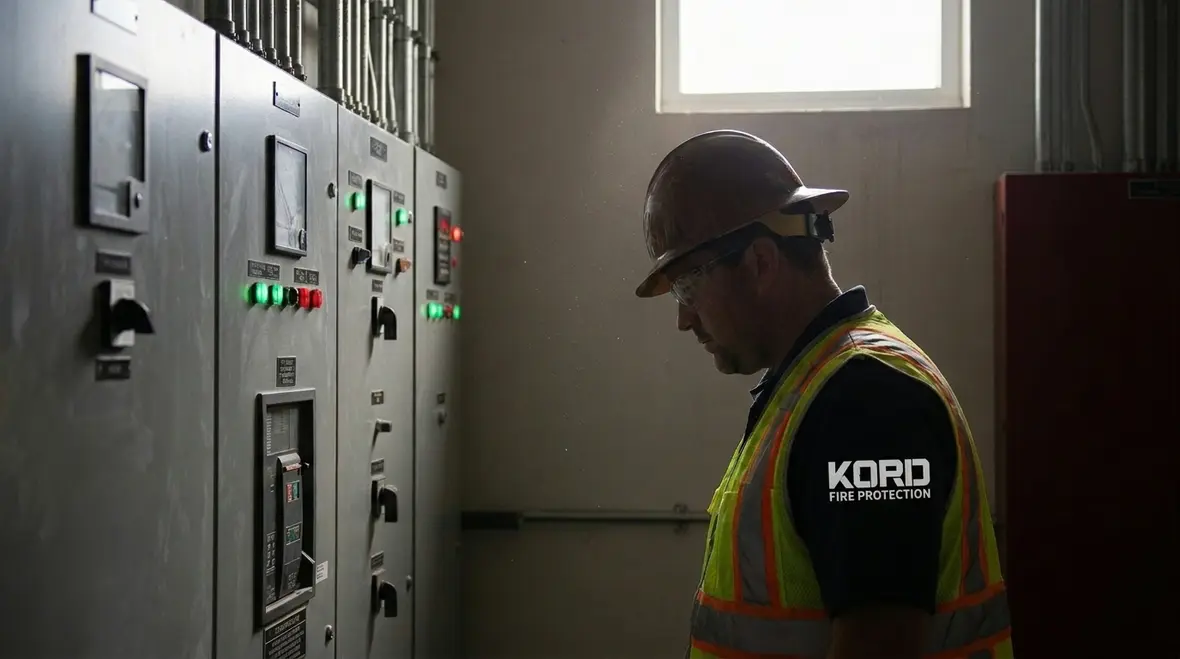
Standpipe electrical monitoring requires more than basic measurement. It needs a reliable path from sensor to alert, plus careful integration with fire protection electrical controls. Standpipe electrical monitoring systems tie readings into a structured platform that supports supervision, event history, and communication.
In practical terms, Kord Fire Protection technicians typically confirm several items. They verify wiring integrity and proper signal handling, ensure the monitoring device supports the required supervision strategy, and confirm that alerts route to the correct contacts. Then, they review how the system documents events so teams can prove readiness.
Moreover, this integration supports repeatable testing. When a facility follows the same monitoring logic each time, it reduces uncertainty and speeds up service visits. As a result, maintenance stays predictable, and that makes budgets behave better too.
For facilities trying to unify their protection programs, a broader service partner can help connect monitoring work with sprinkler, alarm, extinguisher, and pump support under one plan. Kord Fire Protection’s full fire protection services page gives a useful overview of how those pieces fit together.
Common challenges and how professionals prevent false alarms and missed faults
Remote monitoring works best when the system handles reality, not just ideal math. Pressure systems can face noise, sensor drift, temperature effects, and intermittent communication problems. Therefore, technicians plan for these risks with careful setup and ongoing verification.
One frequent challenge involves threshold settings. If thresholds are too tight, alarms trigger too often and people stop taking them seriously. If thresholds are too loose, the system may miss early warnings. Consequently, professionals tune thresholds based on system design, expected behavior, and historical data.
Another challenge is communication reliability. Even a good sensor becomes less useful if data drops. Hence, monitoring should supervise connectivity and notify teams if a sensor stops reporting. Additionally, calibration schedules help maintain measurement accuracy.
To keep things smooth, Kord Fire Protection technicians emphasize a simple principle. If the system cannot explain why an alarm happened, it will eventually teach people to ignore alarms. And ignoring alarms is how buildings end up learning tough lessons the hard way.
How disciplined testing supports dependable alerts
Reliable alerting is not created by software alone. It comes from accurate sensors, stable wiring, supervised communication, and recurring verification. Kord Fire Protection also covers the broader testing side of readiness on related resources such as fire pump testing requirements, which helps reinforce why dependable pressure data and repeatable inspections belong in the same conversation.
FAQ about remote sensors and standpipe pressure monitoring
Call Kord Fire Protection technicians for a system that stays ready
Remote sensors bring clarity, yet real value appears when the monitoring platform, electrical supervision, and sensor setup work as one. Kord Fire Protection technicians help facilities design sensor placement, tune alarms, and validate integration so alarms drive action instead of frustration. If your standpipe pressure monitoring needs stronger visibility, cleaner reporting, or faster incident response, reach out for an assessment. Then, get a plan that fits your building and your maintenance schedule. Because fire life safety should feel less like guesswork and more like confidence.

Need a broader service plan beyond monitoring alone? Explore Full Fire Protection Services to connect standpipe monitoring with inspections, testing, alarms, extinguishers, and fire pump support under one coordinated team.

Join Our Newsletter!
Get the latest fire safety tips delivered straight to your inbox From our Newsletter.