Commercial Alarm System Integration for Legacy Panels
Commercial Alarm System Integration for Modernizing Legacy Alarm Panels
Legacy alarm systems can still work, but they often struggle when the building’s electrical setup changes. That is where commercial alarm system integration helps. It links old alarm devices to newer smart electrical infrastructure without forcing the site to start from scratch. The result is cleaner communication, steadier power behavior, and fewer mysterious failures that show up right when people least need them.
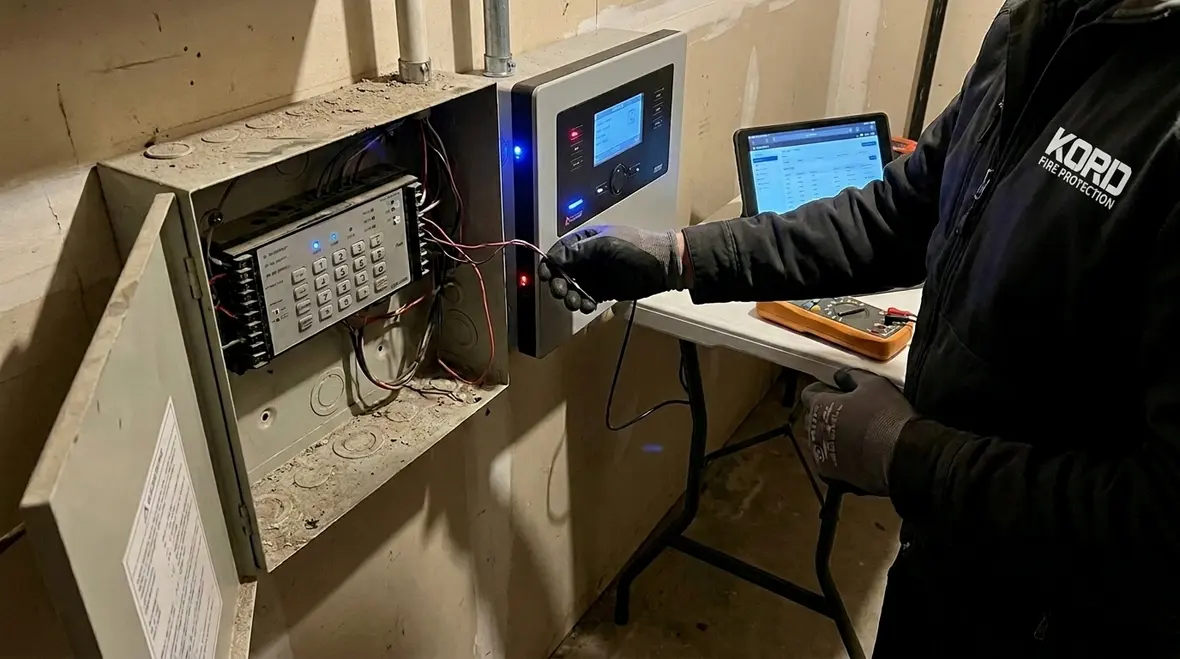
In the real world, the job is not just swapping boxes. It is coordinating power quality, data paths, and life safety logic. As Kord Fire Protection technicians explain things on site, they focus on what matters most: reliable detection, reliable signaling, and reliable resets. And yes, sometimes the old panel behaves like a sitcom character who refuses to update their software. The difference is, life safety is not a punchline.
For commercial facilities, this kind of upgrade is usually about preserving what still works while fixing what keeps causing service headaches. A good integration plan respects the existing panel, identifies where communication or supervision breaks down, and adds the controls needed to help the system cooperate with modern building infrastructure. That means fewer blind spots, more useful event data, and less time spent chasing issues that disappear before anyone can reproduce them.
Why legacy alarm systems slow down smart electrical upgrades
Old control logic meets modern building behavior
When smart electrical infrastructure arrives, it brings sensors, monitoring, and automation. However, legacy alarm panels were often built for simpler wiring, older control logic, and fixed schedules. As a result, the system may not interpret new electrical signals the way modern equipment expects.
Moreover, older panels can react poorly to voltage dips, nuisance interference, or ground noise. Then, technicians get a call that sounds like, “It alarms, but nobody knows why.” At that point, Kord Fire Protection technicians explain that the root cause usually sits deeper than the alarm itself. Often, the issue involves power distribution behavior, wiring routes, or signal supervision limits.
To modernize, teams must map how the building’s electrical network feeds alarm circuits and how the alarm system supervises those circuits. After that, they can plan upgrades that support both life safety and day to day operations. This step matters because many buildings discover their “alarm problem” is really a wiring path problem, a grounding problem, or an undocumented modification from years ago that nobody thought to mention until the panel started throwing attitude.
That is why a thorough survey is the difference between a strategic modernization and an expensive scavenger hunt. Teams need to know what is original, what has been added, what has been bypassed, and what still supervises correctly. If they skip that work, the new infrastructure can expose weaknesses that were already there, just hiding quietly in the walls.
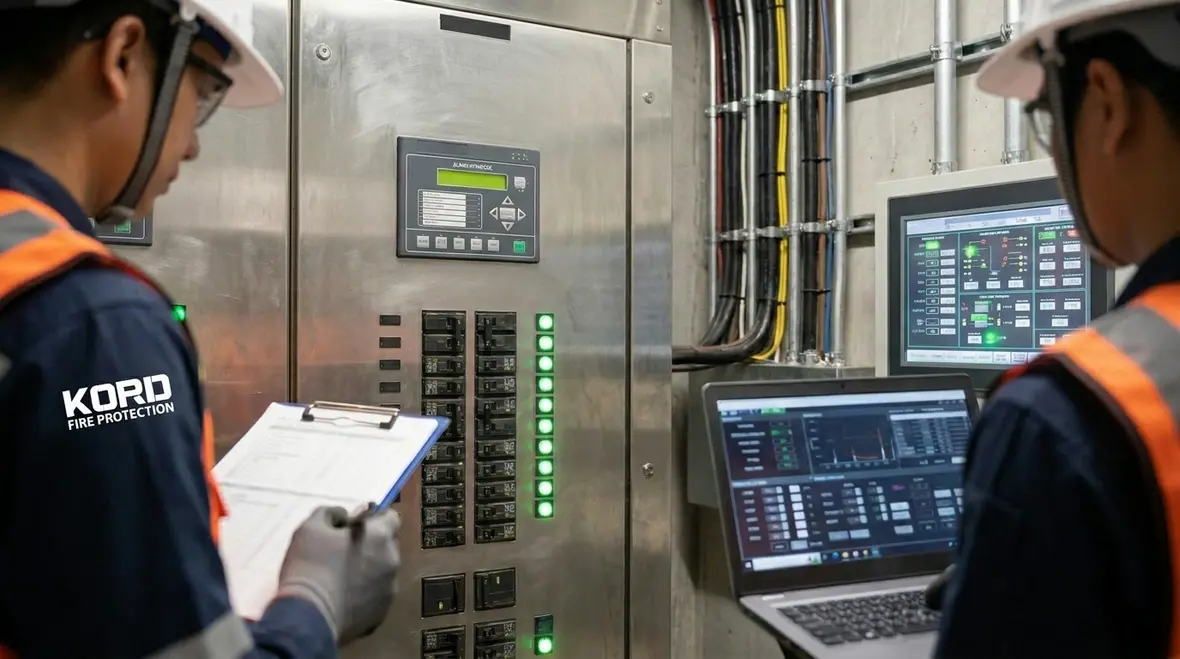
How smart electrical infrastructure improves power stability and signaling
Better visibility turns guesswork into usable information
Modern electrical systems can monitor, regulate, and report electrical conditions. Therefore, alarm components benefit from steadier voltage and better visibility. Instead of guessing whether a panel problem comes from the transformer, the feeder, or a load spike, the infrastructure can provide data.
Then, integration supports quicker fault isolation. For example, if a device shows intermittent trouble, the system can correlate that trouble with events in power quality logs. As Kord Fire Protection technicians point out, correlation beats guesswork. It also keeps crews from replacing parts like they are swapping chips in a poker game.
In practical terms, smart infrastructure helps in three main ways. First, it improves power quality management. Second, it enables better supervision paths. Third, it provides clearer reporting so maintenance crews can respond faster and with fewer site visits.
- Power quality management helps reduce unexplained resets, nuisance troubles, and unstable panel behavior during load changes.
- Supervision visibility makes it easier to see whether a circuit fault comes from wiring, devices, or interface hardware.
- Event reporting gives facility teams timestamps and patterns they can actually use instead of vague problem descriptions on sticky notes.
That reporting is especially valuable when troubleshooting recurring alarms that appear random but are not. Once alarm data is compared against power events, load changes, or scheduled equipment behavior, patterns start to show up. Suddenly the mystery becomes a sequence, and a sequence can be fixed.
Designing a safe upgrade path without disrupting life safety coverage
Phased work keeps protection in place while the system evolves
A modernization project must protect the building during transition. This means teams should design the upgrade in phases, test each step, and keep monitoring intact. Otherwise, the building risks gaps in detection, signaling, or communication.
To keep things orderly, the best plans include a site survey, circuit documentation, and a clear install sequence. Next, teams define which devices stay, which get replaced, and where interface modules connect. Then they verify supervision behavior, alarm signaling performance, and the correct response to power events.
Kord Fire Protection technicians explain things with a calm, deliberate focus. They typically recommend starting with the circuits that show the highest trouble rate, because those circuits reveal underlying wiring or power distribution stress. After that, the team validates each integration point through controlled testing. And yes, controlled testing matters. Even the most enthusiastic “it should work” optimism must answer to real measurements.
A phased approach also helps owners keep operations moving. Instead of rolling the dice on a single giant cutover, teams can modernize in manageable sections, verify results, document changes, and then move forward. That discipline reduces surprises and makes it much easier to explain the project to facility staff, inspectors, and anyone else who understandably prefers not to hear the words “temporary bypass” without a very good reason.
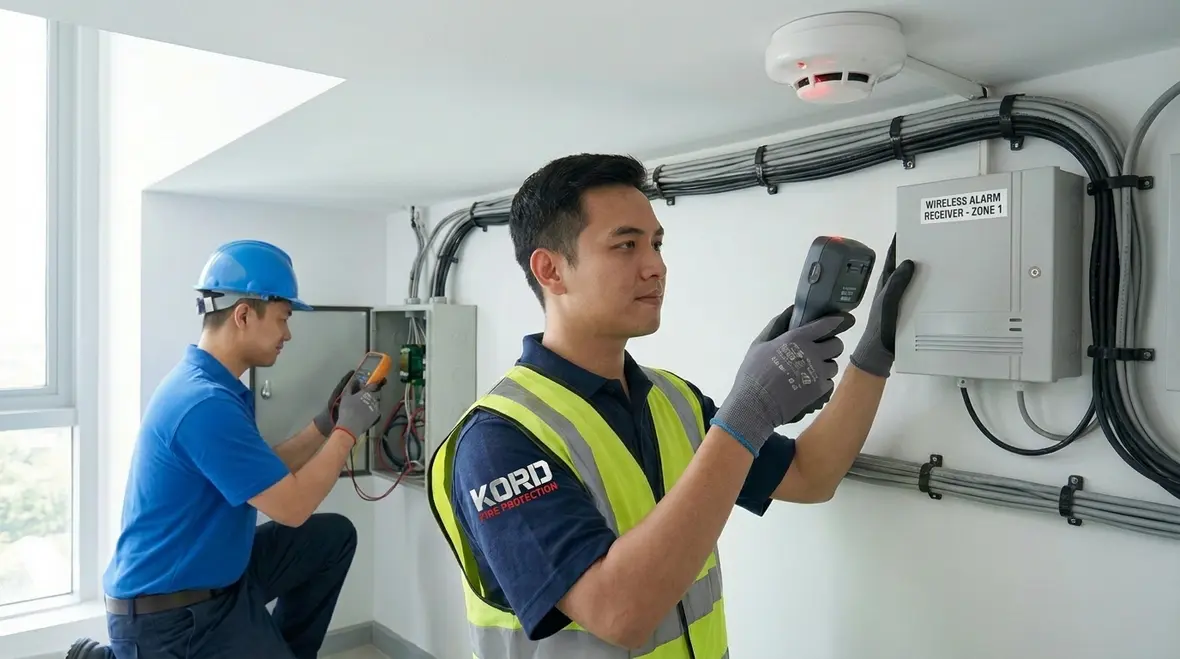
Wireless, supervised devices, and the data layer in modern alarm systems
Less conduit work does not mean less discipline
Many buildings want wireless devices to reduce conduit work and speed deployment. However, wireless alarms still need strict supervision and predictable behavior. Therefore, teams evaluate signal strength, interference sources, and the device’s reporting schedule.
At the same time, the data layer matters. Smart electrical infrastructure often uses networked monitoring, dashboards, and event logs. When those logs connect with alarm events, staff can see the “why” behind an alarm condition.
In this approach, the commercial alarm system integration strategy typically links alarm events with electrical health indicators. For example, a power alarm event might appear alongside a feeder load change. That pairing helps maintenance teams decide whether they need an electrical adjustment or an alarm sensitivity review.
Additionally, supervision keeps systems trustworthy. Devices should report status, trouble signals, and tamper events reliably. Then, monitoring software should store event history in a way that supports audits and faster troubleshooting. In other words, the point is not just to make the system smarter. It is to make the system more understandable to the people who have to live with it every day.
Compliance and troubleshooting: what technicians check during commissioning
Commissioning proves the upgrade works under real conditions
Commissioning is where modernization moves from “installed” to “ready.” During this stage, teams verify that alarm logic, device response times, and signaling routes meet the required performance expectations. They also confirm that the electrical infrastructure does not introduce conditions that cause unwanted alarm states.
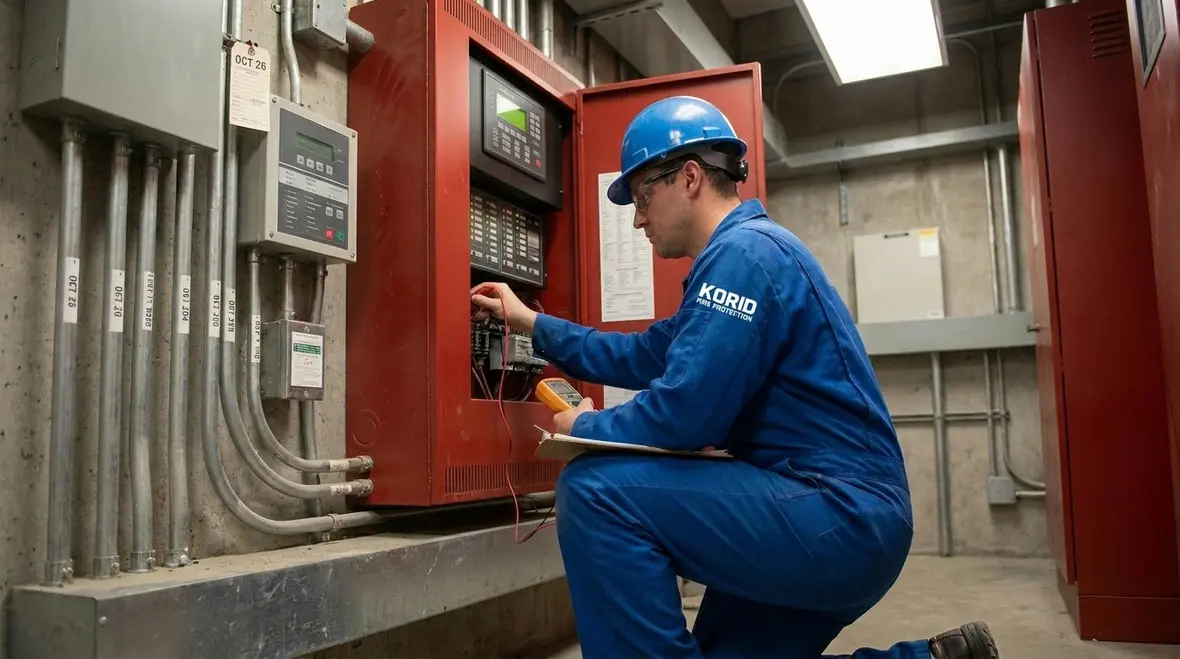
Kord Fire Protection technicians explain that troubleshooting should follow a strict order. First comes power and wiring verification. Next comes device health checks. Then teams validate panel behavior under simulated fault and alarm conditions. Finally, they confirm monitoring outputs and reporting accuracy.
- Power quality at alarm panel inputs during normal load and during changes
- Supervision response for circuits, zones, and end of line devices
- Signal path integrity between detection, control, and notification outputs
- Event logs and timestamps that match real test conditions
When teams handle commissioning with discipline, they avoid the most common failure mode: the system passes a basic test but fails under real electrical variation. And nobody wants to find that out on a busy weekday at the exact wrong time. Good commissioning also leaves behind something owners actually need: documentation that explains what was tested, what changed, and what normal now looks like.
Building trust with owners and facility teams during modernization
Clear communication is part of system reliability
Owners and facility managers care about uptime, clear costs, and predictable outcomes. Therefore, modernization plans should include plain language updates and a realistic maintenance strategy. The goal is to reduce confusion and build confidence that the system will behave as designed.
To support that trust, teams should provide documentation that shows what changed. They should also explain what operators will notice day to day, such as improved reporting, clearer trouble codes, and fewer repeat callbacks for the same problem.
In addition, staff training matters. Facility teams should understand how to interpret alarm notifications, how to escalate issues, and how to confirm system status after minor electrical events. Kord Fire Protection technicians often emphasize this point: training turns a complicated system into an everyday tool, not a mystery box.
That kind of trust pays off long after the upgrade is complete. When staff know what they are seeing and what action to take, small issues get addressed before they become major disruptions. It also means owners are more likely to invest in preventive care instead of waiting for the next inconvenient surprise. If your project also touches pump performance or broader water supply readiness, Kord Fire Protection’s Horizontal Split Case Pump Systems page is a useful related resource for planning overall fire protection reliability.
FAQ
Conclusion and CTA
Modernizing a legacy alarm system does not have to mean chaos, downtime, or constant callbacks. With a phased plan, smart electrical monitoring, and careful commissioning, a building can gain stability and clearer reporting while keeping life safety coverage intact. Kord Fire Protection technicians help owners move from guesswork to documented performance, so issues get solved instead of repeated.
If your system shows nuisance troubles or you are planning electrical upgrades, now is the right time to map the safest integration path. For broader support, explore Kord Fire Protection’s Fire Alarm Services and connect with their team for a practical upgrade strategy that keeps your building protected and easier to manage.

Join Our Newsletter!
Get the latest fire safety tips delivered straight to your inbox From our Newsletter.