Sprinkler Head Inspection Frequency Guide for Owners
Sprinkler Head Inspection Frequency Guide for Busy Owners
Owners often ask one thing first, when it comes to sprinkler reliability. They want a simple sprinkler head inspection frequency guide they can follow without turning their weekends into a fire safety scavenger hunt. A solid rule starts with visual checks at least monthly, then a deeper audit a few times per year, and a full review aligned to local code and system needs. In this article, Kord Fire Protection technicians explain how owners can build a maintenance timeline that catches small issues early, before they turn into big surprises, like finding out your smoke alarm hates you after midnight.
To set expectations, the goal is not just “look at heads.” Instead, the timeline focuses on water flow, head condition, clearance, and system response. And yes, sprinklers still work even when you forget to think about them. But the system works better when you do not. For a broader look at how scheduled inspections fit into real service visits, Kord Fire Protection’s Wet Sprinkler System Inspection guide adds helpful context to what technicians review during recurring maintenance.
Why Sprinkler Reliability Starts with Healthy Heads
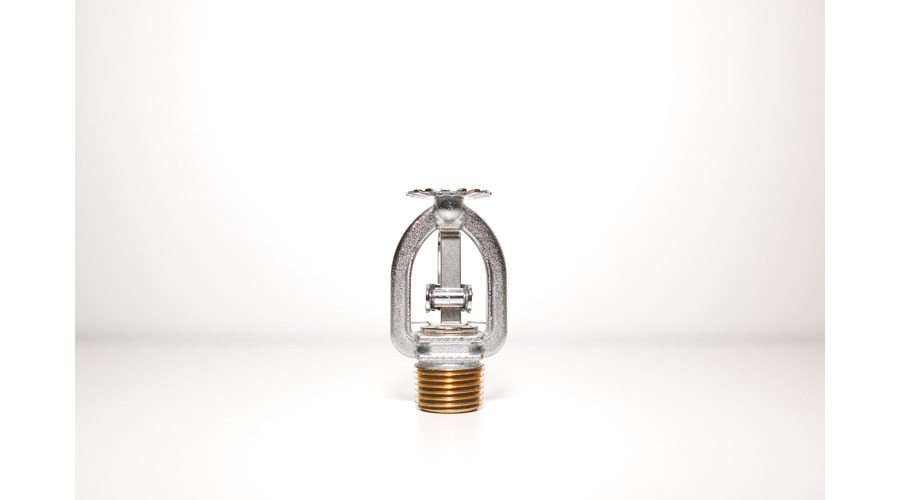
Sprinkler heads live on the ceiling, stay quiet, and quietly take a beating from heat cycles, dust, and accidental bumps from lights, fans, and renovations. Over time, this can affect how they open, how they spray, and how evenly they cover a space. Kord Fire Protection technicians often see the same pattern. A building delays maintenance, then notices odd coverage only after a problem escalates.
Healthy heads reduce the odds of clogged nozzles, misalignment, corrosion, paint damage, and obstructions that block spray patterns. Also, they support faster incident response because systems behave like they were designed. In other words, proper care helps the whole life safety plan work as a team, not as a group project where everyone is missing the same deadline.
To keep it practical, the maintenance timeline below breaks tasks into clear owner actions and technician actions, with a focus on consistency. If your property team wants another local example of how inspection timing gets translated into clear action steps, the El Segundo Fire Sprinkler Inspection Guide shows how recurring checks, documentation, and code-driven schedules come together in the field.
What healthy sprinkler heads help prevent
- Blocked spray patterns from storage creep or new décor
- Activation delays caused by paint, residue, or corrosion
- Coverage gaps after tenant changes or ceiling updates
- Frustrating surprise repairs that arrive after a failed inspection
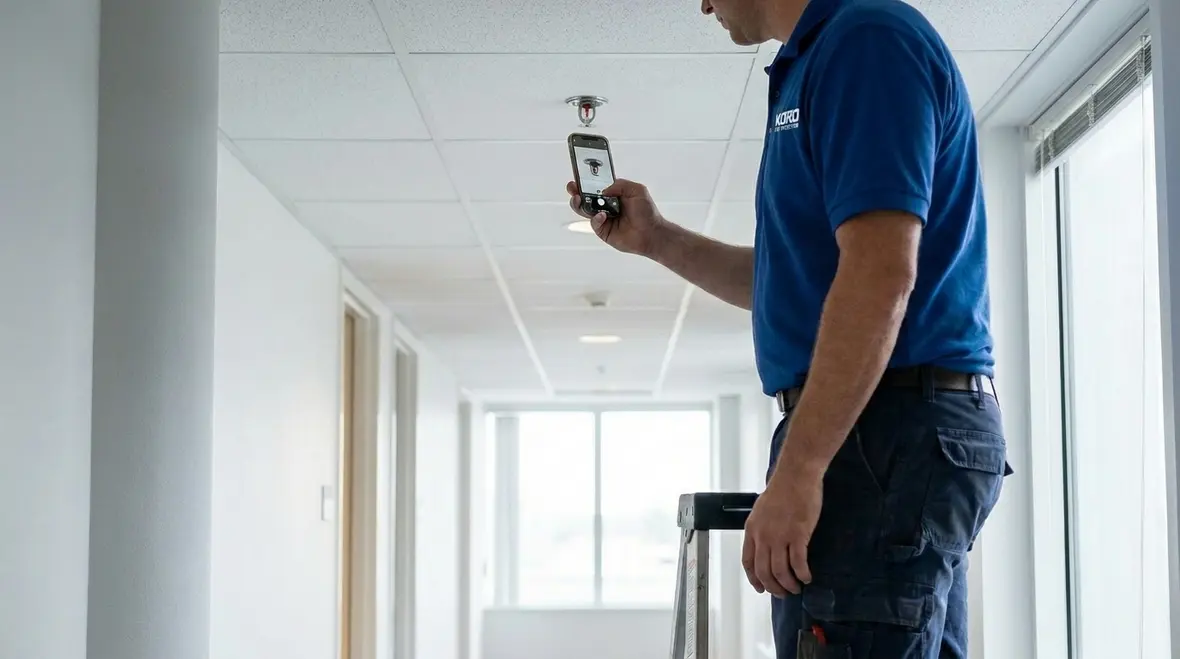
Monthly Owner Checks to Catch Trouble Early
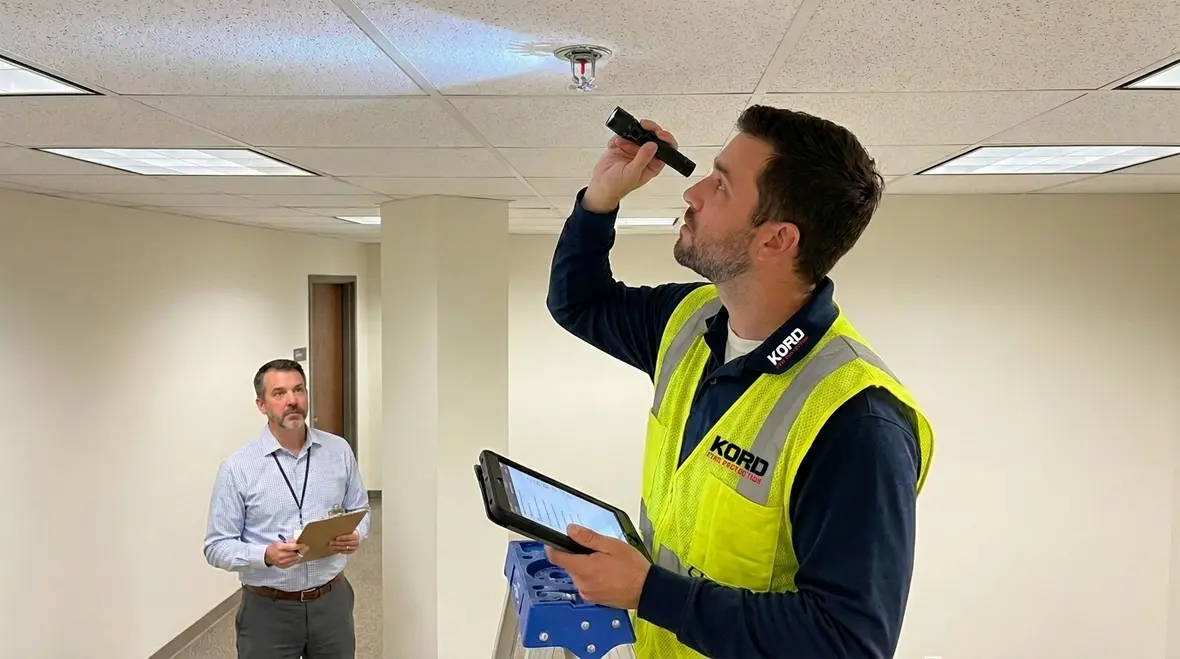
Owners should handle simple inspections monthly. While this is not a full system test, it catches many issues before they become expensive. Kord Fire Protection technicians recommend owners look at head locations while the area stays normal, not during major construction chaos. Then they document anything unusual with photos if possible.
These monthly checks are less about technical heroics and more about noticing change. Something that looked fine last month may suddenly be too close to stacked inventory, a new light fixture, or a decorative sign someone thought was harmless. The trick is consistency. A simple ten-minute walk-through done every month beats an annual panic tour every single time.
Owners can follow these steps:
- Scan for obstructions such as stored items, hanging decorations, or ceiling debris that blocks spray coverage.
- Check for physical damage including dents, cracks, loose escutcheons, or heads that hang crooked.
- Look for signs of corrosion or discoloration on metal parts and at the connection area.
- Confirm the finish matches the intended surface and that no one painted over a head without approval.
- Listen for odd behavior from nearby valves or water flow sounds during system checks, if the building has that capability.
And here is the playful truth. If someone “just touched up” a ceiling, owners should assume the sprinkler heads took part in that art project unless the technician says otherwise.
A simple monthly documentation habit
One of the easiest ways to make the sprinkler head inspection frequency guide actually stick is to pair each monthly walk-through with a short photo log. Snap the area, note the room name, and record what changed. That way, when a technician arrives for deeper service, you are not starting from memory or trying to reconstruct six months of ceiling history from pure guesswork.
Seasonal System Review: What Kord Fire Protection Schedules Next
Once or twice each season, depending on climate and usage, the system needs a closer review. During this step, Kord Fire Protection technicians focus on conditions that owners cannot verify from the ground. They also verify that water flow and coverage match design expectations.
Seasonal reviews matter because buildings do not stay still. Humidity shifts, occupancy changes, storage grows legs and wanders into bad places, and renovation work has a funny way of pretending it never happened. A seasonal check is where the system gets reintroduced to the building it is supposed to protect.
Common seasonal tasks include:
- Verify clearances around each head, including new fixtures, ceiling work, and altered storage patterns.
- Inspect for leaks or moisture at escutcheons, piping connections, and nearby ceilings.
- Review water supplies for consistent pressure and proper operation of related valves.
- Check for signs of past activation even minor ones, which can damage components or leave residues.
- Assess drainage and downstream indicators where applicable.
Technicians also confirm that the sprinkler spacing and coverage remain correct after renovations. After all, the system does not care that the office layout got “updated for productivity.” It only cares whether water can reach the right spot fast enough.
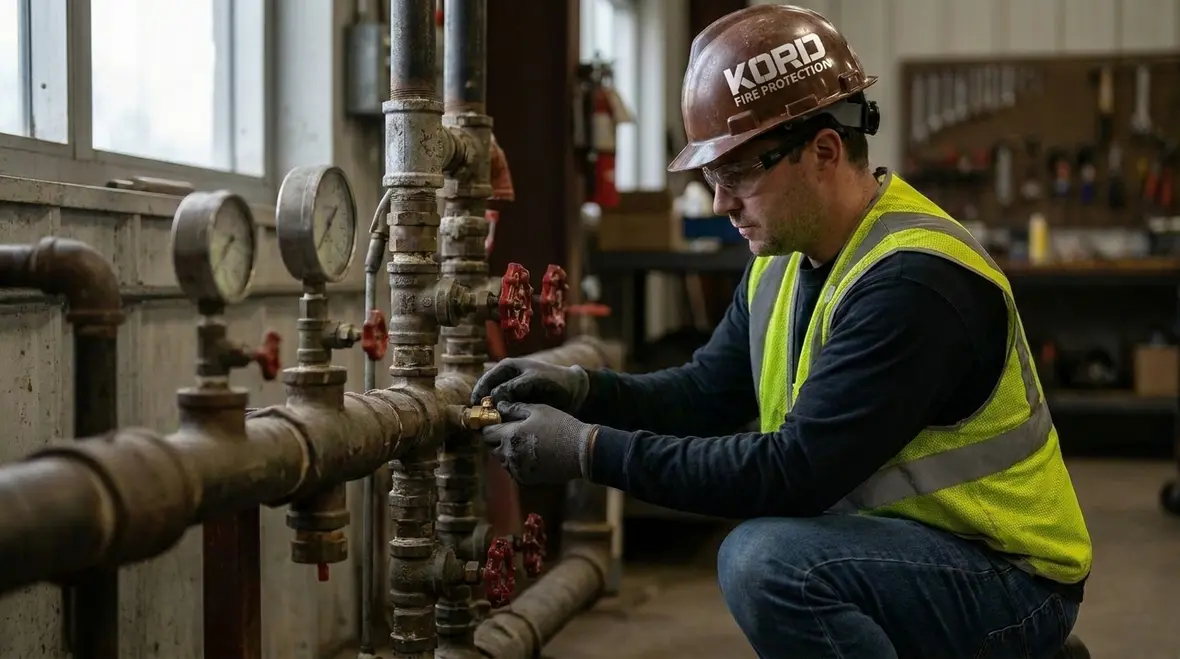
Quarterly to Annual Tasks Owners Should Never Skip
As the timeline grows, owners shift from visual-only checks to a maintenance rhythm that supports long term performance. Even if everything looks fine, sprinkler heads can still suffer from internal wear, aging parts, or subtle blockages.
During quarterly and annual windows, owners should expect technician involvement for tasks such as:
- Inspection of representative heads across the building, not just the ones in the easiest view.
- Verification of sprinkler temperature ratings and compatibility with the area’s heat sources.
- Review of corrosion risk based on humidity, chemical storage, and ventilation patterns.
- Coordination with maintenance work to ensure no one changes ceilings, lights, or ducting in ways that block spray patterns.
For businesses, quarterly follow ups also help align with tenant changes. When a new tenant moves in, storage habits shift, and so does the risk of accidental obstruction. In short, the building keeps changing, and the sprinkler system must keep up.
Owner timing
- Monthly visual check
- Document issues quickly
- Update access routes for techs
Kord Fire Protection timing
- Seasonal deeper review
- Quarterly or annual system checks
- Verify coverage, clearance, and supply
Why this rhythm saves money later
A consistent rhythm helps owners catch little problems while they are still little. Painted heads, creeping obstructions, moisture staining, and worn parts are all cheaper to address before they join forces and star in a failed inspection report. If you want a sense of what those avoidable headaches can look like after the fact, Kord Fire Protection’s article on a Failed Fire Sprinkler Inspection in Los Angeles County paints that picture with refreshing honesty.
How to Build a Clear Maintenance Timeline
A strong timeline reduces stress. It also reduces the “we will do it later” trap that every owner knows too well. Kord Fire Protection technicians typically recommend building a simple calendar and linking tasks to building events. For example, before major renovations, before seasonal humidity changes, and right after tenant move in.
Here is a practical yearly structure, using the sprinkler head inspection frequency guide approach as the foundation:
- Month 1 visual check and photo log, then confirm access to each sprinkler zone.
- Months 2 and 3 continue visual checks and fix small obstructions promptly.
- Month 4 schedule a technician review if the season shifts toward higher humidity or heavier tenant activity.
- Month 6 seasonal deeper review and clearance audit.
- Month 9 confirm conditions after summer changes and storage patterns.
- Month 12 annual review and next year planning with any renovation notes.
When owners follow this structure, they also improve reporting for insurers, landlords, or internal audits. Plus, technicians get accurate info, which saves time and keeps the work clean. And nobody enjoys a “surprise” work order when the ceiling is already closed and painted over again, like a plot twist no one asked for.
Some properties also need milestone inspections that go beyond the usual monthly and annual rhythm. If your system is approaching one of those deeper checkpoints, Kord Fire Protection’s Five Year Fire Sprinkler Inspection article is a useful reminder that long term reliability depends on more than what can be seen from the floor.
FAQ About Sprinkler Head Maintenance
Schedule Your Next Sprinkler Head Review
Sprinkler systems protect lives, and sprinkler heads set the stage for how well the system performs. Kord Fire Protection technicians can help owners build a clear plan that matches risk, season changes, and building updates, using a practical sprinkler head inspection frequency guide approach. If owners want fewer surprises and better peace of mind, they should schedule the next review now.
To move from planning to action, explore Kord Fire Protection’s Full Fire Protection Services page and schedule the right inspection support for your property. It is a clean next step for owners who want documented findings, dependable service intervals, and a system that is ready for the moment it matters most.

Join Our Newsletter!
Get the latest fire safety tips delivered straight to your inbox From our Newsletter.