Commercial Sprinkler System Water Damage Prevention Tips
Commercial buildings rely on sprinkler systems to protect lives and property, and yet commercial sprinkler system water damage can still happen when a head leaks, a valve sticks, or a pipe suffers a failure. That damage can spread faster than most people can file a claim, and it does not care if the issue started at 2 a.m. while everyone slept like it was a sitcom. Still, when a team handles risk early, the same system that saves the day can also limit the mess that follows. Kord Fire Protection technicians explain practical steps that reduce the chance of unwanted discharge, shorten the time water sits where it should not, and guide building teams through a smarter response plan.
How commercial sprinkler systems leak, and why water damage starts small
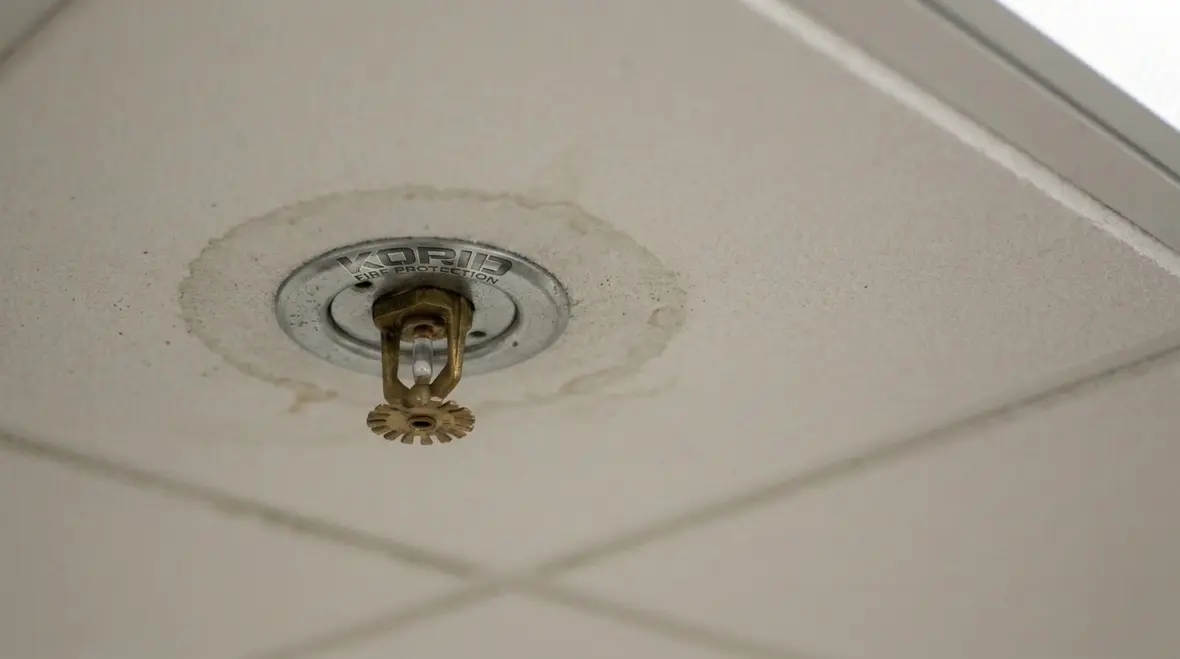
Most water incidents begin as tiny problems that grow quietly. For example, a sprinkler head can develop a leak from a damaged seal, a rough installation, or a corrosion spot that slowly widens over time. In addition, a pressure shift can nudge a valve into the wrong position, and that can lead to partial flow that looks harmless until it soaks through ceiling tiles, walls, and insulation.
Furthermore, water does not follow common sense. It finds weak points, travels along ducts and cable trays, and then shows up where nobody planned. As a result, commercial sprinkler system water damage often arrives in phases: first a damp smell, then discoloration, then sagging finishes. Kord Fire Protection technicians typically point out that early signs matter, and they help teams connect those signs to sprinkler components rather than treating each symptom like an isolated problem.
What building teams should notice early
A ceiling stain may look like a roofing issue. A damp mechanical room may look like condensation. A small drip at a sprinkler fitting may look too minor to matter. That is exactly how nuisance water damage earns its first win. Teams that investigate these signals early usually have more options, lower repair costs, and fewer surprise phone calls that start with, “You should probably come see this.”
Risk planning with Kord Fire Protection technicians: inspection that actually changes outcomes
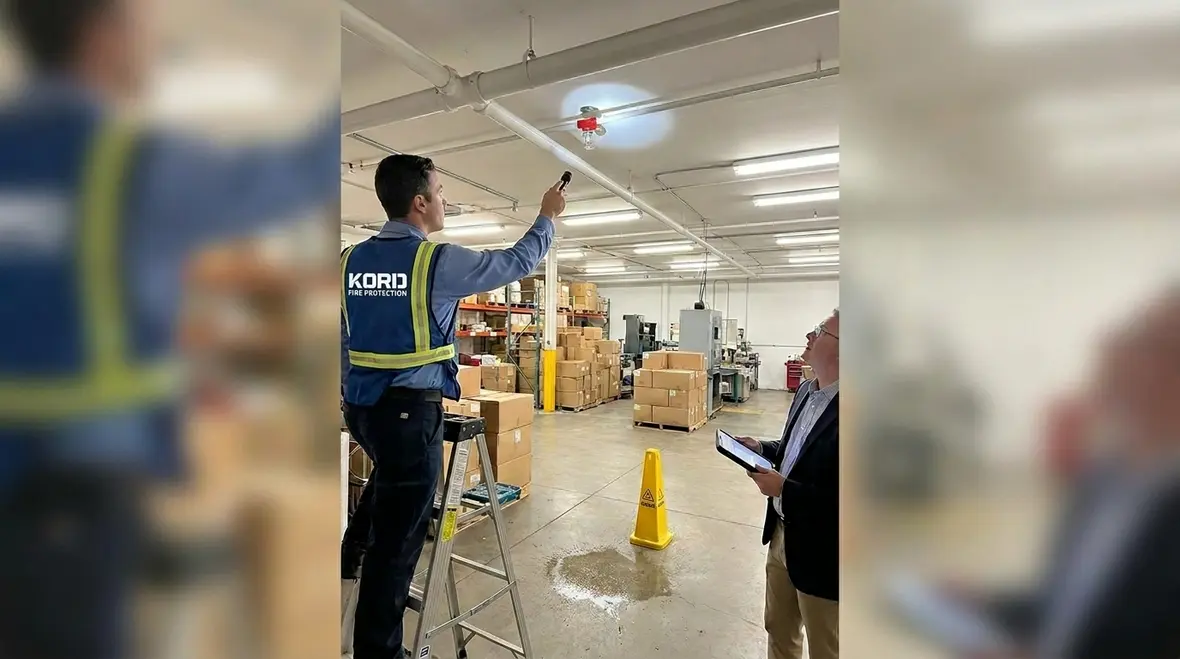
Commercial risk planning should not feel like a checkbox exercise. It should guide decisions that lower the odds of discharge and reduce the impact if discharge occurs. To do that, technicians review system history, check for recurring trouble spots, and verify that hazards match current building use. Then they recommend adjustments when tenant changes, added storage, or new racks increase the risk around the system.
Moreover, Kord Fire Protection technicians explain the difference between a “pass” and a “healthy system.” A system can meet a minimum standard yet still carry hidden stress. Therefore, teams benefit from a detailed walk through that includes physical condition, valve access, water supply indicators, and clear paths for emergency response. When people know where to look and what to expect, they respond faster, and faster response usually means less damage.
Why inspection details matter beyond a pass or fail
A strong inspection process looks at wear patterns, access issues, corrosion clues, and how the building is being used right now, not how it was used five tenants ago. Kord Fire Protection’s wet sprinkler system inspection approach emphasizes system condition, communication, and readiness so facilities teams can act before a small issue starts writing its own expensive sequel.
This kind of planning also helps property managers prioritize work. Instead of reacting to every issue with the same urgency, they can separate cosmetic concerns from system threats, stage repairs sensibly, and avoid the all-too-common strategy known as “hope and a mop.”
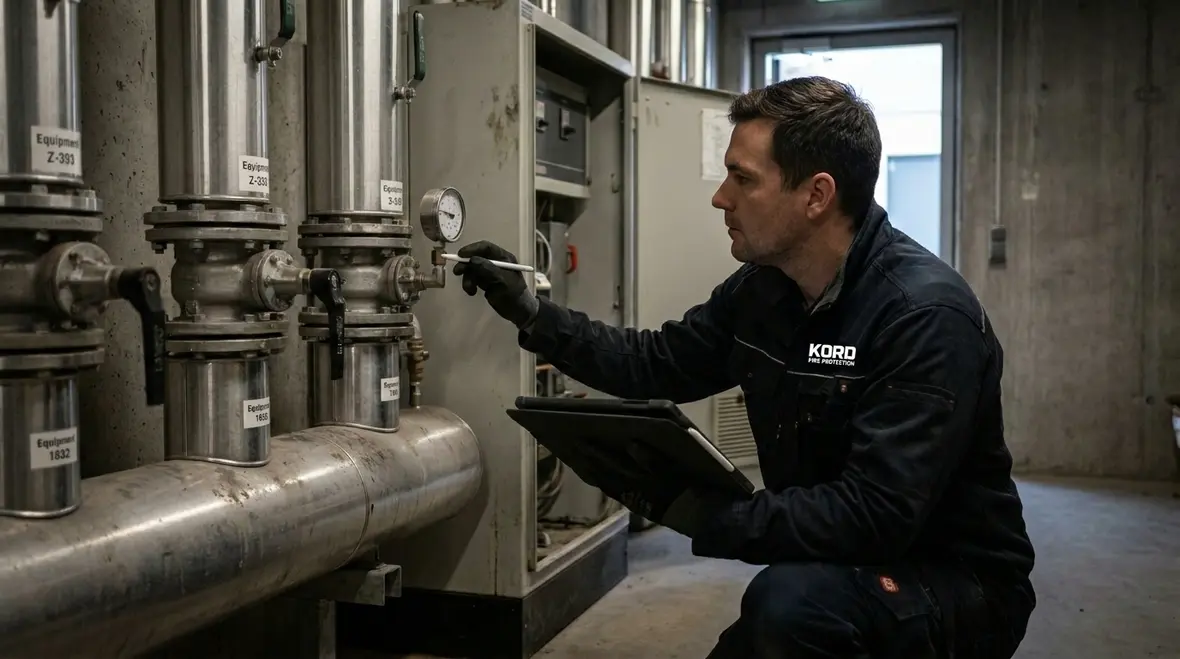
Water damage gets worse when response times slip
Once water starts flowing, delay becomes the enemy. And yes, delays happen even in good organizations. Someone waits for a work order. Someone else waits for approval. Meanwhile, water keeps moving because the system continues until it is controlled.
So, the goal is to reduce the time between detection and action. That means clear roles, quick notification rules, and pre made procedures for shutting down sections when allowed by the system design. In addition, building teams should coordinate with maintenance, fire watch plans, and restoration partners so they know what to do immediately after water stops. This approach prevents the next phase of problems, which usually involves mold risk, damaged electrical components, and weakened building materials.
Kord Fire Protection technicians often stress that a smart response plan should link to system type, waterflow monitoring method, and control valve location. When these items are known ahead of time, the building team acts with confidence instead of improvising under pressure. And that is how smaller incidents stay smaller.
Build a response plan before anyone needs it
- Identify who receives alarms and who confirms the event onsite.
- Map each control valve and zone clearly for staff and emergency responders.
- Document when shutdown or isolation is allowed under the system design.
- Keep restoration contacts ready so drying begins as soon as conditions are safe.
- Review the process after every incident, even the weird little ones.
Prevent failures through smarter maintenance, not guesswork
Maintenance reduces failures, but not all maintenance schedules work the same way. A schedule that focuses only on paperwork can miss real wear. Therefore, teams should combine required inspections with targeted checks based on system age, occupancy, and observed conditions.
Common prevention steps include verifying that sprinkler heads remain clear of obstruction, checking for signs of corrosion, and confirming that valve areas stay accessible and dry. Also, teams should watch for issues caused by building activity such as ceiling modifications, moving racks, or construction dust that can interfere with monitoring equipment.
In many cases, proper maintenance also improves water spread control. For instance, ensuring that drainage pathways work as designed helps limit pooling after incidental discharge or activation events. As a result, commercial sprinkler system water damage becomes less of a surprise and more of a managed risk.
Maintenance habits that pay off
Smart maintenance is not flashy, but it is effective. Teams that routinely document changes in occupancy, inspect post construction conditions, and track repeat trouble spots usually catch issues before they become dramatic. And dramatic is fun in television, not in a commercial ceiling cavity full of water.
Control systems, valves, and monitoring: reduce discharge that nobody asked for
Sprinkler systems operate through a chain of components, and one weak link can trigger a bigger event. Control valves, alarm devices, and pressure regulators all play a role. If a valve sticks or a monitor fails to alert the right person quickly, then an incident lasts longer, and the water has more time to spread.
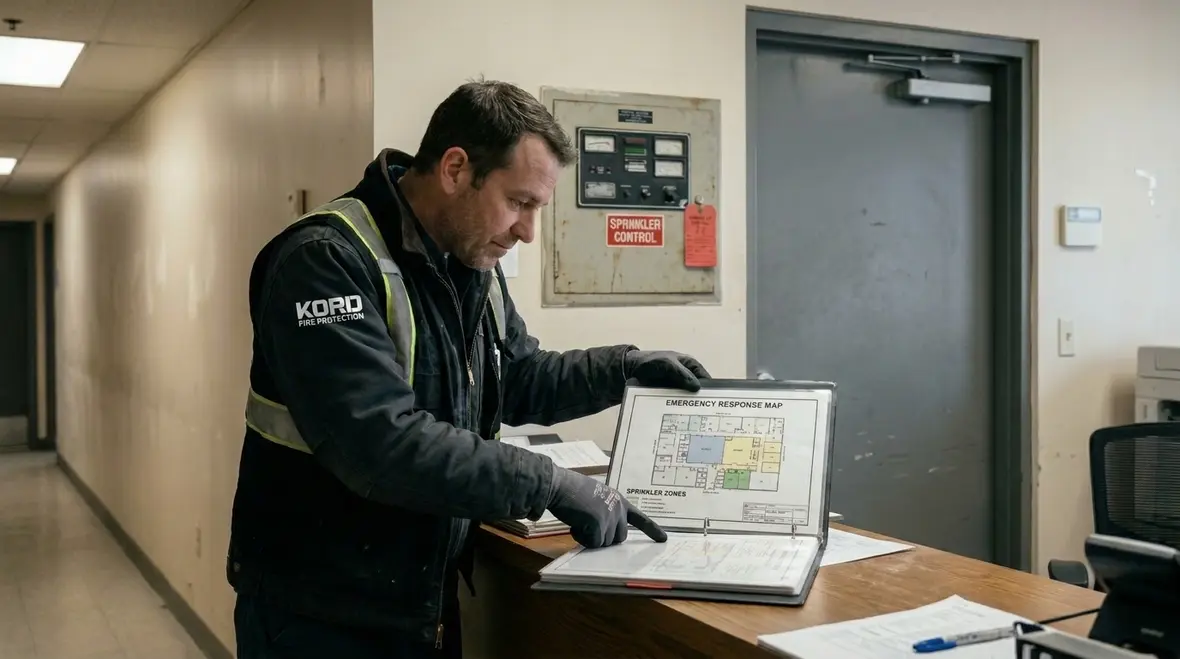
Meanwhile, monitoring can help teams act sooner. Waterflow alarms, supervisory signals, and panel messages should route to the right contacts. Then the building team needs training on what those signals mean in real life. Kord Fire Protection technicians recommend that facilities keep a clear map of control zones, include it in the emergency binder, and review it with staff so people do not stand around looking at a control cabinet like it is a mysterious vending machine.
When monitoring and valves work as intended, the system can still protect life. Yet the odds improve that unintended discharge stays limited, which directly reduces the risk of ongoing structural harm. Teams coordinating sprinkler performance with fire alarm service systems gain better visibility into alarms, supervisory events, and response timing, which supports faster decisions when every minute matters.
Design and retrofits that limit damage without compromising safety
Some upgrades focus on faster isolation and better drainage rather than simply “more hardware.” For example, zoning strategies can limit the amount of water released if a component activates unexpectedly. Likewise, improved access to valves helps crews control flow quickly while staying within safe procedures.
In older buildings, retrofits may also address hidden issues such as undersized drains, outdated piping, or areas with recurring corrosion. When teams update those parts, the system performs more reliably. Also, when renovation projects occur, the system design should reflect the current use. A storage area added without adjusting sprinkler coverage can create outcomes nobody wants.
Because the goal is both protection and property care, technicians often encourage coordination between fire safety and building engineering. That way, upgrades support safe operation and help curb commercial sprinkler system water damage from becoming a recurring expense.
When to consider broader service support
If a property is juggling sprinkler issues, alarm coordination, inspection scheduling, and repair priorities at the same time, a broader support plan can simplify everything. Kord Fire Protection’s full fire protection services page is a useful next stop for facilities that want inspections, maintenance, and readiness managed through one experienced partner.
FAQ about commercial sprinkler system water damage
Take action now to protect property and reduce water losses
Commercial buildings deserve protection that includes damage control. When a team plans inspections, improves monitoring, and builds a clear response workflow, it reduces commercial sprinkler system water damage without sacrificing life safety. Kord Fire Protection technicians help facilities spot weak points, align system care with real building use, and support smarter retrofits when needed.
Do not wait for damp ceilings to teach the lesson. If your property needs a clearer plan for inspections, monitoring, and coordinated response, explore Kord Fire Protection’s related service options and take the next step toward a stronger sprinkler program. The best time to reduce water damage risk is before the ceiling starts auditioning for a disaster movie.

Join Our Newsletter!
Get the latest fire safety tips delivered straight to your inbox From our Newsletter.