Sprinkler Freeze Prevention Methods by Kord Fire Protection
In cold climates, people wait for the first freeze like it is some dramatic season finale, but water does not care about plot twists. That is why Sprinkler freeze prevention methods matter early. Our Kord Fire Protection technicians start with smart planning, then they pair it with proper insulation, correct control settings, and drainage checks. However, the real win comes from routine maintenance that catches small issues before they turn into costly valve failures. And yes, this is the kind of work that feels less like magic and more like doing the boring stuff right, which is exactly why it works.
Cold weather sprinkler risks and why prevention beats repair
Sprinkler systems in freezing areas face a simple enemy: trapped water. When temperatures drop, water expands as it freezes, and that can crack pipes, damage fittings, or stall a sprinkler head. Meanwhile, ice can block drainage pathways, so the system never clears as it should.
To prevent that, technicians focus on the conditions that make freezing likely. For instance, systems installed in unheated spaces need extra attention. Likewise, any portion of the piping that runs through attics, crawl spaces, garages, or exterior walls can cool quickly. As a result, the system may freeze even if the building stays warm.
Why trapped water becomes such an expensive problem
A freeze issue rarely stays polite. What starts as a hidden pocket of water can turn into split pipe, damaged trim, soaked insulation, and a repair call nobody wanted to schedule. That is also why preventive service matters more than heroic cleanup. Repair is louder, more expensive, and somehow always arrives when the weather is at its rudest.
How Kord Fire Protection technicians approach winter readiness
Our team does not treat winterization like a one-time checklist. Instead, Kord Fire Protection technicians build a plan based on the system layout, occupancy risks, and local weather patterns. Then they verify that every component supports safe operation during cold snaps.
First, they inspect the system for water retention points. Next, they confirm that the freeze control devices are present where needed and that they function as designed. After that, they review the control panel behavior and temperature settings. Finally, they look at drainage and low point configurations so the system can empty or stay protected, depending on the design.
Because weather shifts fast, technicians also recommend seasonal follow ups. After all, a system that passed last year can still develop a problem when a valve, insulation, or access cover gets changed.
That same planning mindset is what makes a thorough wet sprinkler system inspection so useful. Winter readiness works better when the system is already being reviewed with a methodical eye instead of a last-minute shrug and a flashlight with weak batteries.
Insulation, heat tracing, and keeping water moving
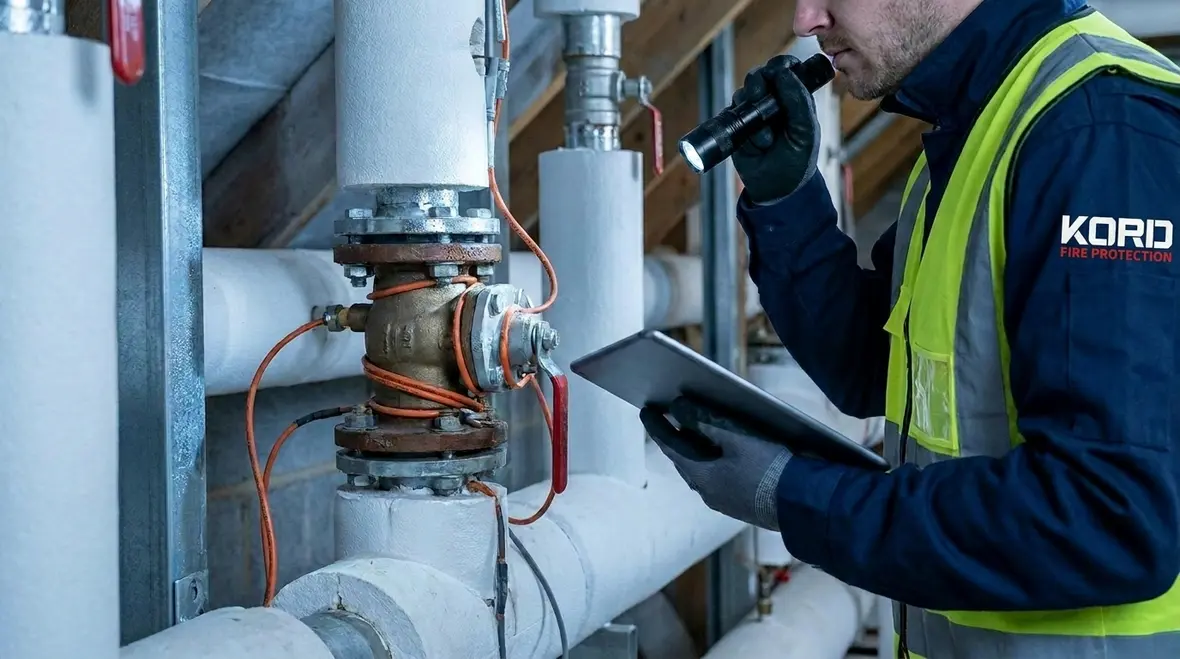
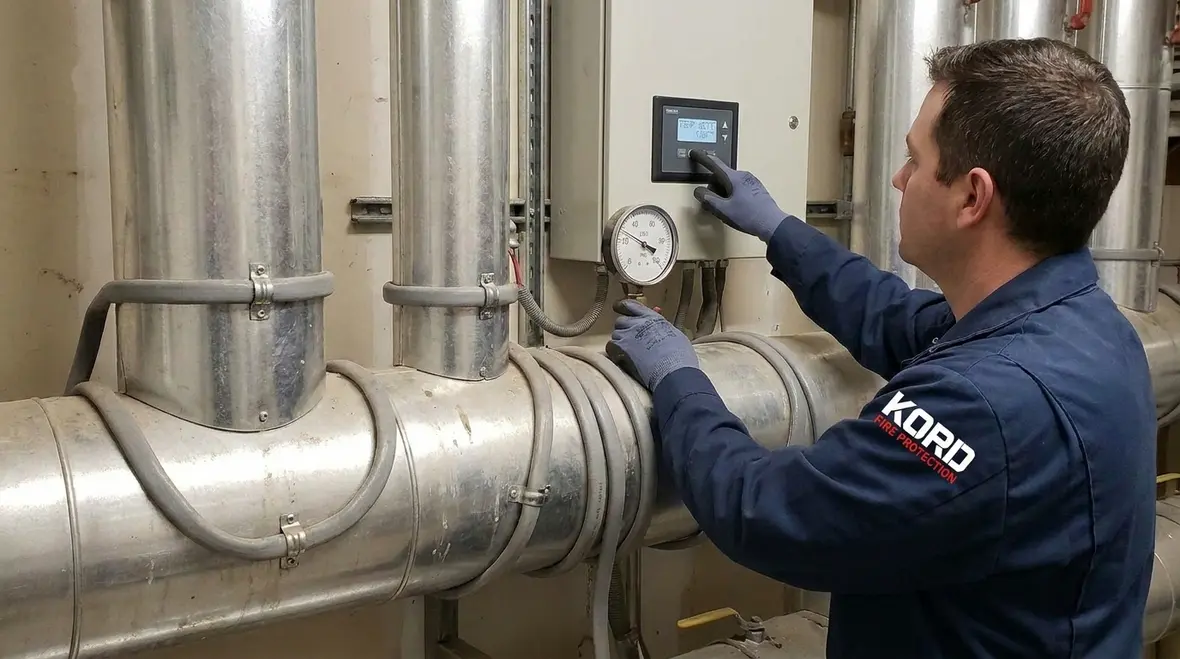
When installers protect piping, they must do it in a way that stays reliable through vibration, moisture, and long winters. Insulation helps slow heat loss, and when paired with heat tracing it can prevent freezing during short drops in temperature.
However, insulation alone does not always solve the issue. If heat tracing is required by the system design, technicians verify that the tracing runs continuously across the coldest sections. Then they confirm it connects correctly at each end. This matters because a single loose connection can turn “protected” into “surprise ice sculpture.”
Also, freeze prevention relies on proper flow and drainage. Where the system design includes drainage features, maintenance must ensure those paths stay clear. That includes checking for debris, corrosion, or valves that stick after long dry periods.
The boring details that do the heavy lifting
Good freeze protection is usually a collection of unglamorous victories. Secure insulation jackets. Properly supported trace lines. Dry enclosures. Clear drain paths. None of that sounds dramatic, and that is exactly the point. Reliable systems are often the result of small details being handled correctly before winter tries to make everything weird.
Drainage checks and control settings that reduce freeze stress
Sprinkler systems often depend on specific control behavior in cold conditions. For wet systems, the goal is to keep water from freezing in exposed piping. For other designs, systems may rely on drain down features or specialized controls that allow sections to empty safely.
Therefore, technicians review the control logic and confirm the setpoints match the intended freeze protection strategy. If a control device turns on too late, it buys you just enough time for freezing to start. If it turns on too early, it may wear components out faster, which is a fun way to speed up maintenance budgets.
Next, they check for low point drains and ensure the piping slopes support proper drainage. If a line traps water due to poor slope or a damaged fitting, freezing risk grows. In addition, they verify that any test connections and auxiliary drains work as expected and that they discharge to an approved location.
Protecting valves, backflow devices, and other vulnerable parts
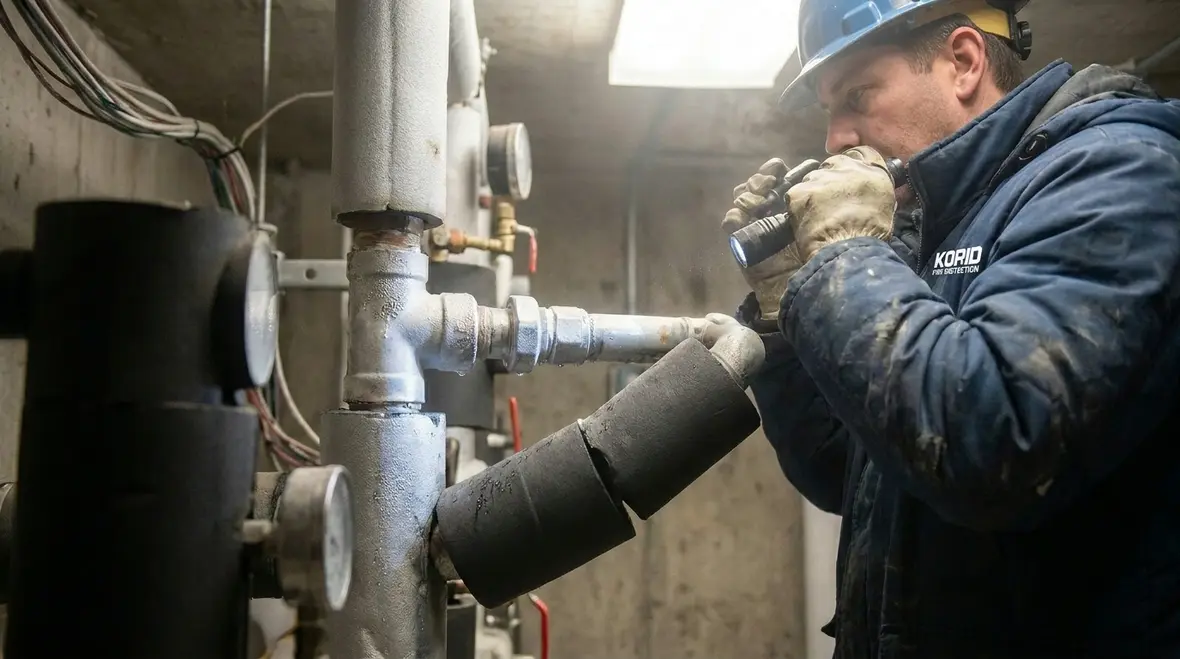
Pipes receive most of the attention, but freeze damage often shows up where components sit and where heat loss concentrates. Valves, backflow preventers, drain assemblies, and control devices can freeze even when the main piping seems fine. That is why winter readiness includes more than wrapping pipe.
Our Kord Fire Protection technicians check insulation coverage around valves and verify that any approved enclosures stay sealed and dry. They also examine access panels in mechanical rooms so heat does not leak away from protected areas. Moreover, they confirm that the system has the right spacing, guards, and protective coverings to keep physical damage from breaking insulation or heat tracing.
In real buildings, people change things. Someone remodels. Someone stores items near a riser. Then airflow shifts. By inspecting these key parts before the deep freeze season, technicians reduce the chance of a “works in spring, fails in January” moment.
Why component protection deserves its own attention
It only takes one weak point to create a bigger failure. A poorly sealed enclosure or damaged valve insulation can quietly undo the protection around an otherwise solid system. Winter does not grade on a curve. It looks for the one neglected detail and then makes it everybody’s problem.
Inspection routines that catch issues before the first deep freeze
Successful Sprinkler freeze prevention methods depend on consistent inspection, not just a springtime “we survived” report. Technicians usually follow a routine that includes visual checks, functional verification, and documentation. Then they compare what they find against prior results to spot patterns.
Key tasks include checking for missing or damaged insulation, verifying that heat tracing operates as specified, and confirming that temperature control devices respond correctly. Technicians also look for signs of moisture intrusion, corrosion, or insect damage in protected spaces.
To keep systems ready, they recommend scheduling before the cold season peaks. Additionally, they suggest monitoring after major weather swings. When freeze events happen, even small changes in building conditions can alter how the system behaves.
In short, consistent checks turn risk into a trend you can manage, rather than an emergency you have to explain to the fire marshal and a very unimpressed landlord.
For teams already planning seasonal service, Kord Fire Protection also offers broader fire protection services that help align inspections, testing, repairs, and readiness under one schedule. That kind of coordination becomes very attractive once winter starts making surprise appearances at 5 a.m.
Upgrading for colder zones and unusual building layouts
Not every building faces the same freezing profile. Older structures may have hidden pipe runs, older insulation types, or layout changes that create new cold spots. Newer buildings can also struggle when mechanical rooms sit over unheated spaces or when exterior wall penetrations expose sections of piping.
Therefore, upgrades sometimes include rerouting piping, improving insulation, adding or correcting heat tracing, and sealing penetrations. Technicians also evaluate whether the current system design matches today’s risk level. If the building has changed use, occupancy, or storage materials, the system may need a review.
When upgrades happen, our Kord Fire Protection technicians focus on maintaining safe performance. They coordinate with installers and building teams to prevent new faults. And they make sure testing after the work is real testing, not the kind you do while holding your coffee and hoping for the best.
FAQ
Call Kord Fire Protection for winter-ready planning
Cold weather does not negotiate, and sprinkler systems do not get “extra credit” for good intentions. Instead, buildings need dependable winter readiness built on inspection, correct protection, and reliable control behavior. Kord Fire Protection technicians can evaluate your system layout, identify cold spots, confirm freeze prevention performance, and set a practical seasonal routine.
Schedule an assessment now so your first deep freeze becomes just another day, not a headline. Act early, and protect the system you count on. If you need a broader partner for inspections, repairs, upgrades, and coordinated support, explore Kord Fire Protection’s full fire protection services and move into winter with a little less suspense and a lot more confidence.

Join Our Newsletter!
Get the latest fire safety tips delivered straight to your inbox From our Newsletter.