ORR Fire Protection Systems deliver engineered fire protection systems that help protect people, property, and business continuity. In this article, the reader gets a clear look at how these systems work, where they fit in real projects, and what makes them different from off the shelf setups. Along the way, Kord Fire Protection Technicians explain key details in plain language, because good fire safety should never feel like a mystery novel with the ending missing. And yes, like most safety topics, it can sound dry at first. However, once the pieces connect, the story becomes simple, practical, and worth the effort.
Overview of how engineered fire protection systems work
Engineered fire protection systems start with design, not guesswork. First, a qualified team evaluates the building’s risks, occupancy type, layout, hazards, and local enforcement expectations. Then the team selects fire protection strategies that match the scenario. Instead of relying on a generic approach, ORR Fire Protection Systems uses engineering decisions to tailor performance goals.
Next, the design team links the system components into one coordinated response. For instance, detection, alarm, and suppression methods work together so the building reacts quickly and in the right way. In many cases, designers use hydraulic calculations, smoke control input, and activation timing assumptions to keep performance consistent. At this point, Kord Fire Protection Technicians often step in to clarify how the system will behave during a real event, not during a rushed walkthrough.
Finally, the project moves from design to installation and then to verification. During acceptance testing, the team checks that the system functions as intended. Therefore, the building does not just “have equipment.” It has a designed sequence of safety actions. That matters, because fire protection that works on paper but fails in practice is like a smoke alarm with a dead battery. It looks fine until it really matters.
Real world use cases for engineered fire protection systems
Engineered fire protection systems earn their keep in places where fire behavior and building design do not follow simple patterns. For example, mixed use buildings often include complex corridors, multiple occupancy types, and variable fire load. As a result, designers may tailor detection placement, alarm zoning, and suppression coverage to keep response times tight.
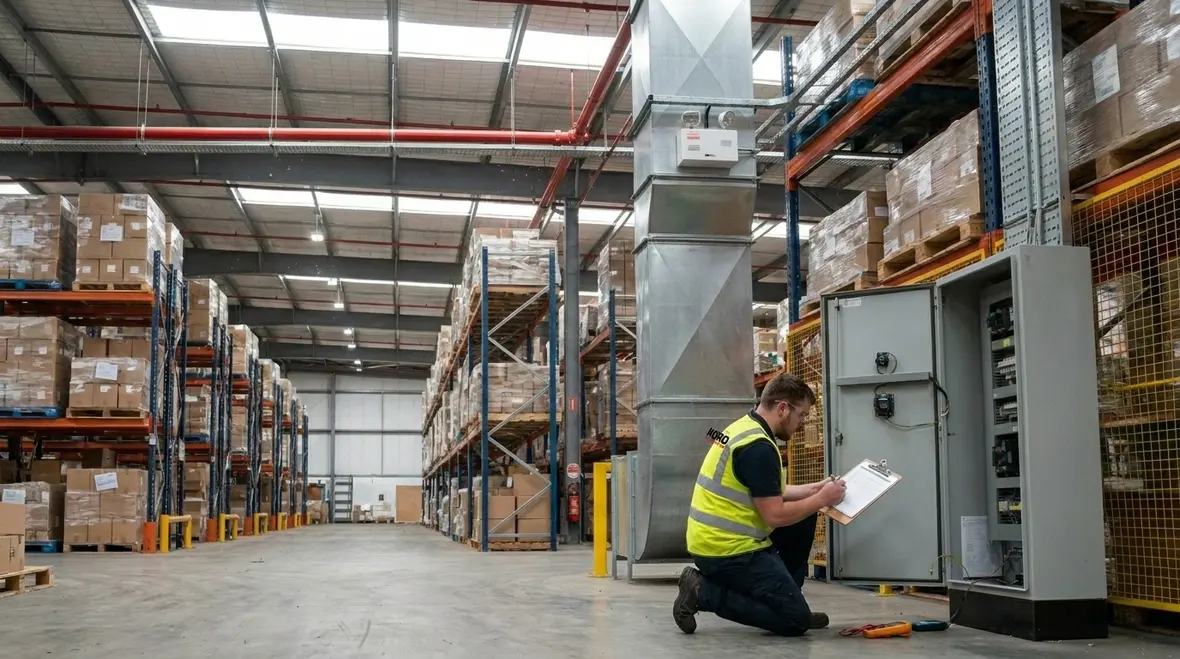
In warehouses and distribution centers, fire spread can accelerate quickly because of rack storage, commodity variety, and ventilation patterns. Then the engineering approach helps select system type and layout so the suppression or control strategy matches the hazard. Kord Fire Protection Technicians frequently explain how to think about coverage in these spaces, since airflow and obstructions can affect how heat and smoke move.
In healthcare and assisted living, the goal focuses on life safety and minimizing interruption. Therefore, engineered solutions may address early warning, selective activation, and reliability targets. Meanwhile, facilities teams care about downtime and maintainable access. That is where engineering coordination helps, because the system must protect people without turning routine maintenance into a full day escape room.
Finally, specialty spaces like data centers, chemical storage rooms, or industrial process areas often need careful hazard mapping. Engineers evaluate the materials and likely ignition sources, then integrate detection and response methods to fit the facility. In short, the “one size fits all” idea breaks down fast in real buildings, and that is exactly why the engineering layer matters.
Strengths and weak points of ORR fire protection systems
ORR Fire Protection Systems typically offers strong benefits when the design and installation follow sound standards. One major strength is better alignment between the hazard and the response. Instead of generic coverage, engineered fire protection systems focus on the building’s real conditions, which can improve performance and reduce unnecessary complexity.
Another strength is coordination. When the detection and alarm functions match the suppression or control strategy, the system supports an organized response. That can reduce confusion during emergencies, and it can help responders take the next right step faster.
However, there are weak points worth acknowledging. First, engineered solutions demand good design inputs. If the facility provides inaccurate plans, outdated ceiling heights, or missing hazard details, the resulting design may miss important constraints. Second, complex systems can cost more upfront. Yet the value often shows up later through fewer surprises during inspections and a better match to real fire conditions.
Finally, the human factor matters. A sophisticated system still needs staff training, clear documentation, and disciplined maintenance. Without that, even the best engineered fire protection systems can underperform. As Kord Fire Protection Technicians like to say, a system does not “care” that the building is busy. It just wants proper testing and the right parts in the right places.
Ongoing maintenance needs and how technicians verify performance
Maintenance keeps engineered fire protection systems reliable. It does not happen once during the install and then disappear. Instead, it runs on a schedule driven by code, manufacturer needs, and risk level. Therefore, facilities should plan for inspections, functional tests, and component upkeep.
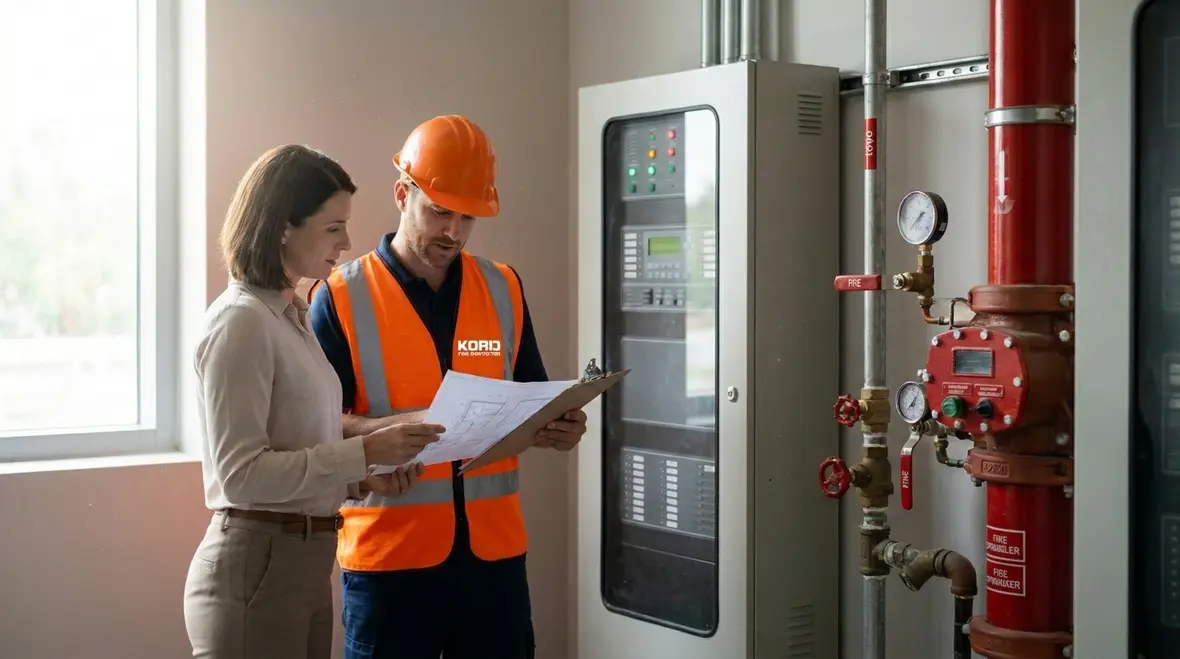
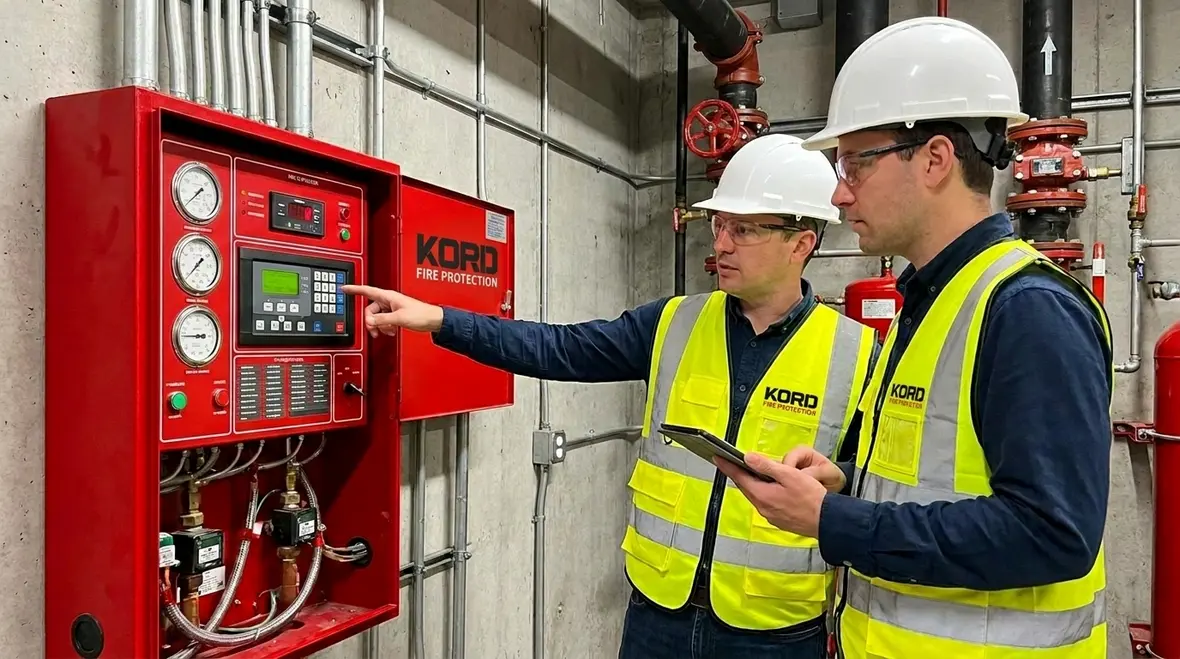
Technicians typically check key items such as alarm device status, suppression component readiness, control panel conditions, and field device signal strength. They also confirm that valves and switches remain in their correct positions and that control sequences operate as designed. In addition, they review logs and service history so patterns do not hide problems.
During inspections, Kord Fire Protection Technicians often explain what matters most to the system’s “story.” For example, detection sensitivity and response timing must align with occupancy behavior. Likewise, any changes to ceiling layouts, rack arrangements, or storage practices can impact performance. So, after renovations or operational shifts, the system may need updates.
NFPA and local code requirements that guide compliance
Fire protection systems must follow recognized codes and standards. Nationally, many projects reference NFPA standards, along with local amendments from the authority having jurisdiction. The exact set depends on the building type and system approach. Common NFPA references include:
- NFPA 13 for sprinkler systems, including design, installation, and inspection requirements
- NFPA 72 for fire alarm systems, covering signaling, testing, and service
- NFPA 25 for inspection, testing, and maintenance of water based fire protection systems
- NFPA 101 for life safety requirements based on building occupancy
- NFPA 5000 and related standards for building safety and integrated fire protection concepts in some project frameworks
Local codes can add specifics about alarm reporting, inspection frequency, or documentation formats. Therefore, the project should confirm requirements with the local authority before finalizing design submittals. When the design and maintenance plans match code, the facility reduces the risk of failed inspections and costly change orders.
How to select and implement engineered fire protection systems in a facility
Choosing the right engineered fire protection systems takes a structured path. First, the facility team should gather accurate building data and hazard details. Then the design team maps risks to protection methods. After that, engineers coordinate with installation teams to ensure the field can match the plan.
Next, the facility should set expectations for commissioning and acceptance testing. The building needs to prove that the system performs as designed. Then the team should establish a maintenance plan that lists inspection intervals, responsible parties, and test records. Finally, staff training helps people understand what the system does, when it activates, and how to respond.
Because changes happen in real buildings, organizations should also include a change management step. When someone moves storage racks, modifies a ceiling, or adds equipment, the fire protection plan should review impacts. In other words, engineered systems stay effective when the facility treats them like living safety tools, not like paperwork that gets filed and forgotten.
Dual perspective: strengths in the field and checkpoints in planning
To keep the process grounded, here is how teams often view engineered fire protection systems, side by side.
|
Field perspective (what matters day to day) Device access, clear labeling, correct component placement, documented testing, and quick response to service calls. |
Planning perspective (what auditors and engineers expect) Accurate design basis, compliant calculations, correct zoning and sequences, code aligned submittals, and verification testing. |
FAQ
Conclusion and next steps for safer protection
Engineered fire protection systems work best when the building team treats them like a planned safety strategy, not a one time install. ORR Fire Protection Systems brings engineering focus, coordinated design, and practical field verification. And when Kord Fire Protection Technicians explain the system clearly, the facility gains confidence in performance and compliance. If the reader wants a safer plan with fewer surprises during inspections, it is time to schedule a review. Contact the team today and build a protection strategy that holds up when it counts.
If you want a deeper look at how modern systems coordinate during a real event, check out Fire Protection Systems Components and Coordination.
Ready for a safer, code-aligned protection plan?
To keep engineered protection working the way it is supposed to, start with inspections, service, and verification. Explore our fire protection services and get matched with a plan that fits your facility.
Know Your Weapon Before You Fight the Flame
Kord Fire Protection is your go-to when it comes to all things fire protection. For over 20 years, we’ve been serving Southern California with the quality service and equipment to keep your home or business safe at all times. Our competitive prices reflect our unwavering commitment to protecting what matters most in the event of a fire emergency. Give us a call, send an email, or use that form!

Join Our Newsletter!
Get the latest fire safety tips delivered straight to your inbox From our Newsletter.