Industrial Fire Protection System Design by Fireward
Industrial fire protection explained by Fireward Fire Protection Systems
In a typical plant, heat, smoke, and fuel sources sit side by side like they are on the same coffee break. Yet the industrial fire protection system design approach from Fireward Fire Protection Systems keeps that “calm chaos” from turning into a costly incident. It starts with a real assessment of hazards, space layout, and process risks, then it matches the right fire detection, suppression, and protection features to the way the facility actually operates. After that, technicians verify performance in the field and document the setup so it stays reliable as the operation changes.
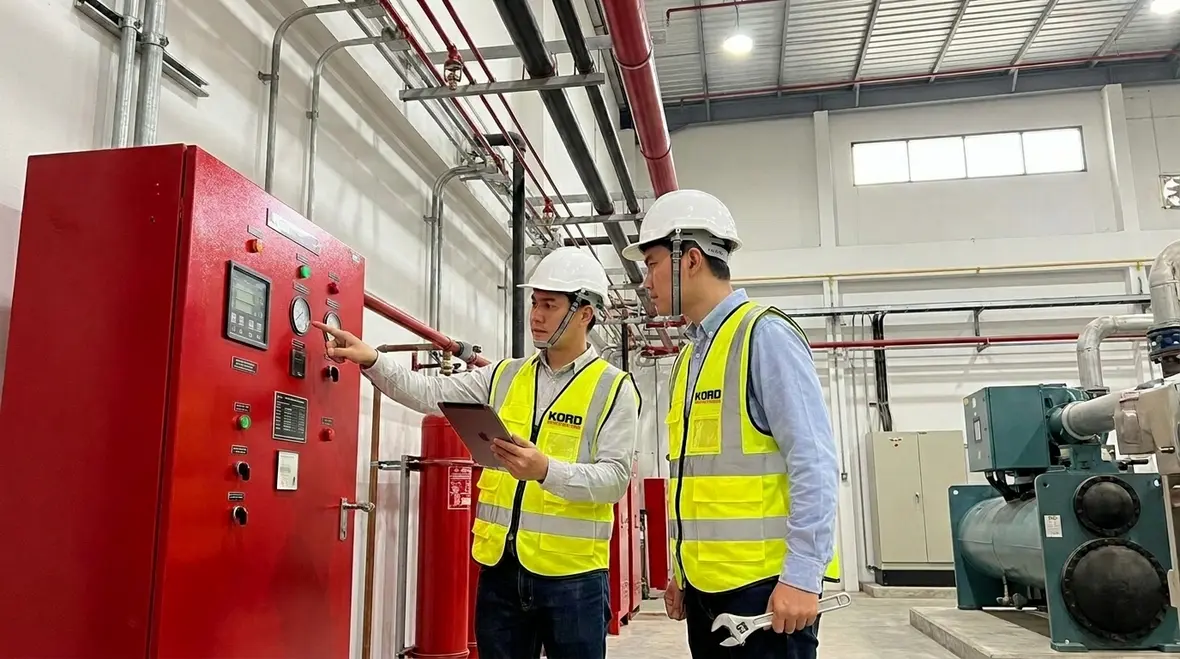
Throughout this article, kord fire protection technicians add practical context, because theory sounds great until someone tries to pull a gauge reading at 2 a.m. and the system decides to be stubborn.
How Fireward systems work in plain terms
Fireward Fire Protection Systems relies on a coordinated sequence: detect early, control quickly, and protect life and property. For most industrial settings, the design pairs detection and alarm methods with suppression and compartment features, so the fire does not spread faster than the response can manage.
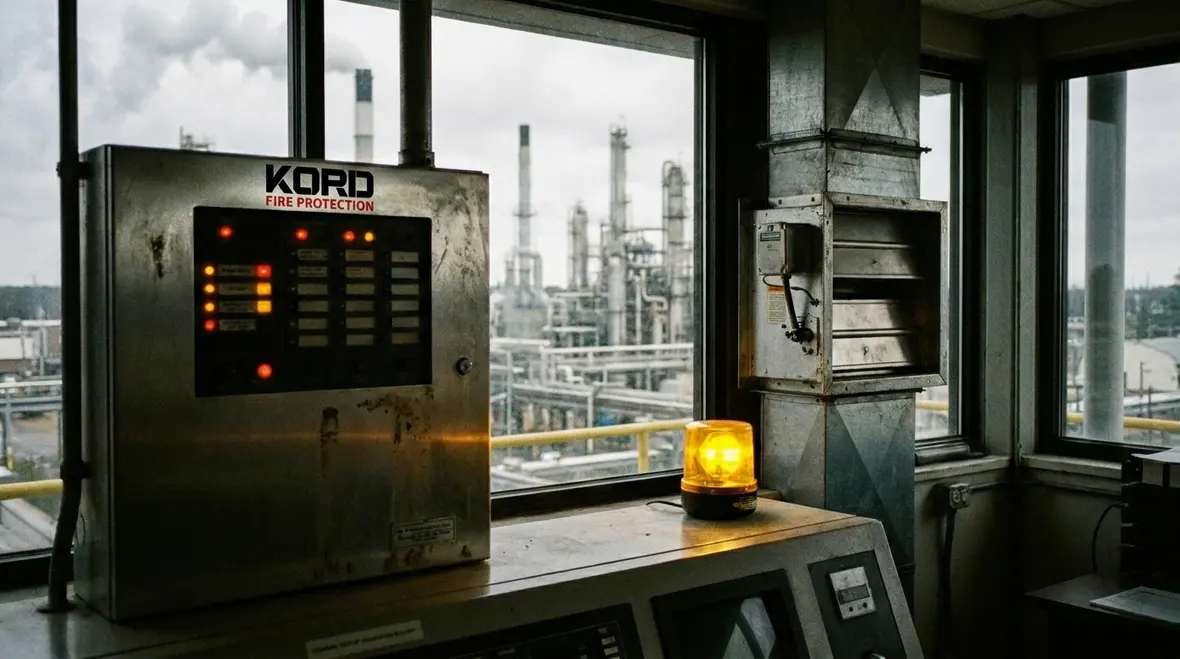
First, fire detection identifies abnormal heat, smoke, or flame signatures. Next, the control panel processes the signal, then it triggers audible and visual alarms and starts the right response plan. Then, suppression takes over. Depending on hazard classification, that may include water based protection, foam for flammable liquid risks, inert gas for select enclosures, or other system types suited to the fuel and occupancy.
Finally, protection supports safe evacuation and reduces damage. Fire dampers, smoke control features, and compartmentation help limit movement of heat and smoke. In the words of kord fire protection technicians, a well planned system does not just “work.” It works in the order it should, and it works when things get messy.
And yes, it is okay to laugh at the idea that a fire will follow the building plan. The whole job is about building a plan that still holds up when reality shows up early.
Real world use cases across industrial spaces
Fireward Fire Protection Systems supports different kinds of facilities, because industrial fire risk does not look the same from one building to the next. Therefore, design and installation must reflect the environment, not copy paste from a brochure.
Use case 1: manufacturing lines with dust and heat
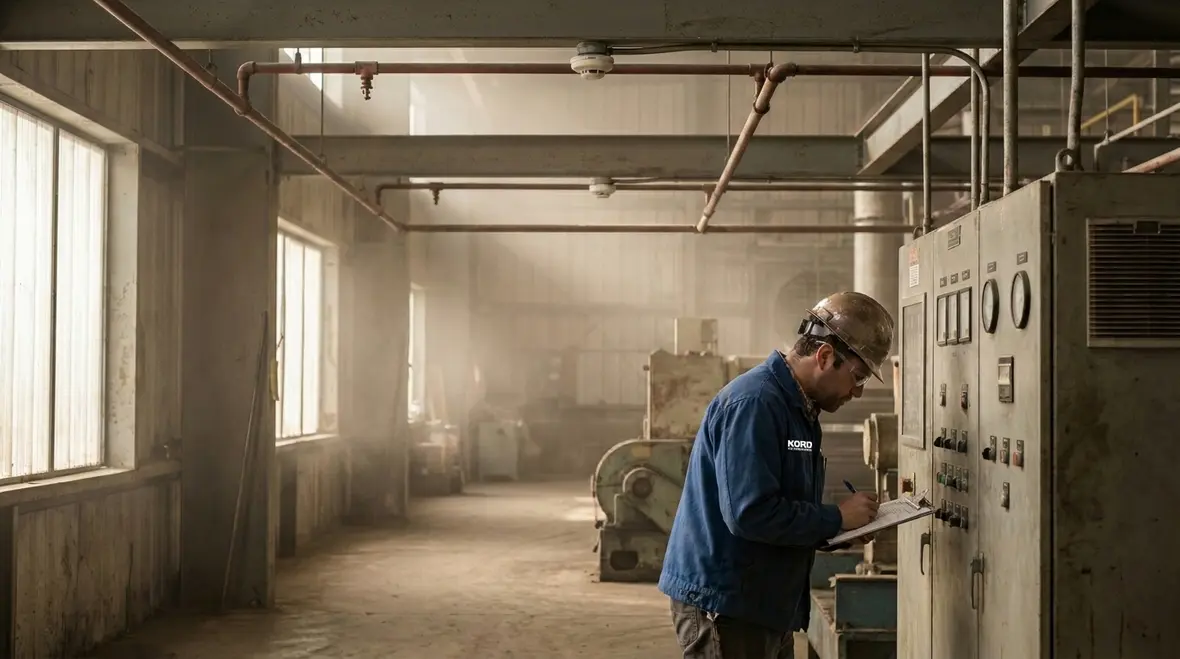
When combustible dust exists, the danger shifts. Dust can ignite and spread with speed. Accordingly, the design accounts for where ignition sources sit, how air movement carries particles, and which detection coverage makes sense for the geometry of the process area.
Use case 2: warehouses with rack storage
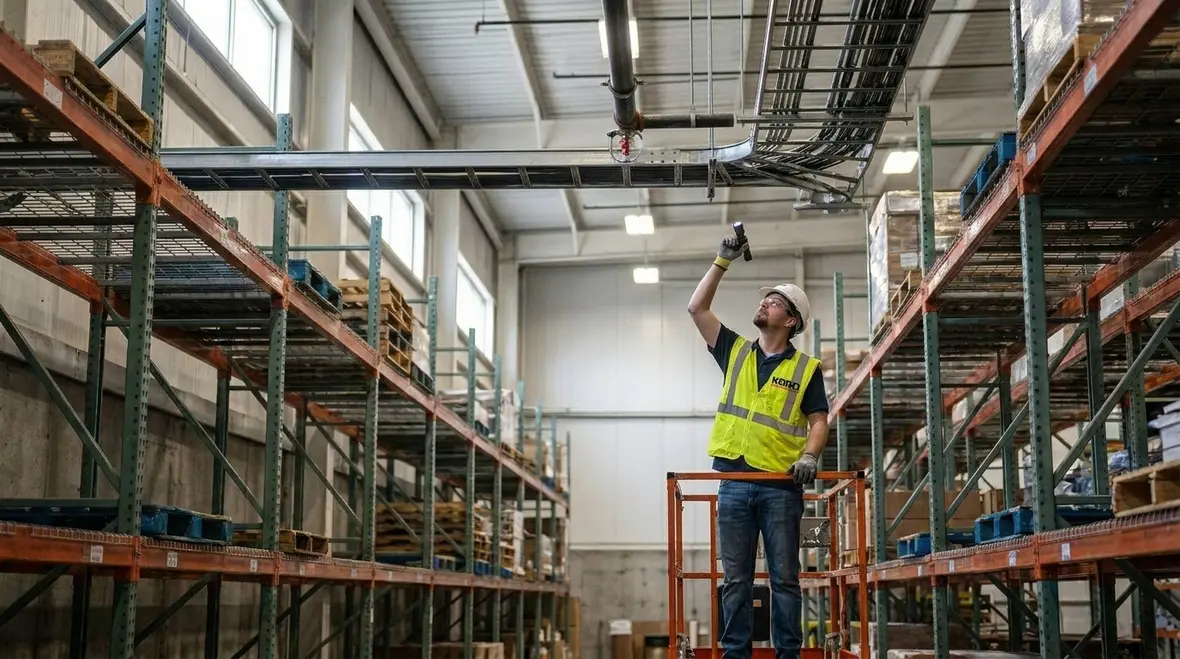
In rack storage, fire can travel along structural voids and rack levels. Consequently, protection features often focus on ceiling coverage patterns, aisle exposure, and water delivery performance. When sprinkler or alternative suppression systems exist, design details like obstruction rules and density assumptions matter.
Use case 3: flammable liquids and process rooms
In these areas, the goal is to control the fire without making the hazard worse. As a result, designers choose suppression approaches that match the fuel type and ventilation behavior. Foam systems, where used, need correct concentration and discharge characteristics so the blanket forms the way it was intended.
Use case 4: electrical rooms and control areas
Electrical hazards often create unique heat and smoke behavior. Meanwhile, detection types and placement must reduce false calls while still catching real conditions early. kord fire protection technicians often stress that spacing, beam placement, and software settings can decide whether alarms happen at the right moment or at an inconvenient time for everyone involved.
Strengths and weak points of these systems
Every industrial fire protection system design has strengths, and also limits. The job is to use the strengths and reduce the weak points through good engineering, quality installation, and smart inspections.
Strengths
- Targeted coverage helps the system respond to real hazards rather than generic assumptions.
- Coordination between detection, alarm, and suppression improves response speed.
- Documentation supports ongoing reliability, because facilities need proof of compliance and performance.
- Scalability allows updates as lines expand, new rooms open, or storage patterns change.
Weak points
- Design gaps can happen when renovations occur without updating the fire plan. Then the protection may not match the new layout.
- Obstruction issues can reduce effectiveness. Even when equipment seems unchanged, ceiling height, cable trays, or new racks can alter conditions.
- System neglect leads to slow failures. Valves stick. Sensors drift. Drains clog. It is boring, but it is also real.
So the smart approach is not to treat fire systems like a set it and forget it gadget. Instead, facilities should treat them like critical machinery. After all, an alarm that works today but not tomorrow is just a very loud rumor.
Ongoing maintenance that keeps coverage reliable
Maintenance keeps systems accurate, safe, and ready. And while the schedule matters, quality matters more. Fireward Fire Protection Systems typically relies on a mix of inspections, testing, corrective work, and record keeping. In addition, kord fire protection technicians often run point on routine verification because they know which parts fail quietly and which failures become obvious only during testing.
Typical ongoing tasks
- Inspection and testing of detectors, alarm circuits, panels, and notification devices to confirm they respond correctly.
- Water supply checks for pressure and flow where water based suppression exists, because the system can only perform as well as the supply.
- Valve and actuator maintenance to prevent sticking and ensure correct open or release behavior.
- Detector cleaning when industrial dust exists. Dirty sensors can shift sensitivity and create unreliable reports.
- Sprinkler and obstruction verification where changes happen. Even a “small” cable tray move can matter.
Change management deserves special attention.
When a facility adds equipment, changes storage, or modifies ceilings, the protection strategy must align. Therefore, facilities should link fire system review into change orders and project planning. That way, the industrial fire protection system design stays matched to the real site, not the old drawings from a different era.
NFPA and local code requirements that drive compliance
Fire protection in industrial settings does not run on vibes. It runs on codes, standards, and local authority rules. While each jurisdiction can add its own requirements, the backbone often comes from NFPA guidance and adopted local codes.
Relevant NFPA standards commonly referenced
- NFPA 72 for fire alarm and signaling systems, including inspection and testing expectations.
- NFPA 13 for sprinkler systems, focusing on design, installation, and hazard based requirements.
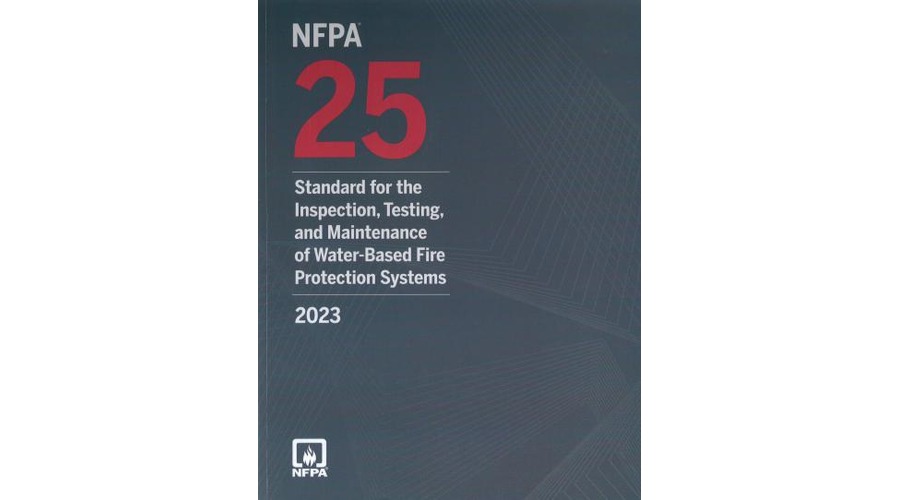
- NFPA 25 for inspection, testing, and maintenance of water based fire protection systems.
- NFPA 11 and NFPA 16 for foam systems, when flammable liquid hazards require it.
Local code requirements usually build on these standards and add permit rules, documentation expectations, and inspection intervals. Accordingly, the facility should keep drawings, specs, and test records organized and easy to provide. kord fire protection technicians often recommend this because inspections go smoother when the paper trail matches the field conditions.
Planning, upgrades, and training for teams
A system only performs as well as the people and processes around it. So Fireward Fire Protection Systems emphasizes planning that includes both technical and operational readiness. That means clear emergency procedures, correct access for technicians, and training for staff who respond to alarms.
Industrial fire protection design planning should include
- Alarm response workflows so the right team acts immediately and avoids confusion.
- Inspection access for valves, panels, and test connections, because a system you cannot reach is a system that delays action.
- Documentation updates after any change, so drawings reflect what exists today.
- Training refreshers for operators and maintenance staff, so they understand what actions matter during a real event.
And when people say “we have a system, we are fine,” that is usually the moment a sitcom character walks into the wrong room. Fire protection works best when teams know the plan, follow the plan, and treat each alarm as a serious event until proven otherwise.
Additionally, we can use these systems to match the facility’s risk profile and help reduce downtime from fire damage. With the right industrial fire protection system design choices, upgrades can improve reliability while keeping operations moving.
FAQ
Conclusion and call to action
Fire risk does not pause for renovations, staffing changes, or new production schedules. Therefore, Fireward Fire Protection Systems helps facilities build and maintain a practical industrial fire protection system design that detects early, suppresses correctly, and stays compliant over time.
If a team wants clarity on coverage, testing, or upgrades, kord fire protection technicians can walk the site, explain the system, and help set a maintenance plan that actually fits day to day operations. Reach out now to schedule an assessment and move forward with confidence.
Need a clean path from design to inspections and ongoing reliability? We will help you keep the plan aligned with how your facility actually runs.
Know Your Weapon Before You Fight the Flame
Kord Fire Protection is your go-to when it comes to all things fire protection. For over 20 years, we’ve been serving Southern California with the quality service and equipment to keep your home or business safe at all times. Our competitive prices reflect our unwavering commitment to protecting what matters most in the event of a fire emergency. Give us a call, send an email, or use that form!

Join Our Newsletter!
Get the latest fire safety tips delivered straight to your inbox From our Newsletter.