Multi Brand Fire Protection Systems with Halma Fire Safety Group
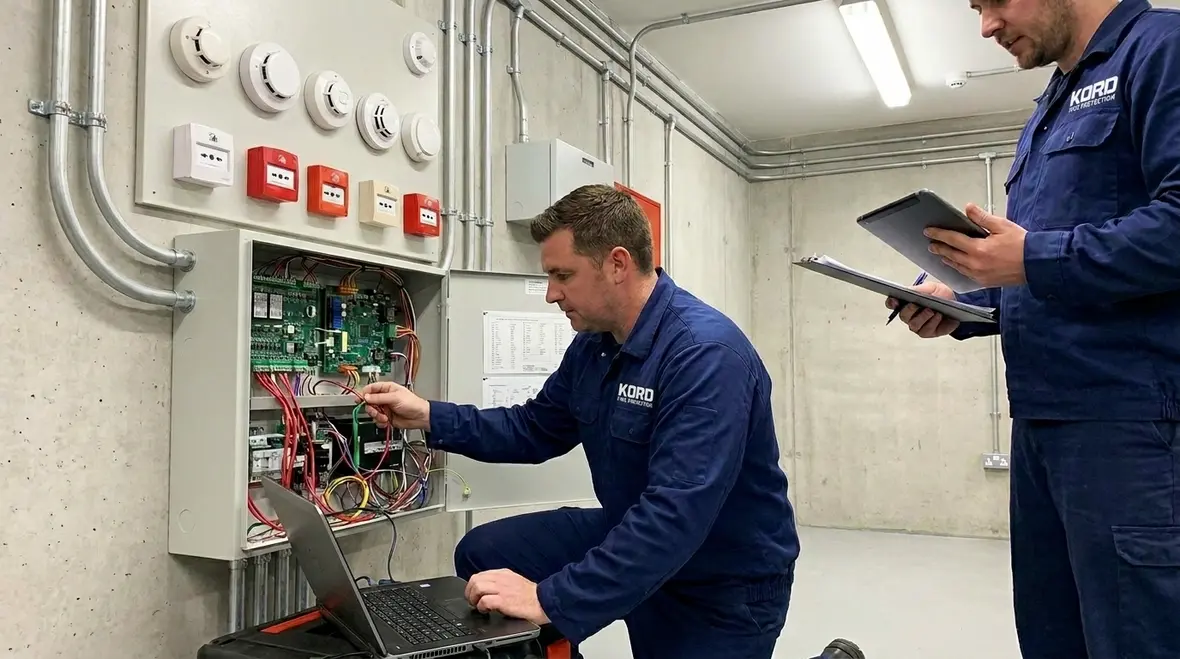
In many buildings, the fire alarm and suppression world does not always live in one neat box. That is where Halma Fire Safety Group fits in. Halma Fire Safety Group supports multi brand fire protection systems that help teams combine trusted devices from different manufacturers into one coordinated safety network. Early on, the system may look like a pile of parts from different universes, but technicians at Halma Fire Safety Group, including kord fire protection technicians, explain how it all works in plain language. And yes, when it is set up right, the fire panel does not need to “like” every brand. It just needs to speak the same language through the right interfaces, settings, and commissioning steps.
They take a careful approach, because a safety system must behave the same way every time. Next, this article walks through how these multi brand fire protection systems operate, how they show up in real sites, and what teams should plan for in the real world.
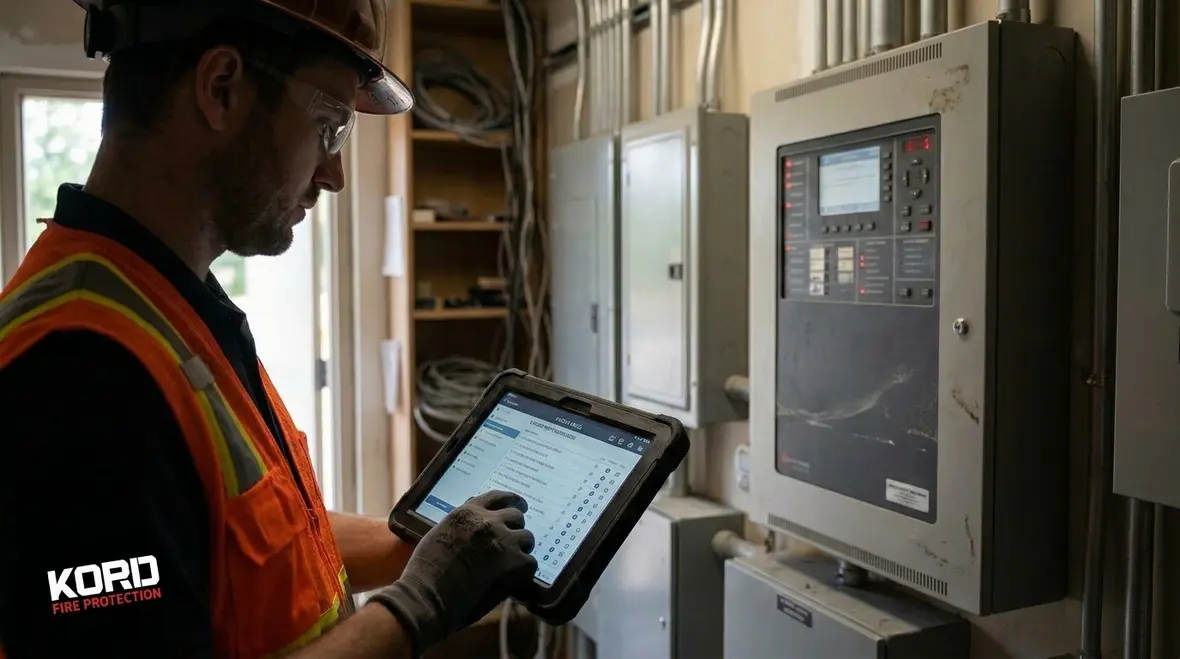
Overview of How It Works
multi brand fire protection systems setup works when three things align: communication paths, device mapping, and control logic. First, designers decide which parts will detect a fire, which parts will alert people, and which parts will activate life safety outputs such as doors, fans, or suppression valves. Then, they confirm compatibility based on the control equipment, signaling methods, and protocol support.
At the center sits a control platform, often a fire alarm control panel, an addressable network controller, or an integration gateway. From there, signals move to detection devices and output modules. However, the heart of the operation is not the brands. It is the configuration and the “contract” each device follows.
Here is how it typically plays out step by step:
- Point mapping: The system assigns each detector, call point, flow switch, and monitor module a unique address and description. kord fire protection technicians often stress this step because unclear labeling leads to slow response during an emergency.
- Signal translation: When devices come from different makers, the control platform must translate the input and drive the right output. This may happen through supported wiring methods, a gateway, or verified integration features.
- Supervision: The panel checks wiring integrity, device presence, and module health. If a trouble condition appears, it reports it so the team can act before a problem grows.
- Control sequences: Fire logic triggers actions based on fire zones, algorithms, and time delays. For example, the system might start smoke control fans, unlock egress hardware, and silence alarms after verification steps, depending on the design.
- Annunciation: The system signals occupants using sounders, strobes, display panels, and sometimes mass notification interfaces.
In other words, the building does not run on brand loyalty. It runs on consistent rules. And when rules are clear, people react faster. That is the whole point, even if it occasionally feels like herding cats during commissioning.
Real World Use Cases
People usually adopt multi brand fire protection systems when a site has growth history. A common story looks like this: one wing gets upgraded last year, another wing was built years earlier, and a third area sits in “we will deal with it later” mode. Then a contractor arrives, finds different device families, and the facility manager asks the question that makes every technician smile politely.
Can all of this work together?
Yes, when the design accounts for it. kord fire protection technicians often describe real world use cases like these:
- Mixed age commercial buildings: A campus may include older addressable systems alongside newer devices. Teams use verified integration to keep detection and annunciation reliable.
- Healthcare facilities: They need dependable supervision and clear alarm routing. When different brands handle different functions, the sequence logic must stay consistent across zones.
- Industrial plants with hard environments: Dust, vibration, and temperature changes can affect components. Designers select devices that tolerate conditions, then integrate them under one control scheme.
- Retail rollouts across multiple locations: A chain may standardize some equipment but not every site gets the same catalog. Multi brand integration keeps training and documentation manageable while still meeting safety goals.
Also, these systems help when retrofits happen after tenant changes. Instead of tearing out every device, teams can extend coverage, add zones, or upgrade outputs. Then, they commission the change so it behaves the same way as the rest of the network. Fire safety stays strict, even if project schedules do not.
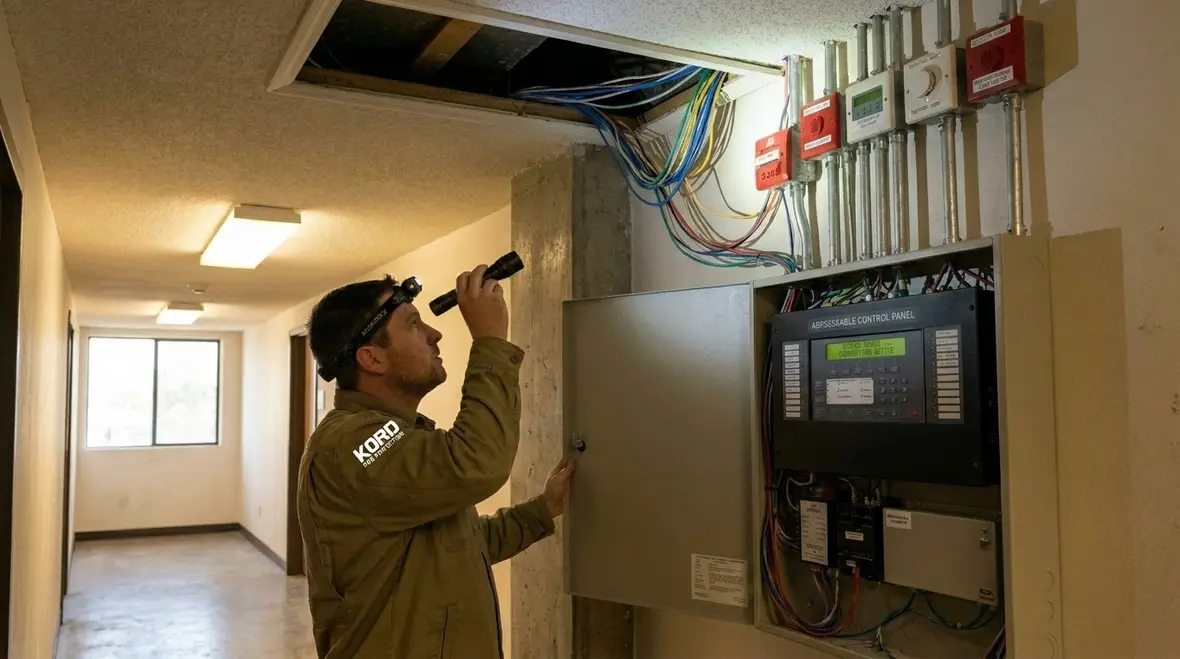
Strengths and Weak Points in Multi Brand Integration
Every approach has tradeoffs. The biggest strengths show up in flexibility and long term planning. Yet, there are weak points that teams should address early, before the building becomes the world’s most expensive game of “guess what it means.”
Strengths
- Better reuse of existing equipment: Facilities can protect budgets while still improving performance. Instead of replacing everything, they can add devices that fit new needs.
- Project flexibility: Different brands may offer the best fit for different tasks, such as specialized detectors or specific output control features.
- Improved coverage strategies: Teams can tailor detection types to risk areas, then keep a unified interface for operators.
- Clearer operational views: A well integrated panel can provide a single trouble and alarm narrative, which reduces confusion for staff.
Weak points
- Complex commissioning: Because multiple devices may behave differently, the commissioning process must verify inputs, outputs, and supervision end to end.
- Documentation risk: If labels and point lists are sloppy, the system becomes hard to troubleshoot. kord fire protection technicians usually treat labeling as non optional.
- Protocol and compatibility limits: Some integrations work only through specific gateways or firmware versions. So teams must manage software updates carefully.
- Change control: When someone “fixes” a component without updating the configuration, the logic can drift. Then the system still runs, but not how it was intended.
The smart response is not fear. It is good design, solid testing, and a maintenance plan that respects the system’s setup.
Ongoing Maintenance Needs for Reliability
Once installed, multi brand fire protection systems require ongoing care. Not because the system is fragile, but because fire safety systems sit idle until they matter. Therefore, scheduled maintenance confirms that they will work when time is short.
Maintenance usually covers the following:
- Functional testing: Technicians test alarm paths, output control sequences, and detector behavior. This ensures each part responds to the right trigger.
- Supervision checks: The panel and network must show healthy device status. Any trouble trends get addressed before they become failures.
- Inspection of labeling: Technicians verify that point descriptions match the current floor layout. If tenants move, the labels must update too.
- Panel firmware and device compatibility: When updates happen, the team confirms that integration still works. kord fire protection technicians typically document version levels and confirm behavior after changes.
- Battery and power verification: Backup power keeps alarms running during outages, so tests and replacement schedules must match the design requirements.
- Recordkeeping: A good maintenance log includes test results, serial numbers, and corrective actions. That record supports audits and improves response during incidents.
In practice, maintenance should also consider how occupants and equipment change. A loading dock might get reorganized. A door holder might change. And a previously quiet zone may gain new equipment that changes airflow patterns. So, the system should keep pace with the facility, not just the original drawings.
Relevant NFPA and Local Code Requirements
Fire alarm and life safety systems must meet national standards and local rules. While requirements vary by jurisdiction and building type, teams commonly align designs with NFPA documents and the authority having jurisdiction.
Key standards often referenced include:
- NFPA 72: Covers fire alarm and signaling systems. It addresses design, installation, inspection, testing, and maintenance.
- NFPA 25: Focuses on inspection, testing, and maintenance of water based fire protection systems, such as sprinklers, where applicable.
- Local amendments: Many regions add their own spacing rules, notification requirements, or testing procedures.
Additionally, building owners typically coordinate with local fire marshals and code officials. This coordination matters even more when multi brand devices operate together, because the system must demonstrate consistent behavior and proper supervision in the end to end workflow.
When kord fire protection technicians handle documentation and commissioning, they help reduce friction during inspection. Because nobody enjoys the conversation that starts with, “Why does the point list not match the panel?” That is a real conversation, and it usually ends with someone taking a long lunch and a short breath.
How Teams Can Use These Systems for Safer Outcomes
To make multi brand fire protection systems work as intended, the facility should treat the system like a living network, not a static project. First, it should define ownership of configuration and documentation. Then, it should schedule testing based on risk and system complexity. After that, it should plan upgrades with change control so the integration stays stable.
When the right team supports the system, the results show up fast: fewer surprises, faster troubleshooting, and clearer alarm interpretation. And yes, that means the next time someone says, “It worked last time,” the team can prove it. They can also keep occupant safety aligned with code requirements and the facility’s real hazards.
FAQ
Conclusion and Next Steps
Halma Fire Safety Group supports integrated approaches that can connect devices from different manufacturers into a coordinated safety workflow. When kord fire protection technicians lead the commissioning, labeling, and end to end verification, the system gains clarity and confidence. For building owners and facility teams, the next move is simple: schedule a review of the existing layout, integration points, and maintenance records, then plan tests and upgrades with change control. That is how safer outcomes stay consistent, even when building conditions never sit still.
Know Your Weapon Before You Fight the Flame
Kord Fire Protection is your go-to when it comes to all things fire protection. For over 20 years, we’ve been serving Southern California with the quality service and equipment to keep your home or business safe at all times. Our competitive prices reflect our unwavering commitment to protecting what matters most in the event of a fire emergency. Give us a call, send an email, or use that form!

Join Our Newsletter!
Get the latest fire safety tips delivered straight to your inbox From our Newsletter.