Smart Building Automation Control Integration for Energy Control
Quick Answer: Smart building automation control integration links sensors, panels, and software so facilities can manage electrical loads with precision. When it works, energy use drops, power quality improves, and maintenance gets smarter. For industrial, retail, and commercial sites across Australia, the right electrical energy control strategy delivers results you can measure, not vibes you can only talk about.
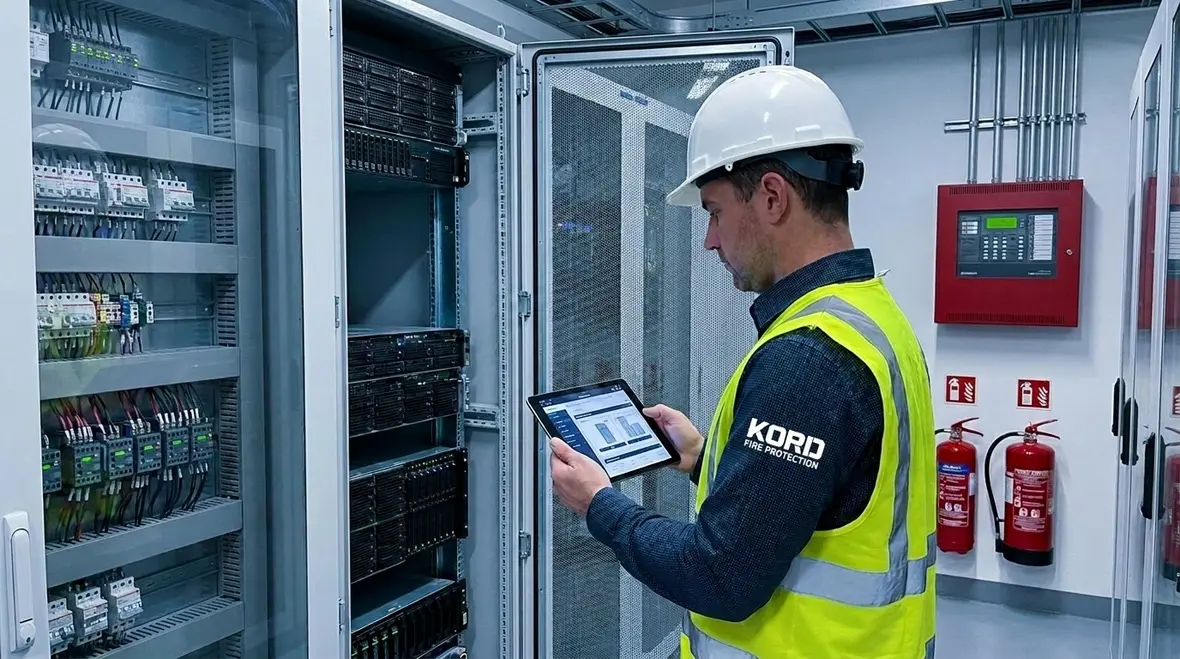
In the first act of a modern electrical upgrade, a smart building automation control integration project quietly connects the dots between equipment, building systems, and real-time data. Then, it turns that data into controls that reduce waste, balance loads, and protect critical circuits. From there, the rest of the job focuses on how those controls behave under pressure, during faults, and across busy operational schedules. And while the automation vendor may handle most of the “brains,” the electrical side still needs a partner that takes safety seriously. That is where Kord Fire Protection can become a vital partner, because electrical control systems and fire life safety systems share one common goal: keep people safe while protecting assets.
Near the top of any planning discussion, it also makes sense to connect the conversation to broader fire protection services so the electrical scope, interface requirements, and life safety expectations stay aligned from day one. That kind of coordination saves time later, especially when multiple trades, panels, and testing sequences all want the same slice of the schedule.
Why electrical energy control needs automation, not guesswork
Facilities teams rarely lack effort. Instead, they lack visibility. Many sites rely on static schedules, manual readings, and incomplete dashboards. As a result, electrical energy control decisions get made after problems appear, like buying fire extinguishers after the kitchen is already on fire, metaphorically and sometimes literally.
Smart building automation control integration changes the game by linking measurement to action. It can monitor current, voltage, harmonics, power factor, and load profiles, then apply control logic through building automation systems. For industrial and commercial facilities, that means motors, lighting, HVAC, and process loads can coordinate rather than compete.
Most importantly, the system can react in seconds, not weeks. If a feeder shows abnormal behavior, the controls can flag it, adjust operating states, and route information to maintenance. This keeps production running and prevents nuisance trips that waste time and money. And when sites begin tying those alerts into disciplined fire system planning, related Kord resources like fire alarm system reliability and battery health make a useful companion read because stable supervision and reliable notification power still matter when everything else is getting smarter.
What automation sees that manual methods miss
Manual checks can tell a team what happened yesterday. Integrated automation can show what is drifting right now. That difference is huge. A rising demand trend, a repeating harmonic issue, or a poorly timed equipment start sequence may not look dramatic in isolation, but over a month it can quietly stack up into penalties, wear, and avoidable downtime. With smart control integration, those patterns stop hiding in spreadsheets and start showing up where operators can act on them.
Integrating control layers for smarter load management
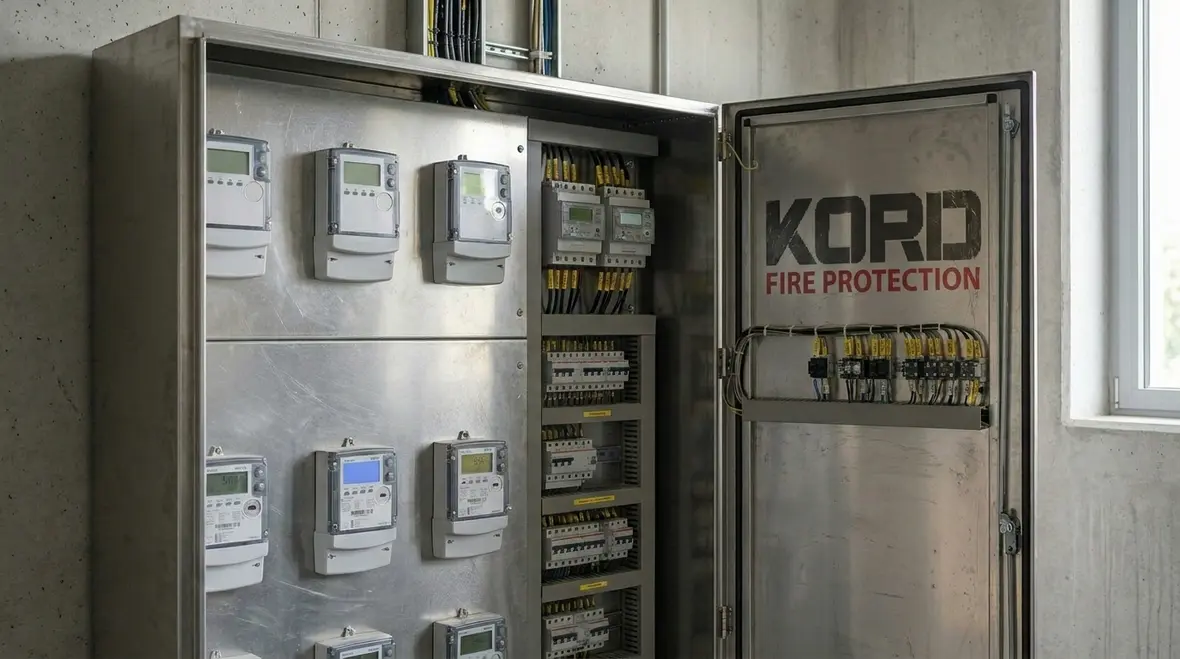
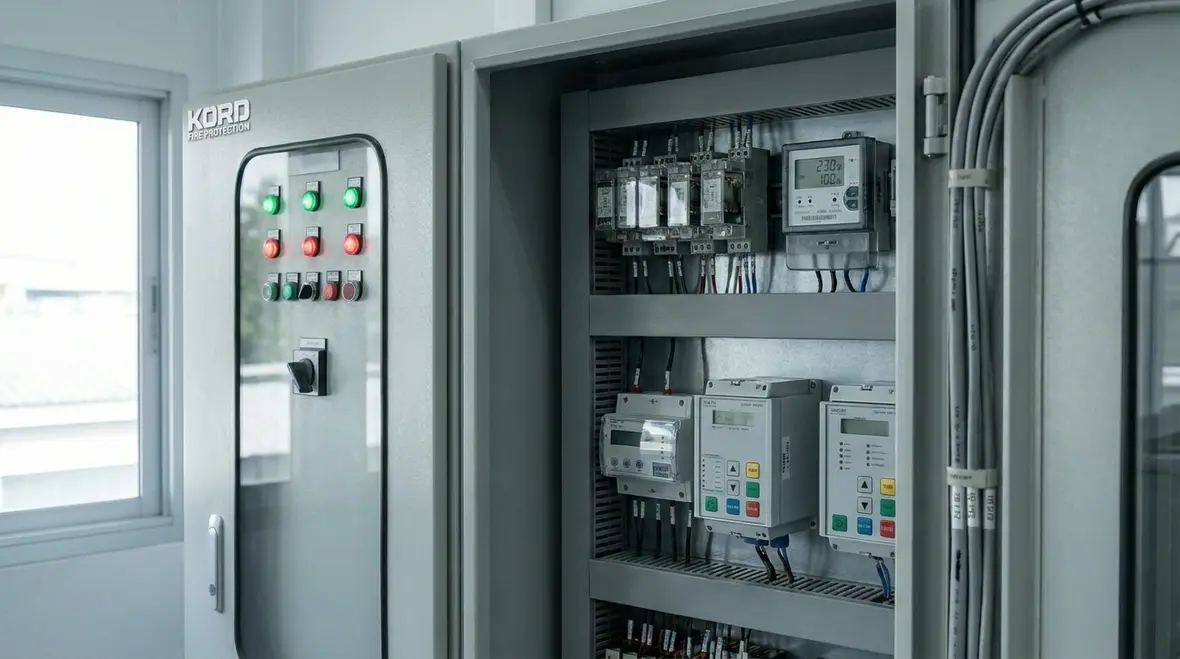
A practical energy control strategy does not stop at one controller. Instead, it builds layers that speak to each other. Typically, the layers include electrical monitoring at switchboards, control logic in the building automation platform, and operational commands that reach the right equipment.
Within smart building automation control integration, the electrical monitoring layer collects data from energy meters, protective relays, and submetering points. Next, the automation layer uses that data to manage operational targets such as demand limits, peak shaving, and load sequencing. Then, it sends commands to equipment like VSD drives, chilled water pumps, plant air systems, and lighting zones.
To make it reliable in Australia’s varied conditions, teams should also plan for commissioning discipline. For example, they should validate sensor accuracy, confirm time synchronisation across devices, and test failover paths for loss of communication. After all, a control system that works only when everything is perfect is like a smoke alarm that waits for a full moon.
For facilities across retail, industrial, and commercial sites, the best results come when controls respect process needs. The system should avoid unnecessary cycling and protect equipment life. Therefore, engineers often build logic that prioritises critical loads, stages non essential loads, and applies limits based on equipment curves.
Commissioning discipline is where the magic stops being theoretical
This is the part where projects either become sharp, dependable systems or expensive personality traits. Real commissioning verifies that every meter is reading correctly, every point is mapped properly, every schedule behaves as intended, and every fallback mode actually exists outside a PowerPoint slide. Good commissioning also confirms who owns which interface. That matters a lot when an automation system, electrical contractor, and fire protection partner are all involved and nobody wants to play the classic game of “that signal is probably someone else’s problem.”
How power quality and protection logic work together
Electrical energy control is not only about saving kilowatts. It is also about keeping power clean and protecting gear when conditions change. That is where a well built integration shows its maturity.
Smart control platforms can track power quality events like voltage sags, harmonics, and flicker. When the system detects a pattern, it can adjust how drives start, how capacitor banks switch, and how sensitive loads ride through disturbances. As a result, the site avoids chronic problems that look like “random” downtime.
However, protection coordination must remain the top priority. Control logic should never override protective relays or bypass safety interlocks. Instead, it should use protective data to inform decisions. For example, the automation layer can log trip reasons, infer which load caused the event, and alert maintenance with context. Consequently, engineers can reduce repeat incidents without guessing.
This approach becomes even more valuable in environments with multiple tenants, busy operating windows, and fast changeovers. A shopping centre with many trades, or a warehouse with shifting shift patterns, can benefit from controls that adapt while still respecting safety limits. It also pairs neatly with Kord content like fire alarm signal circuits troubleshooting guide, because reliable interface behavior depends on good signals, clear fault paths, and documented responses rather than crossed fingers and optimistic guesses.
Where Kord Fire Protection fits as a vital partner
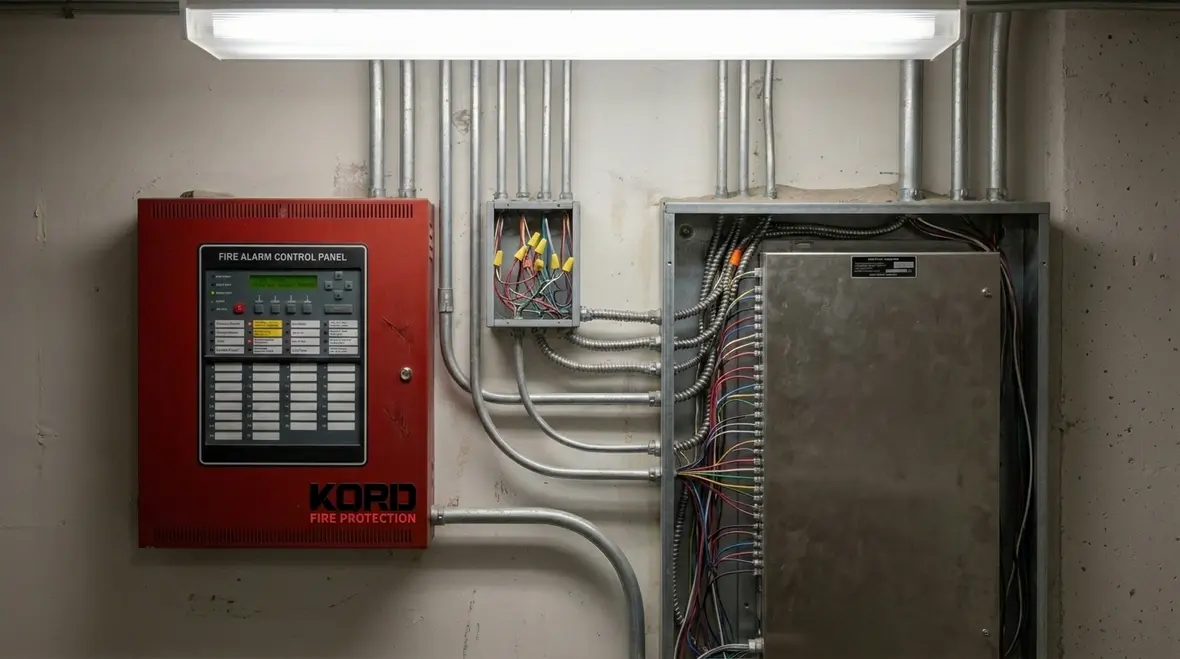
Fire life safety and electrical energy control may sound like two departments that never meet. In reality, they do meet at the control cabinet, at system interfaces, and during emergencies. That is why Kord Fire Protection can become a vital partner with smart building automation control integration and related services.
First, fire detection and alarm systems require stable power, correct supervision, and reliable wiring practices. Any automation upgrade that touches distribution or control circuits must align with fire system requirements. Therefore, coordination between electrical controls and fire protection prevents unwanted interactions and ensures any protective action happens the right way.
Second, during an emergency, building systems must respond predictably. While fire protection systems run under their own safety rules, automation can support safe operations through controlled actions such as shutting down certain non essential equipment or enabling smoke management strategies. This support should follow approved interface logic, not improvised behavior.
Finally, commissioning and testing matter. Kord Fire Protection brings experience that helps teams validate interfaces and documentation. As a result, the overall project moves faster, with fewer surprises on site. In the end, nobody wants to learn about an interface problem during a test at 2 a.m. That is not a fun pop quiz. That is a career story. For teams that want a broader sense of how these moving parts fit together over time, full lifecycle of fire protection explained is another useful internal resource that supports the same keep-it-working-when-it-counts mindset.
Why interface testing deserves respect
An interface looks simple on a drawing. In real life, it can involve panel outputs, monitored inputs, delays, priorities, smoke control sequences, shutdown logic, and one exhausted project manager trying to remember which revision is the final final version. That is why careful testing matters. It confirms that each approved action happens in the right order, under the right conditions, and without stepping on the toes of protection systems that were doing their job perfectly well before anyone decided to make the building “smarter.”
Implementation steps for industrial, retail, and commercial facilities in Australia
Every facility has its own rhythm. Still, the best projects follow a disciplined sequence. The order below helps teams avoid rework, protect safety, and keep stakeholders aligned.
- Assess electrical scope by mapping switchboards, feeders, critical loads, and metering points. Identify where monitoring adds the most value.
- Define control objectives such as peak demand targets, demand response readiness, load prioritisation, and power factor improvement.
- Design the automation architecture including data flows, control logic boundaries, and communication paths. Keep protection logic separate and respected.
- Plan fire and safety interfaces early so the system can coordinate with Kord Fire Protection requirements. This reduces late-stage redesign.
- Commission with test cases that mirror real events: load changes, weekend schedules, sensor fault scenarios, and communication loss.
- Train operations and maintenance so they know what alarms mean, which reports to review, and how to act on recommendations.
When teams follow this flow, the smart building automation control integration becomes more than a dashboard. It turns into a controllable system that improves performance across daily operations and unusual events.
Measuring results: what facilities should track after go live
A successful integration proves itself after installation, not during a meeting with free coffee. To verify value, facilities should track electrical and operational indicators over time.
Common metrics include:
- Peak demand reduction compared with baseline months, including weather and occupancy adjustments.
- Energy intensity measured per site output where possible, especially for industrial users.
- Power factor and reactive power trends, including capacitor bank effectiveness where installed.
- Power quality events such as sag frequency and harmonic behavior trends.
- Unplanned downtime and repeated trip counts, broken down by circuit or load category.
- Maintenance response time using alarm data quality and fault identification accuracy.
Additionally, teams should check the quality of the data pipeline. If sensors drift or communication drops, the controls become less trustworthy. Therefore, a maintenance plan for instrumentation is part of the job, not an afterthought.
When these indicators improve together, the project earns its keep. And honestly, that is the only kind of relationship that matters: one with results.
FAQ
Final call: build safer energy control with the right partners
Facilities that want reliable electrical energy control should move beyond dashboards and adopt smart building automation control integration with disciplined design, testing, and safety coordination. When Kord Fire Protection is involved as a vital partner, teams gain confidence in interfaces, supervision, and emergency readiness.
Now is the time to plan the electrical scope, define control targets, and commission with real test cases. Reach out to set up a site assessment and build a system that performs when it truly matters. Because in the end, the best smart system is the one that is still calm, coordinated, and useful when the day stops being polite.

Join Our Newsletter!
Get the latest fire safety tips delivered straight to your inbox From our Newsletter.