Commercial Subpanel Load Management for Scalable Expansion
Quick Answer: Proactive commercial subpanel load management helps facilities add new circuits without tripping breakers or overheating feeders. Teams map existing capacity, forecast growth, and balance phases before installation. When fire safety matters, kord fire protection can align electrical changes with detection and protection needs, reducing risk during expansion projects.
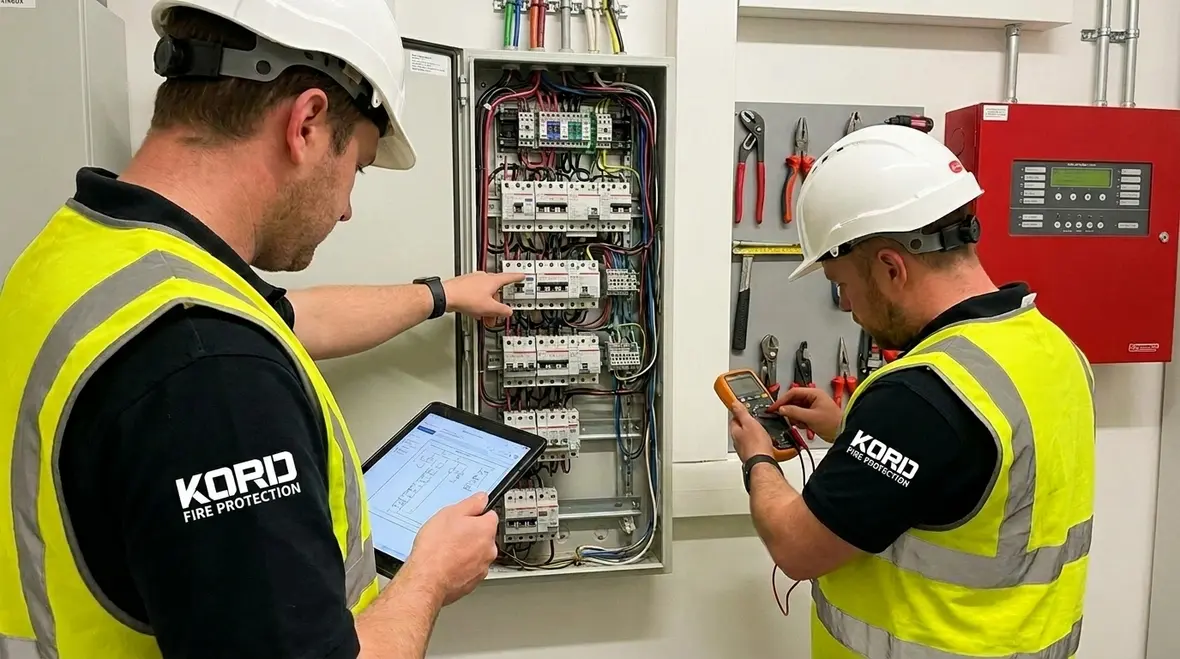
When a facility starts growing, the electrical system often grows last, like a plant watered once a month. To avoid that, strong commercial subpanel load management should begin early: teams audit the current panel inventory, verify conductor and breaker ratings, model future demand, and plan phase balancing before new loads show up. Then they confirm emergency and life safety circuits stay protected and predictable. After that, the project team can design distribution upgrades that actually work on day one, not “sometime after troubleshooting.”
Near the top of any expansion plan, it also makes sense to coordinate with a trusted electrical partner that understands commercial distribution changes in the real world. Kord’s reliable electrical services for commercial and industrial facilities fit naturally into that discussion because subpanel planning, feeder upgrades, and clean documentation all depend on disciplined electrical execution. When those upgrades affect alarm power paths or life safety coordination, full fire protection services help keep the safety side aligned without turning commissioning into organized panic.
Why load planning prevents expensive surprises
Most electrical issues during expansion do not start as failures. They start as small decisions that feel harmless. A new compressor gets connected. Another freezer gets added. Someone swaps a motor controller and no one updates the panel schedule. Eventually the system reaches its limit, and performance drops, breakers nuisance trip, or heat builds at connections. That is when the “cheap add-on” turns into a full site interruption.
Proactive planning stops that. First, the team documents actual loads, not just nameplate numbers. Next, it evaluates demand factors for the equipment mix, because retail and industrial sites rarely behave like perfect textbook loads. Then it compares that demand to the usable capacity of the bus, feeders, and upstream devices. If capacity is tight, the plan directs the right change: redistributing circuits, adding subpanels, upgrading feeders, or revising generator and transfer arrangements.
Also, load planning protects more than operations. It protects compliance and reduces rework. When electricians know where power is going, they install cleanly, label accurately, and avoid random “spider web” wiring that makes future service feel like an escape room. It also gives facility managers something even rarer than spare breaker space: confidence. Instead of hoping there is room for the next tenant improvement or production upgrade, they can make decisions with numbers, drawings, and a plan that does not collapse the moment someone plugs in one more piece of equipment.
The hidden cost of waiting too long
Waiting until a panel is obviously overloaded usually means the site has already paid the penalty. Maintenance teams lose hours tracing undocumented circuits. Operations staff work around nuisance trips. Tenants, managers, or department leads start asking why the “simple” addition now needs emergency shutdown planning. By then, the conversation is no longer about efficient growth. It is about damage control. Good load management keeps the project in the sensible phase where decisions are cheaper, schedules are calmer, and nobody is standing in front of a warm panel wondering which shortcut from three years ago just came back for revenge.
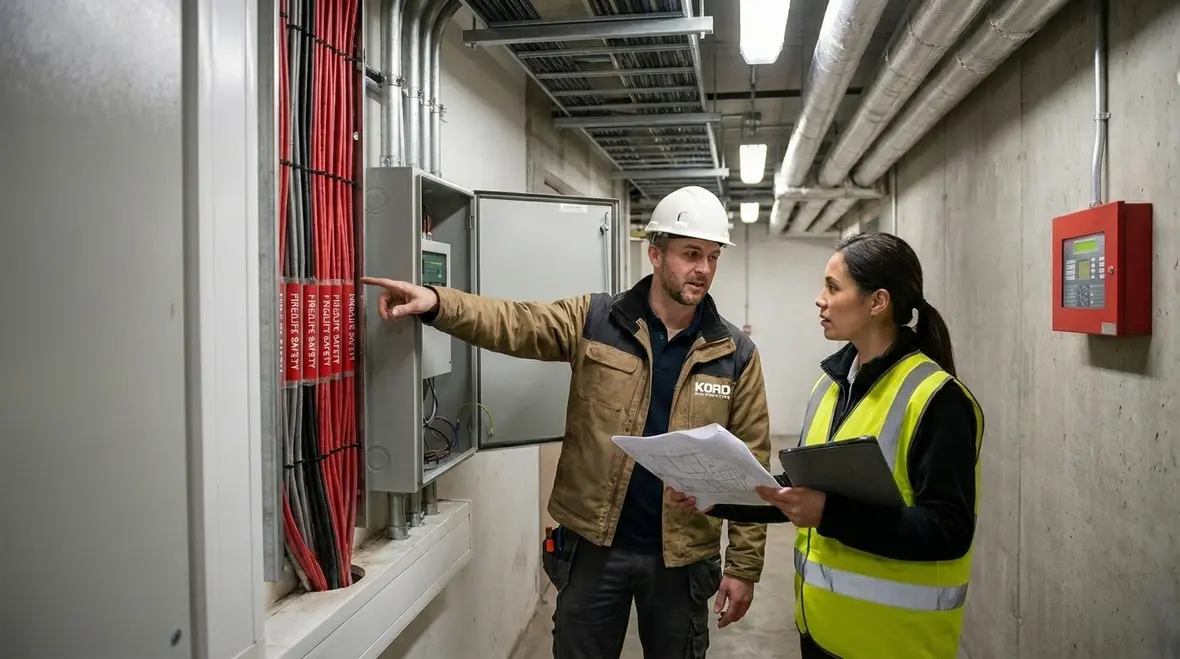
Commercial subpanel load management tips for expansion projects
Teams managing facilities across industrial sites, retail centres, and multi-tenant commercial buildings often need a repeatable method. So they follow a process that stays steady even when timelines get chaotic.
1) Run a real capacity check
They confirm the subpanel rating, feeder rating, and allowable continuous load. Then they verify busbar temperature limits and connections, because heat is not a rumor, it is physics.
2) Use phase balance, not guesswork
They allocate single phase and three phase circuits to even out current draw across phases. When phase balance improves, voltage drop typically becomes easier to manage, and you reduce stress on the system.
3) Update schedules before installing new circuits
They revise panel schedules and as-built documentation. That prevents the next technician from treating the panel like a mystery novel where every chapter ends with “turn it off and hope.”
4) Forecast load growth with a practical model
They account for known upcoming loads like fit-outs, additional refrigeration, new production lines, or new charging infrastructure. They also consider seasonal demand changes, which are common across commercial facilities with changing occupancy, cooling loads, or production cycles.
5) Build in spare capacity for normal surprises
Projects always find additional needs. So teams reserve headroom for minor expansions, maintenance replacements, and future modifications. Spare capacity is not wasted space. It is breathing room for reality, because expansion projects almost always discover one more circuit, one more device, or one more request from someone who swears it was “definitely included from the beginning.”
6) Ensure life safety circuits stay reliable
They keep emergency and fire-related loads clearly identified and on the correct arrangements so protection devices operate as intended. Now, here is the key business point: these tips reduce shutdown time. And that keeps clients happier than a customer finding parking close to the entrance, which, in retail, is basically magic.
How to map loads across panels and feeders
Load management fails when the scope stops at one subpanel. The system runs on feeders, upstream switchgear, transformers, and sometimes on-site generation. Therefore, good teams trace power from source to load and they connect electrical data to site realities.
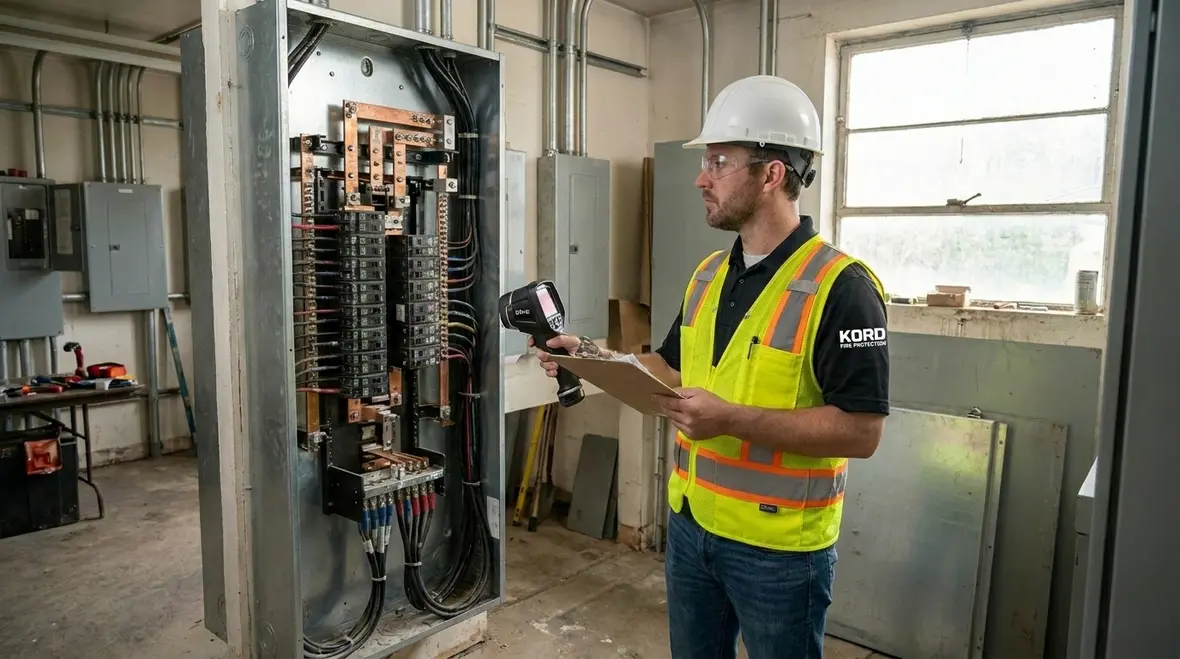
They start with a panel survey and then build a circuit ledger. That includes breaker size, wire size, circuit function, and where each load sits physically. Next, they classify loads by duty: continuous, intermittent, motor starting, and lighting. Motors and inrush currents deserve special attention because they can spike demand and cause voltage dips if distribution is not planned well.
Then they map diversity. Instead of assuming every tenant or department runs at maximum at the same time, they use operating schedules and observed usage patterns. This matters as trading hours shift, and in industrial environments where production runs in batches. After that, they reconcile meter data with the circuit ledger so the model matches the site.
Finally, they check voltage drop and coordination. That includes evaluating critical circuits that need steady performance, such as process equipment, refrigeration controls, communications hardware, and business systems tied to uptime. In larger facilities, this mapping step becomes the bridge between field conditions and decision-making. Without it, every upgrade proposal is half educated guess and half crossed fingers, which is not the kind of engineering confidence most owners want funding with their capital budget.
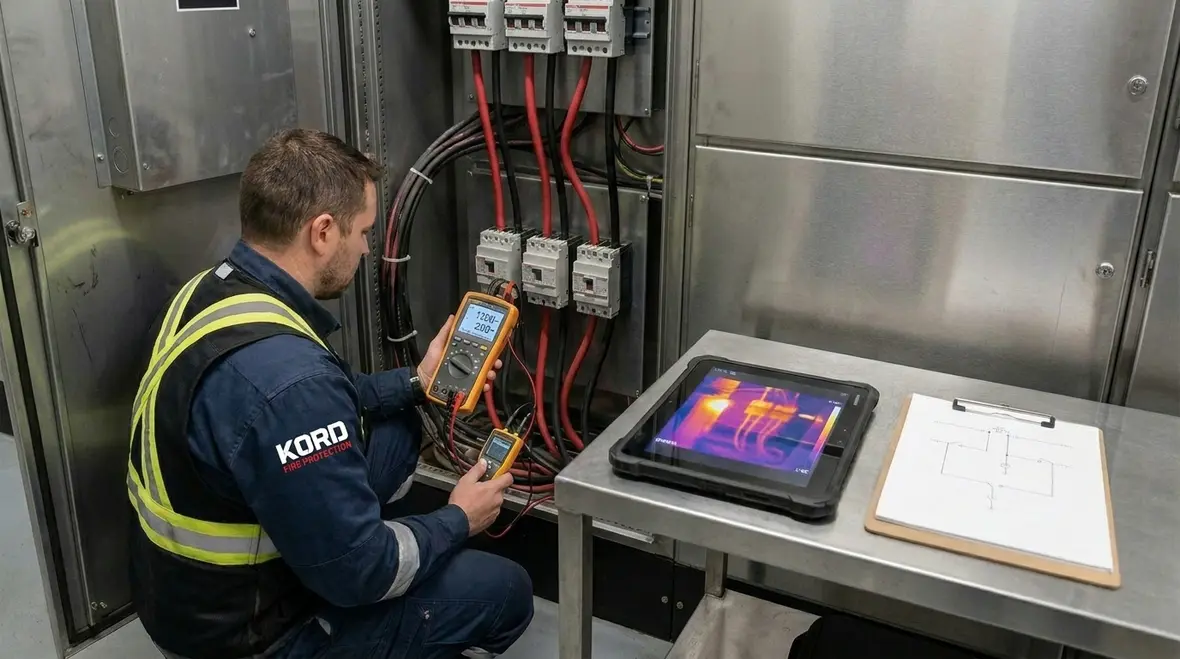
Balancing capacity while keeping the site running
Commercial and industrial clients usually do not have the luxury of long outages. So teams plan upgrades to minimize disruption and keep critical operations stable.
They typically use staged installation. First, they verify circuits, confirm labeling, and complete groundwork like trunking and cable runs where practical. Then they install and commission in phases so the facility keeps functioning. Where shutdown is unavoidable, the plan schedules it during low-activity windows, and it includes backup arrangements when required.
They also coordinate with mechanical and controls teams. For example, refrigeration upgrades, new air handling units, or motor replacements often change electrical demand and starting currents. When electrical and mechanical updates align, the system avoids surprises like a controller “mysteriously” tripping after commissioning.
In practice, staged load redistribution often looks like this: circuits move to free spaces, non-critical loads get rearranged, and any remaining capacity shortfalls become the trigger for feeder or transformer upgrades. It is not flashy, but it works. And reliability rarely wins awards, yet it prevents costly downtime. More importantly, it lets the site keep serving customers, processing orders, or running production while the infrastructure gets smarter underneath it. That is the kind of boring success most managers would gladly take every week.
Where kord fire protection fits into the bigger safety picture
Electrical expansion and fire safety do not live in separate worlds. When teams add circuits, relocate loads, or change panel arrangements, the fire alarm and related protection systems must remain dependable. That is where kord fire protection can become a vital partner.
As the electrical design evolves, kord fire protection helps ensure the protection strategy stays consistent with the updated site configuration. They can support the coordination needed between power distribution and fire detection and alarm operation so the system remains reliable under real conditions.
Specifically, their involvement matters when the project touches life safety circuits, backup power arrangements, or changes to cabling routes that serve fire systems. They also help reduce the risk of last-minute “bolt-on” changes that can disrupt commissioning schedules.
So while the electrical team manages capacity, kord fire protection strengthens confidence that safety functions continue to perform as designed. In other words, they help prevent a scenario where the site is ready to open, but the safety system behaves like it is still reading the instructions. That kind of coordination matters even more in facilities with mixed occupancy, multiple tenants, phased remodels, or long operating hours where there is very little appetite for repeat shutdowns and even less patience for last-minute surprises.
Commissioning and documentation that stand up later
Commissioning is where plans become reality. Teams verify that breakers trip correctly, voltage levels stay within acceptable ranges, and loads behave as modeled. They also test phase balance and check for unusual heat indicators at terminations, especially on high-demand circuits.
After testing, documentation becomes the final line of defense against future confusion. That includes updated panel schedules, circuit directories, single line diagrams, and as-built cable routes. For multi-facility operations, consistent documentation also improves service efficiency across sites.
Most importantly, the electrical team should capture changes to load assumptions. If a planned load changed during fit-out, the model should reflect it. That way, future expansion efforts build on accurate data rather than outdated assumptions.
And yes, proper documentation saves time. It also saves arguments between teams, which in a workplace is a bit like rainbows: beautiful in theory, rare in practice. Good records also make inspections, maintenance visits, emergency troubleshooting, and future budgeting far less dramatic. When the next upgrade arrives, the team should be opening accurate schedules and diagrams, not piecing together site history from sticky notes, fading labels, and one heroic maintenance tech’s memory.
FAQ
Call kord fire protection and lock in a safe, scalable plan
When a facility expands, power needs grow fast, and guesswork costs money. A proactive load management approach protects capacity, reduces downtime, and keeps documentation accurate. Pair it with kord fire protection so safety coordination stays solid while electrical changes move forward.
If the next fit-out is already on the calendar, act now and plan before the first breaker trips. The smartest expansion work is rarely the loudest. It is the work that quietly leaves room for growth, keeps the site running, and makes the next project easier instead of harder.

Join Our Newsletter!
Get the latest fire safety tips delivered straight to your inbox From our Newsletter.