Server Room Suppression System by Kord Fire Protection
In modern facilities, a server room suppression system acts like a fast, quiet bodyguard for critical equipment. When heat spikes or smoke appears, it helps stop a small incident from turning into a full disaster movie, complete with blinking lights and panicked IT calls. However, the system does not work by magic. It depends on smart design, the right detection, careful installation, and regular service. That is exactly where the team at kord fire protection can step in as a vital partner. They bring practical knowledge and a service mindset, which matters because server rooms are not just “a room with computers.” They are mission critical spaces where downtime costs money and where the right fire suppression strategy protects data, power, and people.
What fire suppression systems protect in data centers
Fire risk in server rooms usually starts smaller than people expect. A failing power supply, a blocked ventilation path, dust buildup, or an overheating component can create heat long before flames are visible. Therefore, a strong design focuses on early detection and fast response. In many cases, the goal is not just to extinguish fire, but also to avoid damaging electronics with harsh methods.
Instead of relying on a one size approach, teams select systems based on the room layout, ceiling height, airflow patterns, and the type of equipment. For instance, some environments need clean agent solutions to reduce residue. Others require water based systems with careful control and zoning. Meanwhile, suppression design also accounts for escape routes and safe shutdown procedures, so staff can act calmly rather than improvising like they are in an action film.
That tailored approach lines up closely with data center fire protection guidance from Kord Fire, which highlights how IT environments demand more specialized protection than a typical office or storage space. It also complements Kord Fire’s resource on NFPA 75 for IT environments and data centers, especially for facilities trying to match protection strategy with compliance expectations.

Common types of fire suppression for server rooms
Different systems handle fire behavior in different ways. So, choosing the right approach starts with understanding what is most likely in that specific room.
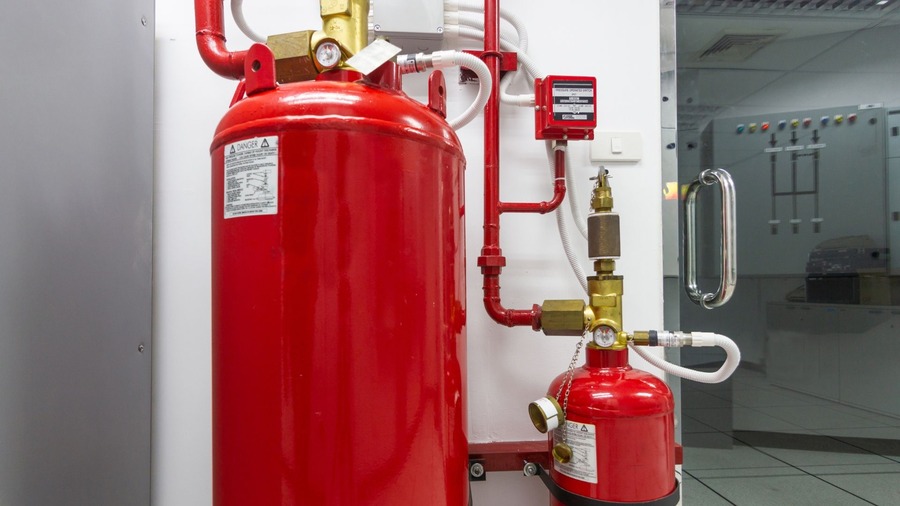
- Clean agent systems use stored extinguishant that helps control or extinguish fire while aiming to reduce residue on electronics. This can support data equipment protection when designed correctly.
- Water mist and spray systems use fine droplets to cool and suppress flames. They can be effective when the room conditions match the design requirements.
- Pre action or deluge water systems can reduce the chance of accidental discharge, but they require careful planning to protect sensitive gear and manage water control.
- Inert gas systems lower oxygen levels to slow combustion. These are engineered for specific enclosure characteristics and must meet strict safety checks.
In practice, the best system is the one that fits the hazard profile and the facility goals. If the design is too generic, the response may be slower than needed or may not match how heat and smoke travel in that room. Therefore, professional engineering and site specific layout review matters more than people think.
Why clean agent gets so much attention
For many server rooms, clean agent gets the spotlight because electronics and water generally have the relationship of cats and bathtubs. Kord Fire also covers this in its clean agent fire suppression for server rooms article and broader clean agent systems for data center fire protection overview. Those resources reinforce an important point: the system has to suit the enclosure, occupancy, and operational priorities, not just the trendiest phrase in the spec sheet.
How detection and zoning drive response speed
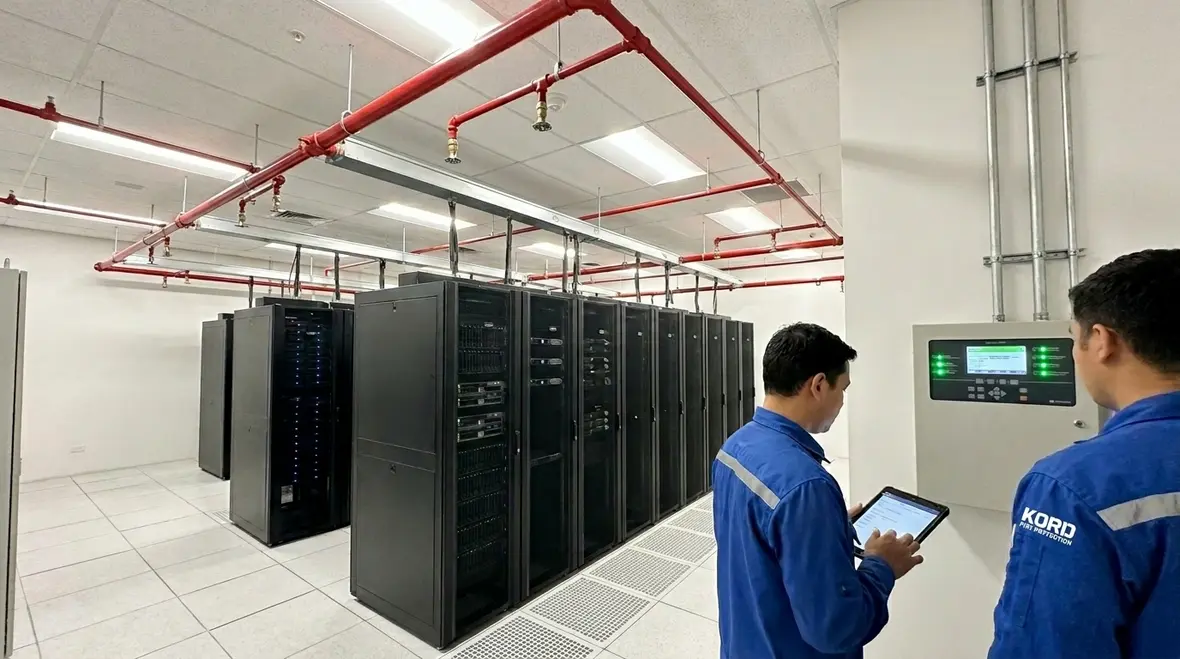
Suppression does not start with discharge. It starts with detection. Heat detectors, smoke detection, aspirating systems, and specialized monitoring tools help identify abnormal conditions early. Then, the control panel triggers the correct sequence. As a result, the system can act before smoke spreads across cable trays and racks.
Similarly, zoning determines where the system releases extinguishant. Instead of flooding the whole area every time, zoning can target the section with the problem. That supports both equipment protection and operational continuity. Also, proper shutdown integration matters. For example, the system should coordinate with ventilation control and power down steps so the hazard does not grow while the suppression sequence is underway.
Even better, the facility team can design procedures around the system response. This includes clear alarms, staff roles, and an understanding of what “automatic discharge” means for operations. It is not just about having equipment. It is about having a plan that works when the clock starts ticking.
Detection is where confidence begins
Fast detection is often the difference between a minor interruption and a very bad day with an incident report attached. Kord Fire’s recent data center fire suppression system best practices article emphasizes how layout, power density, airflow, and redundancy levels influence system decisions before anyone picks clean agent, water mist, or pre action. In other words, the alarm and control logic are not side notes. They are the opening act.
Design considerations for server room layout and airflow
Server rooms behave differently than warehouses or offices. Air movement from cooling units, hot aisle cold aisle setups, and cable routing create pathways that carry heat and smoke. Therefore, fire suppression system design must account for airflow patterns and rack density.
Engineers also review ceiling type, obstructions, and whether the room uses raised floors, suspended ductwork, or false ceilings. Then they size nozzles or agent distribution points to match the actual coverage area. If designers ignore these details, the discharge may not reach the hazard zone the way it should.
On top of that, storage of spare parts and backup media can change the risk profile. Some zones hold more combustible materials than others. So, teams should map electrical loads, identify common ignition sources, and evaluate likely fire growth paths. Meanwhile, the best designs plan for safe access for installers, service technicians, and future upgrades.
Installation, commissioning, and service that keeps it reliable
Once the design is set, installation quality becomes the difference between “looks good on paper” and “works when it counts.” Proper pipe routing, nozzle placement, wiring accuracy, and clean system integrity all influence performance. Then commissioning tests verify that detection, control logic, and discharge sequence work together.
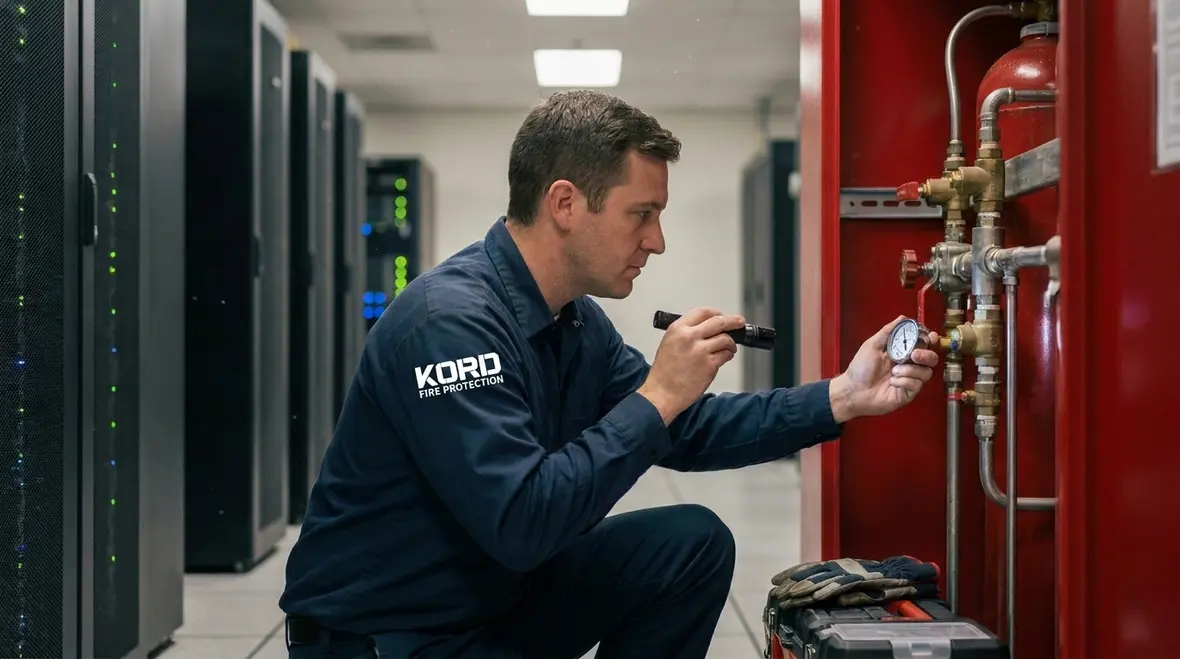
After that, a reliable service plan protects the investment. Inspections confirm that devices remain within spec, cylinders are within maintenance timelines, and detection sensitivity stays calibrated. Also, technicians verify that manual overrides, alarm signals, and abort functions operate safely.
Here is the business truth: businesses do not want surprise failures. They want predictable readiness. So, scheduled service and documented reports support compliance needs and reduce emergency guesswork. And yes, it is still less painful than explaining to leadership why a system sat unused while a small incident grew, like an unpaused pop up ad.
Commissioning is not optional in spirit, even when people treat it that way
Commissioning confirms that the installed system behaves like the design promised. That means control sequences, alarms, discharge logic, and integrations all need to be tested in a coordinated way. Facilities comparing service support can also review Kord Fire’s clean agent suppression system for critical assets resource, which highlights the value of protection that is engineered for sensitive spaces rather than improvised after the fact.
Why kord fire protection can be a vital partner
Professional fire protection is not a one time sale. It is ongoing support for people who cannot afford downtime. That is where kord fire protection becomes a vital partner for fire suppression systems for server rooms. They help facilities align design intent with real world installation, and they support ongoing inspections and service that keep systems ready for action.
Just as importantly, a good partner helps teams think beyond the hardware. They support risk review, assist with practical documentation, and help integrate service schedules into facility operations. Then, when changes happen such as new racks, airflow adjustments, or cooling upgrades, the facility can revisit coverage needs so the system stays accurate.
Put simply, kord fire protection helps server room owners stay confident that their suppression system is not just installed, but maintained like a mission critical asset. And in the server world, mission critical is not a slogan. It is Tuesday.
FAQ: Quick answers about server room suppression systems
Choosing the right fire suppression plan and moving forward
A server room fire suppression system is only as strong as its design, installation, and service. Facilities should assess risk, verify detection and zoning, and build a maintenance schedule that keeps performance consistent. If the goal is reliable protection without guesswork, it is time to work with a partner who understands server room realities.
Contact kord fire protection to evaluate options, align a suppression strategy with your space, and set up dependable service support for the systems that protect your most important work. For a service focused next step, explore Kord Fire’s clean agent fire suppression system services page near the end of your planning process if your facility needs protection built for sensitive environments where downtime is simply not invited.

Join Our Newsletter!
Get the latest fire safety tips delivered straight to your inbox From our Newsletter.