Seismic Fire System Requirements Southern California
In Southern California, the ground does not always sit still. It shifts, it rolls, and sometimes it reminds everyone who is really in charge. That is why seismic fire system requirements Southern California are not casual suggestions. They are strict standards designed to protect lives and property when the earth decides to dance. In dense urban centers, especially during a fire piping seismic gap installation Downtown LA, precision matters even more. Buildings rise high, infrastructure runs tight, and there is no room for guesswork.
Kord Fire Protection technicians often explain it this way. Fire sprinkler systems are like the veins of a building. During an earthquake, those veins must flex, separate, and move without tearing. If they fail, the very system meant to control fire becomes useless. And nobody wants that plot twist.

Understanding Seismic Separation Components for Fire Protection Systems
Seismic separation components allow a fire protection system to move independently from the structure around it. When the ground shakes, buildings sway. Floors shift. Walls flex. Without separation, rigid fire piping can snap under stress.
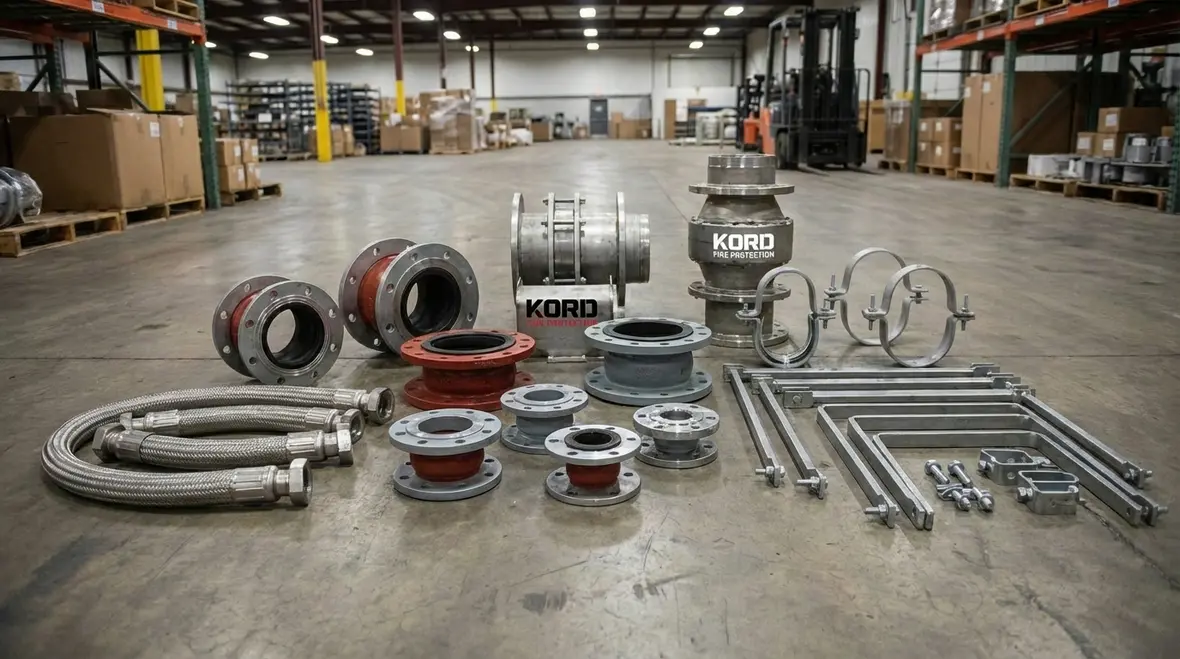
Therefore, engineers design these systems to absorb movement. They use flexible couplings, seismic joints, sway bracing, and expansion assemblies. Each piece serves a purpose. Together, they create a system that bends without breaking.
Kord Fire Protection technicians describe it in calm, steady tones. They remind clients that fire sprinklers must operate after an earthquake, not before. So while the building might creak and groan like an old ship at sea, the piping above the ceiling must stay intact and ready.
Moreover, seismic separation is not about overbuilding. It is about smart building. Codes require calculated spacing, load handling, and movement allowances based on risk categories and soil conditions. In Southern California, those calculations are not optional. They are life safety requirements.
How Do Seismic Fire System Requirements Southern California Shape Design?
This is the question building owners often ask. The answer arrives in layers.
Codes, Standards, and Local Enforcement
First, local codes follow national standards such as NFPA 13. However, because seismic activity is common in the region, enforcement is strict. Inspectors expect detailed calculations. Plans must show bracing locations, flexible joints, and clearance around penetrations. For broader context on how testing and code compliance works in nearby jurisdictions, many Southern California properties follow the same NFPA-driven approach described in Kord Fire’s regional maintenance guide for the area.
Risk Categories and Building Types
Second, the level of protection depends on the building type. Hospitals, high rises, and essential facilities must meet higher seismic performance standards. Consequently, designers increase bracing frequency and add specialized separation assemblies.
From Paper to Ceiling Space
Third, inspections verify real world installation. It is not enough for plans to look good on paper. Installers must place sway braces at correct angles. They must secure anchors into structural members, not just into convenient spots that look sturdy. As Kord Fire Protection technicians like to say, gravity always tells the truth.
Because of seismic fire system requirements Southern California, even small miscalculations can delay occupancy permits. Therefore, experienced contractors coordinate early with structural engineers. They confirm load paths, ceiling types, and joint locations before a single pipe is lifted into place.
Critical Components That Keep Fire Piping Intact
Seismic separation relies on several key components working together. Each one handles movement differently. Think of it as a well rehearsed band. If one instrument goes off beat, the whole performance suffers.
Flexible Couplings
Flexible couplings allow slight rotation and movement between pipe sections. During shaking, they reduce stress at threaded or grooved joints. As a result, they prevent cracking and leaks.
Seismic Expansion Joints
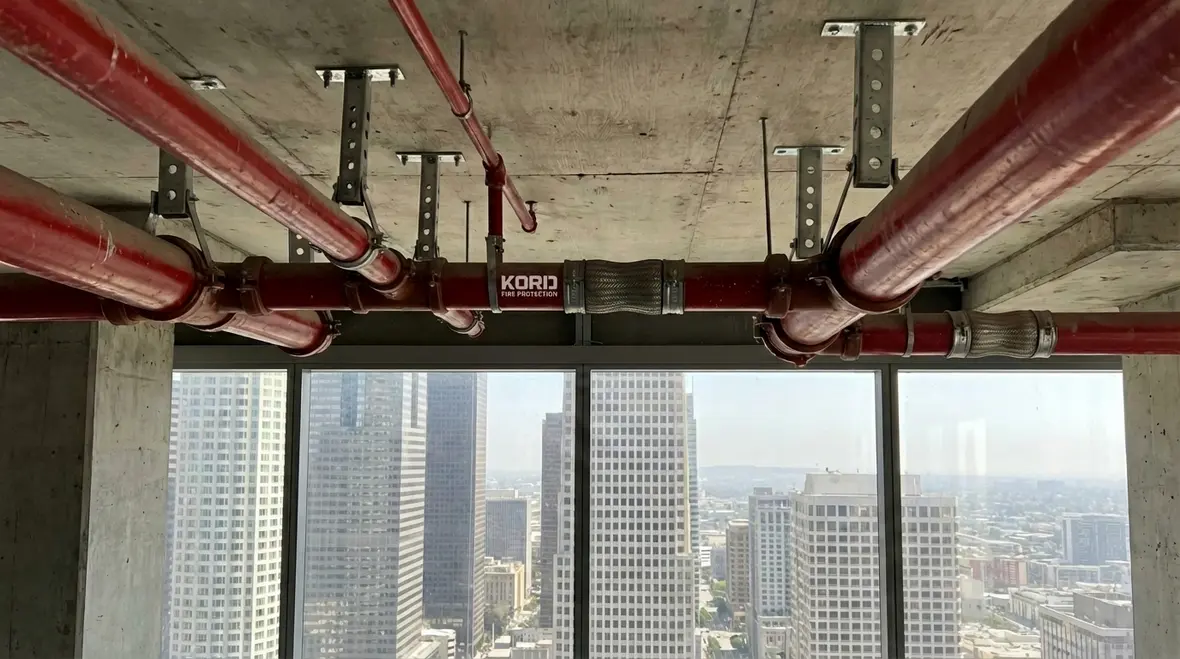
These joints accommodate larger directional movement. They are especially important where piping crosses building seismic joints. Without them, structural separation gaps could shear the pipe in half.
Sway Bracing
Sway braces control lateral movement. Installed at calculated intervals, they anchor piping to structural elements. However, they must allow controlled flexibility, not rigid restraint.
Seismic Separation Assemblies
These assemblies protect piping where it passes between building sections designed to move independently. They maintain clearance so that pipes do not collide with concrete edges.
Kord Fire Protection technicians often walk property managers through each component. They explain that none of these pieces are decorative. They are functional safeguards. And although they may not look dramatic, they quietly carry enormous responsibility.
Fire Piping Seismic Gap Installation Downtown LA: Why Precision Matters
Downtown Los Angeles presents unique challenges. Buildings stack systems tightly. Mechanical, electrical, and plumbing trades share limited space. Therefore, a fire piping seismic gap installation Downtown LA demands careful coordination.
Seismic gaps separate sections of a building so they can move independently during an earthquake. When fire piping crosses those gaps, installers must provide adequate clearance and flexible connections. If they fail to do so, the pipe can slam against concrete edges under stress.
Additionally, high rise structures amplify movement at upper floors. The sway at the top can exceed several inches. That means expansion joints and flexible drops must absorb vertical and horizontal shifts simultaneously.
Kord Fire Protection technicians approach these installations methodically. First, they review structural drawings to locate every seismic joint. Next, they calculate expected displacement. Then, they select listed assemblies rated for that movement. It is not guesswork. It is engineering discipline with a touch of street smarts.
Because inspections in Downtown LA are thorough, documentation also plays a major role. Installers record product data, movement ratings, and anchor details. Consequently, projects move smoothly through approval stages instead of stalling under scrutiny.
Design Coordination Between Structural and Fire Protection Teams
Seismic separation does not happen in isolation. It requires cooperation between disciplines.
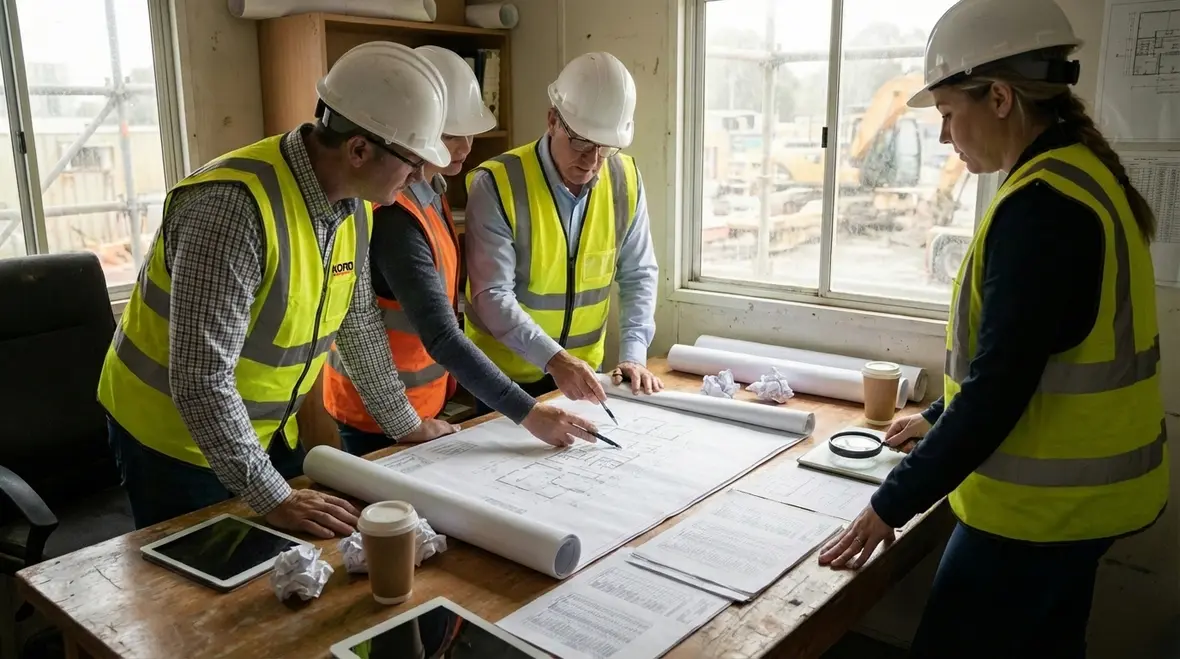
Structural engineers determine expected building movement. Fire protection designers then translate those numbers into pipe spacing, brace selection, and joint placement. Meanwhile, contractors verify field conditions match drawings.
The collaboration typically follows a clear sequence:
Step 1: Structural Analysis
Engineers calculate drift and displacement values.
Step 2: System Layout
Fire protection designers map piping routes to avoid unnecessary stress points.
Step 3: Component Selection
Teams choose listed seismic joints and bracing systems rated for calculated loads.
Step 4: Field Verification
Technicians confirm anchor points tie into approved structural members.
Kord Fire Protection technicians emphasize communication. They often attend coordination meetings to clarify spacing requirements and clearance needs. As they explain in their steady baritone style, pipes may be hidden above ceilings, but their failure would be anything but invisible.

AI Style Prompt: What Are the Inspection and Testing Steps After Installation?
After installation, inspection ensures the system will perform when needed. The process follows a clear order.
Step 1: Brace and Support Verification
First, inspectors verify brace spacing and orientation. They measure distances between supports and confirm proper attachment. If a brace sits at the wrong angle, it cannot handle lateral forces effectively.
Step 2: Flexible Components and Clearances
Next, they examine flexible couplings and expansion joints. They check for proper alignment and adequate clearance at penetrations. Even a small obstruction can limit movement.
Step 3: Hydrostatic Testing
Then, hydrostatic testing confirms there are no leaks. Water fills the system under pressure for a specified duration. Although this test does not simulate an earthquake, it verifies joint integrity.
Step 4: Documentation and Compliance Review
Finally, documentation is reviewed. Inspectors compare installed components to approved plans. In regions governed by strict seismic fire system requirements Southern California, paperwork must align with reality. Property owners who want a deeper look at inspection, testing, and maintenance expectations often pair these steps with the broader schedules outlined for Los Angeles County fire sprinkler testing and other NFPA 25 based programs.
Kord Fire Protection technicians treat inspections as validation rather than inconvenience. After all, passing inspection means the building stands ready for both fire and seismic events. And that readiness brings peace of mind.
Common Challenges and Practical Solutions
Limited Ceiling Space
In crowded ceiling cavities, routing can become tight. Therefore, designers may reroute piping or adjust brace types to fit available space.
Unforeseen Structural Conflicts
Sometimes field conditions differ from drawings. In those cases, technicians coordinate immediately with engineers before modifying support locations.
Inspection Delays and Documentation Gaps
Missing documentation can stall progress. Consequently, organized record keeping speeds approvals.
Downtown LA Timelines and Phased Occupancy
When handling a fire piping seismic gap installation Downtown LA, teams also face strict timelines. Downtown projects often operate under phased occupancy schedules. So efficient coordination becomes essential.
Kord Fire Protection technicians maintain a calm presence during these challenges. They understand that preparation reduces stress. And while earthquakes may arrive without warning, code compliance never should.
Dual Overview: Component Function and Risk Mitigation
Component Primary Risk Mitigated
Flexible Couplings Joint cracking from minor rotation
Seismic Expansion Joints Pipe rupture at building separation points
Sway Braces Excessive lateral displacement
Clearance Sleeves Impact damage at wall penetrations
Anchored Supports Vertical drop or collapse during shaking
This side by side view highlights a simple truth. Every component exists to address a specific risk. Remove one, and vulnerability increases. Keep them properly installed, and the system performs as intended.
FAQ: Seismic Separation in Fire Protection Systems
Conclusion: Building Resilience from the Inside Out
Seismic separation components do not draw attention. They hide above ceilings and behind walls. Yet they stand ready when the ground shifts. By meeting seismic fire system requirements Southern California and executing precise fire piping seismic gap installation Downtown LA projects, building owners protect lives and investments. Kord Fire Protection technicians bring calm expertise to every phase.
For resilient systems that endure both flame and fault lines, partnering with seasoned professionals is not just wise. It is essential. To align your building’s seismic-ready sprinkler systems with ongoing testing and maintenance expectations, consider pairing this guidance with Kord Fire’s dedicated fire sprinkler testing in Los Angeles County resources or scheduling a full-service review of your Southern California property today.
Know Your Weapon Before You Fight the Flame
Kord Fire Protection is your go-to when it comes to all things fire protection. For over 20 years, we’ve been serving Southern California with the quality service and equipment to keep your home or business safe at all times. Our competitive prices reflect our unwavering commitment to protecting what matters most in the event of a fire emergency. Give us a call, send an email, or use that form!

Join Our Newsletter!
Get the latest fire safety tips delivered straight to your inbox From our Newsletter.